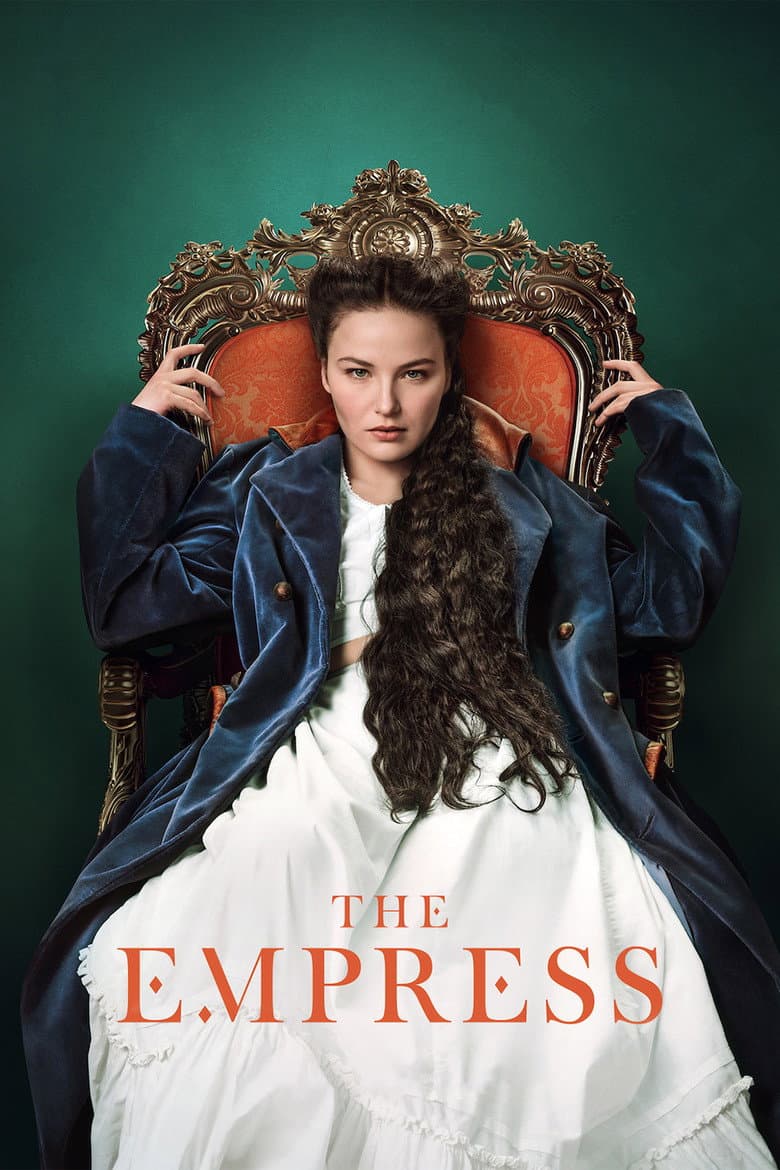
Started September 29, 2022 · Returning Series · Based on 2 seasons, 12 episodes through November 22, 2024 · TV-MA · German
The Empress follows Elisabeth of Bavaria after Emperor Franz Joseph chooses her as his bride instead of her older sister. The teenage duchess enters the Viennese court and struggles with strict rules, a controlling mother-in-law, and the demands of a royal marriage. Season one centers on the wedding, court plots, public unrest, and Elisabeth's choice to stay with Franz. Season two follows the couple as they raise children, face pressure for a male heir, mourn a daughter, and confront revolt and war. The tone mixes romance, palace danger, family grief, and lavish but modern-looking period drama.
The show presents Elisabeth as a rebellious young woman who wants freedom and refuses to be treated only as a wife and mother. She gains moral and political weight by listening to ordinary people, seeking reform, and resisting older rules about female behavior. Season two also includes a side story in which young Ludwig has romantic feelings for a male baron and is punished with forced religious lessons and a planned marriage. The story treats these struggles with sympathy, while its main plot remains a heterosexual royal romance about love, duty, and the cost of power.
Community feedback
Was our 70% Woke rating accurate?
Breakdown
These are the editorial factors and ratings behind our score for The Empress.
Woke representation / casting
The lead is a German-Turkish actress playing the historical Bavarian empress Elisabeth. That is a clear audience-visible identity mismatch for a real German royal figure, and the show also casts German-Iranian Melika Foroutan as Elisabeth’s Bavarian mother-in-law. The rest of the main cast is mostly German-speaking, so the pattern is clear but not dominant.
45%
Woke political dialogue
Elisabeth repeatedly says that court rules should not silence her and that she should be more than a tool for producing an heir. She argues for mercy, reform, and contact with the people during unrest in Hungary and Lombardy. The show also has direct talk about women's choices, freedom, and Ludwig's feelings, but most political talk concerns the period's wars and royal power.
38%
Identity-driven story themes
Elisabeth's fight to live as a person instead of a childbearing tool drives both seasons. The story repeatedly rewards her empathy, public courage, and refusal to obey male-led court rules, while Franz is often passive or emotionally lost. Season two adds a sympathetic same-sex love story and gives strong focus to pregnancy, a hard birth, grief, and a woman's right to choose her own path.
58%
Western institutional / cultural critique
The court is repeatedly shown as a system that controls women's bodies, marriages, children, and public behavior. Church officials enforce sexual rules and try to pray away Ludwig's feelings for a boy. The show sides with rebels and ordinary people against imperial rule, although much of that conflict comes from the historical setting rather than modern activist ideas.
44%
Woke character or canon changes
The historical Elisabeth is presented as a modern freedom fighter and a more direct political voice than the traditional Sisi stories. The show also invents Leontine and changes several family and political events, but those changes are ordinary drama rather than identity changes. Ludwig's attraction to men matches the historical record, so that part is not a new canon change.
15%
Anti-woke backlash and complaints
Some viewers and small review sites called the show woke because it gives Elisabeth a modern feminist role and changes the history. A German review used the headline “Woke Elisabeth” but praised the series, so it shows public woke framing more than a large protest. The supplied X research found a mid-reach complaint about Netflix forcing a gay story for young boys and a smaller complaint about girlboss themes. No boycott, review-bombing drive, or broad news cycle appeared, so the backlash remains limited.
30%
Creator track record context
Katharina Eyssen's work often centers women's freedom, autonomy, and resistance to male-led systems. In a season two interview, Eyssen described this show as dealing with liberal ideas inside a strict system, feminist ideas, and queerness. Fabian Maubach and Jochen Laube have produced many serious stories about racism, migration, human rights, and past dictatorships, but their wider work is mixed and neither has a strong activist public image.
52%
Production

TV Show · 2023
The story of Bass Reeves, the legendary lawman of the wild West, is brought to life. Reeves worked in the post-Reconstruction era as a federal peace officer in the Indian…

TV Show · 2026
As the Kargil War erupts between India and Pakistan, the Golden Arrows squadron of the Air Force takes flight on a dangerous mission behind enemy lines.

TV Show · 2026
Rip Wheeler and Beth Dutton gamble everything on a new life in South Texas, but the promise of building a future far from the ghosts of Yellowstone quickly collides with brutal…

TV Show · 2026
The Clyburns uproot their comfortable New York City lives to the wild, untamed beauty of Montana's Madison River Valley on a search for connection.
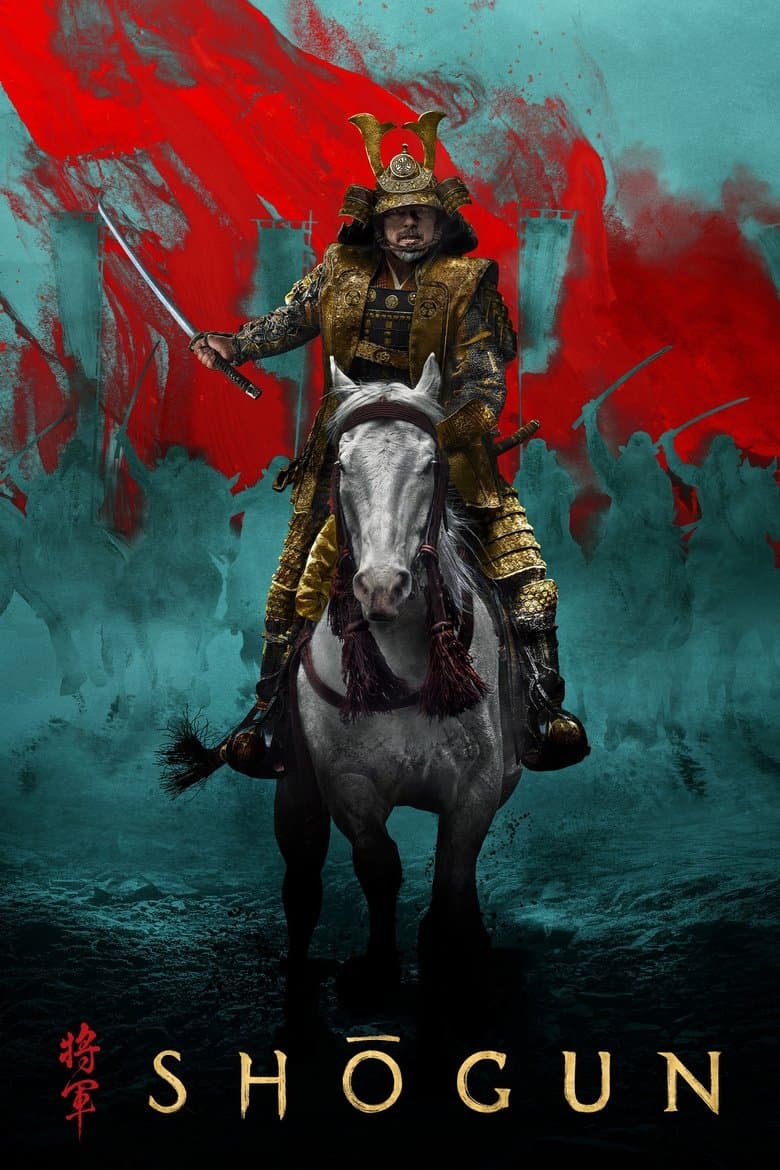
TV Show · 2024
In Japan in the year 1600, at the dawn of a century-defining civil war, Lord Yoshii Toranaga is fighting for his life as his enemies on the Council of Regents unite against him…
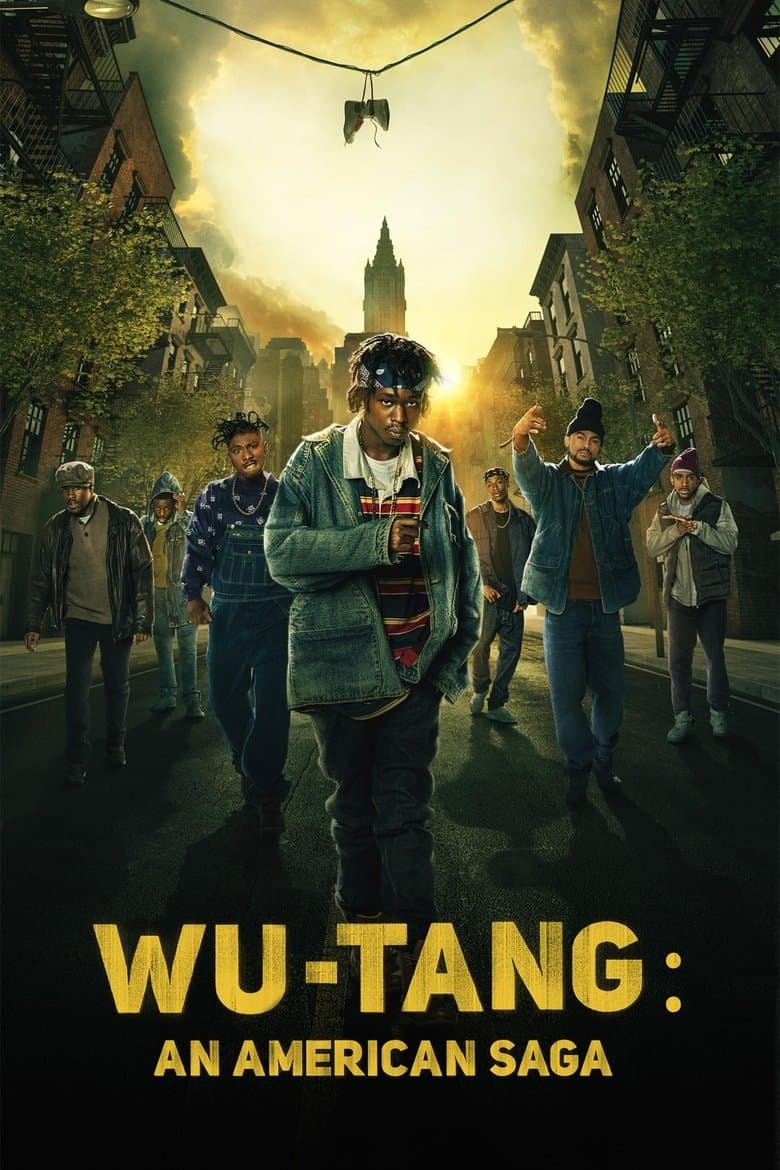
TV Show · 2019
In the early 1990s in New York, during the height of the crack cocaine epidemic, a visionary musician named Bobby Diggs aka The RZA begins to form a super group of a dozen young…
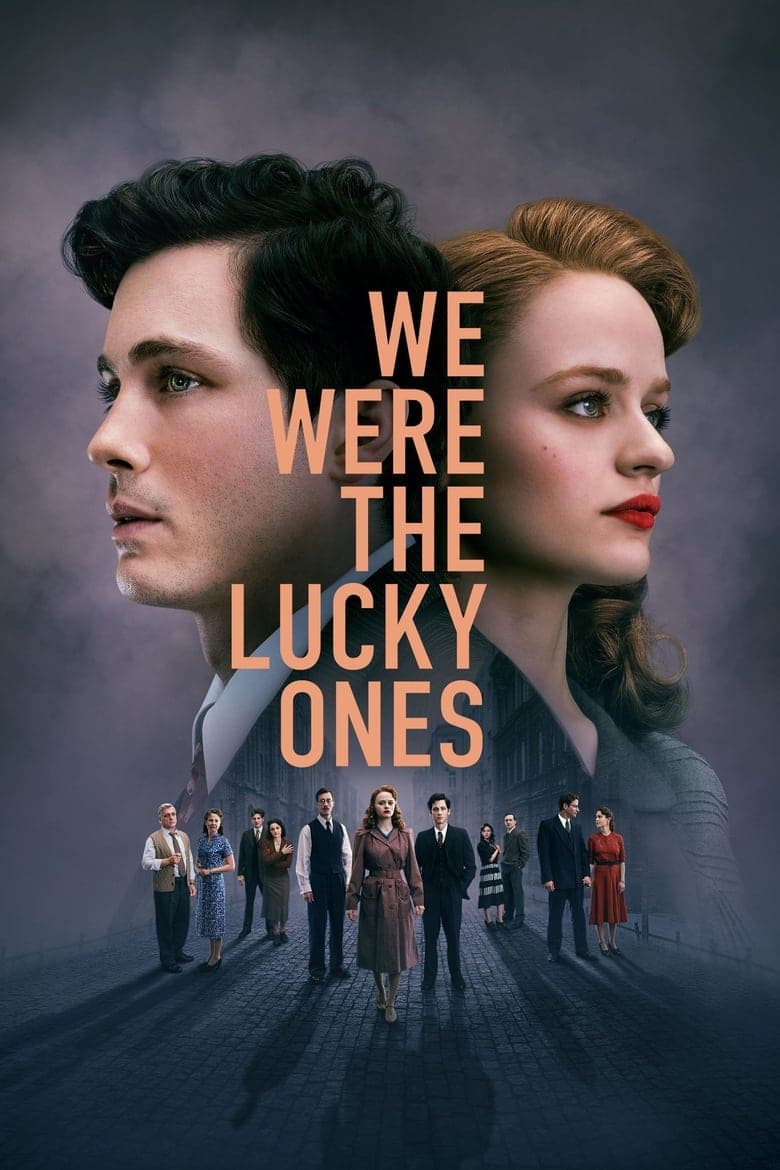
TV Show · 2024
The true story of one Jewish family separated at the start of World War II, determined to survive—and to reunite.
TV Show · 2019
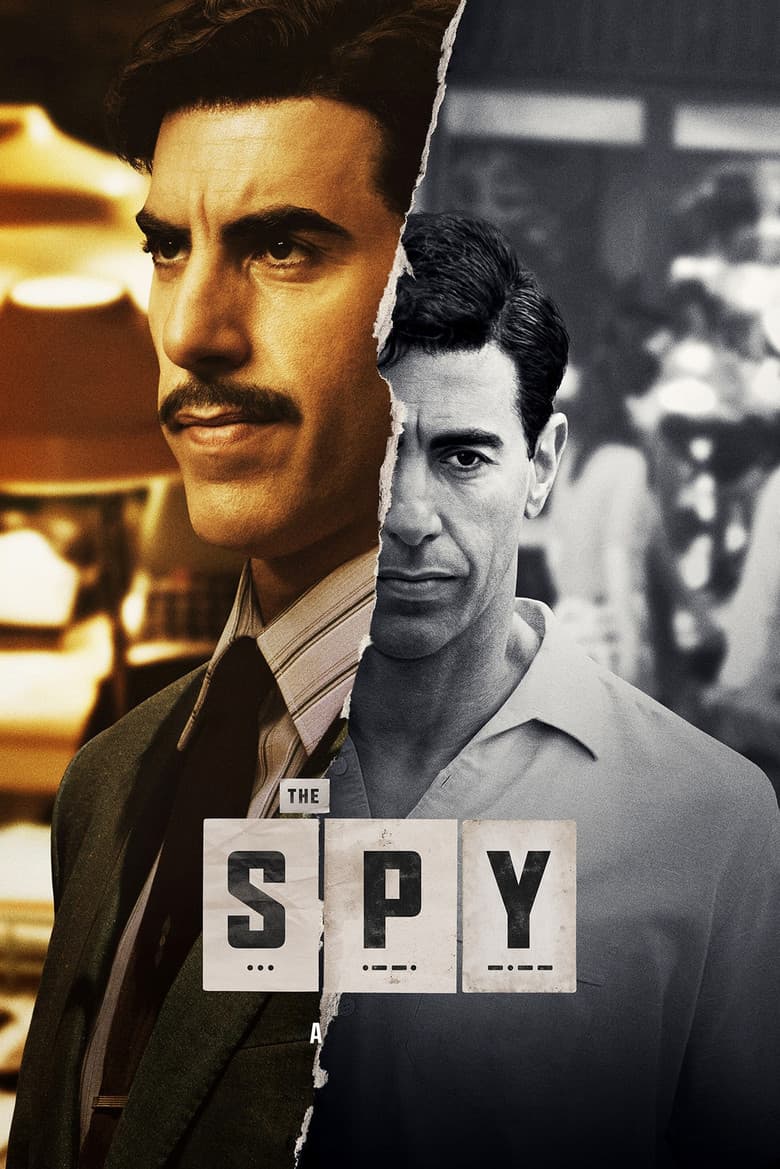
In the 1960s, Israeli clerk-turned-secret agent Eli Cohen goes deep undercover inside Syria on a perilous, years-long mission to spy for Mossad.
