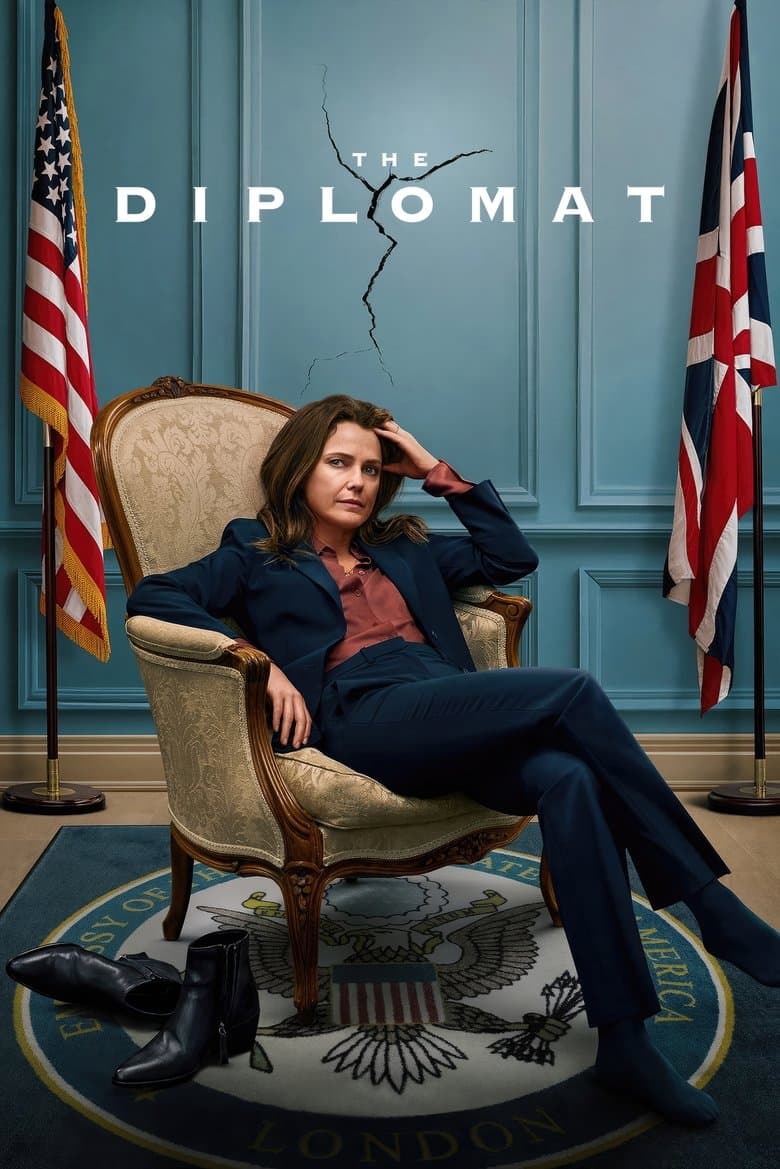
Started April 20, 2023 · Returning Series · Based on 3 seasons, 22 episodes through October 16, 2025 · TV-MA
Kate Wyler is a career diplomat who becomes the U.S. Ambassador to the United Kingdom. She takes the post during a British carrier attack and a rising great-power crisis. She also manages a tense marriage to fellow diplomat Hal Wyler. The series follows crisis work, ambition, and power games inside elite U.S. and UK institutions. Later seasons put more weight on Grace Penn rising from vice president to president and on Kate’s path toward higher office.
The show often places women and minority talent in skilled high-power jobs. Viewers see a female ambassador lead, a Black UK foreign secretary, an Asian American CIA station chief, a black deputy chief of mission, a Black White House chief of staff, and a female vice president who becomes president. A supporting officer is played by a nonbinary actor with gender-nonconforming presentation and careful pronoun avoidance, but that part stays coded and secondary. The main identity signal is women in executive power, not race lectures or a central queer plot. Explicit DEI speeches and identity-politics sermons stay light, and the core engine remains international crisis and marital struggle.
Community feedback
Was our 37% Woke rating accurate?
Breakdown
These are the editorial factors and ratings behind our score for The Diplomat.
Woke representation / casting
The modern diplomatic setting can support a mixed cast, but the show keeps putting minority and female talent in high-skill power jobs. That pattern is clear across the Foreign Secretary, CIA station chief, deputy chief of mission, White House chief of staff, female ambassador, and female president path. Ronnie is only supporting and queer-coded, not an explicit central queer lead. This is identity-weighted prominence, not a full one-of-each friend group or a historical race swap.
36%
Woke political dialogue
Most talk is about geopolitics, sanctions, carriers, and U.S.–UK trust, not identity politics sermons. Some center-left foreign-policy lean and gender-in-power texture show up around Kate’s public role. Explicit DEI or activist rhetoric stays light and secondary to the crisis plot.
16%
Identity-driven story themes
The main engine is international crisis and marital power struggle, not race or queer identity as the plot. The audience-visible identity signal is women holding executive power, including Kate’s path and Grace Penn’s rise to the presidency. Later seasons lean harder on female leadership. Ronnie stays supporting and coded only, without a confirmed central LGBTQ arc.
34%
Western institutional / cultural critique
The series largely praises the Foreign Service and diplomacy instead of tearing down the West. Critique aims at ambition, media theater, reckless male showmanship, and betrayal inside elite institutions. Hal can undercut Kate’s agency but remains brilliant and central, not a pure useless-men design.
18%
Woke character or canon changes
Not relevant. This is an original series, not an adaptation of prior characters or historical biographies rewritten for identity reasons.
0%
Anti-woke backlash and complaints
There is no major mainstream anti-woke campaign. Scattered user posts call it woke garbage, a DEI show, or a girl boss parade. Other viewers say it is a clean political thriller with no woke content. The pushback is real but thin and fringe next to the show’s acclaim.
17%
Creator track record context
The key creatives mostly track as prestige political-drama people, not DEI or activist filmmakers. Cahn and the wider team sit low on identity-activism patterns, with Eli Attie linked to institutional Democratic politics rather than identity activism. That history fits liberal-internationalist tone more than identity-first content.
14%
Production

TV Show · 2024
Fascinated by cars since childhood, Brazilian racer Ayrton Senna became a sports legend — until tragedy struck, changing Formula 1 forever.
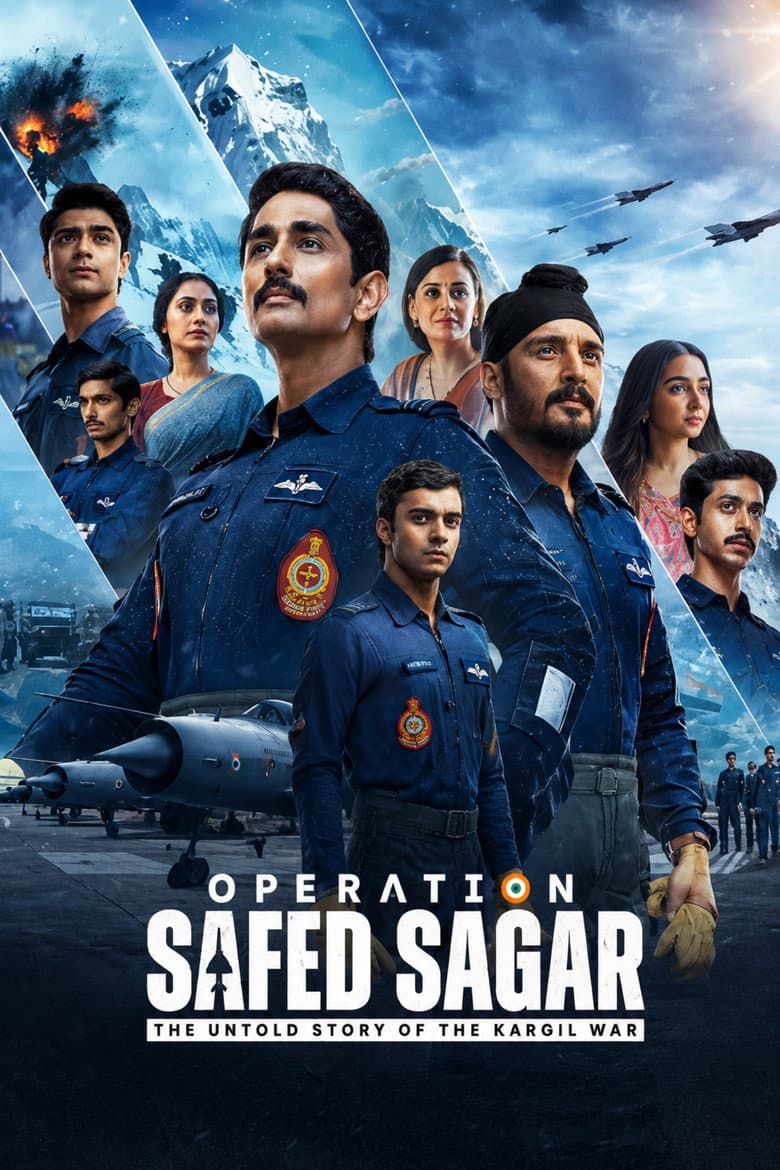
TV Show · 2026
As the Kargil War erupts between India and Pakistan, the Golden Arrows squadron of the Air Force takes flight on a dangerous mission behind enemy lines.
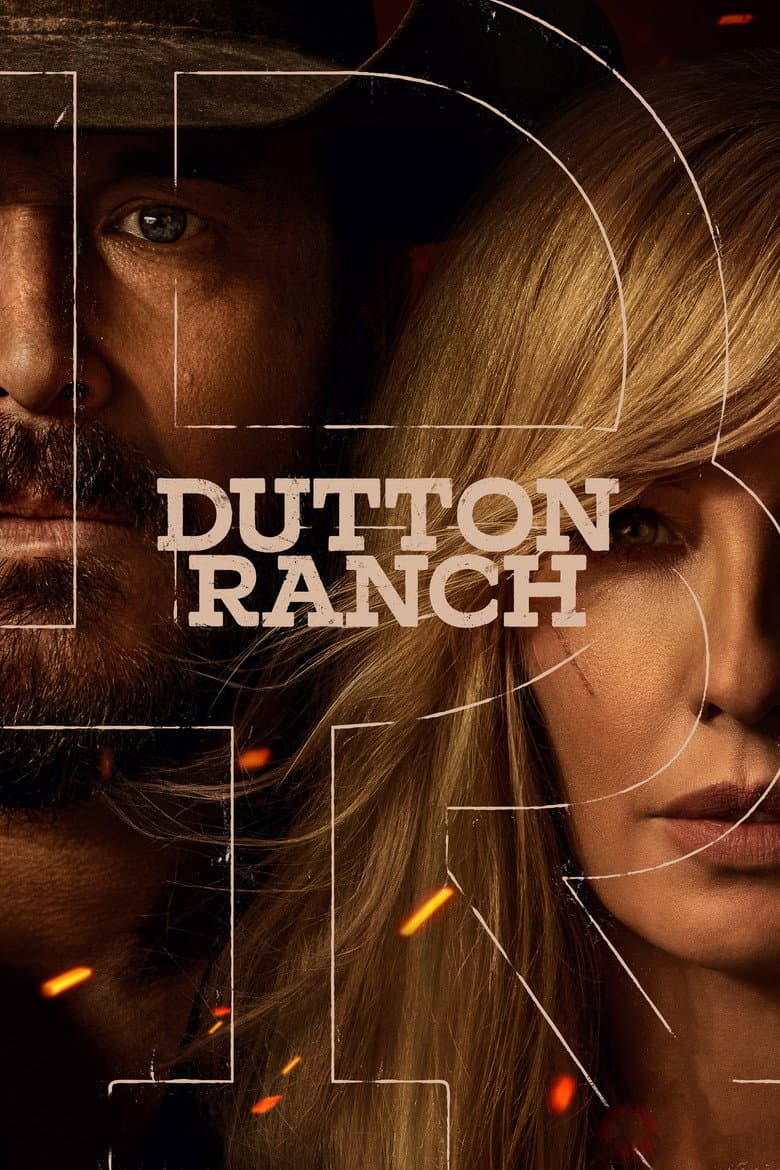
TV Show · 2026
Rip Wheeler and Beth Dutton gamble everything on a new life in South Texas, but the promise of building a future far from the ghosts of Yellowstone quickly collides with brutal…
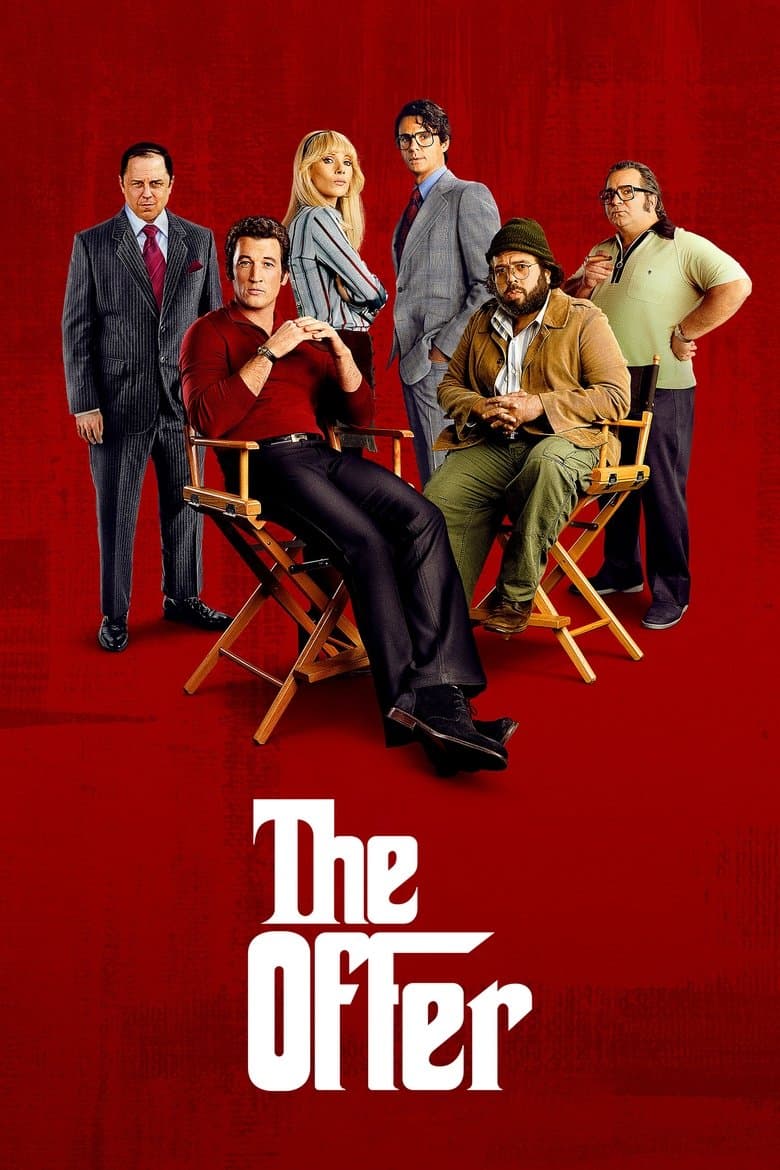
TV Show · 2022
Oscar-winning producer Al Ruddy’s never before revealed experiences of making the iconic 1972 film The Godfather that Francis Ford Coppola directed and adapted with Mario Puzo.
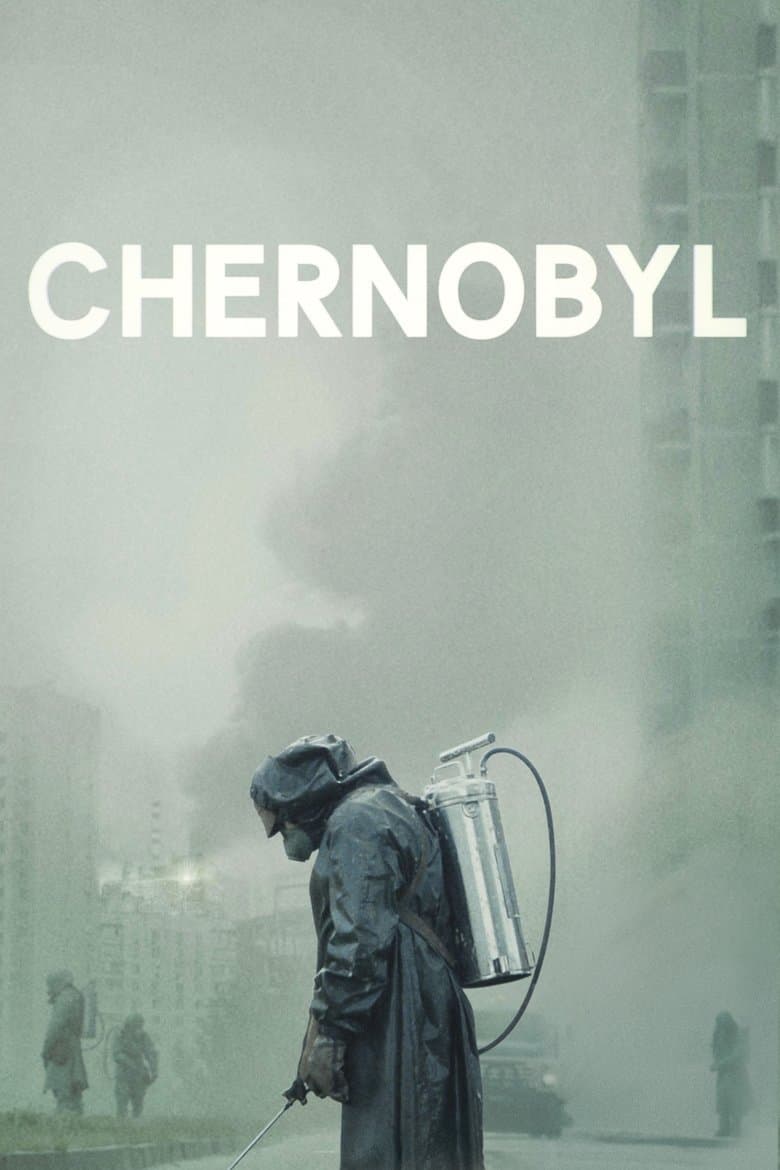
TV Show · 2019
The true story of one of the worst man-made catastrophes in history: the catastrophic nuclear accident at Chernobyl.
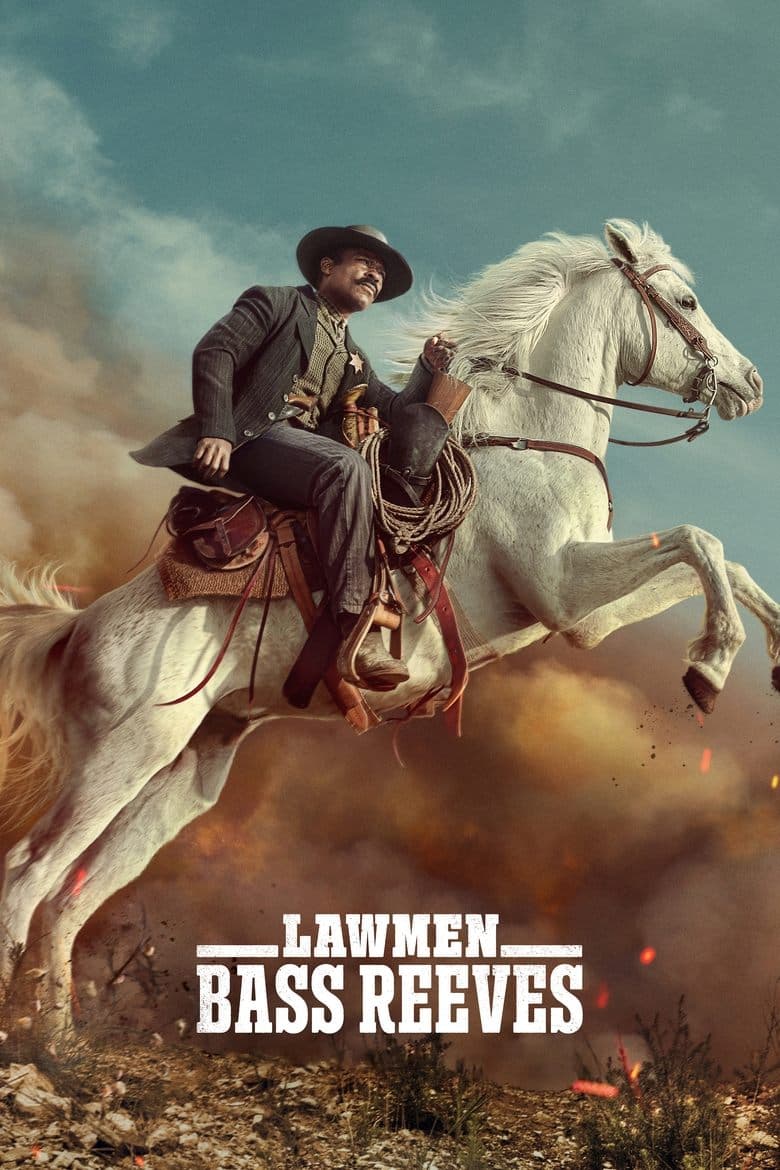
TV Show · 2023
The story of Bass Reeves, the legendary lawman of the wild West, is brought to life. Reeves worked in the post-Reconstruction era as a federal peace officer in the Indian…
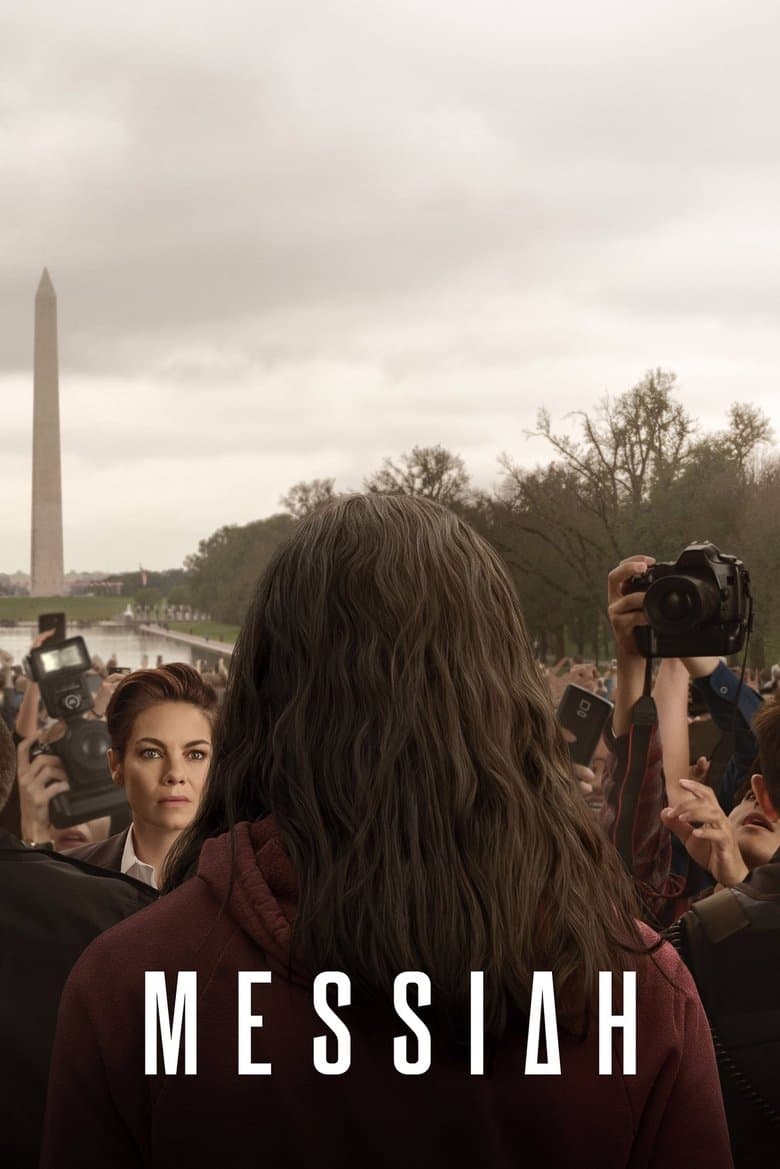
TV Show · 2020
A wary CIA officer investigates a charismatic man who sparks a spiritual movement and stirs political unrest. Who exactly is he? And what does he want?
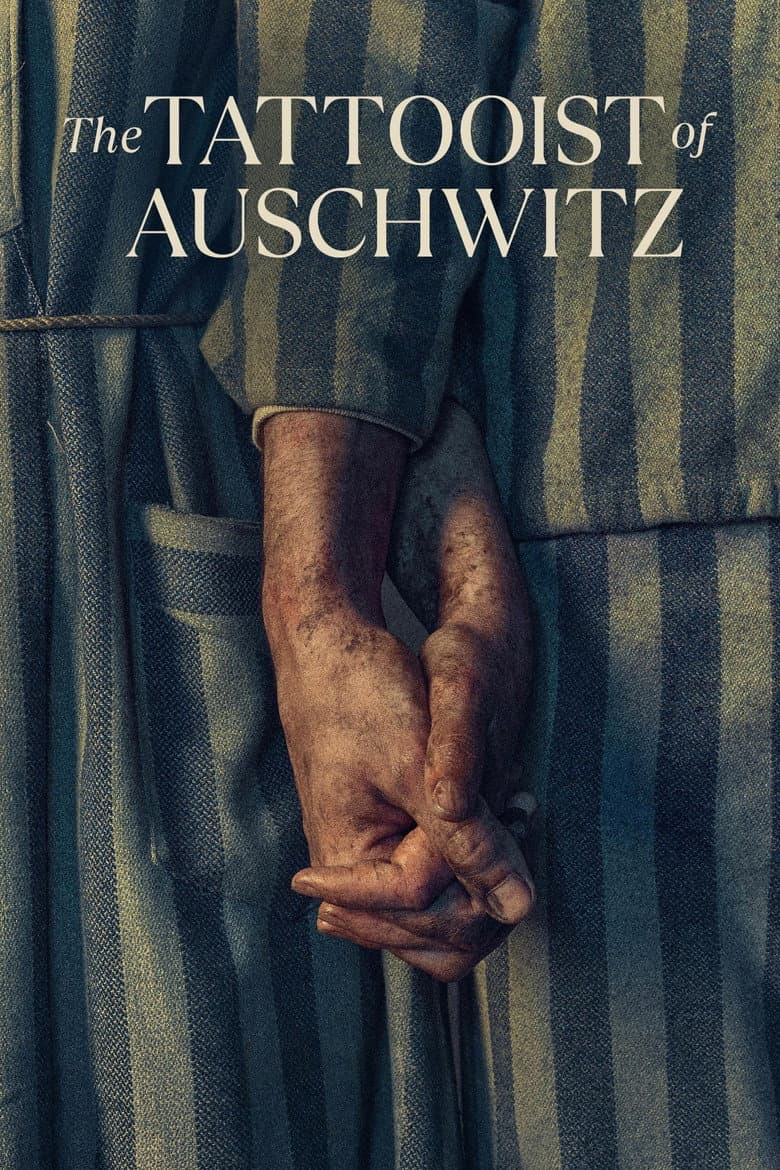
TV Show · 2024
The powerful real-life story of Lali Sokolov, a Jewish prisoner who was tasked with tattooing ID numbers on prisoners' arms in the Auschwitz-Birkenau concentration camp during…
