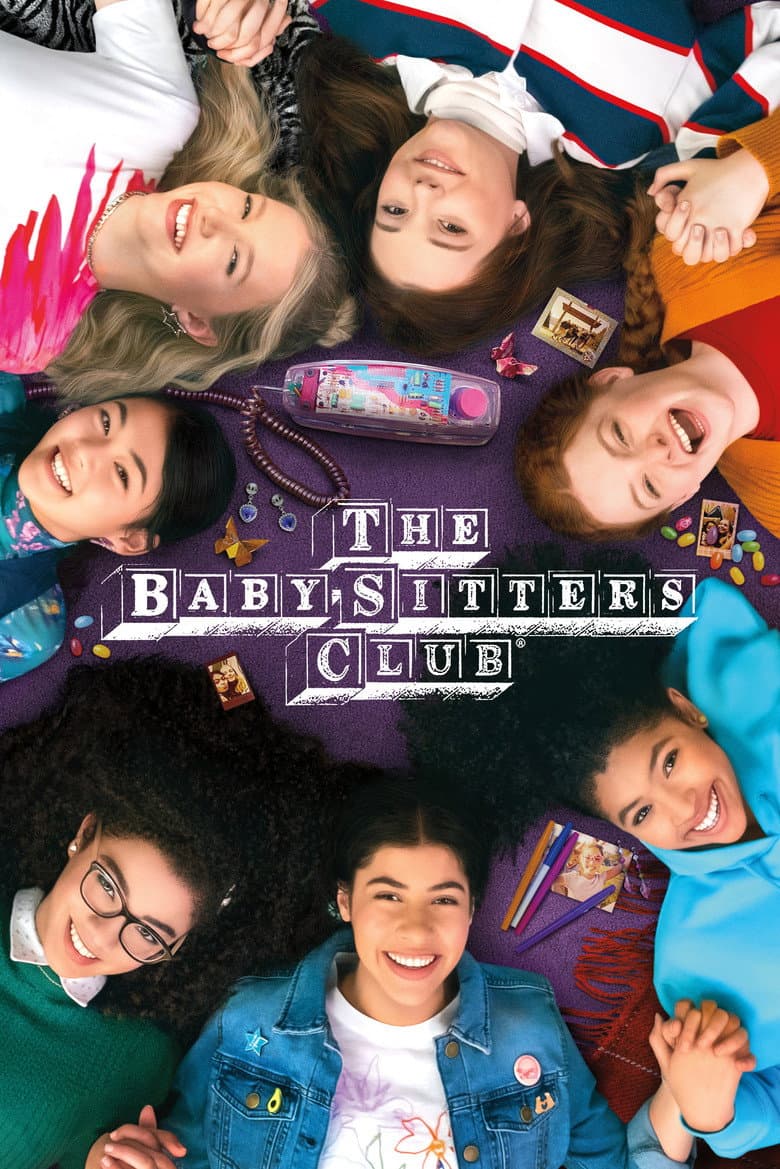
Started July 3, 2020 · Canceled · Based on 2 seasons, 18 episodes through October 11, 2021 · TV-G
The Baby-Sitters Club follows Kristy Thomas and her friends in Stoneybrook, Connecticut. The girls start a babysitting business after Kristy sees her mother struggle to find child care. Each girl faces family problems, school trouble, grief, health issues, and growing friendships. The show uses a warm, funny, and gentle tone while showing that children can handle serious problems with help.
The show gives strong attention to diversity and identity. A major episode follows Mary Anne learning that a young girl she babysits is transgender and defending her from adults who use the wrong words. The show also includes a lesbian character, an implied pansexual identity, interracial families, racial history, and a very diverse main group. These themes are usually handled through kindness and friendship, but they are clear parts of the updated series.
Community feedback
Was our 85% Woke rating accurate?
Breakdown
These are the editorial factors and ratings behind our score for The Baby-Sitters Club.
Woke representation / casting
The main friend group has a strong mix of Black, Japanese-American, Latina, mixed-race, and white characters. The group looks more diversity-focused than a typical small suburban friend group. The show also casts a real transgender child as Bailey, a transgender character. The pattern is highly visible, although the present-day setting makes the racial mix possible.
45%
Woke political dialogue
The show includes direct language about transgender identity and misgendering. Mary Anne argues that Bailey should be treated as a girl by hospital staff. The show also mentions racial injustice and includes the girls caring about the March for Our Lives movement. These moments are limited and usually appear in personal stories.
24%
Identity-driven story themes
The series gives a full episode to a young transgender girl and presents support for her identity as the clear moral answer. Season 2 adds a lesbian character and suggests that Dawn may be pansexual. Stories also address racism, Japanese-American wartime suffering, and inclusion. These themes are not the whole show, but they are important parts of its modern update.
76%
Western institutional / cultural critique
The show criticizes adults who misgender Bailey and adults who respond poorly to racial or identity differences. It also questions strict ideas about family, gender, and social behavior. The series does not make broad attacks on capitalism, Christianity, or Western institutions. Most conflicts stay focused on family and school life.
28%
Woke character or canon changes
The adaptation changes several established characters into a more visibly diverse group. It changes Mary Anne into a mixed-race character and Dawn into a Latina character. It adds Bailey’s transgender story and makes Janine lesbian in season 2. These identity-based changes are major updates from the original books.
62%
Anti-woke backlash and complaints
Conservative writers and outlets accused the show of promoting transgender ideas to children. Some called the Bailey episode propaganda or grooming. Libs of TikTok later attacked the show as part of a Netflix children’s-content controversy. The backlash was real and repeated, but it appears smaller than a major boycott campaign.
55%
Creator track record context
Ryan O’Connell has a strong public record of LGBTQ and disability advocacy. Lucia Aniello and Sascha Rothchild have worked on shows with feminist and social themes. Naia Cucukov has publicly supported representation and equity in entertainment. Other key creators have little clear activist history.
43%
Production
TV Show · 2017
The early life of child genius Sheldon Cooper, later seen in The Big Bang Theory.
TV Show · 2016
David Attenborough presents a documentary series exploring how animals meet the challenges of surviving in the most iconic habitats on earth.
TV Show · 2017
The story of Jim Worth, an expat British police officer starting a new life with his family as police chief in Little Big Bear, an idyllic town near the Rocky Mountains.
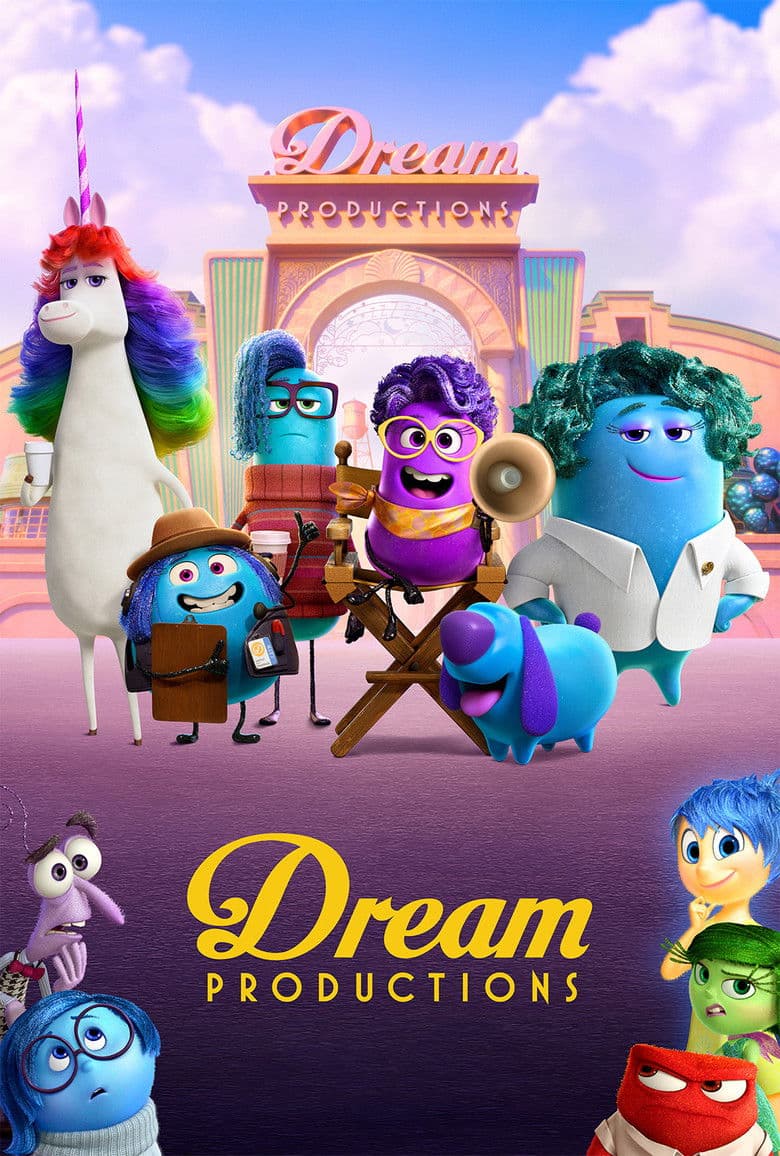
TV Show · 2024
Riley is growing up and when her memories need some extra processing, Joy and the rest of the Core Emotions send them to Dream Productions.
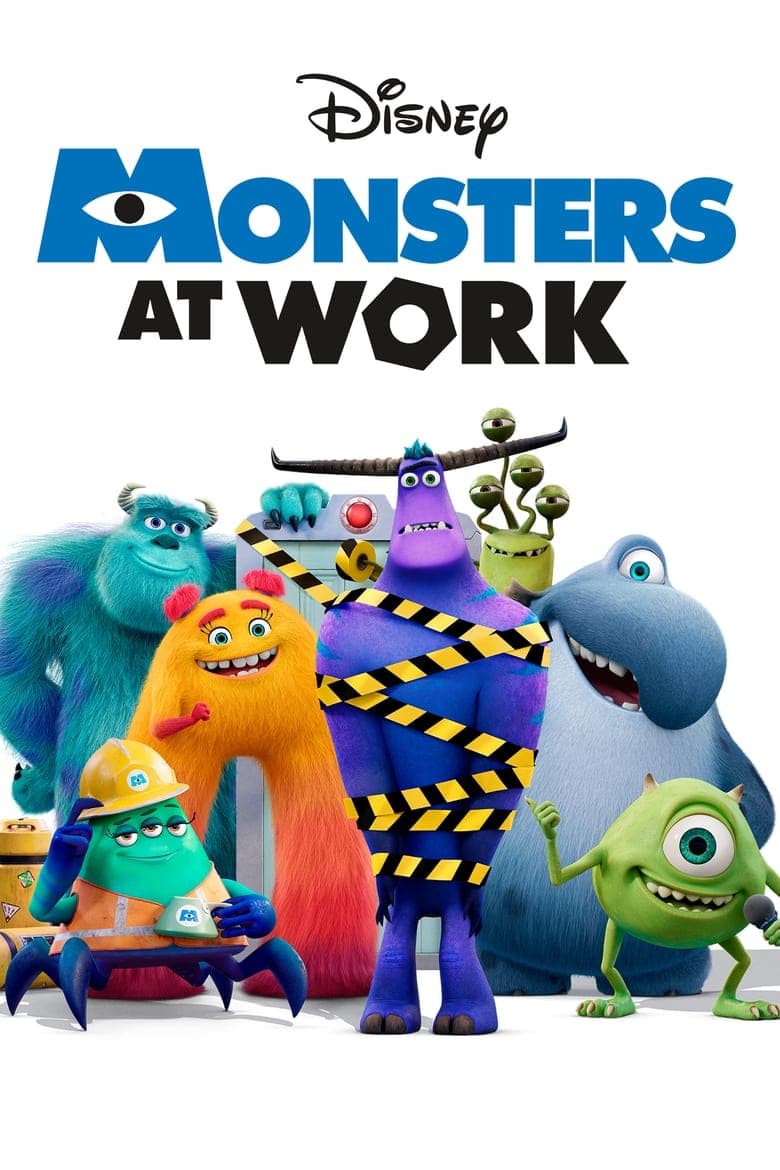
TV Show · 2021
Ever since he was a kid, Tylor Tuskmon has dreamed of becoming a Scarer just like his idol James P. Sullivan, and now that dream is about to come true... or not.
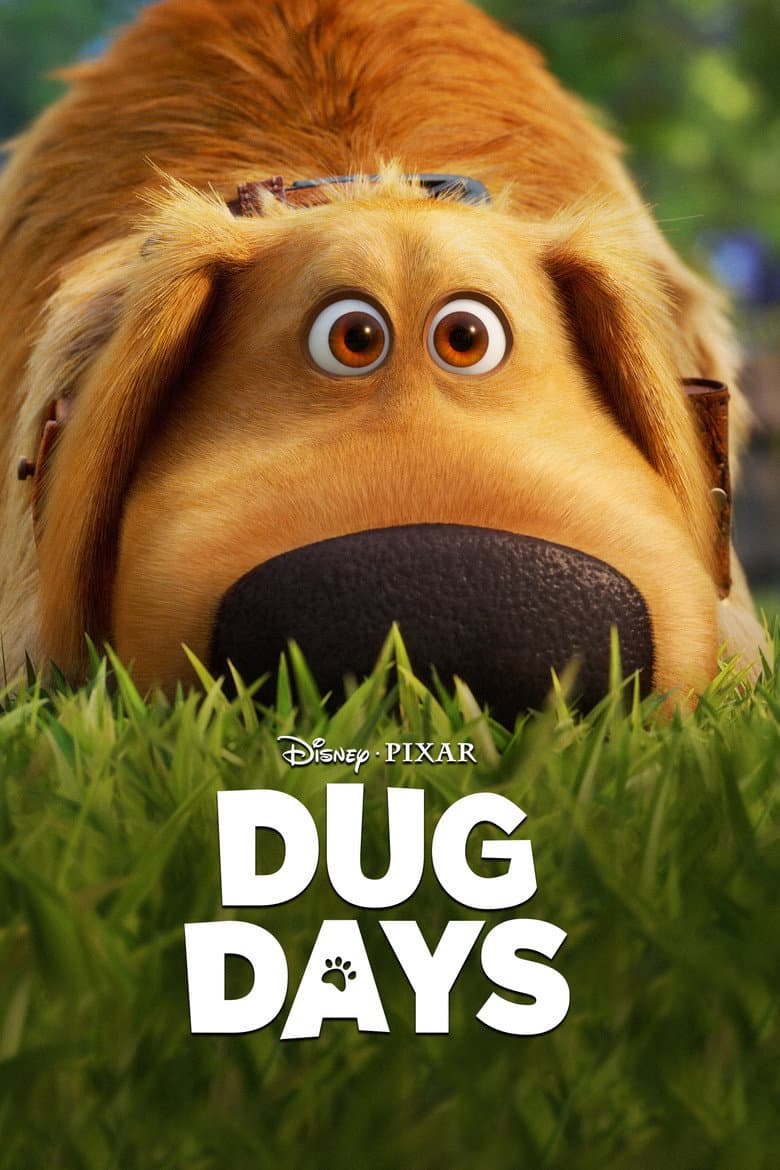
TV Show · 2021
A series of shorts that follows the humorous misadventures of Dug, the lovable dog from Disney and Pixar’s “Up.” Each short features everyday events that occur in Dug's backyard…
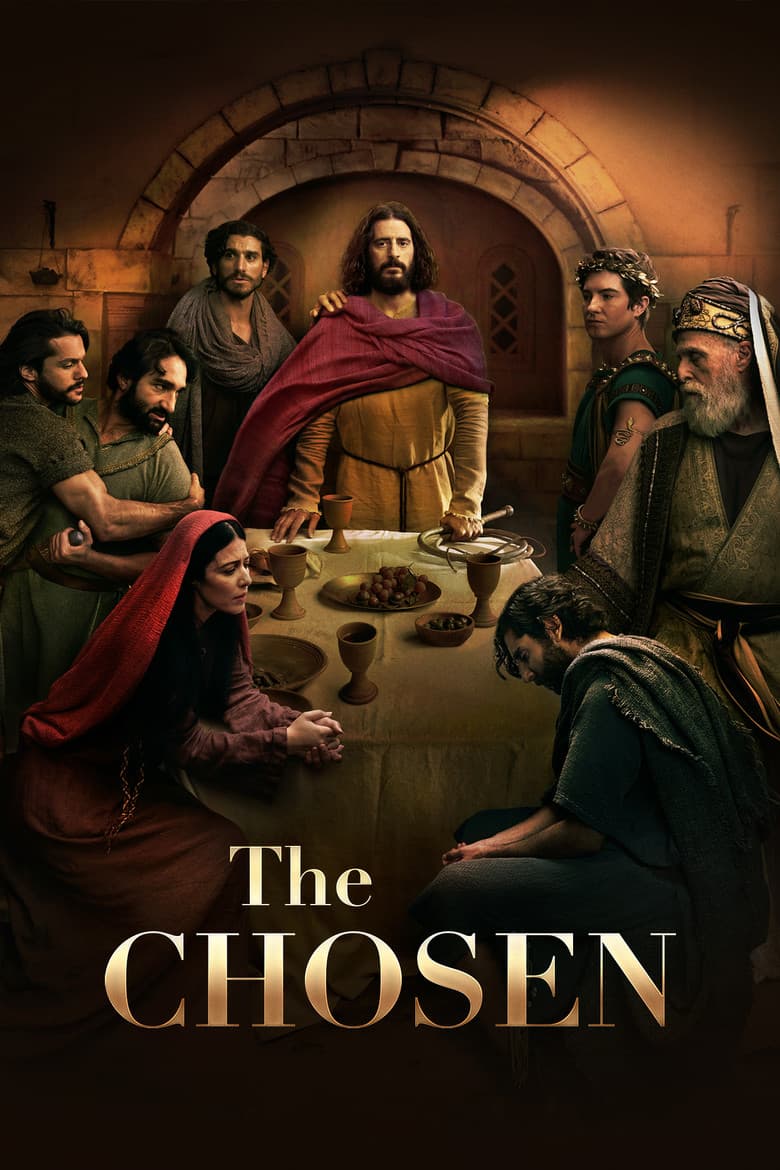
TV Show · 2019
The life of Christ through the eyes of those who encountered him.
TV Show · 2018
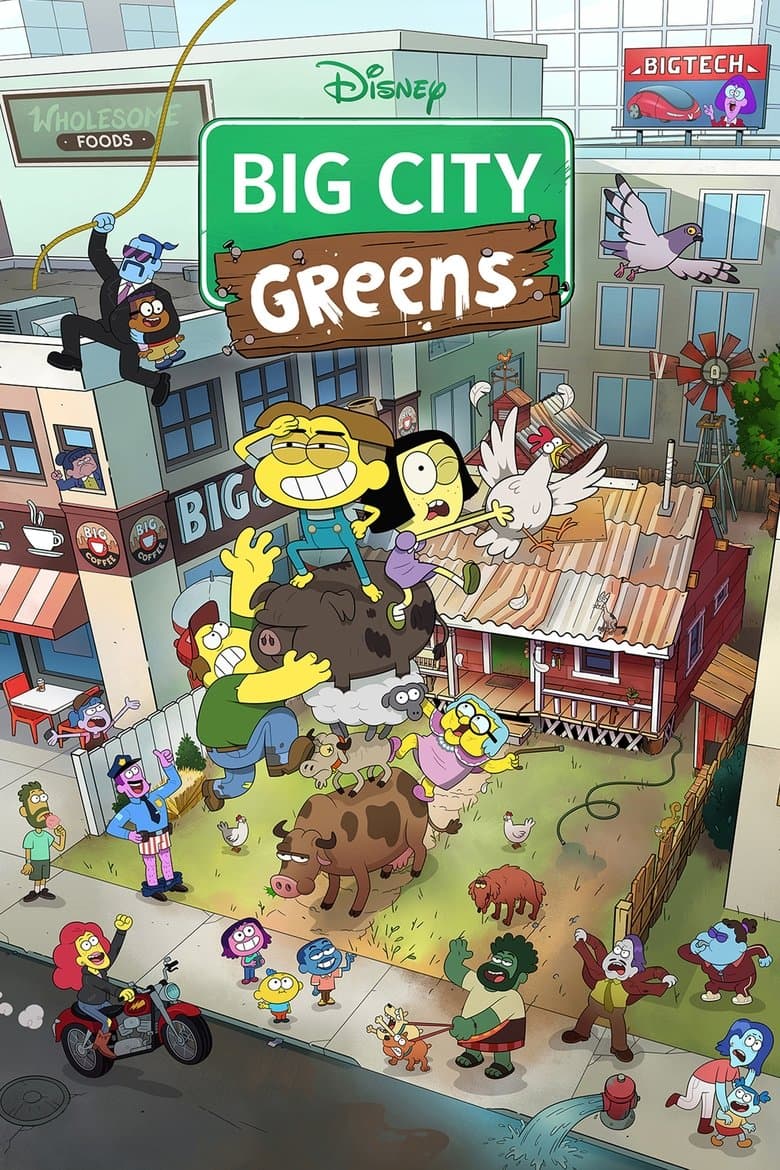
The offbeat adventures of 10-year-old Cricket Green, a mischievous and optimistic country boy who moves to the big city with his wildly out of place family – older sister Tilly…
