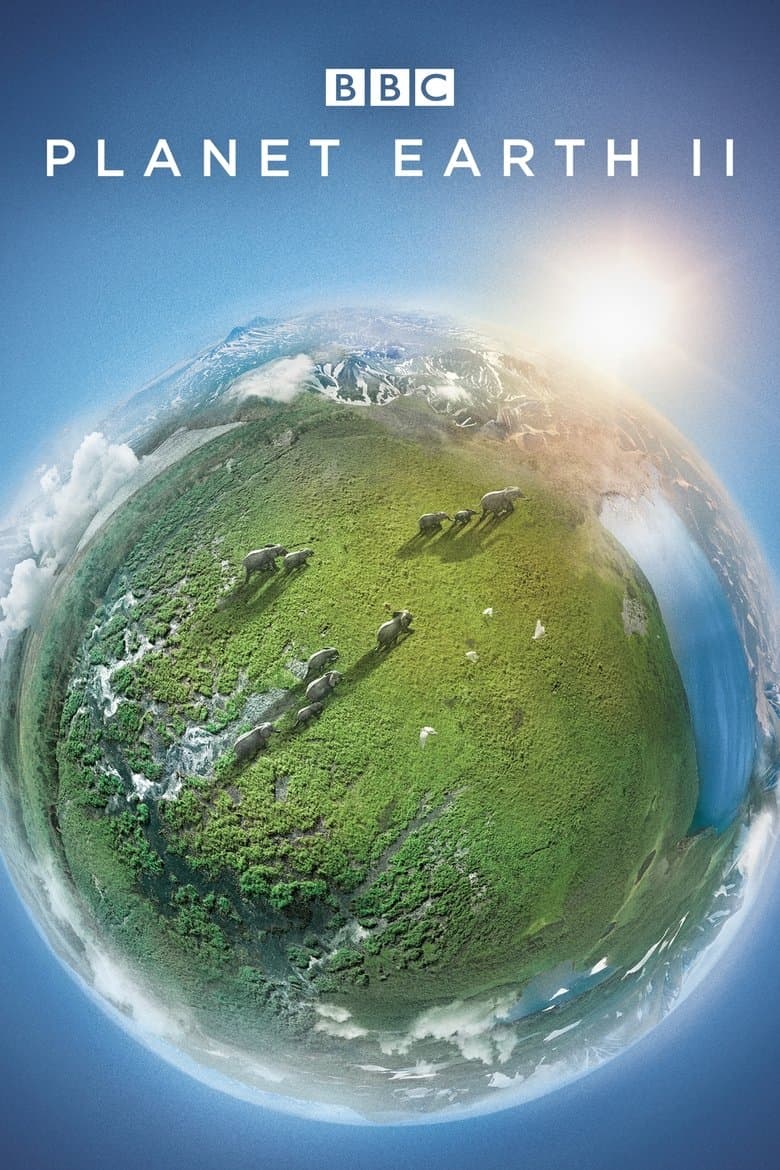
Started November 6, 2016 · Based on 1 season, 6 episodes · TV-G
David Attenborough guides the viewer, but the animals are the real main characters. Each episode follows animals as they find food, protect young, find mates, and escape predators. The settings move through islands, mountains, jungles, deserts, grasslands, and cities around the world. The tone is dramatic and emotional, but it stays focused on real animal behavior.
The clearest message with a political edge comes in Cities, where Attenborough says people shape city spaces and should make room for wildlife. Other episodes show habitat loss, warming, pollution, and species under pressure, but they do not use identity politics, DEI language, or human social justice stories. The series has no visible diversity-first casting, queer storyline, race or gender message, or changed legacy character. Its main message is wonder, survival, and care for the natural world, so its woke elements are limited and secondary.
Community feedback
Was our 9% Woke rating accurate?
Breakdown
These are the editorial factors and ratings behind our score for Planet Earth II.
Woke representation / casting
Not present. The series shows animals in natural settings and urban areas. The only regular human presence is the standard narrator David Attenborough. There is no visible emphasis on human diversity, identity groups, or representation choices in who appears or how they are presented.
0%
Woke political dialogue
David Attenborough gives a direct message about protecting nature at the end of Cities. He says people shape city spaces and should create a home for all life. The message is environmental, but it has no identity politics, DEI language, or party politics.
12%
Identity-driven story themes
Not present. The main ideas are animal adaptation, habitat challenges, and natural survival across different environments. No plots, character arcs, or messages involve human identity categories, gender roles, race, sexuality, or social justice topics.
0%
Western institutional / cultural critique
Not present. Human-wildlife scenes in the cities episode note real issues like light pollution affecting animals and show some adaptations or local efforts to help nature. These are presented as straightforward observations of coexistence, not as attacks on Western systems, traditional values, capitalism, or cultural institutions.
0%
Woke character or canon changes
Not relevant. This is an original documentary built on new wildlife footage with no existing characters, stories, or historical figures being altered for identity or ideological reasons.
0%
Anti-woke backlash and complaints
One user review objects to the idea that humans are damaging the planet and that governments must act. That complaint has an anti-left tone about the show’s environmental message. Most user reviews praise the footage, and news complaints focused on sound effects. The evidence for a wider anti-woke backlash is weak.
5%
Creator track record context
David Attenborough has a long public record of conservation and climate advocacy. His Planet Earth II interviews frame the work around human responsibility toward nature, not race, gender, or queer politics. The cached director summaries show wildlife specialists with no known activist or identity-driven record. This gives the series a mild environmental creator signal, not a strong woke track record.
10%
Production
TV Show · 2017
There is nowhere more powerful and unforgiving yet more beautiful and compelling than the ocean. Join us and explore the greatest yet least known parts of our planet.
TV Show · 2021
A series of shorts that follows the humorous misadventures of Dug, the lovable dog from Disney and Pixar’s “Up.” Each short features everyday events that occur in Dug's backyard…
TV Show · 2020
There is a ranch in northern Utah. It is considered the epicenter of the strangest, and most disturbing occurrences on Earth: For two decades, the federal government investigated…
TV Show · 2019
Professor Brian Cox explores the dramatic lives of the eight majestic planets/worlds that make up our solar system.
TV Show · 2020
This nature series’ new technology lifts night’s veil to reveal the hidden lives of the world’s creatures, from lions on the hunt to bats on the wing.
TV Show · 2022
There's no guarding the galaxy from this mischievous toddler! Get ready as Baby Groot takes center stage in his very own collection of shorts, exploring his glory days growing up…
TV Show · 2020
Applying the laws of life on Earth to the rest of the galaxy, this series blends science fact and fiction to imagine alien life on other planets.
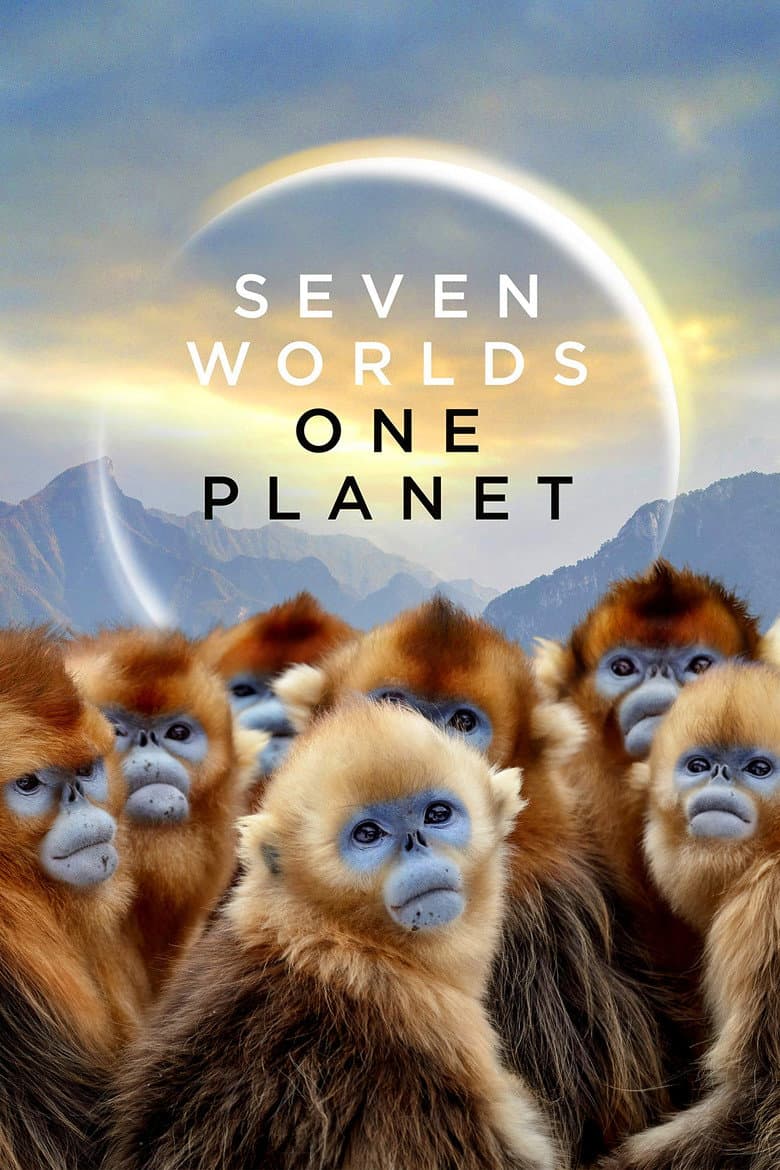
TV Show · 2019
Millions of years ago, incredible forces ripped apart the Earth’s crust creating seven extraordinary continents.
