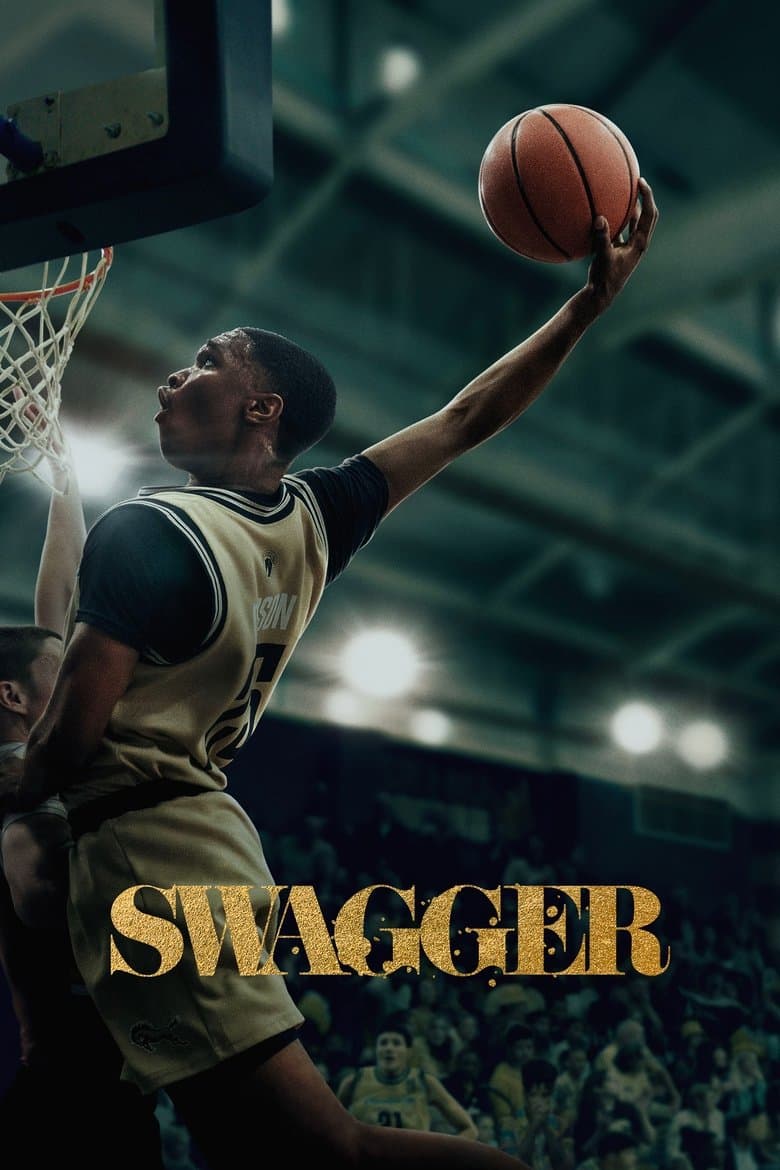
Started October 29, 2021 · Canceled · Based on 2 seasons, 18 episodes through August 10, 2023 · TV-14
Jace Carson is a gifted young basketball player from the Washington, D.C., Maryland, and Virginia area. He joins Coach Ike Edwards and a team of talented players who want a path to college and the NBA. Jace must balance pressure from recruiters, family, teammates, school leaders, and his own choices. The first season follows his early teen years, while the second season moves him into a wealthy private school as a senior. The show is a serious sports drama with warm family scenes, sharp conflicts, and some very heavy material.
The story gives clear space to race, police treatment, Black life in America, and the idea that young players should stand up for their community. One season has the team kneel during the national anthem after a police stop, then join a street protest, while the next season visits a youth detention center and questions the prison system. The private school story also attacks donor power, race and class barriers, and the pressure to protect a school's image. A late season story has CJ come out as gay and receive open support, while Crystal is shown as a leading girl player and survivor of coach abuse. These themes are important across the show, but basketball, family, ambition, and personal growth remain the main story.
Community feedback
Was our 72% Woke rating accurate?
Breakdown
These are the editorial factors and ratings behind our score for Swagger.
Woke representation / casting
The mostly Black team fits the Maryland setting and is not the main reason for the score. Crystal is a nationally ranked girl who plays at the same elite level as the boys and becomes a major lead. Meg is also a respected coach in a male-heavy sports world. These choices create a clear female-athlete emphasis, but the cast is not built around an obvious one-of-each diversity plan.
40%
Woke political dialogue
Players talk directly about racism, police stops, national anthem protests, black history, and the prison system. Season 1 has Jace kneel after police hold the team at gunpoint and later join a protest. Season 2 adds a classroom debate about democracy and a John Carlos speech about Black incarceration and slavery. These moments spread across several episodes and matter to the story, but basketball and family conflict remain the main engine.
59%
Identity-driven story themes
Swagger makes growing up Black in America a central part of Jace's story. The players face racism, social media attacks, school pressure, and fear that the prison system will block their futures. Crystal's abuse and return to top-level basketball give the show a strong story about a girl athlete's strength. CJ's season 2 coming-out story openly supports gay identity, but that story is concentrated in one late episode.
62%
Western institutional / cultural critique
Police officers, school leaders, wealthy donors, sports brands, and the juvenile prison system are often shown as systems that pressure Black players. Season 2 asks whether a private school protects students or protects donors and its public image. The story favors community, truth, and personal integrity over silence and respectability rules. Ike and Jace also question narrow ideas about manhood, while families and faith are not mocked or attacked.
55%
Woke character or canon changes
Not relevant. Swagger is a fictional drama loosely inspired by Kevin Durant's youth. It does not rewrite a famous character or historical event.
0%
Anti-woke backlash and complaints
Some Reddit viewers called Crystal joining the boys' team “too woke” and said the move was unrealistic. A Dutch review called the show's mix of Black Lives Matter, MeToo, police violence, and other social issues forced and moralistic. The X research pass found no anti-woke pile-on, boycott, or review-bomb push, so the backlash remains small.
12%
Creator track record context
Reggie Rock Bythewood has a strong record of black-centered stories about racial identity, police violence, and social injustice. Several credited writers also have work about civil rights, black women, or representation. A few directors, producers, and writers have little public political record, so the wider team is mixed. This background supports the show's social themes, but it does not replace the evidence on screen.
56%
Production
TV Show · 2019
In the early 1990s in New York, during the height of the crack cocaine epidemic, a visionary musician named Bobby Diggs aka The RZA begins to form a super group of a dozen young…
TV Show · 2016
The love story of young Countess Natasha Rostova and Count Pierre Bezukhov is interwoven with the Great Patriotic War of 1812 against Napoleon's invading army.
TV Show · 2019
The true story of one of the worst man-made catastrophes in history: the catastrophic nuclear accident at Chernobyl.
TV Show · 2025
Tells the story of the ascent of the biblical figure, David, who becomes the most celebrated king of Israel. The series follows the once-mighty King Saul as he falls victim to his…
TV Show · 2020
A wary CIA officer investigates a charismatic man who sparks a spiritual movement and stirs political unrest. Who exactly is he? And what does he want?
TV Show · 2024
The true story of one Jewish family separated at the start of World War II, determined to survive—and to reunite.
TV Show · 2026
Rip Wheeler and Beth Dutton gamble everything on a new life in South Texas, but the promise of building a future far from the ghosts of Yellowstone quickly collides with brutal…
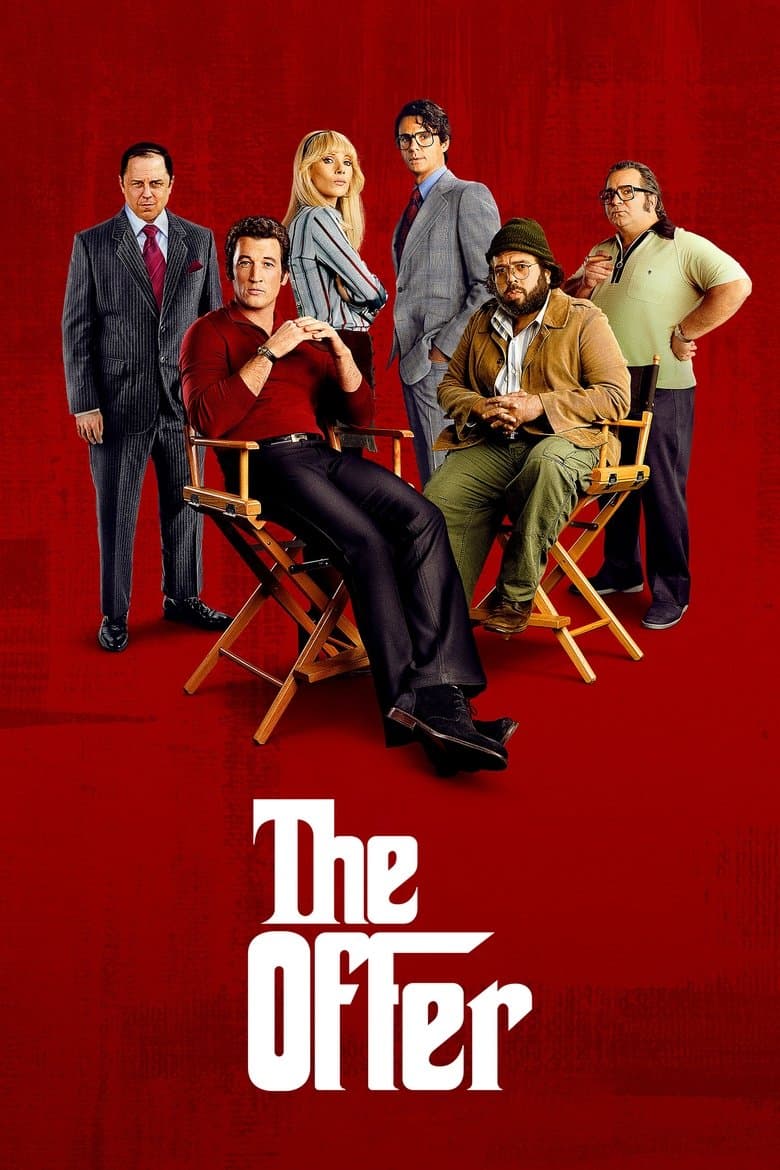
TV Show · 2022
Oscar-winning producer Al Ruddy’s never before revealed experiences of making the iconic 1972 film The Godfather that Francis Ford Coppola directed and adapted with Mario Puzo.
