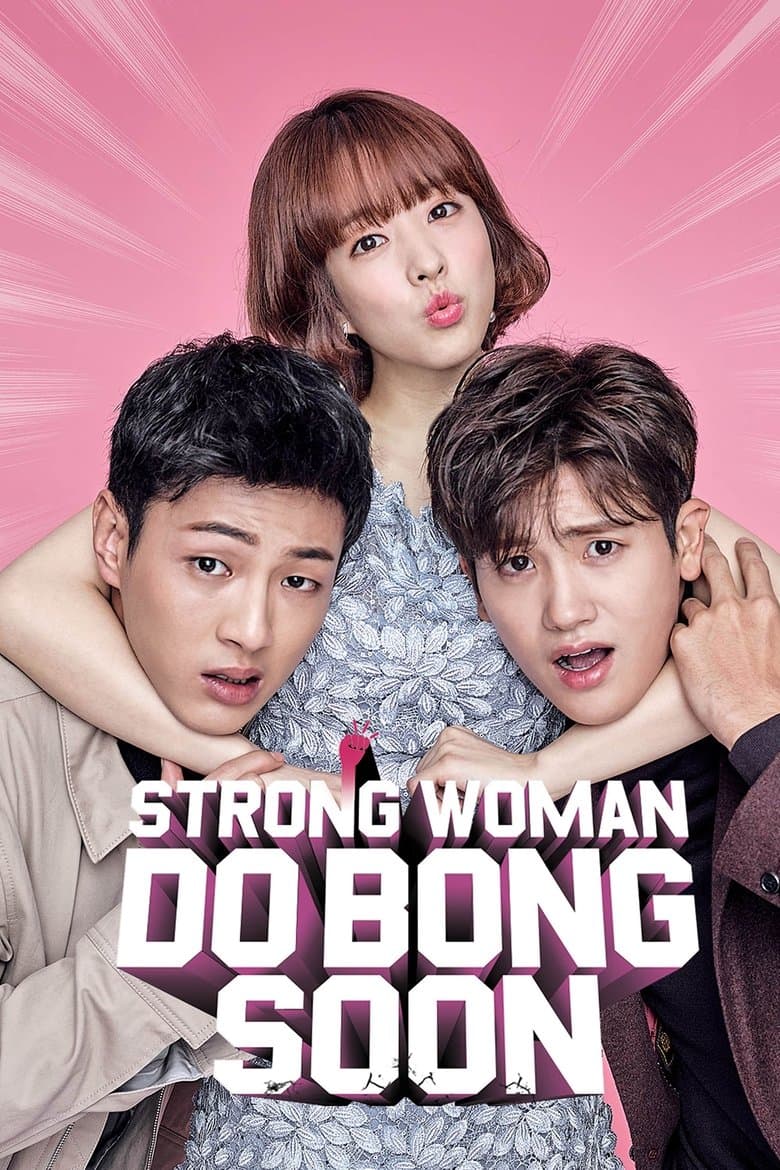
Started February 24, 2017 · Ended · Based on 1 season, 16 episodes through April 15, 2017 · TV-14 · 68 min · Korean
Do Bong-soon lives in modern Seoul and hides a family gift that gives her great physical strength. The gift passes only to the women in her family, and Bong-soon loses it if she uses it to hurt people for selfish reasons. She becomes the bodyguard of Ahn Min-hyuk, a playful game company chief who is being threatened, while police detective In Gook-du investigates a killer who kidnaps women nearby. The show mixes bright romance and silly comedy with a dark crime story.
Bong-soon starts by hiding her strength because she thinks men prefer soft and delicate women. She later treats her strength as a duty and uses it to stop gangs, protect victims, and face the kidnapper. The story repeatedly places a woman in the strongest action role while men need her help, wait for her choice, or become comic figures. A gay game team leader and repeated jokes about men being mistaken for gay add a smaller identity thread, but the main message centers on female power and gender roles.
Community feedback
Was our 70% Woke rating accurate?
Breakdown
These are the editorial factors and ratings behind our score for Strong Girl Bong-soon.
Woke representation / casting
Do Bong-soon is a Korean woman who becomes the main fighter and protector in nearly every major action part. The show gives the inherited strength only to women in her family. Bong-soon saves men and women while male characters often need her help or become comic figures. The title and promotion openly present this as a rare female-hero setup, so the gender choice is a clear identity statement.
64%
Woke political dialogue
Bong-soon tells a man to act like a proper man instead of watching a woman take action. Characters joke about who should protect whom and whether a man should make the first move. The dialogue returns to the idea that women can be stronger and more useful than men. These lines appear in several episodes, but they remain short and are often played for laughs.
33%
Identity-driven story themes
Bong-soon’s inherited female strength drives the main story and her personal growth. The show asks her to stop hiding power because she thinks men will dislike a strong woman. Bong-soon repeatedly beats male gang members, protects women, and takes the lead in the final fight. The romance and comedy soften the message, but female power and the breaking of gender roles stay central through the season.
68%
Western institutional / cultural critique
The show presents a neighborhood where women are kidnapped and a serial killer treats women as objects for his own plan. Male gang members, a sexist killer, and some police failures make male power look dangerous or foolish. Bong-soon and the women around her challenge the idea that men should be the only protectors. The story does not attack Christianity, capitalism, or Western institutions.
42%
Woke character or canon changes
Not relevant. The show is an original fantasy series, so it does not change an established character, canon, or real historical figure.
0%
Anti-woke backlash and complaints
Not present. No reliable right-leaning or anti-woke complaint was found about the show’s gender or queer content. Public debate focused on praise, ratings, romance, or criticism of its gay stereotypes.
0%
Creator track record context
Baek Mi-kyoung has a repeated record of stories led by women who resist male control, family rules, or unfair social limits. Her public profile connects this project to the idea of a female superhero. The directors and producers have no known public activist or DEI pattern. The writer’s clear connection to the show’s central gender message gives this factor a middle score.
50%
Production
TV Show · 2018
This Karate Kid sequel series picks up 30 years after the events of the 1984 All Valley Karate Tournament and finds Johnny Lawrence on the hunt for redemption by reopening the…
TV Show · 2016
A slightly unhinged former Navy SEAL lands a job as a police officer in Los Angeles where he's partnered with a veteran detective trying to keep maintain a low stress level in his…
TV Show · 2017
Go deep into the clandestine world of the legendary brotherhood of warrior monks known as The Knights Templar.
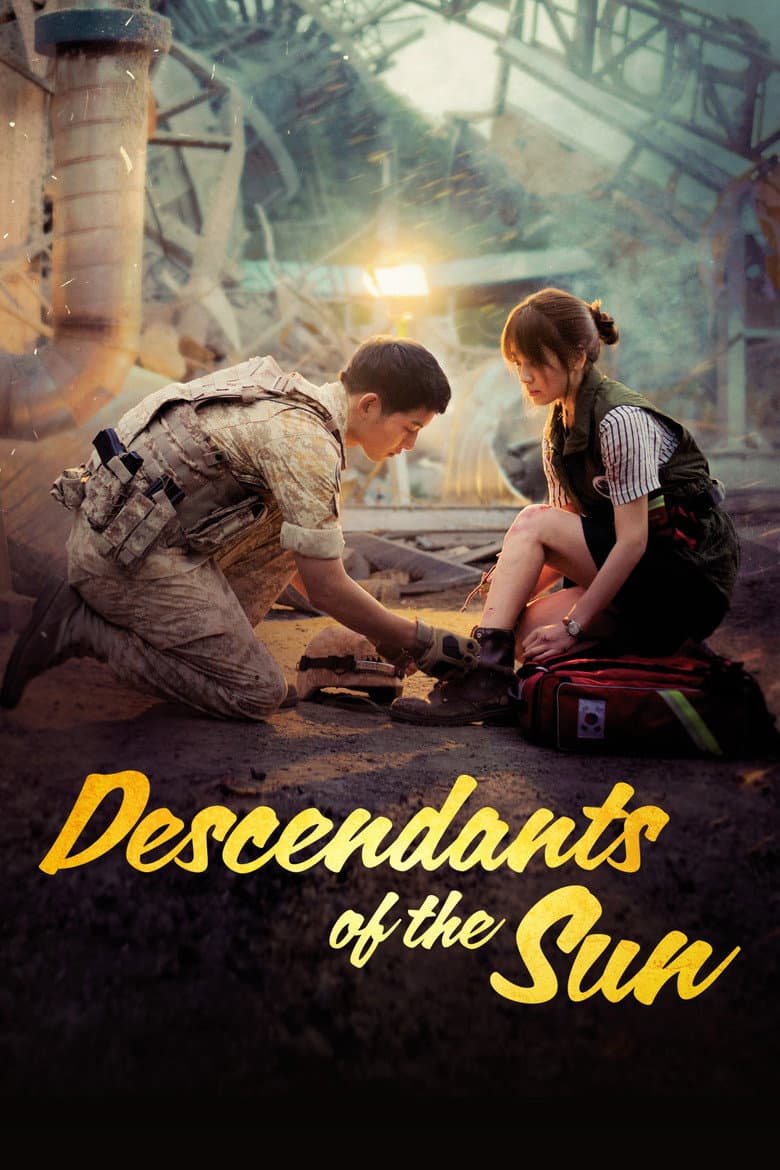
TV Show · 2016
After a chance meeting in a hospital, an ardent soldier falls for a gifted surgeon. Opposing philosophies tear them apart, but fate has other plans.
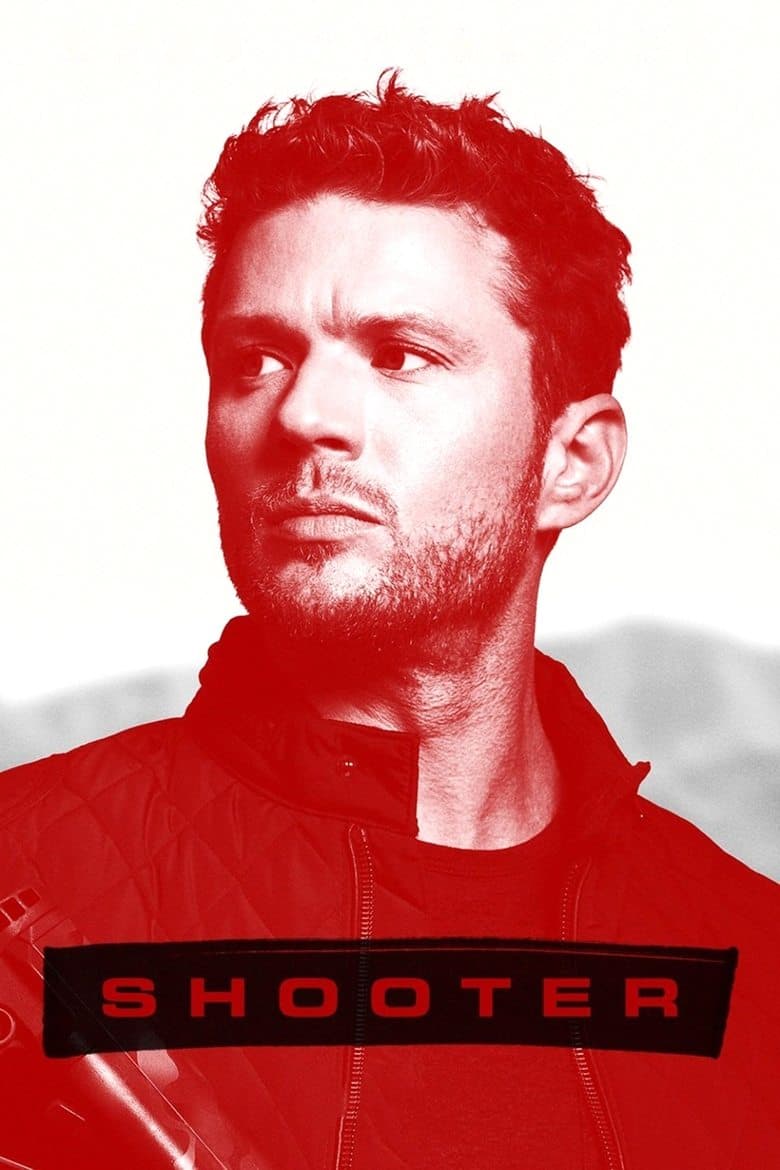
TV Show · 2016
Bob Lee Swagger is an expert marksman living in exile who is coaxed back into action after learning of a plot to kill the president.
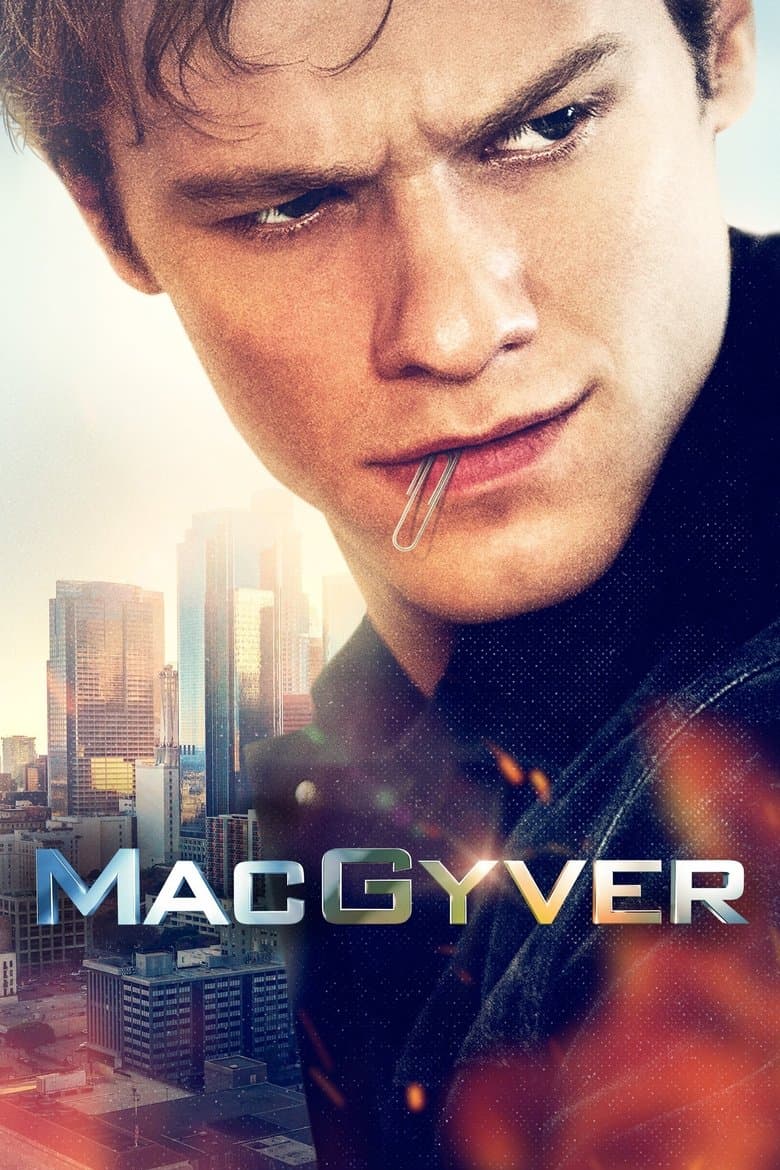
TV Show · 2016
20-something Angus MacGyver creates a clandestine organization where he uses his knack for solving problems in unconventional ways to help prevent disasters from happening.
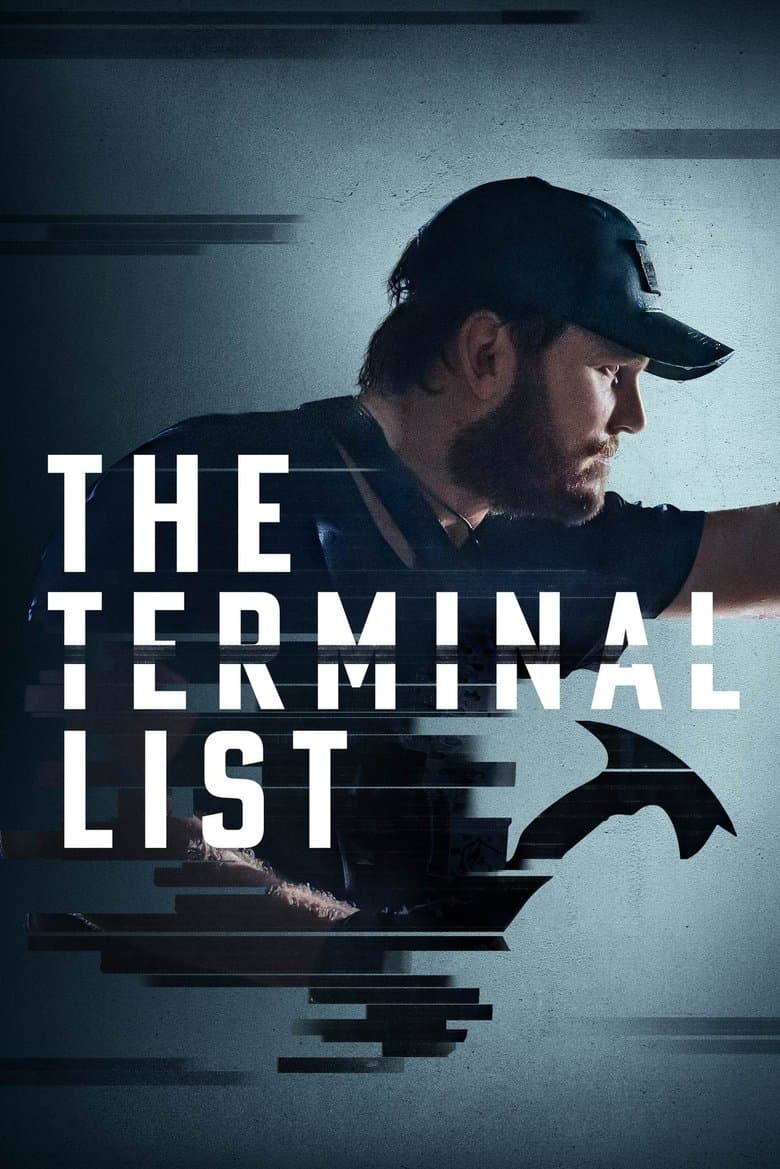
TV Show · 2022
Navy SEAL Commander James Reece turns to vengeance as he investigates the mysterious forces behind the murder of his entire platoon.
TV Show · 2020
James May embarks on a remarkable journey across Japan, from its icy north to its balmy south. He’ll see the sights, meet the locals, and eat the noodles in a bid to truly…
