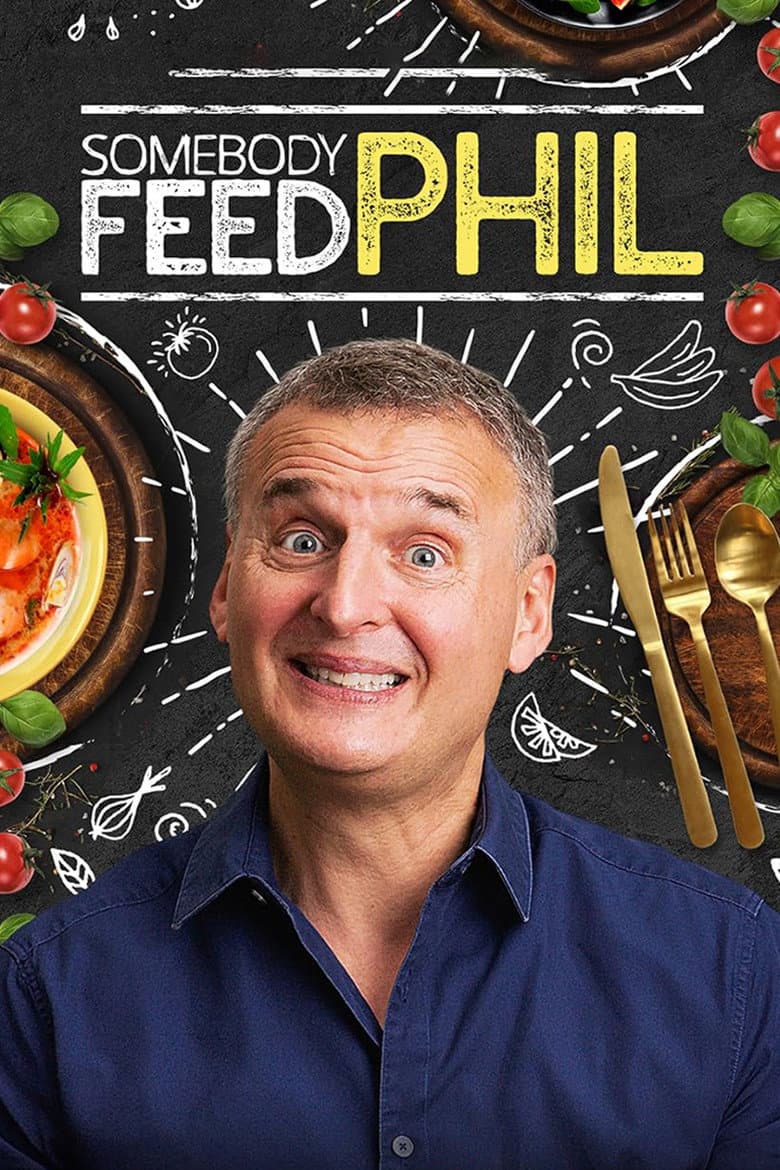
Started January 12, 2018 · Returning Series · Based on 8 seasons, 49 episodes through June 18, 2025 · TV-14
Phil Rosenthal hosts a warm travel and food series in which he visits cities and countries such as Bangkok, Mexico City, Cape Town, Mumbai, Washington, Amsterdam, Manila, and Guatemala. Phil tries local dishes, meets cooks and residents, and sometimes shares meals with friends or family. He usually faces fears about strange foods, heights, animals, or unfamiliar customs with jokes and nervous curiosity. The show focuses on shared meals, family ties, local pride, and the pleasure of meeting people.
The show often presents food as a way for strangers and people from different cultures to become friends. Episodes feature immigrant communities, native American history, deaf or disabled business owners, refugees, and other minority communities. Season 7 adds messages about immigration, diversity, and political cooperation through a meal between a Republican and a Democrat. Season 8 includes refugees in Amsterdam, a cafe staffed by people with Down syndrome, a native chef in New England, and an Aboriginal vineyard visit in Australia. These moments are visible but remain part of a light travel format instead of becoming a continuing political story.
Community feedback
Was our 47% Woke rating accurate?
Breakdown
These are the editorial factors and ratings behind our score for Somebody Feed Phil.
Woke representation / casting
The show repeatedly gives featured screen time to immigrants, refugees, native communities, deaf business owners, and people with Down syndrome. Season 7 and Season 8 make these identity-linked guests important stops instead of keeping them in the background. Their inclusion usually follows the local food story, so it does not look like a made-up ensemble or a hero-role swap. This creates a mild but recurring signal of representation.
26%
Woke political dialogue
Phil often says food helps strangers become friends and urges viewers to keep an open mind. Season 7 directly says immigrants make American communities better and praises diversity and learning from other cultures. The Washington episode turns a meal between a Republican and Pete Buttigieg into a lesson about working across parties. Season 8 adds a clear welcome-to-refugees message in Amsterdam, but these lines remain short and do not fill most episodes.
38%
Identity-driven story themes
The show repeatedly presents cultural exchange and shared humanity as moral lessons. Phil presents immigrant communities, refugees, native people, and other local groups as sources of food, friendship, and social value. Season 7 gives this theme more weight through its immigrant message and its planned bipartisan meal. Season 8 continues the theme through Amsterdam, Boston, Australia, and Guatemala, but food and travel remain the main subjects.
34%
Western institutional / cultural critique
Season 2's Cape Town episode discusses apartheid's legacy and the problem of Black unemployment. Season 7 connects American political division to the need for conversation across parties, and Season 8 briefly covers refugee, Native, and disability stories. These moments provide social history and mild criticism of unfair conditions. The show does not repeatedly attack capitalism, religion, family life, or traditional gender roles.
12%
Woke character or canon changes
Not relevant. The show is an unscripted travel series. It does not rewrite established characters, source material, or real historical figures.
0%
Anti-woke backlash and complaints
A 2024 Reddit discussion includes viewers calling the show fully woke and objecting to immigration talk, charity appeals, and the political tone of Season 7. Other commenters in the same discussion call the show kind, safe, and mostly about food. Mainstream Season 8 coverage gives a mixed review and notes the refugee and disability scenes, but no large anti-woke campaign or major scandal appears. The anti-woke response is real but limited and mostly online.
28%
Creator track record context
Phil Rosenthal has a generally liberal and civic-minded record that includes charity, cultural exchange, immigration, and efforts to bridge partisan divides. His record does not show strong activist campaigning around race, gender, sexuality, or DEI. Phil is the creator and host, so his context is the main creator signal. Ryan Biegel has no clear activist persona in the supplied context.
42%
Production

TV Show · 2019
Using highly advanced colourisation techniques, critical moments from World War II, from Stalingrad to The Battle of Britain, are shown in a whole new light.

TV Show · 2020
A fly-on-the-wall inside look at the goings-on of Tottenham Hotspur during the 2019-20 football season.

TV Show · 2023
Through vividly enhanced archival footage and voices from all sides of the conflict, this docuseries brings WWII to life like never before.
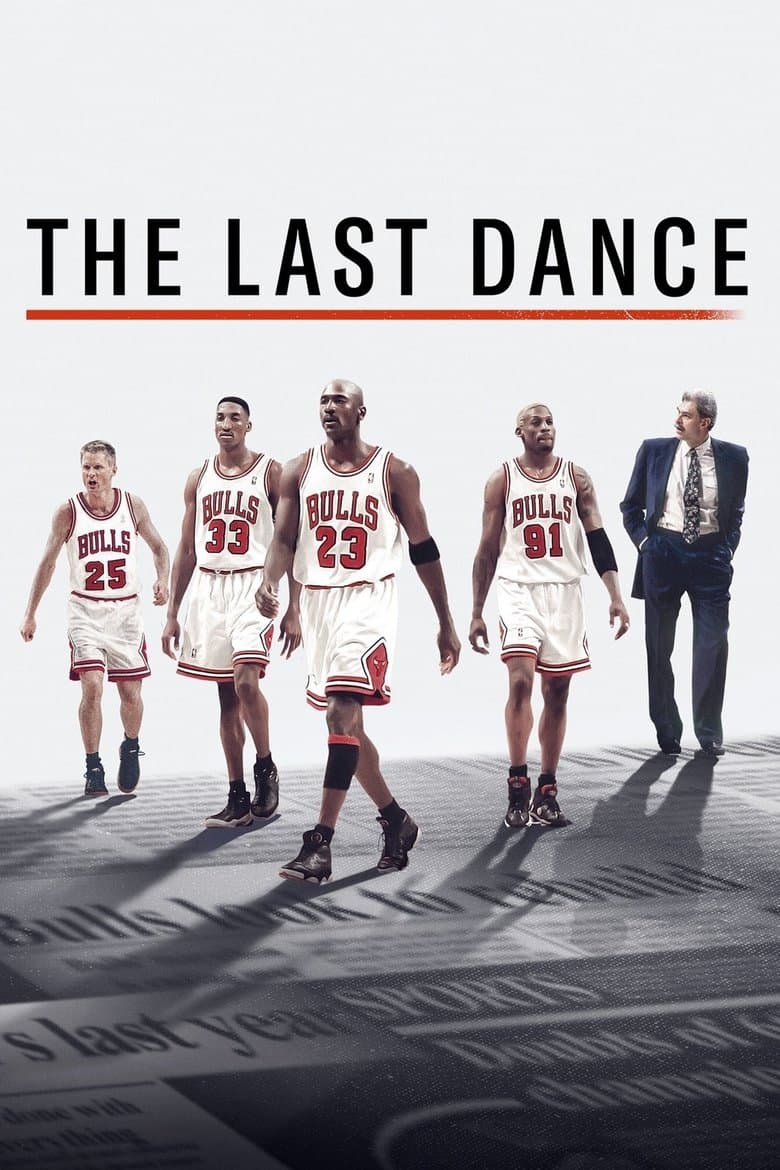
TV Show · 2020
A 10-part documentary chronicling the untold story of Michael Jordan and the Chicago Bulls dynasty with rare, never-before-seen footage and sound from the 1997-98 championship…

TV Show · 2022
When a 20-year-old attempts to win a fighter jet in a Pepsi sweepstakes, he sets the stage for a David versus Goliath court battle for the history books.
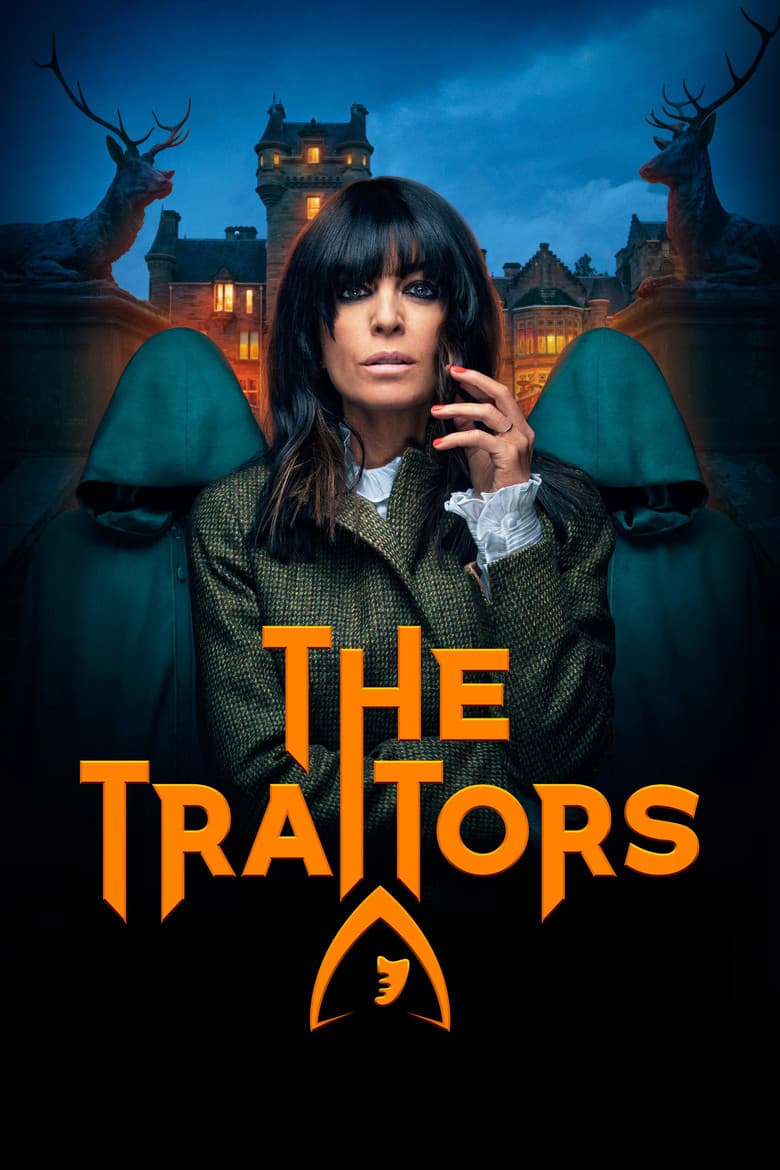
TV Show · 2022
Strangers play the ultimate game of detection, backstabbing and trust in the hope of winning up to £120,000. But hidden amongst the players are three Traitors, who secretly…
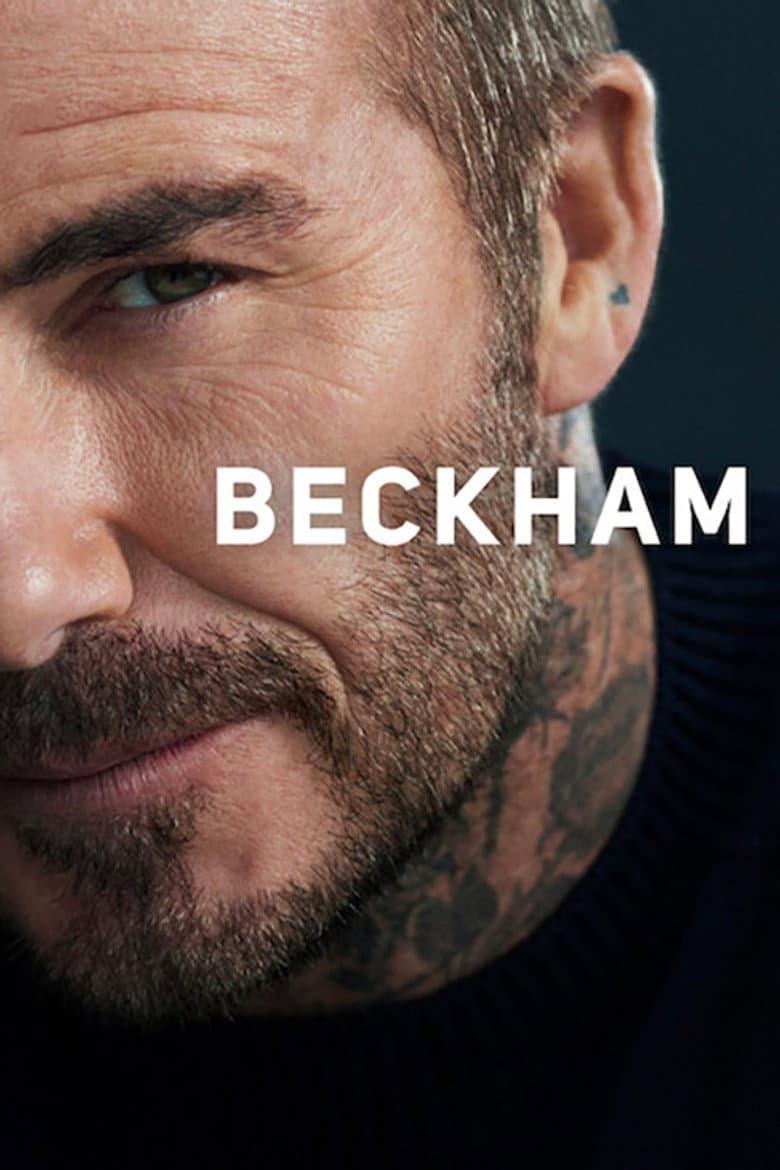
TV Show · 2023
With never-before-seen footage, this docuseries follows David Beckham's meteoric rise from humble beginnings to global football stardom.
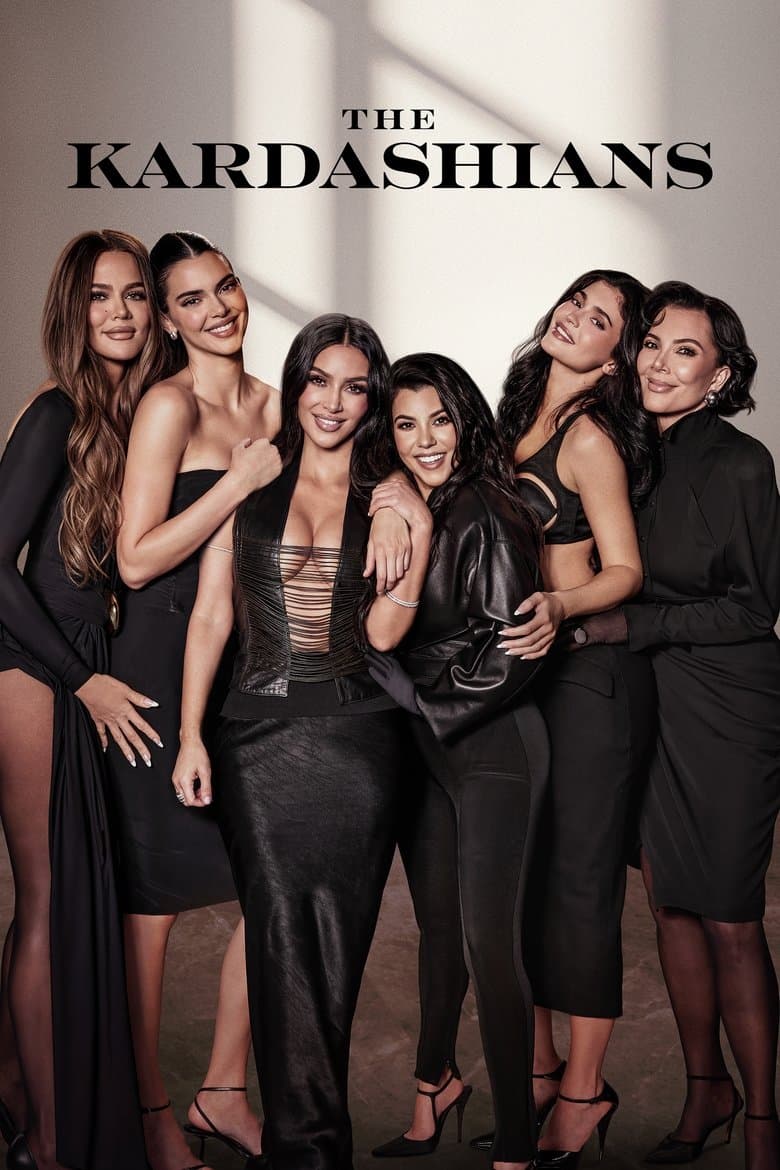
TV Show · 2022
The family you know and love is here with a brand new series, giving an all-access pass into their lives. Kris, Kourtney, Kim, Khloé, Kendall, and Kylie bring the cameras back to…
