Started November 29, 2022 · Returning Series · Based on 4 seasons, 48 episodes through January 23, 2026 · TV-MA
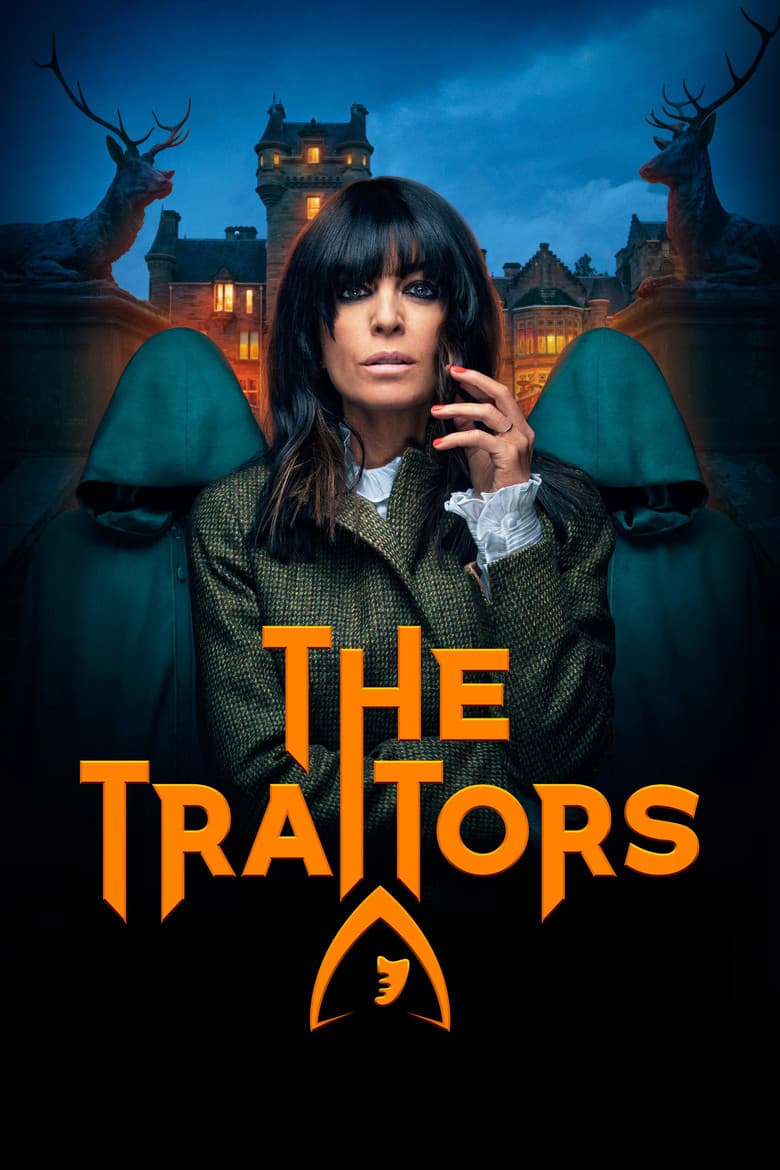
Claudia Winkleman hosts a group of strangers who live together in a Scottish castle and play a secret-role game. Most players are Faithfuls, but hidden Traitors choose people to remove while the Faithfuls vote to banish suspects. Missions build a shared prize pot, and the last players decide whether to end the game or keep searching. The mood moves from warm jokes and friendship to fear, lies, anger, and sharp betrayal. The later seasons add tougher twists, and the fourth season adds a Secret Traitor who controls the murder choices. Identity content stays inside contestant stories rather than the main game. The show includes openly gay and queer contestants, including Theo and Andrea in season one, Leanne in season three, and Stephen and Matthew in season four. Theo and Andrea discuss acceptance, while Stephen connects his queer past with the need to hide parts of himself. Matthew talks about his same-sex wedding, and the show presents Stephen as a successful Traitor. These moments recur across the run, but the main themes remain trust, social judgment, money, teamwork, and betrayal.
Community feedback
Was our 30% Woke rating accurate?
Breakdown
These are the editorial factors and ratings behind our score for The Traitors.
Woke representation / casting
The show repeatedly casts a visibly mixed group of contestants. The four UK seasons include people from several ethnic backgrounds, openly gay or queer players, and contestants with disabilities or visible differences, such as Nicky’s limb difference and Meryl’s dwarfism. Series 4 had six people of colour among 22 players and two openly queer men. The pattern is noticeable, but the cast broadly fits a modern UK group and the players are not written as identity heroes.
28%
Woke political dialogue
Series 1 includes Theo’s dinner speech about accepting people for who they are. Series 3 includes a contestant saying he wanted to be the first Black prime minister. Series 4 includes Stephen’s comments about hiding his queer identity and Matthew’s talk about a same-sex wedding. These are short personal lines rather than recurring political debates, while most dialogue concerns the game.
28%
Identity-driven story themes
The show sometimes turns identity into part of the game story. Series 1 gives emotional scenes to gay and lesbian contestants who discuss acceptance and their pasts. Series 3 presents three women as the original Traitors and has Leanne explain that a pink, girly image can hide her soldier background. Series 4 makes Stephen’s queer past part of his stated reason for being good at hiding in plain sight. These ideas recur in short scenes, but the season plots remain about the game rather than identity politics.
32%
Western institutional / cultural critique
Claudia briefly jokes that the all-male Traitor group keeping women out of the tower is “like the olden days.” The joke points at a traditional gender pattern, but it is a short comment about the game. The show does not build a continuing attack on men, families, religion, capitalism, or Western institutions.
12%
Woke character or canon changes
Not relevant. The series is an original reality competition and has no established characters or historical figures to recast.
0%
Anti-woke backlash and complaints
Not present. No sustained anti-woke backlash was found. A few isolated comments used DEI language, while other complaints focused on suspected scripting or racial bias rather than the show pushing identity politics. The X search found no anti-woke complaints or not-woke defense campaign.
0%
Creator track record context
The director and most producers have long mainstream reality-TV careers without a public activist or DEI profile. Writer Lee Gant has said he likes writing for women and has developed a female-led story. That gives the team a small representation-aware signal. The wider record does not show a strong identity-driven pattern.
8%
Production
