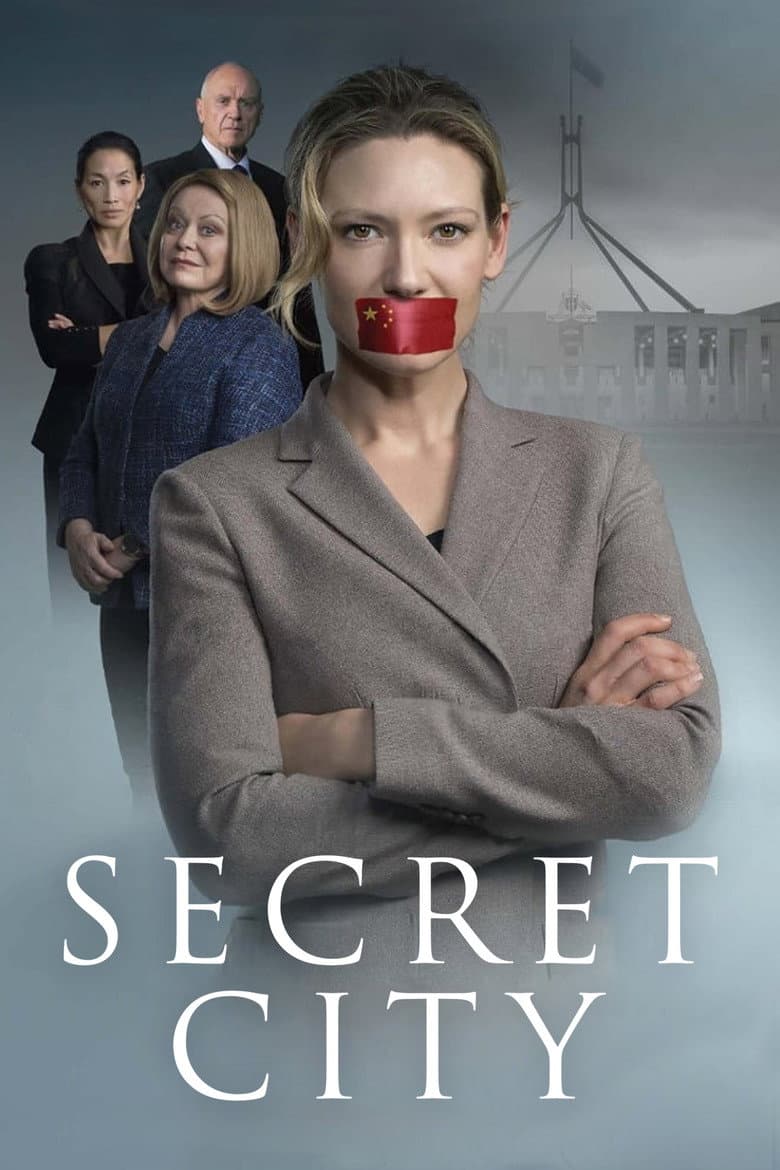
Started June 5, 2016 · Ended · Based on 2 seasons, 12 episodes through April 8, 2019 · TV-MA · 60 min
Secret City follows Harriet Dunkley, a sharp political journalist in Canberra, the quiet capital of Australia. Harriet finds a dead young man and follows clues that reach into the government, intelligence agencies, and foreign powers. Season 1 centers on tension between Australia, China, and the United States, while season 2 follows a military cover-up after Harriet leaves prison. The show has a dark thriller tone with murder, spying, threats, and secret deals.
The show gives clear space to women in powerful jobs, including a lead journalist, a senior law minister, an independent MP, and a military drone pilot. Season 1 also includes Kim Gordon, a transgender intelligence analyst whose past with Harriet is part of the story. Season 2 adds Mina Al Masi, a Middle Eastern refugee whose family was killed in a hidden military action, and it asks viewers to distrust secret defense programs and civilian-killing drone missions. These elements are visible and sometimes sympathetic, but the main story remains a spy thriller about state power rather than a story built around identity politics.
Community feedback
Was our 44% Woke rating accurate?
Breakdown
These are the editorial factors and ratings behind our score for Secret City.
Woke representation / casting
The series puts Harriet at the center and gives senior power roles to Attorney-General Catriona Bailey, independent MP Karen Koutoufides, and drone pilot Cal Treloar. Season 1 also gives a major intelligence role to Kim Gordon, a transgender woman, while season 2 gives a continuing role to Mina Al Masi, a Middle Eastern refugee. A 2019 interview called the second season female-driven in cast and story. The setting makes the roles possible, and no clear diversity-first campaign or historical casting mismatch was found.
31%
Woke political dialogue
Season 2 includes direct speeches about secret drone strikes, civilian deaths, and the military-industrial complex. Caroline calls her attack a protest against black-ops killings in Pakistan, and the ending returns to Eisenhower's warning about defense power. These ideas run through the season's main cover-up plot. The dialogue is anti-war and anti-secret-government more than it is about race, gender, or queer politics.
27%
Identity-driven story themes
Season 1 gives Kim Gordon, a transgender intelligence analyst, a personal history tied to Harriet and a few scenes about how others treat her. Season 2 gives Mina Al Masi, a Middle Eastern refugee, a continuing story about her family's death and a hidden government action in Iraq. The show treats both women with sympathy and links their stories to state power. These themes shape side plots, but identity is not the main subject of either season.
27%
Western institutional / cultural critique
Season 1 repeatedly shows intelligence agencies, ministers, and the Safer Australia law hiding crimes and limiting the press. Season 2 makes the Pale Horse drone program, defense contractors, and secret war planning the main source of danger. The story shows civilian deaths, false terrorism claims, surveillance, and leaders acting without public control. The criticism is strong across the two seasons, but it targets state and military power rather than family life, religion, or all Western culture.
40%
Woke character or canon changes
Not relevant. The books use a male journalist named Harry Dunkley, while the show uses Harriet Dunkley. The creators described the change as a way to make a more interesting journalist, and no clear activist or identity campaign was tied to it.
0%
Anti-woke backlash and complaints
NewsBusters criticized season 2 for making American defense power and the military-industrial complex the main villains. The article objected to the civilian deaths in Pakistan, the protest speech, and the show's moral framing. The complaint came from one right-leaning outlet, and the supplied X search found no matching backlash.
18%
Creator track record context
Steve Lewis and Chris Uhlmann have no clear activist record. Matt Cameron and Belinda Chayko have worked on dramas about refugees and social exclusion. Joanna Werner has backed gender equality and produced Riot, while other listed directors and producers have mixed social themes. The team gives a mild to moderate creator track record signal, not a strong activist persona.
27%
Production
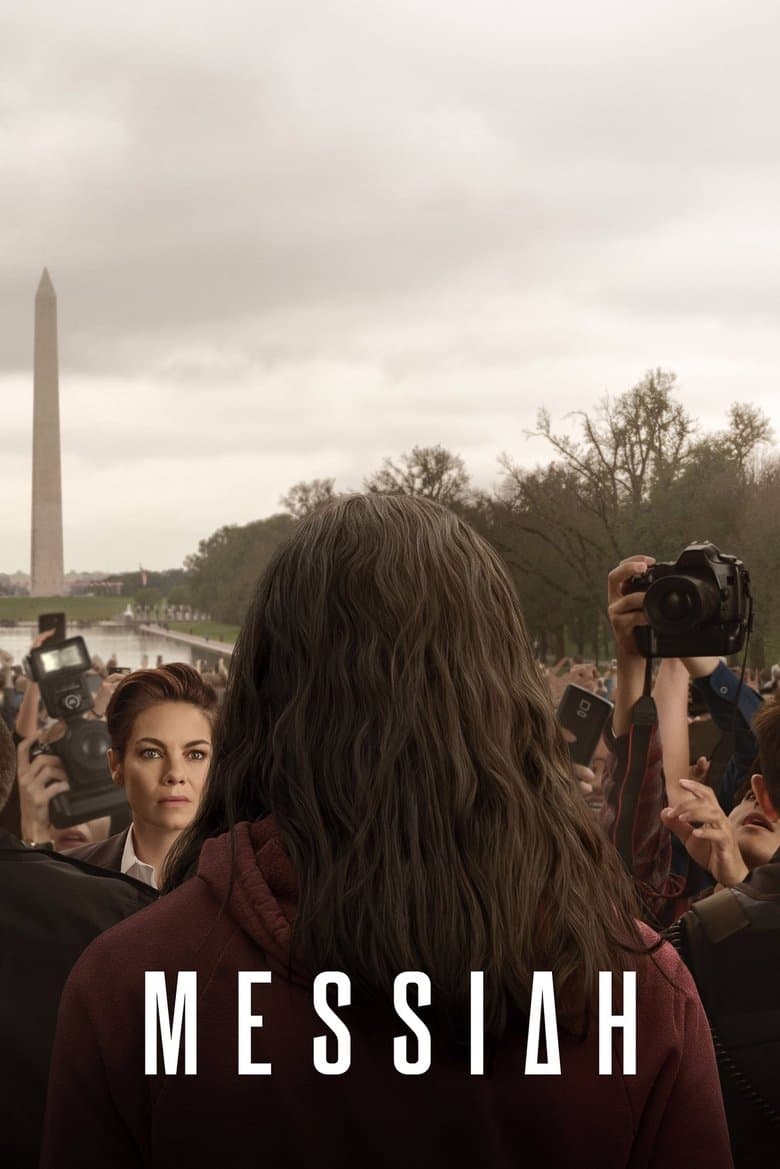
TV Show · 2020
A wary CIA officer investigates a charismatic man who sparks a spiritual movement and stirs political unrest. Who exactly is he? And what does he want?
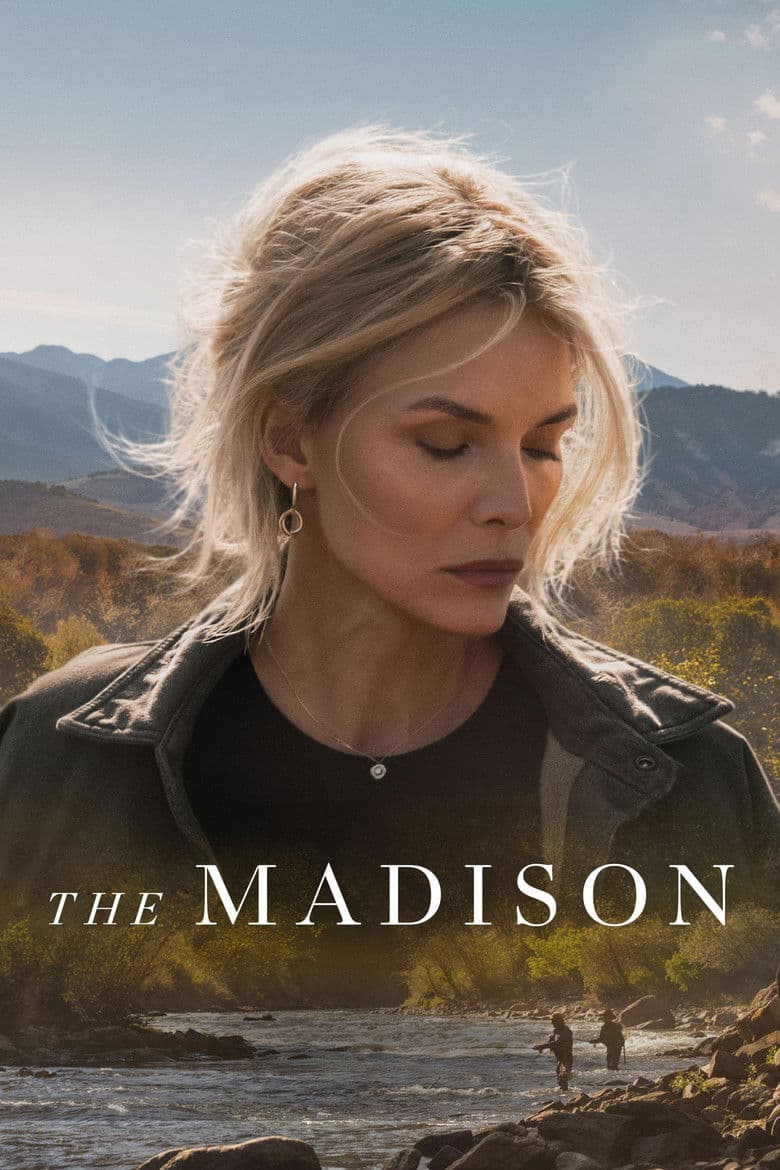
TV Show · 2026
The Clyburns uproot their comfortable New York City lives to the wild, untamed beauty of Montana's Madison River Valley on a search for connection.
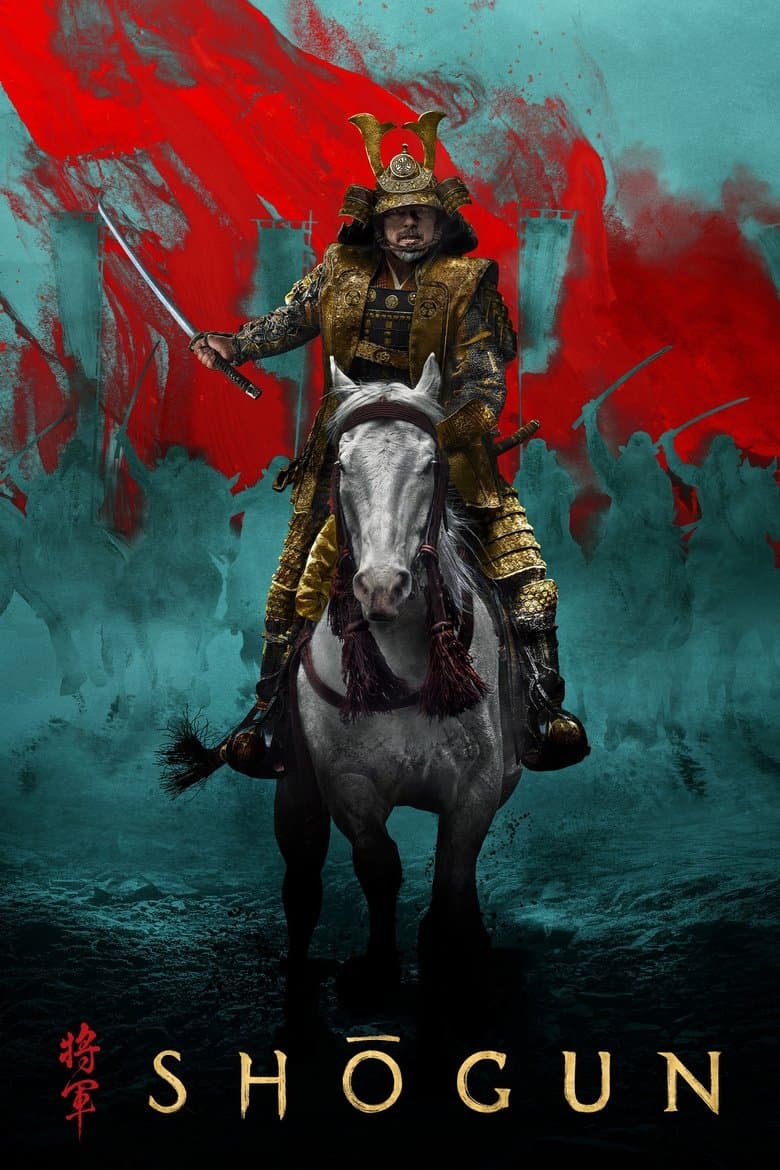
TV Show · 2024
In Japan in the year 1600, at the dawn of a century-defining civil war, Lord Yoshii Toranaga is fighting for his life as his enemies on the Council of Regents unite against him…
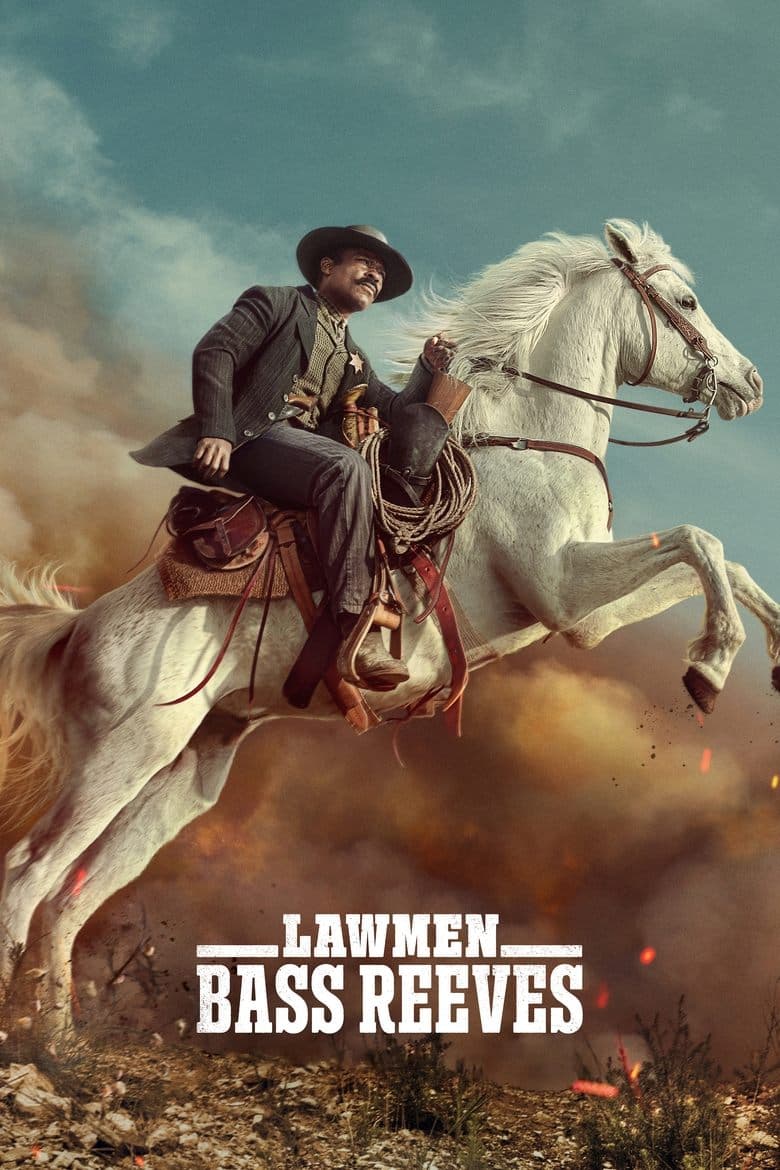
TV Show · 2023
The story of Bass Reeves, the legendary lawman of the wild West, is brought to life. Reeves worked in the post-Reconstruction era as a federal peace officer in the Indian…
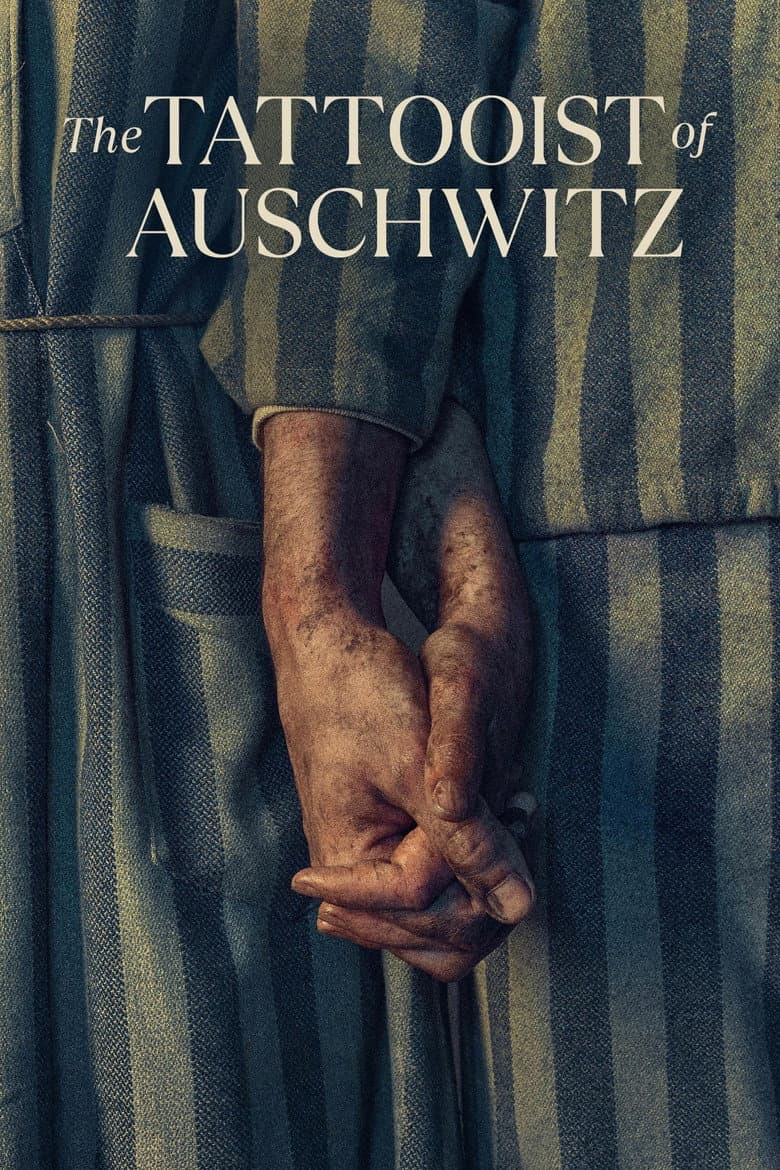
TV Show · 2024
The powerful real-life story of Lali Sokolov, a Jewish prisoner who was tasked with tattooing ID numbers on prisoners' arms in the Auschwitz-Birkenau concentration camp during…

TV Show · 2024
Fascinated by cars since childhood, Brazilian racer Ayrton Senna became a sports legend — until tragedy struck, changing Formula 1 forever.
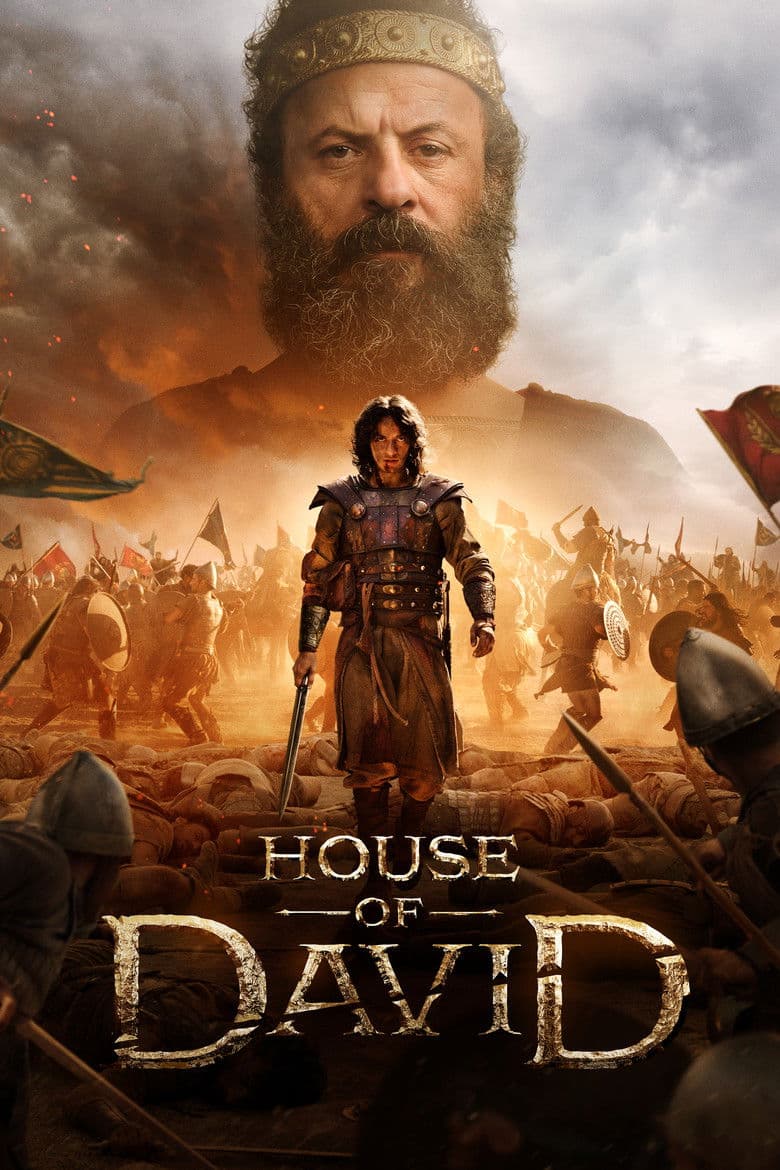
TV Show · 2025
Tells the story of the ascent of the biblical figure, David, who becomes the most celebrated king of Israel. The series follows the once-mighty King Saul as he falls victim to his…
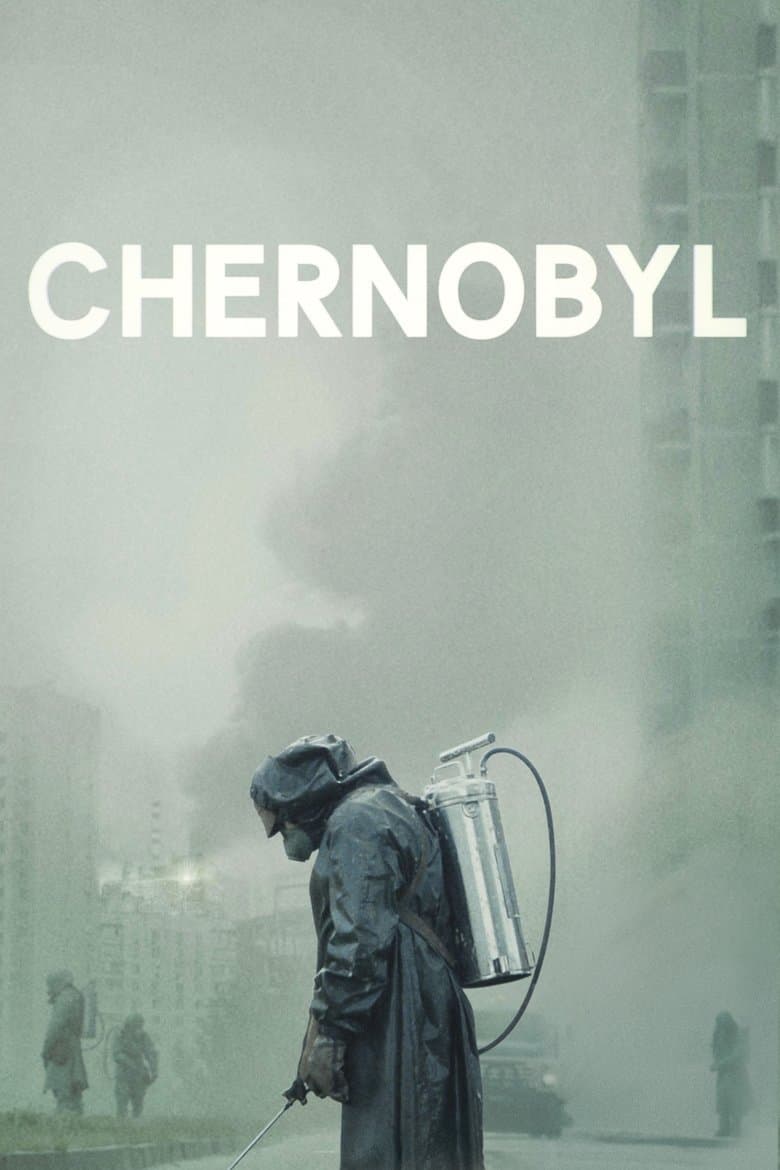
TV Show · 2019
The true story of one of the worst man-made catastrophes in history: the catastrophic nuclear accident at Chernobyl.
