
Started September 12, 2021 · Ended · Based on 1 season, 5 episodes through October 10, 2021 · TV-MA · 60 min
Scenes from a Marriage follows Mira and Jonathan, a married couple living near Boston with their young daughter, Ava. Mira is a busy tech leader, while Jonathan teaches philosophy and does more of the daily child care. Their calm public image breaks after Mira admits that she is unhappy, has fallen for another man, and wants to leave. The five episodes move through pregnancy, abortion, separation, divorce, new partners, and later meetings between the former spouses. The tone is slow, tense, sad, and very focused on long talks and private pain.
The show puts modern gender roles at the center of the marriage. Mira earns more money, chooses an abortion, starts the affair, and leaves the family, while Jonathan is the softer parent who stays home more. A research student studies marriages where women provide the money, and the friends discuss open marriage, desire, and personal freedom. The story does not treat Mira as a simple hero, but it clearly asks viewers to rethink old ideas about wives, husbands, motherhood, one-partner marriage, and female independence.
Community feedback
Was our 66% Woke rating accurate?
Breakdown
These are the editorial factors and ratings behind our score for Scenes from a Marriage.
Woke representation / casting
Mira is the main earner and a high-level tech leader. Jonathan is the main caregiver and works from home. The show and its interviews highlight this gender reversal as a modern update, so the lead casting carries a clear but limited representation signal.
30%
Woke political dialogue
Episode 1 has a PhD study about changing gender norms and marriage. Jonathan calls himself a Democrat, says capitalism harms marriage, and criticizes Western consumer culture and the marriage-help business. The friends also debate open marriage and the limits of one-partner marriage. Later episodes focus on the breakup, so political talk is visible but mostly limited to the opening episode.
29%
Identity-driven story themes
The series repeatedly tests modern gender roles through Mira's high-level job, Jonathan's caregiving, her abortion, and her decision to leave. Mira also leaves her child for a lover, so the show treats female freedom as painful and selfish as well as liberating. The friends' open marriage adds talk about desire, self-fulfillment, and nontraditional relationships. The story keeps its attention on a troubled couple, so these themes are important but not the only subject.
52%
Western institutional / cultural critique
Episode 1 criticizes the marriage-help business and says Western consumer culture creates false ideas about passion and marriage. The friends question one-partner marriage and present their open arrangement as a search for freedom, even while showing its damage. Later episodes focus on personal choices instead of building a wider attack on religion, capitalism, or Western institutions.
26%
Woke character or canon changes
The remake reverses the original's central gender roles. Mira becomes the breadwinner, wants the abortion, starts the affair, and leaves the marriage, while Jonathan becomes the softer parent who stays home more. Levi said the change came from rejecting a chauvinist husband and a dependent woman in the original, and he called it a modernizing gender study. The reversal shapes the plot of all five episodes.
82%
Anti-woke backlash and complaints
One small review blamed the rewrite on the excesses of modern liberated society and objected to its gender reversal. Major reviews and audience threads mostly discussed the acting, the opening set device, the sex, abortion, and the couple's behavior. The anti-woke backlash was limited and fringe.
8%
Creator track record context
Hagai Levi's past work covers racism, religious extremism, and political incitement, giving him a moderate creator context. Amy Herzog often writes about women, family, sexuality, and identity, while Michael Ellenberg backs several progressive social-issue shows. Ingmar Bergman and the other listed producers have lower or mixed records, so the overall creator context is moderate.
42%
Production
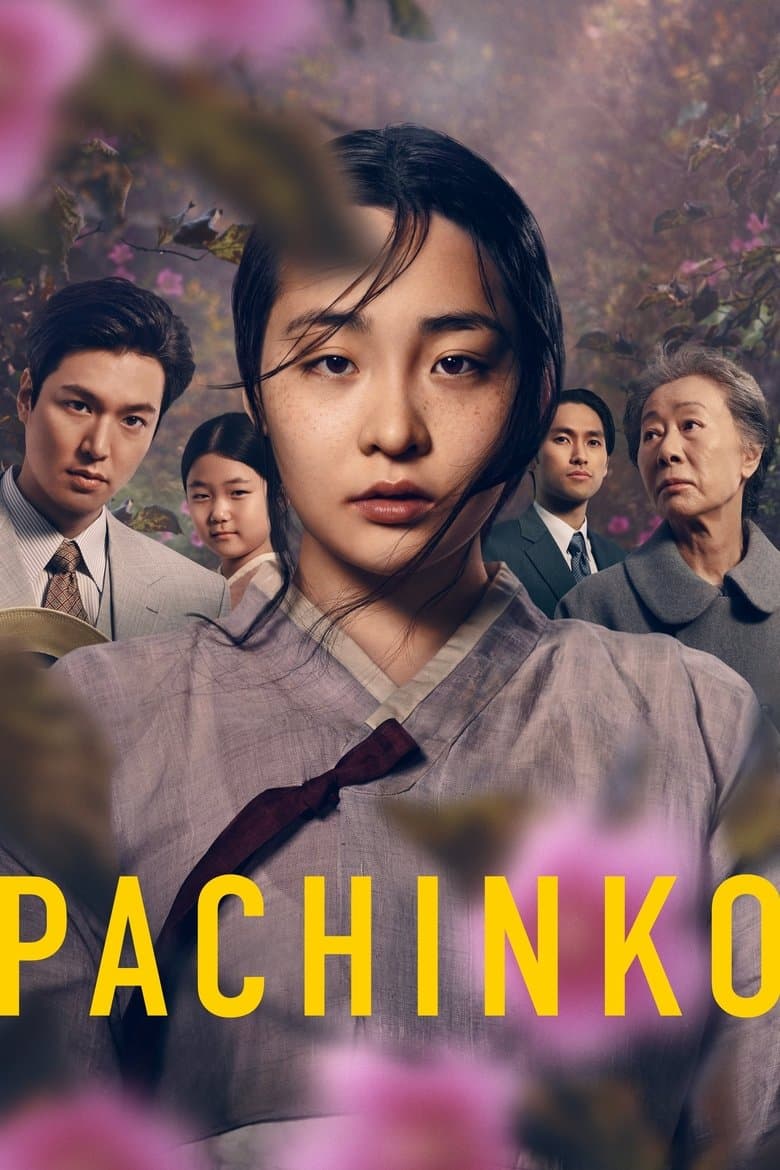
TV Show · 2022
This sweeping saga chronicles the hopes and dreams of a Korean immigrant family across four generations as they leave their homeland in an indomitable quest to survive and thrive.
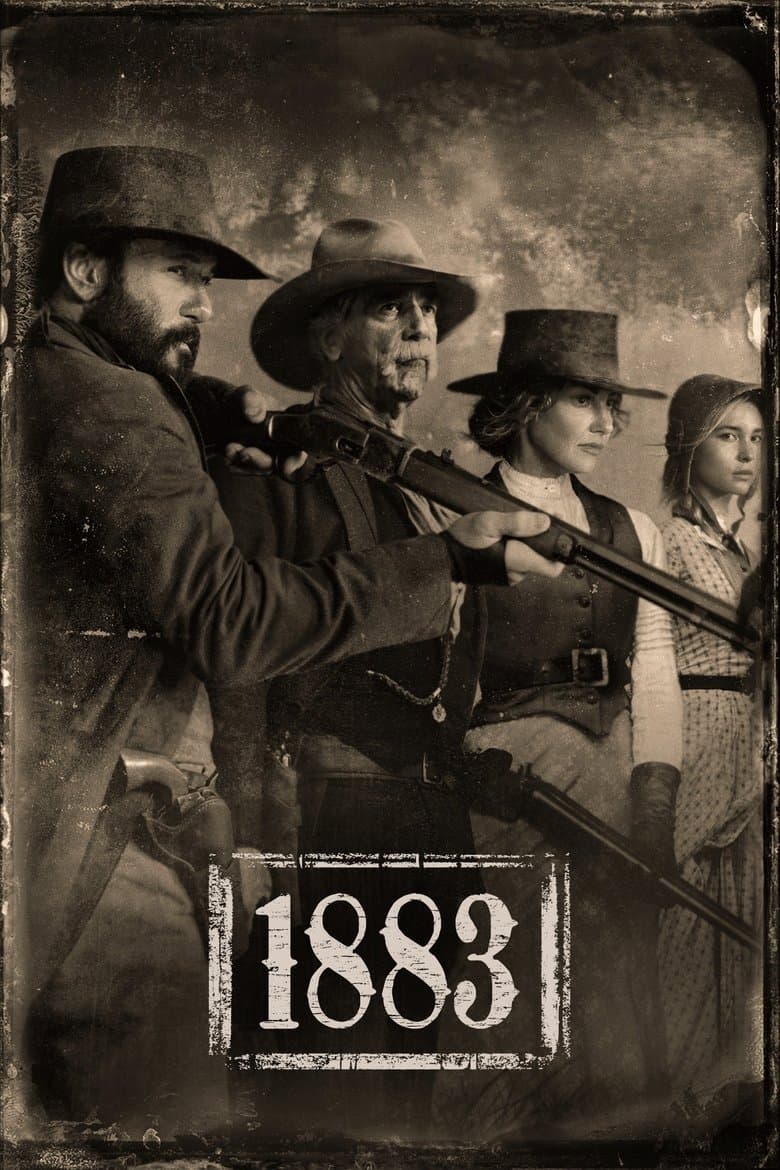
TV Show · 2021
Follow the Dutton family as they embark on a journey west through the Great Plains toward the last bastion of untamed America.
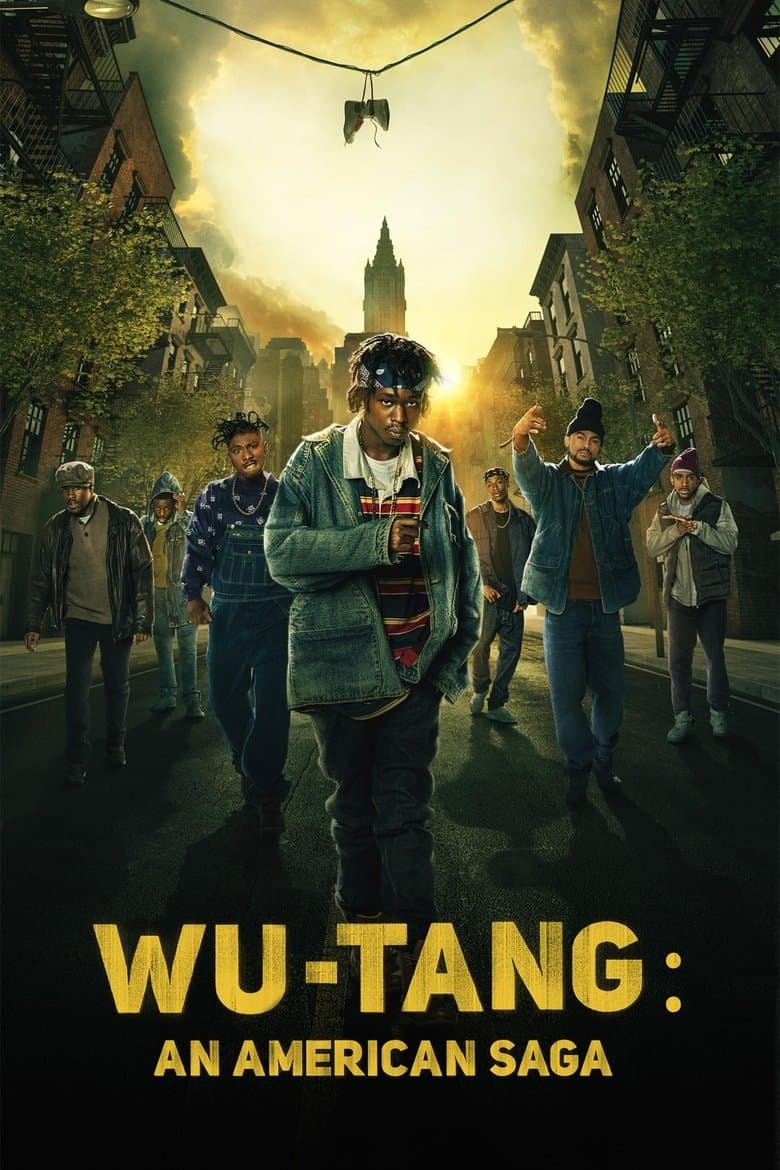
TV Show · 2019
In the early 1990s in New York, during the height of the crack cocaine epidemic, a visionary musician named Bobby Diggs aka The RZA begins to form a super group of a dozen young…
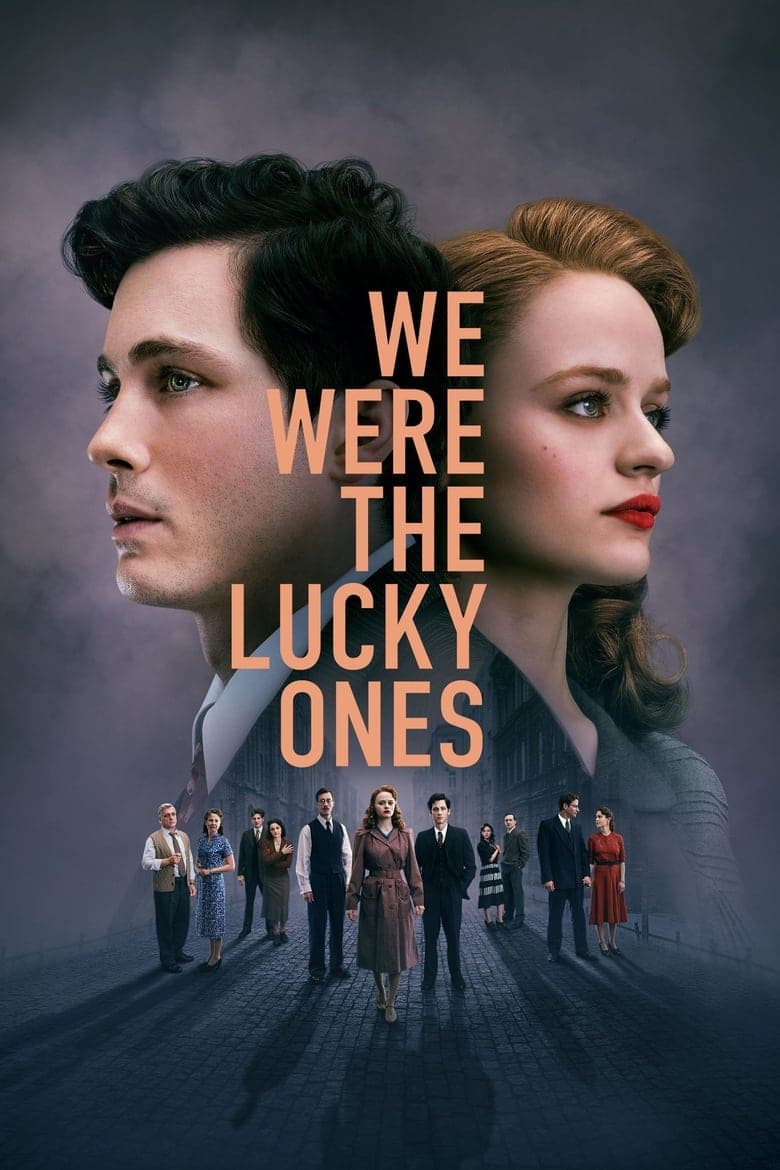
TV Show · 2024
The true story of one Jewish family separated at the start of World War II, determined to survive—and to reunite.
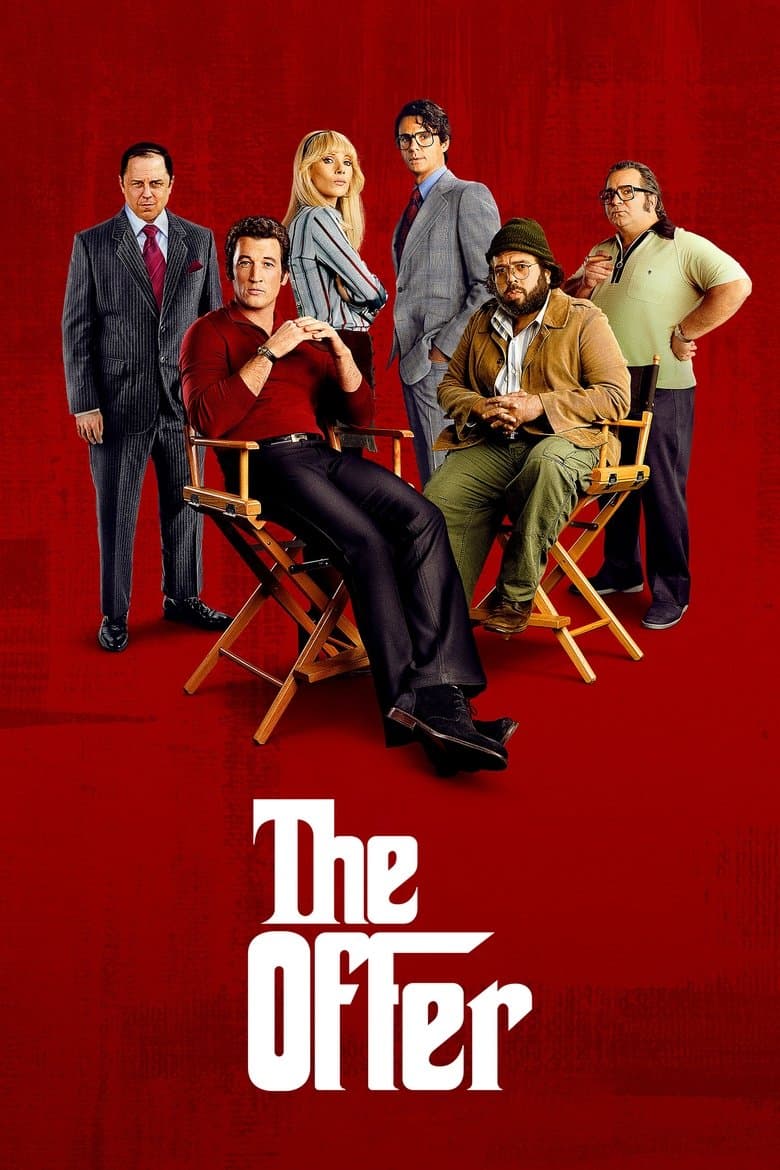
TV Show · 2022
Oscar-winning producer Al Ruddy’s never before revealed experiences of making the iconic 1972 film The Godfather that Francis Ford Coppola directed and adapted with Mario Puzo.
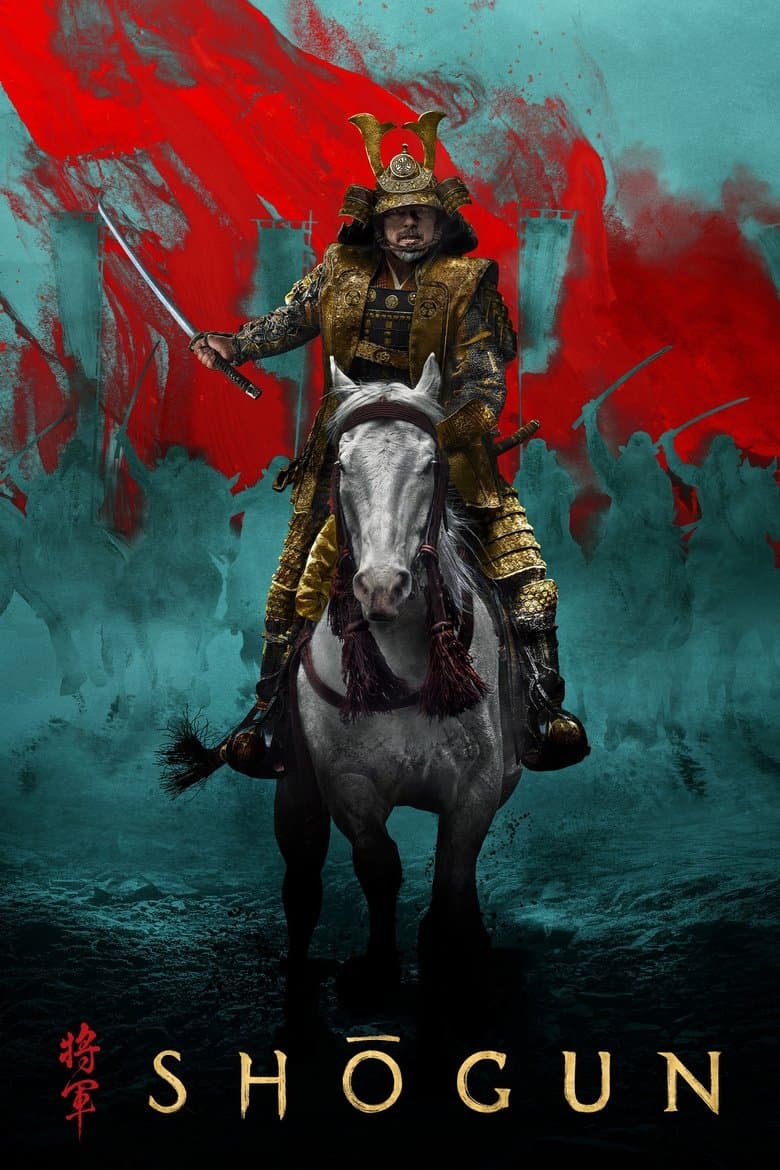
TV Show · 2024
In Japan in the year 1600, at the dawn of a century-defining civil war, Lord Yoshii Toranaga is fighting for his life as his enemies on the Council of Regents unite against him…
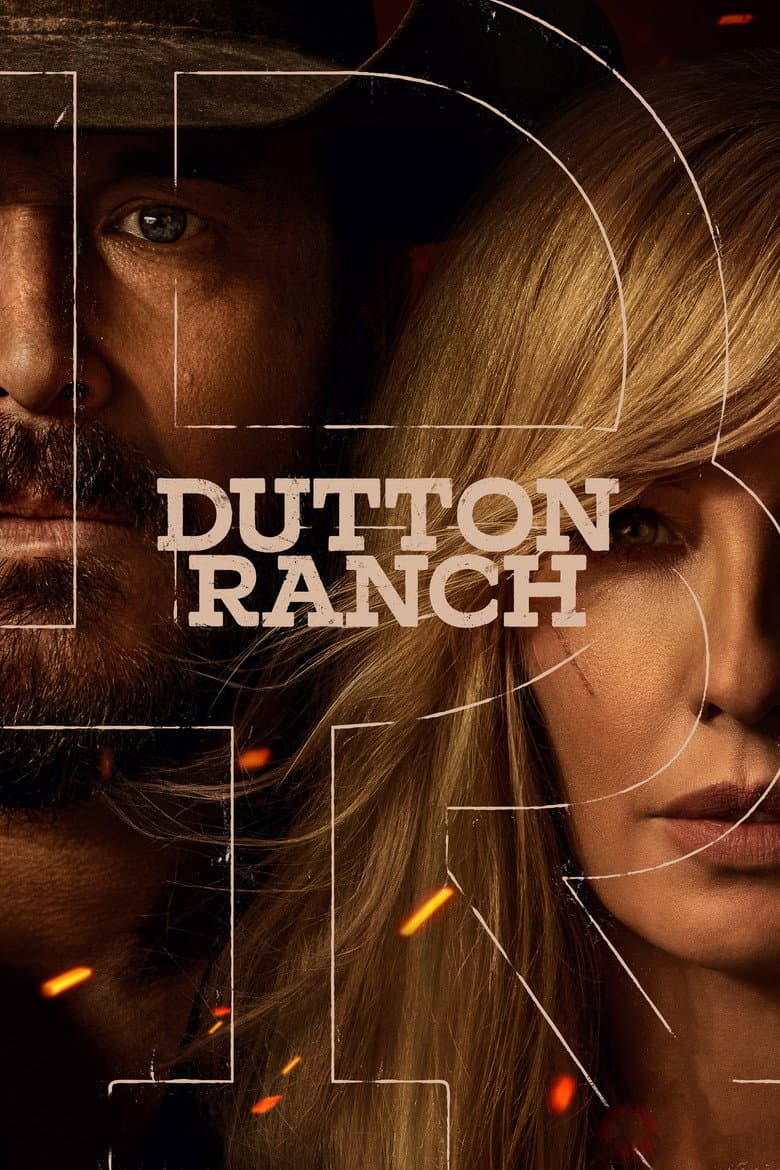
TV Show · 2026
Rip Wheeler and Beth Dutton gamble everything on a new life in South Texas, but the promise of building a future far from the ghosts of Yellowstone quickly collides with brutal…
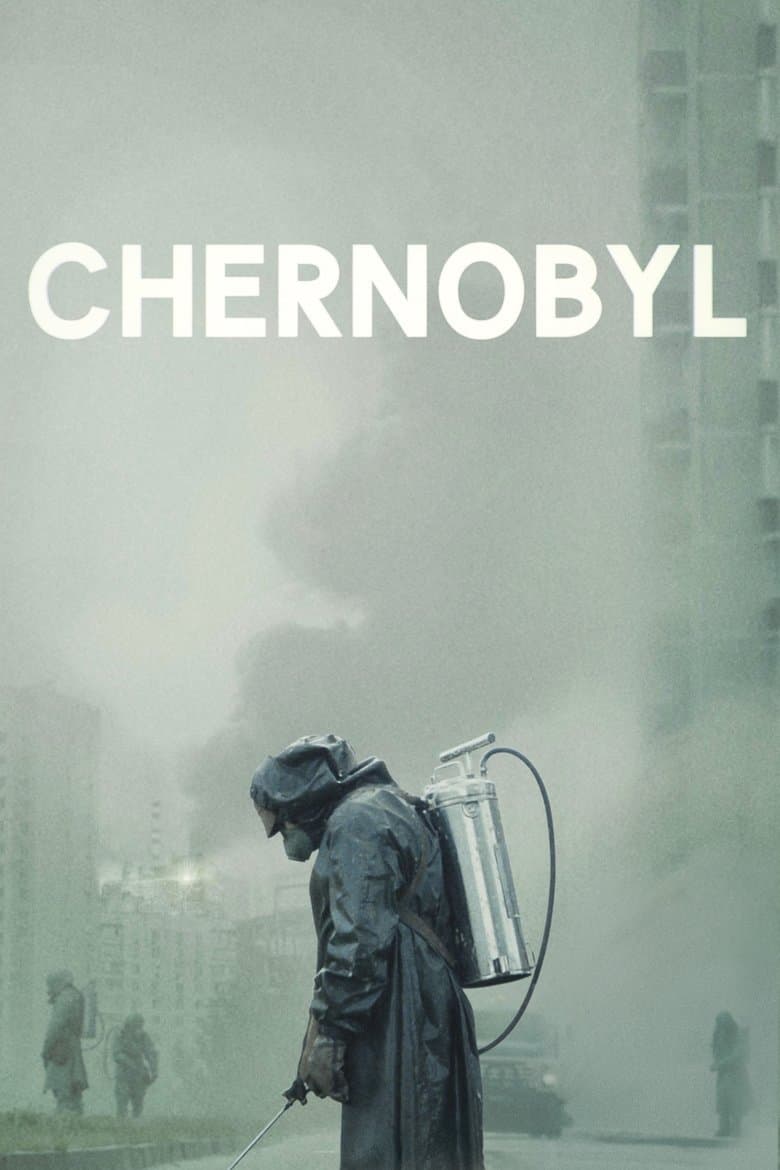
TV Show · 2019
The true story of one of the worst man-made catastrophes in history: the catastrophic nuclear accident at Chernobyl.
