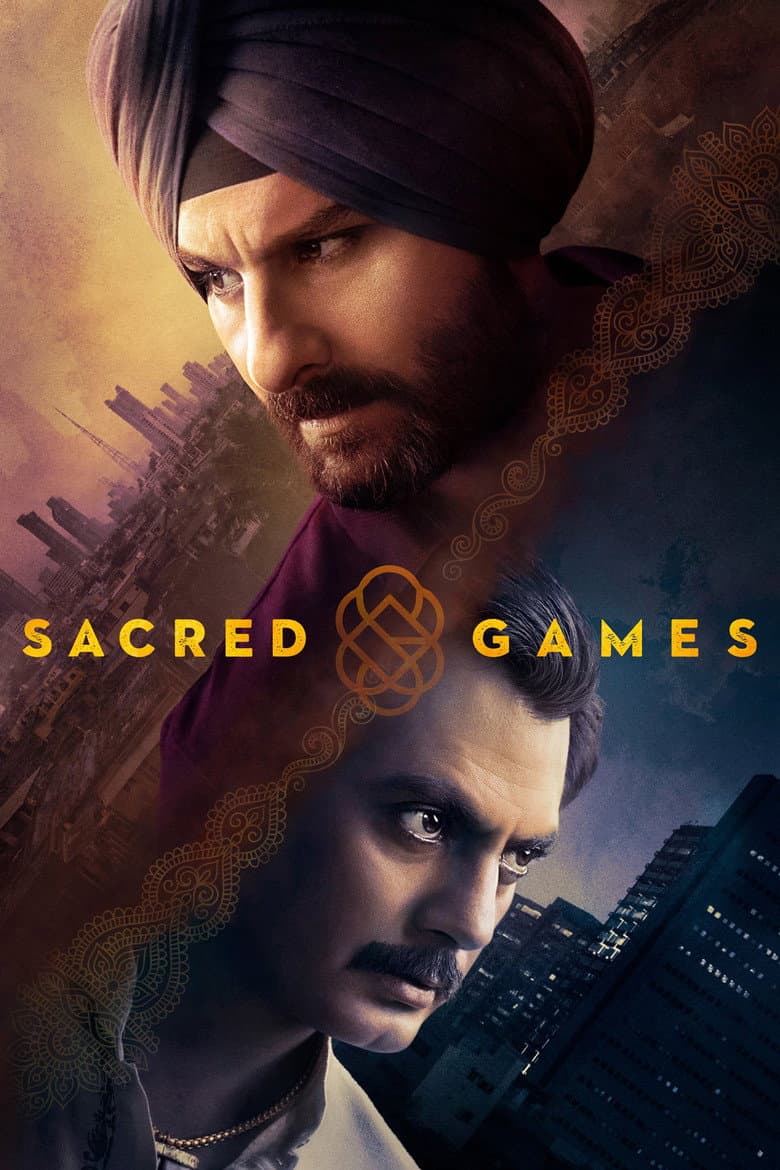
Started July 6, 2018 · Canceled · Based on 2 seasons, 16 episodes through August 15, 2019 · TV-MA · 50 min · Hindi
Sacred Games follows Sartaj Singh, a tired Mumbai police officer who finds a clue to a coming disaster after gangster Ganesh Gaitonde calls him from hiding. Gaitonde kills himself, but his story leads Sartaj through police corruption, gang wars, old political violence, and a race to save the city in 25 days. The two seasons move between present-day Mumbai and Gaitonde’s past in India, Kenya, and a spiritual ashram. The tone is dark, violent, sexual, and often bleak.
The show gives religion a major place in its mystery and presents priests, gurus, Hindu nationalism, communal hatred, and political power as forces that can control people. Season two adds a repeated story about a Muslim youth being killed by a Hindu mob and a plan to create mass hatred through a bomb attack. Season one also follows Kukoo, a transgender woman who has a tragic love story with Gaitonde, while other women push back against male control or gain power inside criminal and spy networks. These themes are woven into the main crime story, but the show remains a violent gangster thriller rather than a simple political drama.
Community feedback
Was our 82% Woke rating accurate?
Breakdown
These are the editorial factors and ratings behind our score for Sacred Games.
Woke representation / casting
The cast largely fits Mumbai’s setting and its mix of religions and languages. The show gives Kukoo, a transgender woman, a prominent role, but a cisgender actress plays her. Anjali, Batya, Jojo, and Kusum are capable women in major roles. The casting creates a noticeable identity signal without a broad diversity-first pattern.
30%
Woke political dialogue
Gaitonde repeatedly discusses religion, political history, riots, and government power. Season two adds repeated talk about Hindu nationalism, right-wing violence, divisive politics, and a damaged world. Guruji uses religious ideas to explain his plan and control his followers. The dialogue is tied to the main mystery across both seasons.
55%
Identity-driven story themes
Religion and group identity drive the mystery across both seasons. The show links Hindu nationalism, anti-Muslim violence, and political power to the threat against Mumbai. Kukoo’s transgender identity and tragic romance make gender and sexuality part of Gaitonde’s character arc. Women also challenge male control in police, crime, and spy subplots.
65%
Western institutional / cultural critique
The story shows male gangs treating women as property and uses Anjali’s fight against desk-only work to question sexist roles. The show also presents family, police, and religious authority as places where men control others. Its main target is Indian crime, politics, and religion, not Western institutions, so this remains a limited signal.
18%
Woke character or canon changes
The adaptation expands Kukoo from a brief book mention into Gaitonde’s central transgender love interest. It makes Anjali an active field investigator instead of a mostly desk-bound figure. Season two adds Batya, a powerful female lieutenant who is not in the source novel. These changes make gender and sexuality more visible in the screen version.
32%
Anti-woke backlash and complaints
Right-leaning Indian users called the show leftist or Hinduphobic. They objected to the Hindu guru leading the bomb plot, the use of Aham Brahmasmi, and scenes showing Hindu mobs and corrupt religious families. News coverage also recorded Hindu Right complaints about the chicken-bone riot, the Muslim boy’s killing, and the Hindu cult planning a nuclear attack. The reaction stayed scattered and did not become a large organized campaign.
52%
Creator track record context
Anurag Kashyap and Neeraj Ghaywan have repeated work about religion, caste, gender, and people pushed aside. Varun Grover has a public record of political satire and criticism of Hindu nationalism and government power. Smita Singh often centers patriarchy and women in genre stories. Vikramaditya Motwane and several other credited creators have more mixed or low-profile records, so this context supports the show’s themes without defining every scene.
64%
Production
TV Show · 2023
During his glory days, Berlin and a gang assembled in Paris for one of his greatest plans ever: stealing 44 million euros' worth of jewels in one night.
TV Show · 2017
Action drama series inspired by the real missions of Navy SEAL Team Six.
TV Show · 2022
Escaped convict Lin Ford flees to the teeming streets of 1980s Bombay, looking to disappear. Working as a medic for the city's poor and neglected, Lin finds unexpected love…
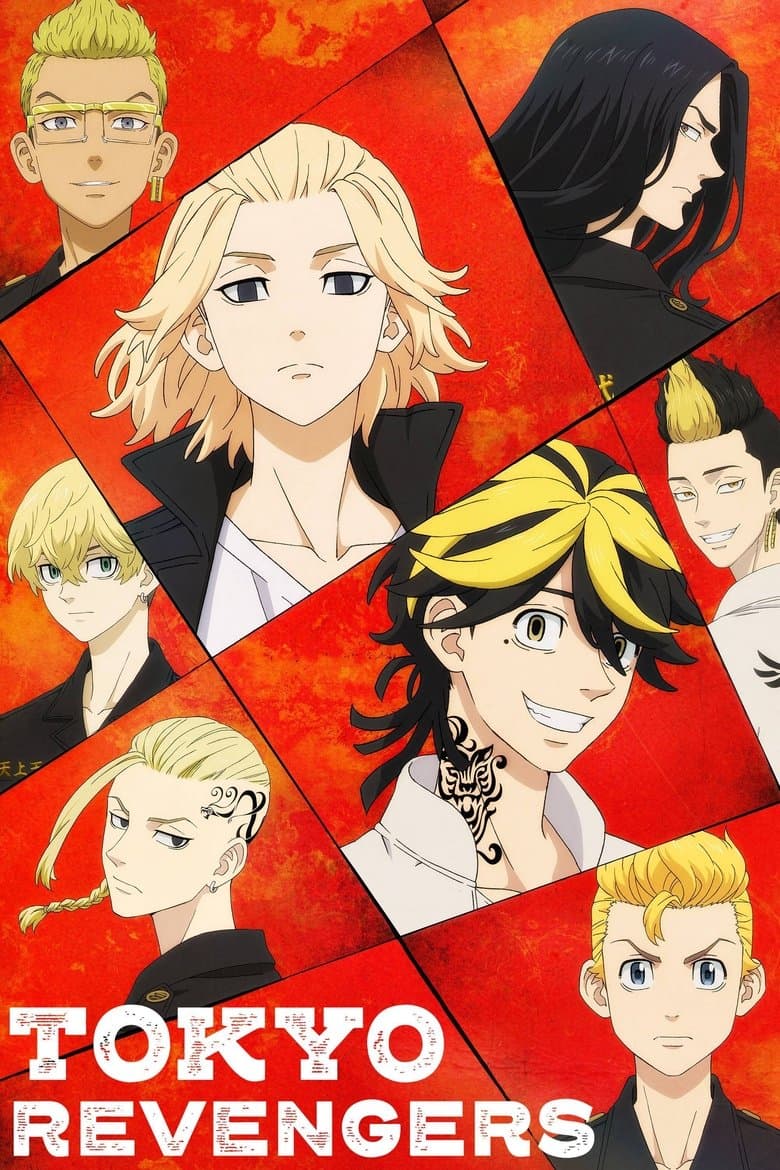
TV Show · 2021
Takemichi Hanagaki is a freelancer that’s reached the absolute pits of despair in his life. He finds out that the only girlfriend he ever had, in middle school, Hinata Tachibana…
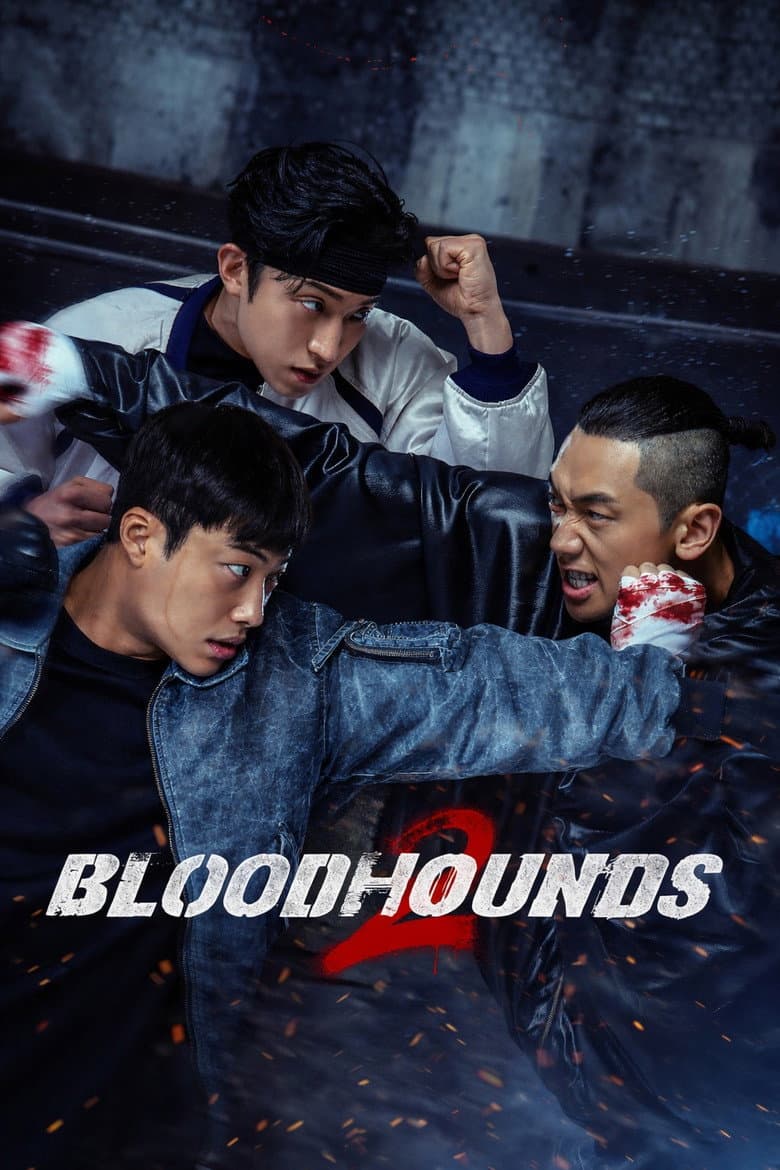
TV Show · 2023
Faced with ruthless foes with a violent thirst, two young boxers band together — risking life and limb to bring justice and protect their loved ones.
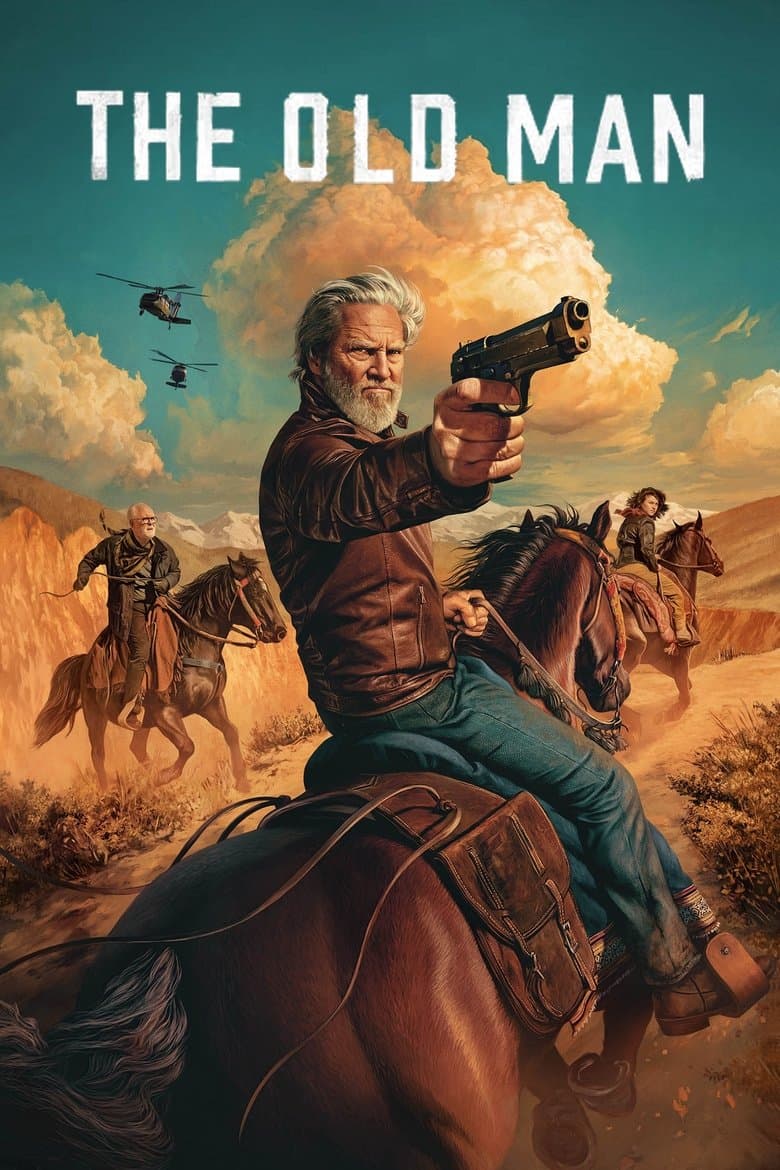
TV Show · 2022
Dan Chase absconded from the CIA decades ago and now lives off the grid. When an assassin arrives and tries to take Chase out, the old operative learns that to ensure his future…
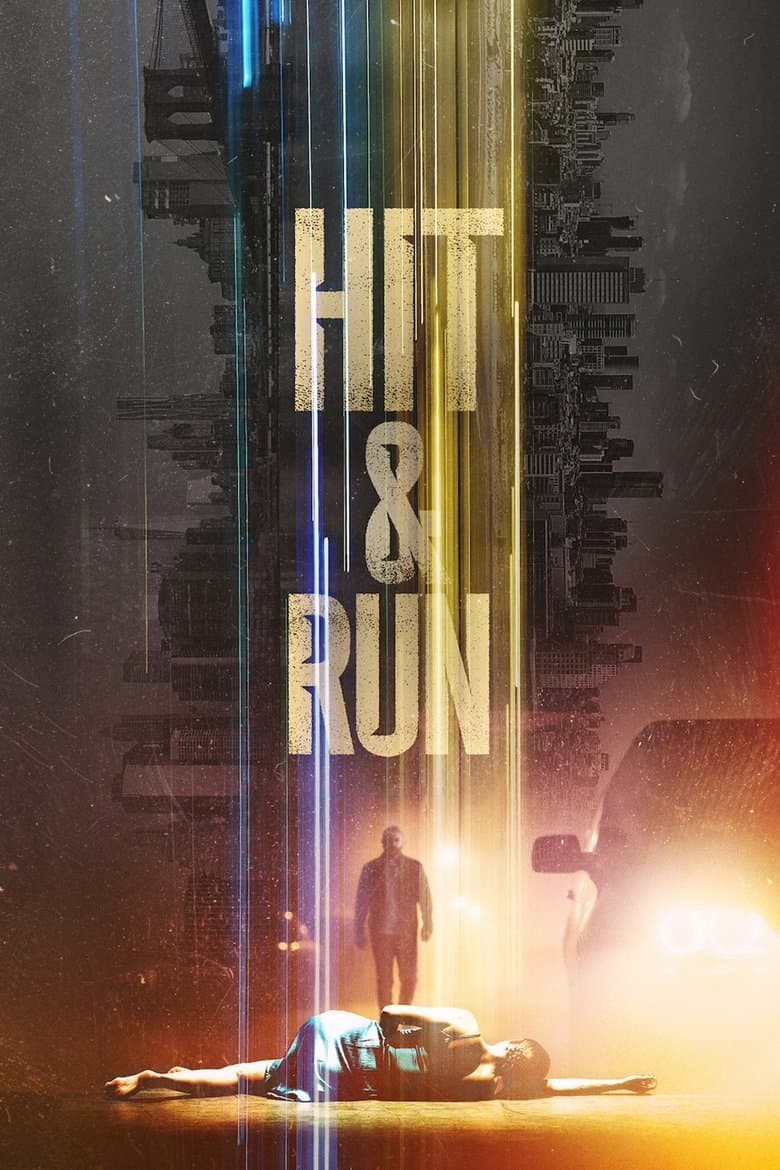
TV Show · 2021
A happily married man's life is turned upside down when his wife is killed in a mysterious hit-and-run accident in Tel Aviv.
TV Show · 2020
Desperate to take care of his pregnant wife before a terminal illness can take his life, Dodge Maynard accepts an offer to participate in a deadly game where he soon discovers…
