
Started April 5, 2019 · Ended · Based on 1 season, 6 episodes through April 5, 2019 · TV-MA · 45 min · Swedish
Quicksand follows Maja Norberg, an 18-year-old student from a rich suburb of Stockholm. A shooting kills classmates and her boyfriend Sebastian, and police arrest Maja because they think she helped plan the attack. Flashbacks show how a bright, careful girl enters Sebastian’s world of money, drugs, violence, and fear. The six-part crime drama is dark, tense, and painful.
The show clearly focuses on class, immigration, and social power. Samir is a smart student from a poorer immigrant family, and he faces insults from rich classmates while speaking about pressure to become more Swedish, unequal chances, and who should pay for public services. The story also shows how Maja is expected to care for a violent boyfriend and is later doubted after he assaults her. These ideas return across the relationship and trial, but the series remains mainly a crime drama about abuse, money, trauma, and responsibility.
Community feedback
Was our 59% Woke rating accurate?
Breakdown
These are the editorial factors and ratings behind our score for Quicksand.
Woke representation / casting
Samir is a prominent second-generation immigrant student among wealthy Swedish classmates. The show makes his family background, class position, and outsider status visible. The main school group is otherwise mostly local Swedish characters, so the show is not built as a diversity-first group. This gives a small but clear representation signal.
22%
Woke political dialogue
Episode 3 contains a long discussion about wealth, immigration, public spending, and democracy. A guest lecture questions the growing gap between rich and poor and asks who should pay for public services. Samir then challenges his classmates about immigration costs and pressure for immigrants to become more Swedish. The scene also links immigrants with unfair stereotypes about education and sexism. The dialogue is concentrated in one episode, so it is noticeable but not the main voice of all six episodes.
46%
Identity-driven story themes
The story repeatedly presents Samir’s immigrant background and lower class as barriers to belonging. The story makes his clash with wealthy students part of the school and relationship plot. Maja’s arc centers on a young woman trapped in a controlling relationship and blamed for not saving or leaving the man. The court then questions her account of sexual assault, which gives the show a clear theme about women being doubted. These ideas shape several episodes, but the shooting and trial remain the main plot.
54%
Western institutional / cultural critique
The show questions how wealth shapes schools, public debate, and the justice process. Sebastian’s family uses money and status to protect its image, while Samir faces class and immigrant prejudice. The trial shows the press and legal system building a story about Maja before all facts are known. The story also exposes pressure on girls to care for damaged men and doubt around sexual assault. This is a recurring critique of class power, gender roles, and social bias, but it is not a broad attack on Christianity or Western life.
45%
Woke character or canon changes
Not relevant. The show is adapted from a recent novel rather than an older franchise. No identity-related change to an established character or real historical figure is reported.
0%
Anti-woke backlash and complaints
Several small X posts called the series PK and said it pushed left politics and caricatured rich people. One Flashback discussion called a political scene forced Netflix messaging and objected to a kind immigrant-background guard. The complaints had little reach, and no boycott, review-bombing, major outlet campaign, or large right-leaning account was found.
18%
Creator track record context
The key team has a mixed record. Malin Persson Giolito often writes about class inequality, unfair treatment of women, institutional power, and failures of justice. Alex Haridi has written political stories about far-right nationalism and democratic strain, while Sørensen has said art should question power. The other writers and producers have milder or mainly professional profiles, so the context supports a moderate score rather than an activist-level score.
44%
Production
TV Show · 2019
Gypsy Blanchard struggles to deal with the toxic relationship with her overprotective mother, but her attempts to free herself lead to murder.
TV Show · 2016
Once a powerful lawyer, Billy McBride is now burned out and washed up, spending more time in a bar than a courtroom.
TV Show · 2020
New Orleans judge Michael Desiato is forced to confront his own deepest convictions when his son is involved in a hit and run that embroils an organized crime family.
TV Show · 2020
Picking up just days after the “Power” finale, this sequel series follows Tariq navigating his new life, in which his desire to shed his father’s legacy comes up against the…
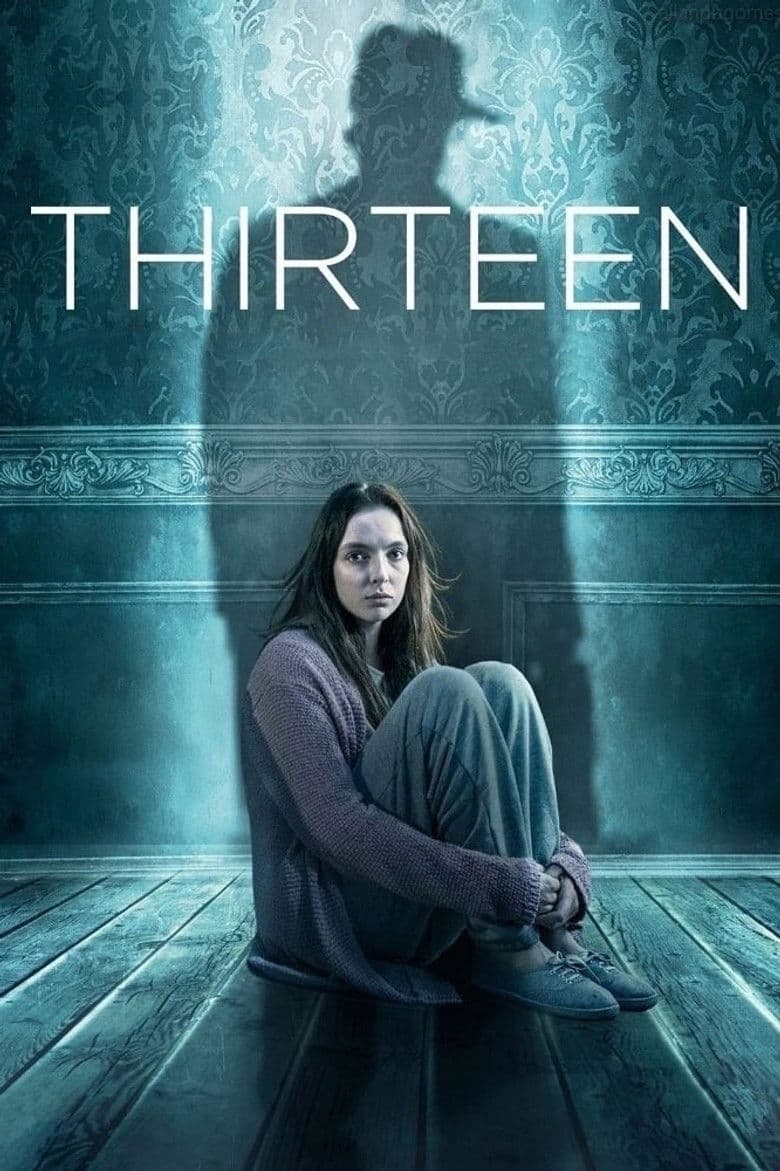
TV Show · 2016
A 26-year-old woman learns to live again after 13 years in captivity.
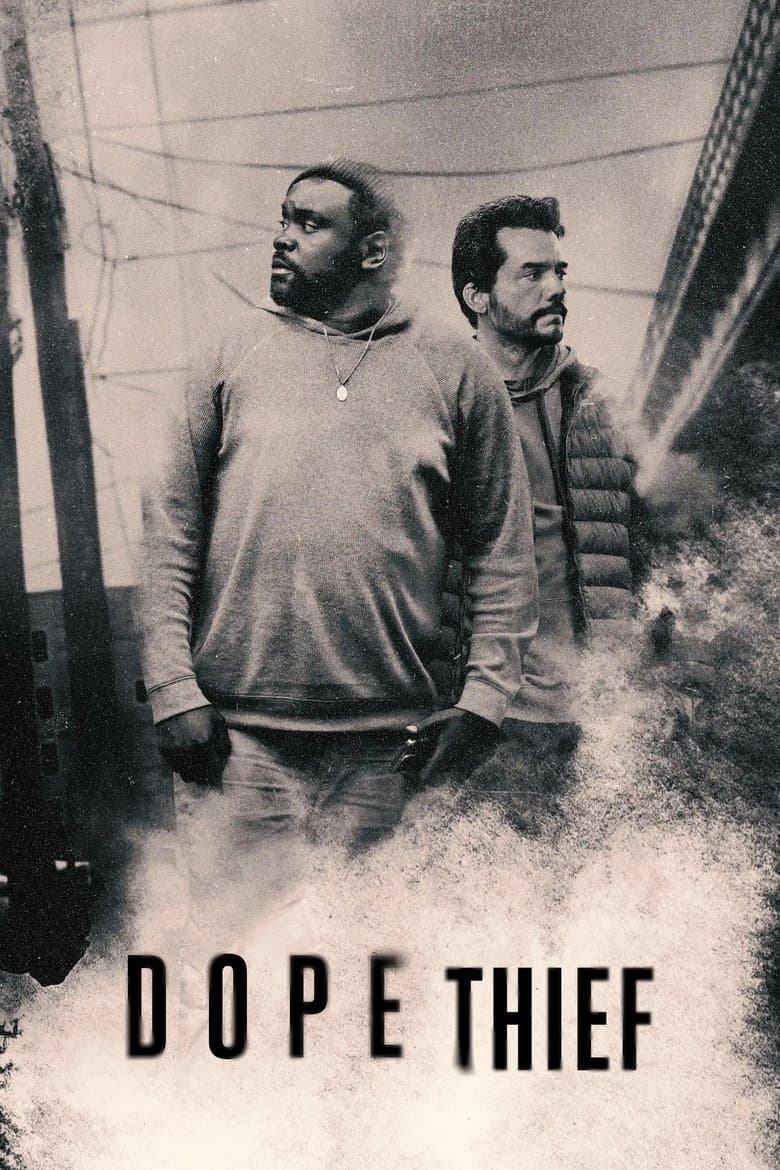
TV Show · 2025
Two lifelong friends in Philadelphia pose as DEA agents to rob small-time drug dealers. It's a perfect grift—until they choose the wrong mark and become targets of a massive…
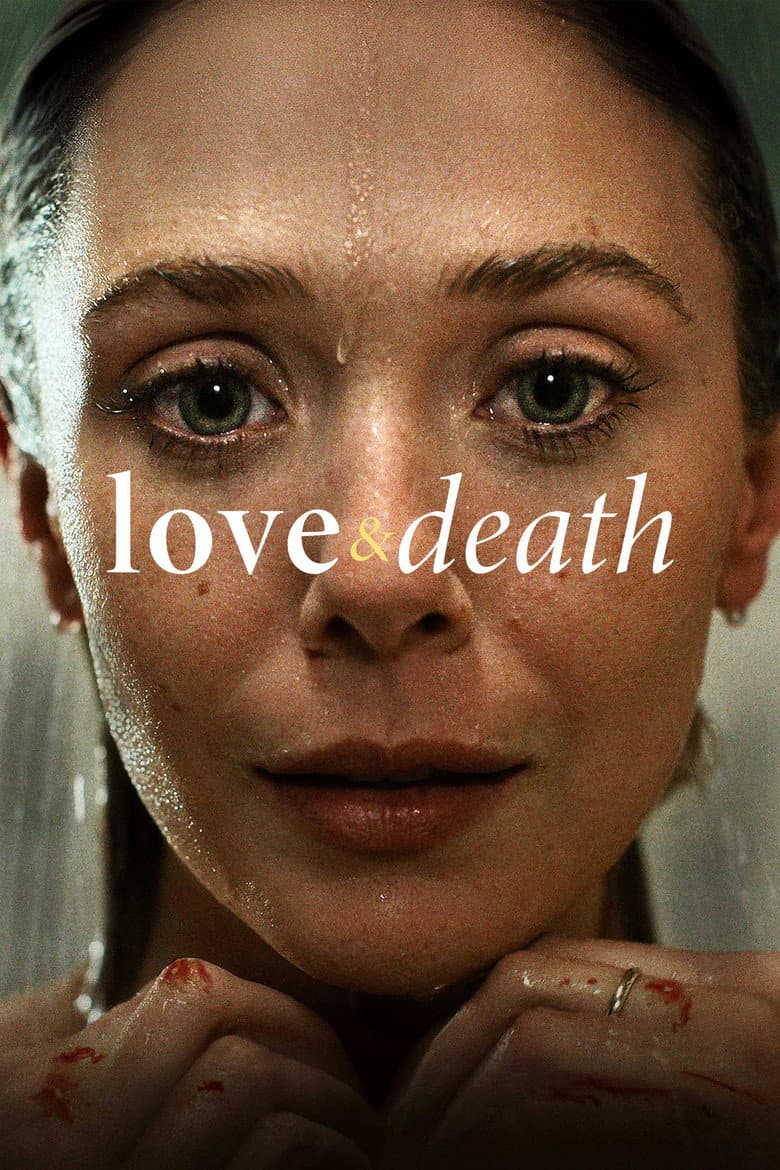
TV Show · 2023
Candy and Pat Montgomery and Betty and Allan Gore — two churchgoing couples — enjoy their small town Texas life... until an extramarital affair leads somebody to pick up an axe.
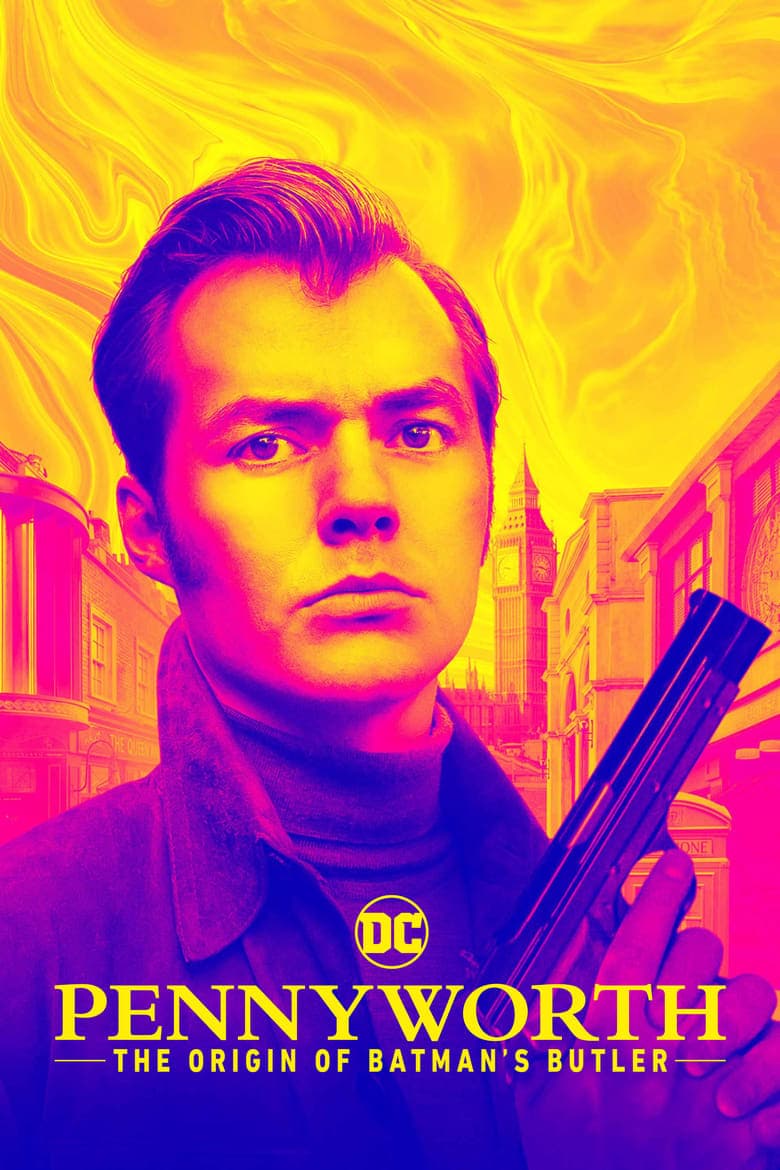
TV Show · 2019
The origin story of Bruce Wayne's legendary butler, Alfred Pennyworth, a former British SAS soldier who forms a security company in 1960s London and goes to work with young…
