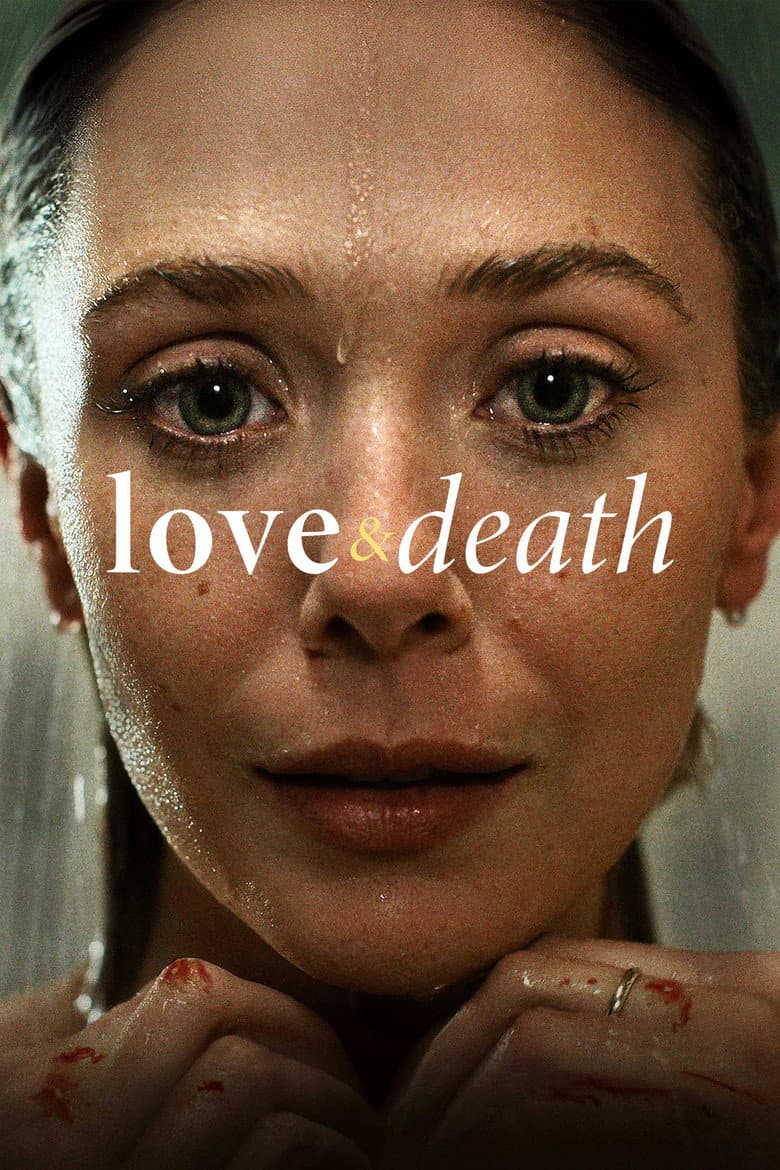
Started April 27, 2023 · Ended · Based on 1 season, 7 episodes through May 25, 2023 · TV-MA
Love and Death is a seven-episode limited series about the real 1980 Candy Montgomery and Betty Gore case in suburban Texas. It follows a housewife whose deep unhappiness leads to a planned affair, an axe killing, and a self-defense trial that ends in acquittal. The story is set among late-1970s Methodist church circles in Wylie. The main cast fits that period for a white suburban community. A female pastor named Jackie Ponder is based on a real Methodist minister from that world.
The show centers on Candy’s sexual and emotional unfulfillment inside traditional wife, mother, and church roles and a sexless marriage. The story describes a hole left after she did everything right by the rules of her time. The drama frames churchy suburbia as having a dark side and a crack in the American dream. Methodist life can feel like a social club with hollow respectability and weak moral authority after key church figures leave. Soft critique of traditional domestic and religious norms sits behind the crime plot. There is no confirmed LGBTQ storyline and no modern activist speech on screen.
Community feedback
Was our 27% Woke rating accurate?
Breakdown
These are the editorial factors and ratings behind our score for Love & Death.
Woke representation / casting
Not present. The main cast matches a late-1970s white suburban Texas Methodist community. The female pastor Jackie is based on a real minister. There are no race or gender swaps of heroes and no quota-style ensemble.
0%
Woke political dialogue
The show has no modern activist or DEI speech. Mild soft-liberal church beats sit in the background of the crime drama. A pastor’s divorce is treated casually, and the affair is framed in practical terms rather than biblical ones.
12%
Identity-driven story themes
The core story is Candy’s sexual and emotional unfulfillment inside traditional wife, mother, and church roles and a sexless marriage. Creators describe a hole left after she did everything right. The focus is humanizing a female killer through that social psychology, not race or queer identity politics.
28%
Western institutional / cultural critique
The show frames churchy suburbia as a dark side of the American dream and a cracked facade. Methodist life can look like a social club with hollow respectability and weak moral authority. That is a soft critique of traditional domestic and religious norms, not anti-Western ideology.
24%
Woke character or canon changes
Not relevant. This is a true-crime adaptation of documented people and events without identity-driven rewrites of characters or history.
0%
Anti-woke backlash and complaints
Not present. No meaningful anti-woke, anti-DEI, or agenda backlash was found. Sparse faith-based notes about weak church discipline are not identity-politics complaints.
0%
Creator track record context
David E. Kelley leads the script with source writers who are not framed as activist voices. Directors and star prestige add women-centered industry signals. Producer Helen Verno is a higher outlier but is not presented as the show’s voice, so overall creator context is light to moderate.
24%
Production
TV Show · 2020
New Orleans judge Michael Desiato is forced to confront his own deepest convictions when his son is involved in a hit and run that embroils an organized crime family.
TV Show · 2020
Grace and Jonathan Fraser are living the only lives they ever wanted. Overnight a chasm opens in their lives: a violent death and a chain of terrible revelations.

TV Show · 2018
The stranger-than-fiction account of a prison break in upstate New York in the summer of 2015, which spawned a massive manhunt for two convicted murderers who were aided in their…
TV Show · 2016
Once a powerful lawyer, Billy McBride is now burned out and washed up, spending more time in a bar than a courtroom.
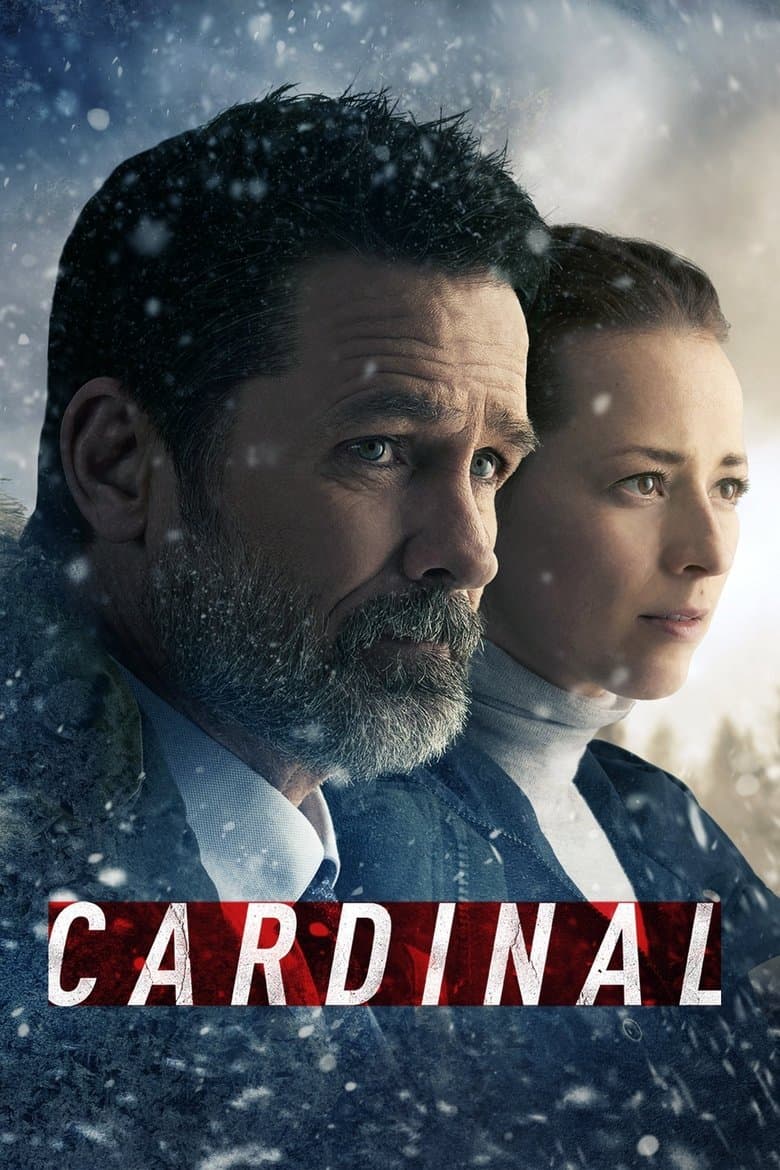
TV Show · 2017
Detective John Cardinal attempts to uncover the mystery of what happened to the missing 13-year-old girl whose body is discovered in the shaft-head of an abandoned mine.
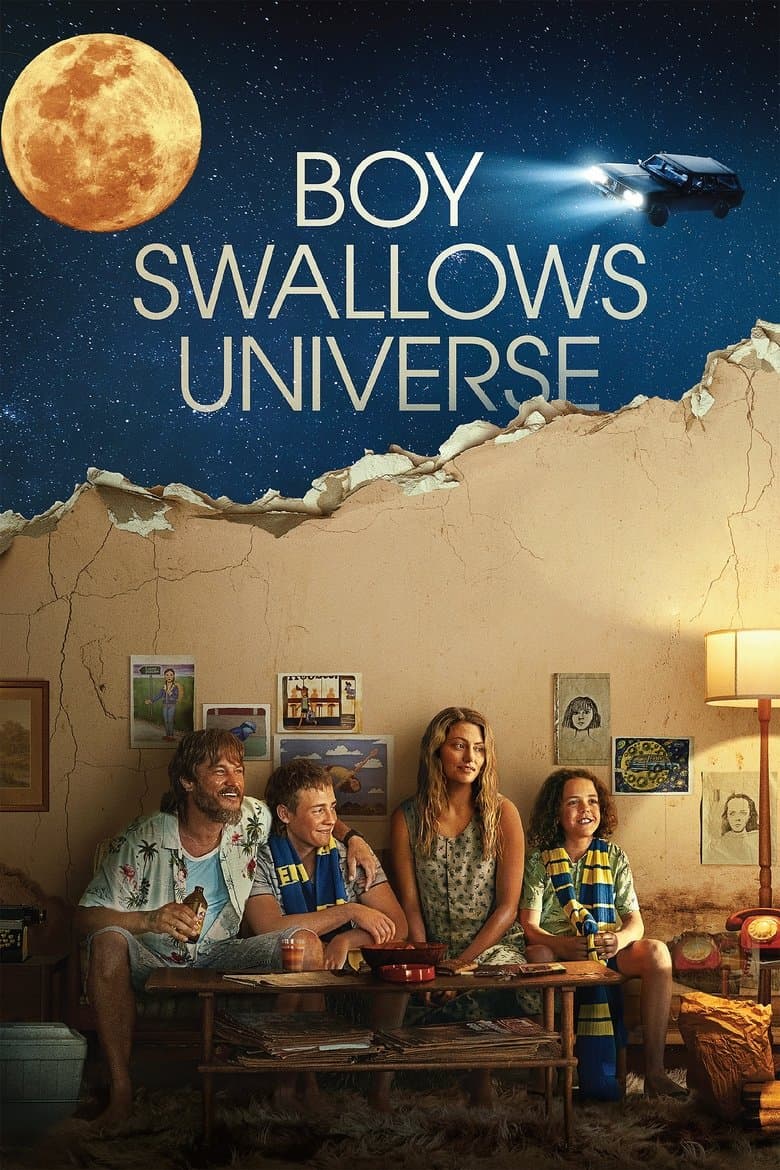
TV Show · 2024
A young boy growing up in the suburbs of 1980s Brisbane faces the harsh realities of life — and the looming dangers that threaten his family.
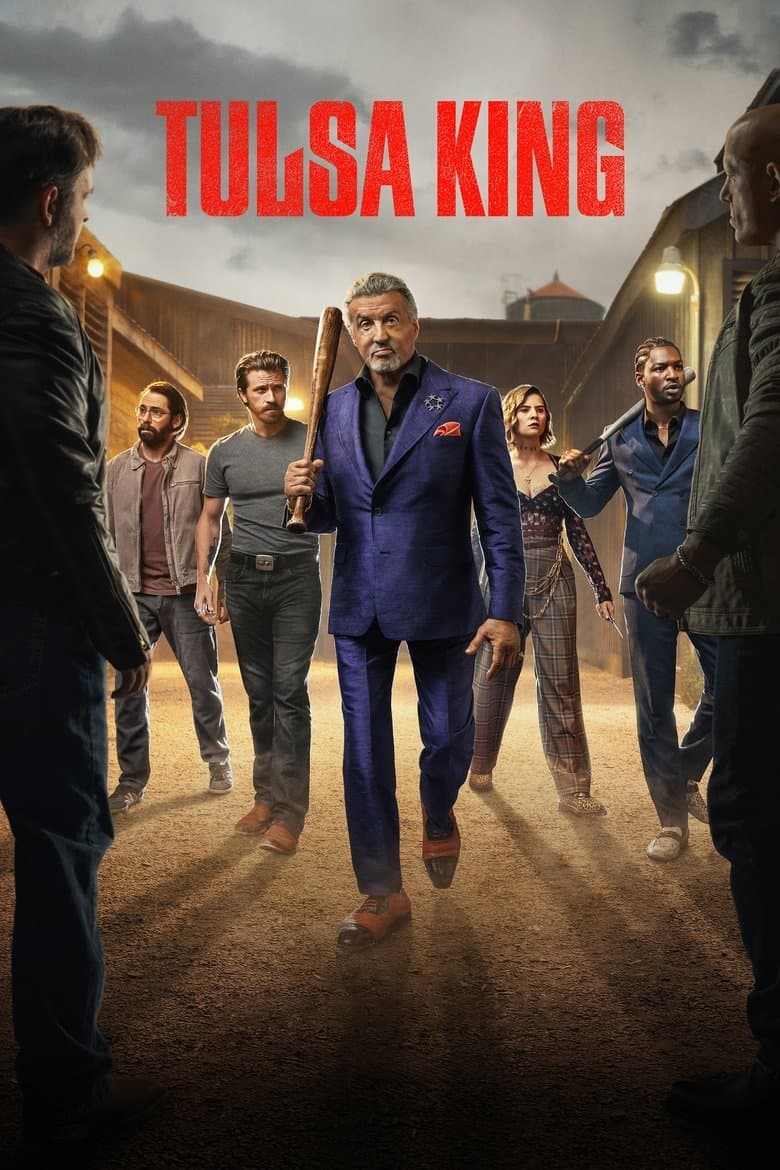
TV Show · 2022
New York mafia capo Dwight "The General" Manfredi is released from prison after 25 years and exiled by his boss to set up shop in Tulsa, Oklahoma.
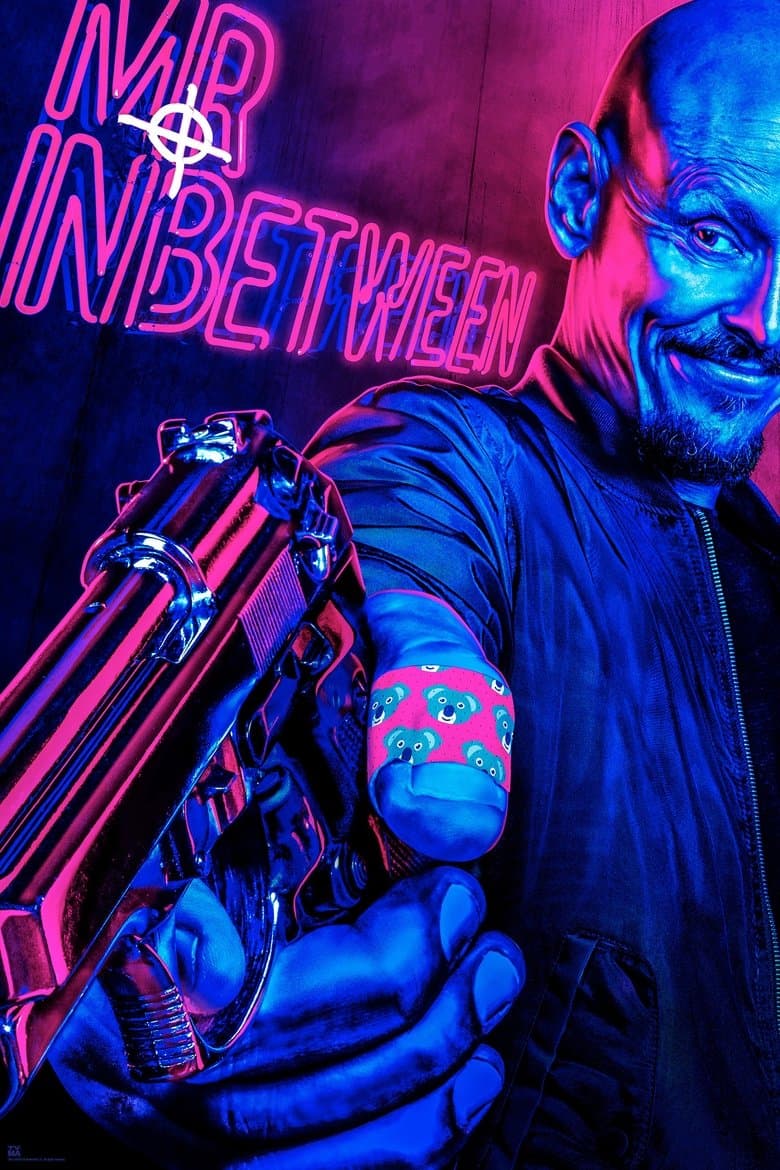
TV Show · 2018
Ray Shoesmith is a father, ex-husband, boyfriend and best friend: tough roles to juggle in the modern age. Even harder when you’re a criminal for hire.
