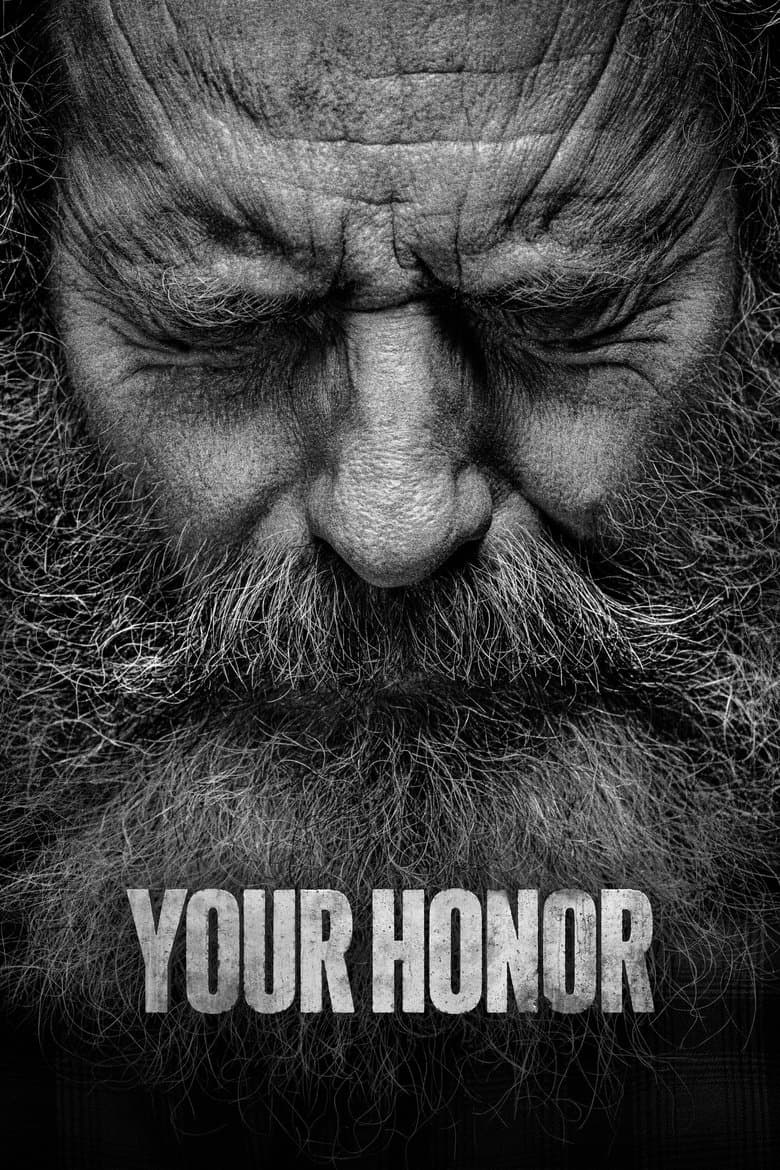
Started December 6, 2020 · Ended · Based on 2 seasons, 20 episodes through March 19, 2023 · TV-MA
Your Honor is a Showtime crime drama starring Bryan Cranston as New Orleans judge Michael Desiato. His son Adam causes a fatal hit-and-run that kills the son of mob boss Jimmy Baxter, forcing the judge to cover it up and triggering a chain of lies, violence, and moral collapse across two seasons. Season 2 shifts focus to Michael confronting the crime family directly. The core story follows personal ethics, family loyalty, revenge, and justice system failures in a tense thriller style. Some supporting characters and New Orleans setting include racial and class dynamics around crime and courts, but these stay secondary to the individual father-son dilemma and do not drive activist messaging.
Community feedback
Was our 23% Woke rating accurate?
Breakdown
These are the editorial factors and ratings behind our score for Your Honor.
Woke representation / casting
Natural mix of actors fits the diverse New Orleans crime and court setting; no audience-visible signaling, quotas, or mismatches with story logic.
12%
Woke political dialogue
Dialogue centers on personal lies, revenge, and legal maneuvering; rare passing references to system flaws or privilege appear story-driven rather than activist speeches.
8%
Identity-driven story themes
Minor background racial and class elements appear in supporting crime and court scenes tied to the city setting; main arcs remain universal family protection and moral collapse.
18%
Western institutional / cultural critique
Shows justice system open to corruption, mob influence, and personal compromise; some critics link scenes to racial bias, but the narrative stresses individual choices and consequences over modern activist systemic framing.
22%
Woke character or canon changes
Not present in this title.
0%
Anti-woke backlash and complaints
Negligible prominent complaints; no notable right-leaning outcry about woke or identity politics messaging. Existing discussion focuses on quality and racial depiction critiques mainly from left-leaning sources.
3%
Creator track record context
Core Israeli team and most writers show neutral or low political profiles; mild elevation from Bryan Cranston’s liberal persona and Peter Sollett’s prior gay rights film, plus scattered social drama credits, without recurring DEI or identity-first patterns.
20%
Production
TV Show · 2017
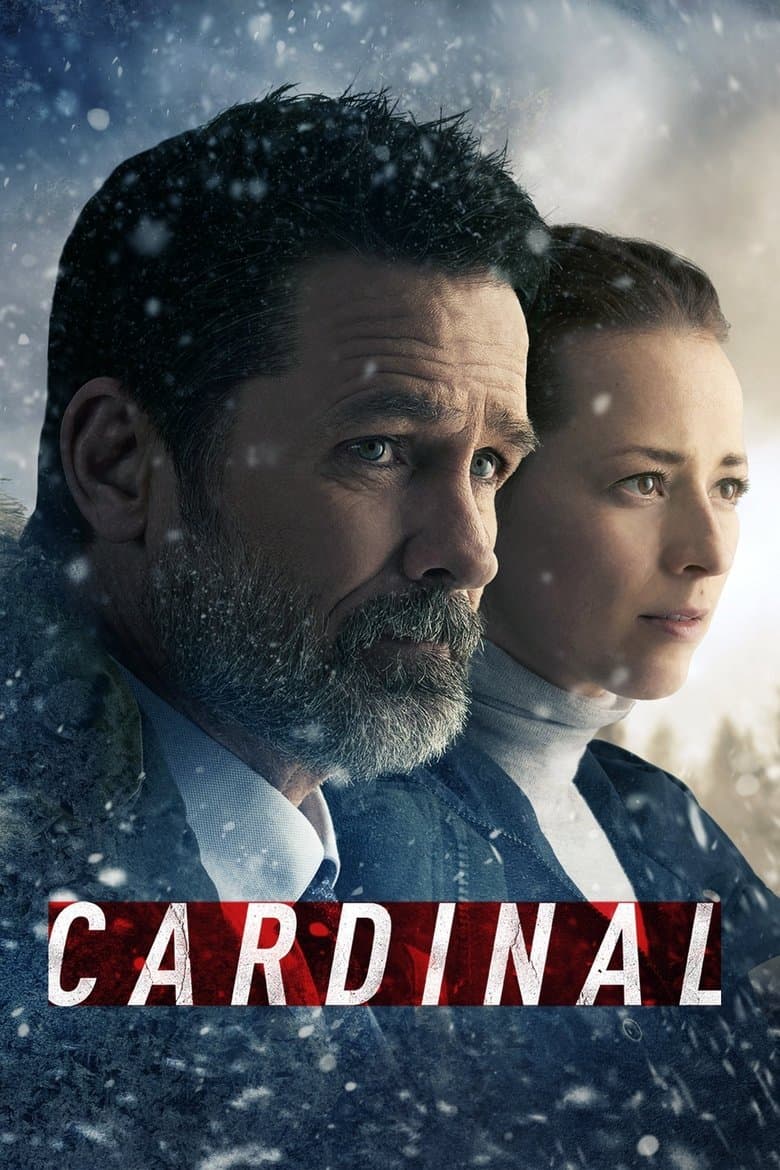
Detective John Cardinal attempts to uncover the mystery of what happened to the missing 13-year-old girl whose body is discovered in the shaft-head of an abandoned mine.
TV Show · 2022
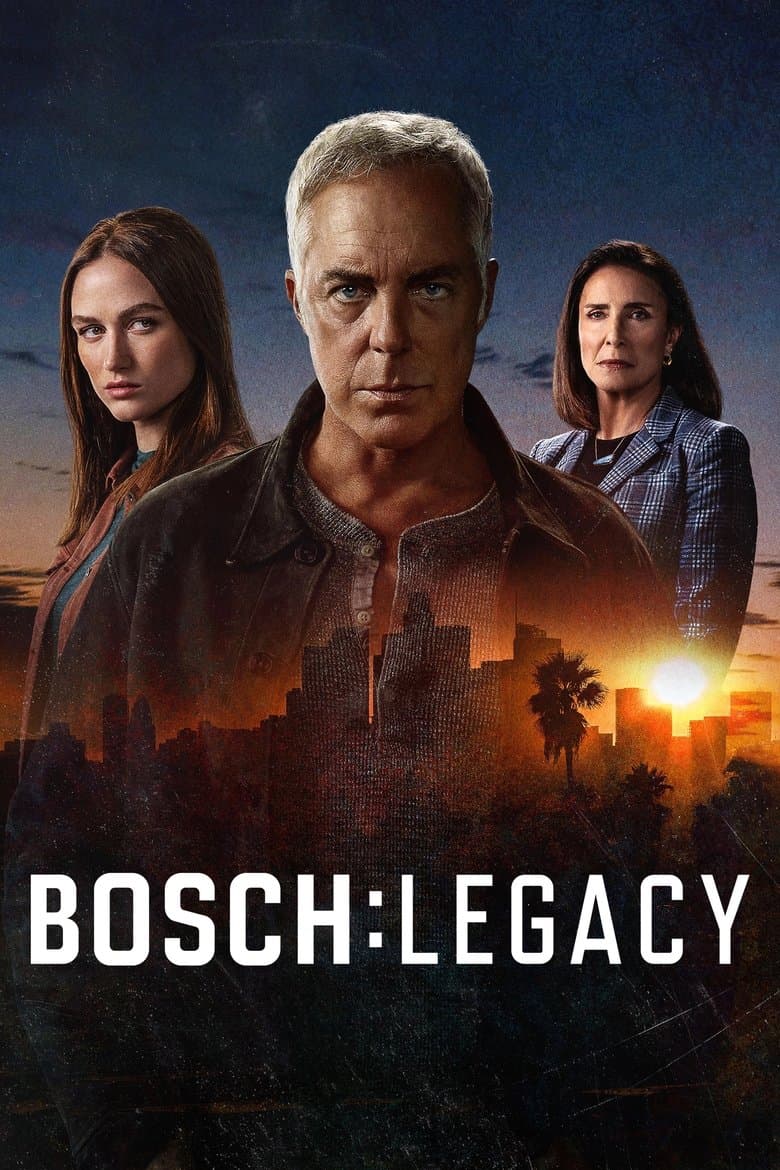
Bosch is now making a living as a private investigator two years after he quit the LAPD and finds himself working with one time enemy and top-notch attorney Honey “Money”…
TV Show · 2022
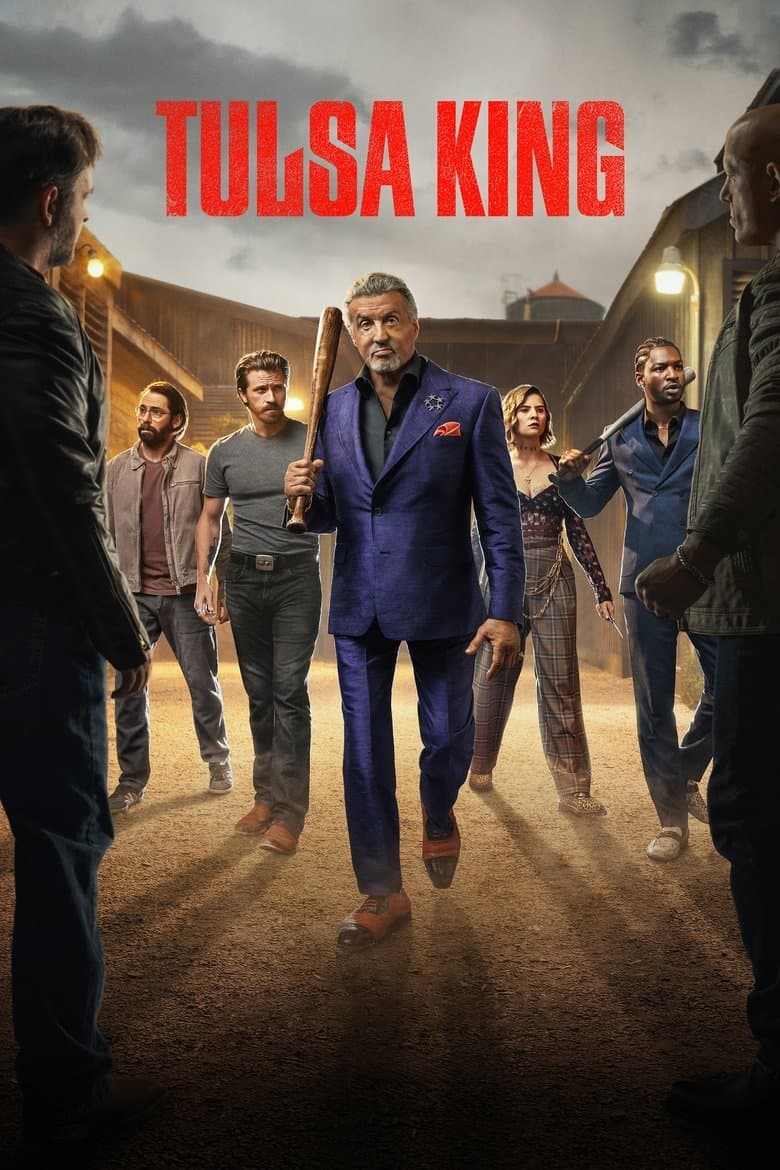
New York mafia capo Dwight "The General" Manfredi is released from prison after 25 years and exiled by his boss to set up shop in Tulsa, Oklahoma.
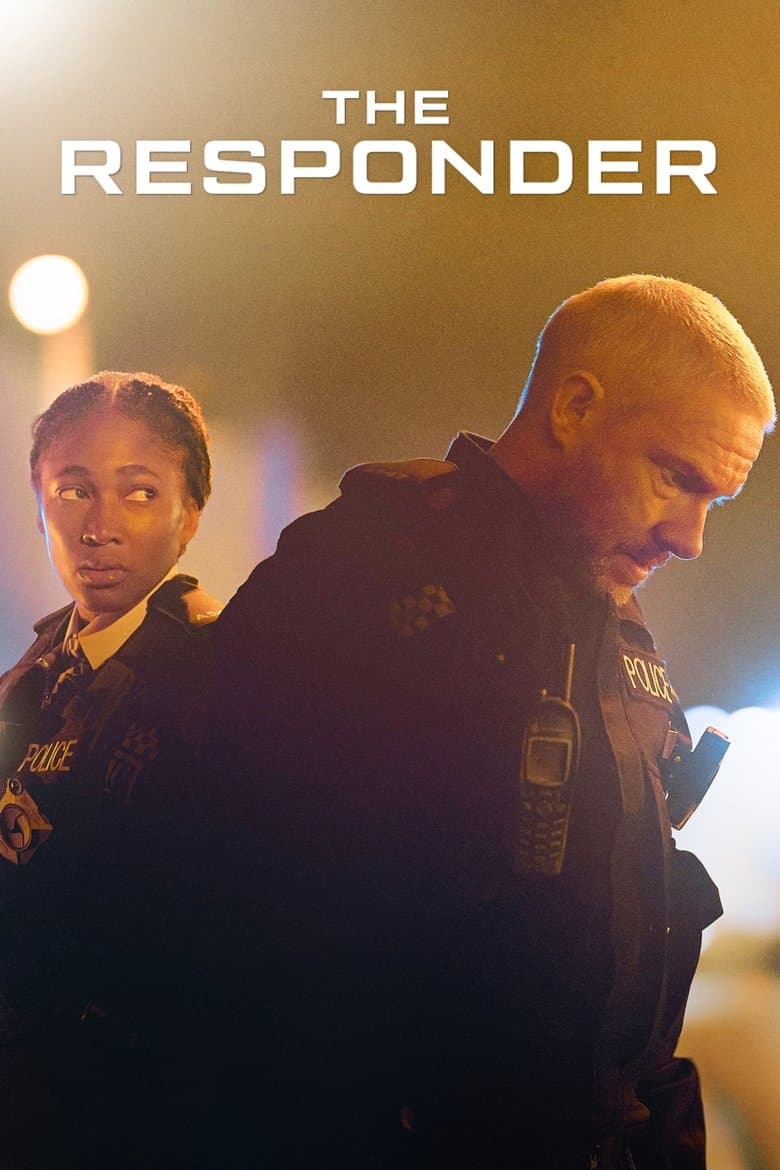
TV Show · 2022
Under pressure, fraying at the edges. In relentless night-time Liverpool, copper Chris is paired with a rookie. Will they save or destroy each other?
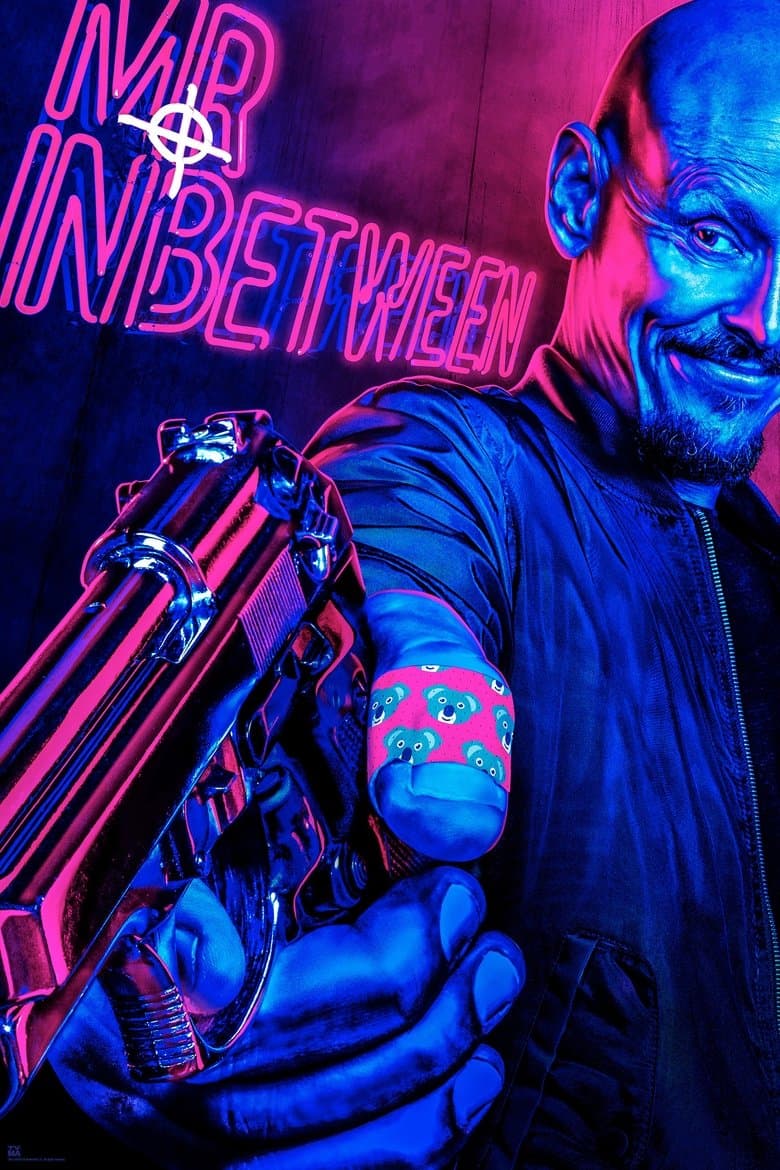
TV Show · 2018
Ray Shoesmith is a father, ex-husband, boyfriend and best friend: tough roles to juggle in the modern age. Even harder when you’re a criminal for hire.

TV Show · 2018
The stranger-than-fiction account of a prison break in upstate New York in the summer of 2015, which spawned a massive manhunt for two convicted murderers who were aided in their…
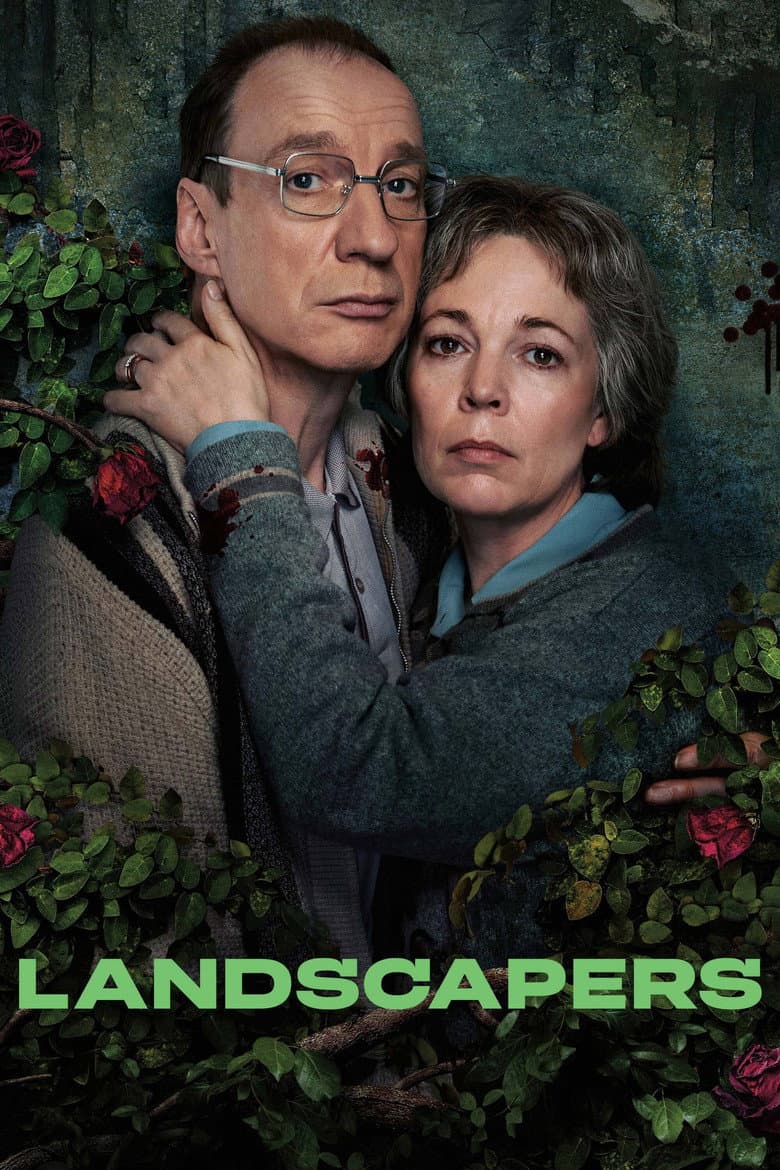
TV Show · 2021
A seemingly ordinary British couple become the focus of an extraordinary investigation when two dead bodies are discovered in the back garden of a house in Nottingham.
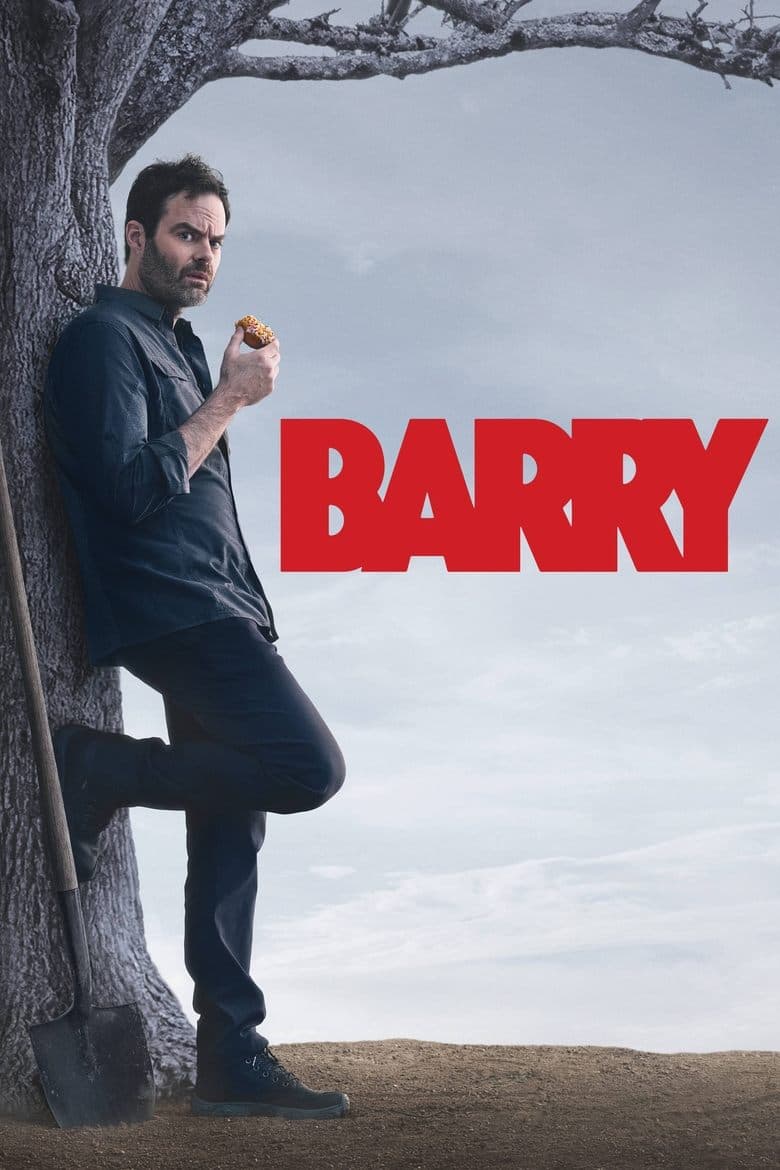
TV Show · 2018
A hit man from the Midwest moves to Los Angeles and gets caught up in the city's theatre arts scene.
