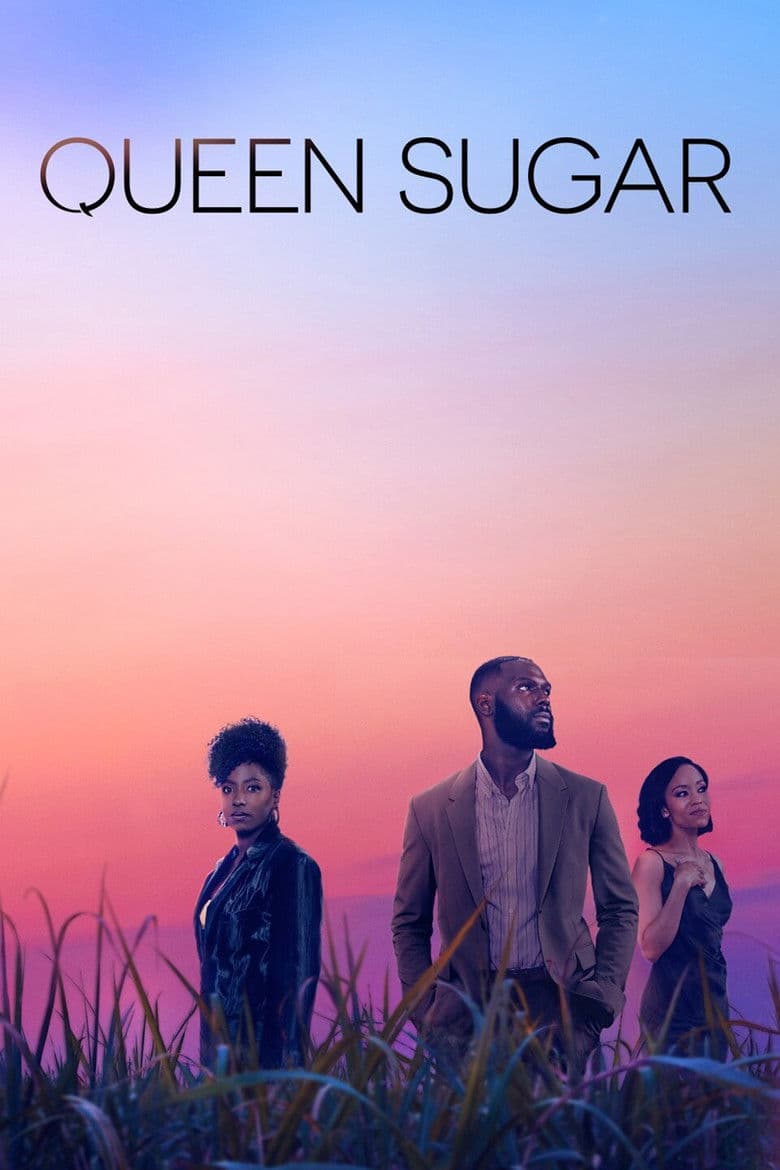
Started September 6, 2016 · Ended · Based on 7 seasons, 88 episodes through November 29, 2022 · TV-14 · 60 min
Nova, Charley, and Ralph Angel Bordelon return to rural Louisiana after their father dies. They must protect their family farm while dealing with old wounds, money problems, addiction, custody fights, and broken trust. Nova is a writer and activist, Charley is a strong business leader, and Ralph Angel is a former prisoner raising his son. The show has a slow, serious tone that mixes family drama with romance and social issues.
The show strongly centers black family life, racial history, land ownership, prison problems, and police treatment of black people. Nova and Micah often speak about protest, voter suppression, racism, and the Black Lives Matter movement. Season 5 directly covers COVID-19, George Floyd’s death, and protests, while later seasons add transgender rights and Nova’s relationship with a woman. The show presents these ideas as important parts of its message, not as brief background details.
Community feedback
Was our 86% Woke rating accurate?
Breakdown
These are the editorial factors and ratings behind our score for Queen Sugar.
Woke representation / casting
The main cast is made up mostly of black characters. The Louisiana setting and the family story make that casting believable. The show also places black women in major roles as leaders, activists, writers, and business owners. The casting is part of a clear black-centered identity message, but it does not look like a random diversity mix forced into an unrelated setting.
28%
Woke political dialogue
Nova regularly speaks as an activist and journalist about racism, police violence, prison policy, and political power. Micah and other young characters debate protests, voter suppression, and systemic racism. Season 5 directly discusses George Floyd’s death, COVID-19, Black Lives Matter, and political corruption. These subjects appear across several seasons and shape major character choices.
64%
Identity-driven story themes
The show makes black family history, racial injustice, land ownership, and unequal treatment central to its story. The characters connect present-day problems to slavery, segregation, prison systems, and lost family wealth. The series also includes transgender rights and a queer relationship involving Nova in season 7. These identity themes are repeated and often drive the main plot.
79%
Western institutional / cultural critique
The show often presents police, prisons, courts, banks, and local government as systems that harm black families. The characters challenge voter suppression, unfair land deals, labor exploitation, and unequal access to money. Season 5 gives this critique a direct modern setting through protests and police violence. The show usually presents community action and activism as the answer to these problems.
68%
Woke character or canon changes
Not present in this title.
0%
Anti-woke backlash and complaints
Breitbart accused the show of pushing social-justice propaganda after an episode compared voter suppression, redlining, and mass incarceration with modern slavery. The same report criticized the show’s language about systemic racism and white privilege. Wider reporting shows mostly praise, so the anti-woke reaction appears limited and fringe.
18%
Creator track record context
Ava DuVernay has a strong record of stories about black history, racism, and unequal treatment. The writing and directing team includes several people known for Black, female, queer, or other underrepresented stories. The show’s plan to hire only women directors also reflects a clear diversity and opportunity goal.
83%
Production
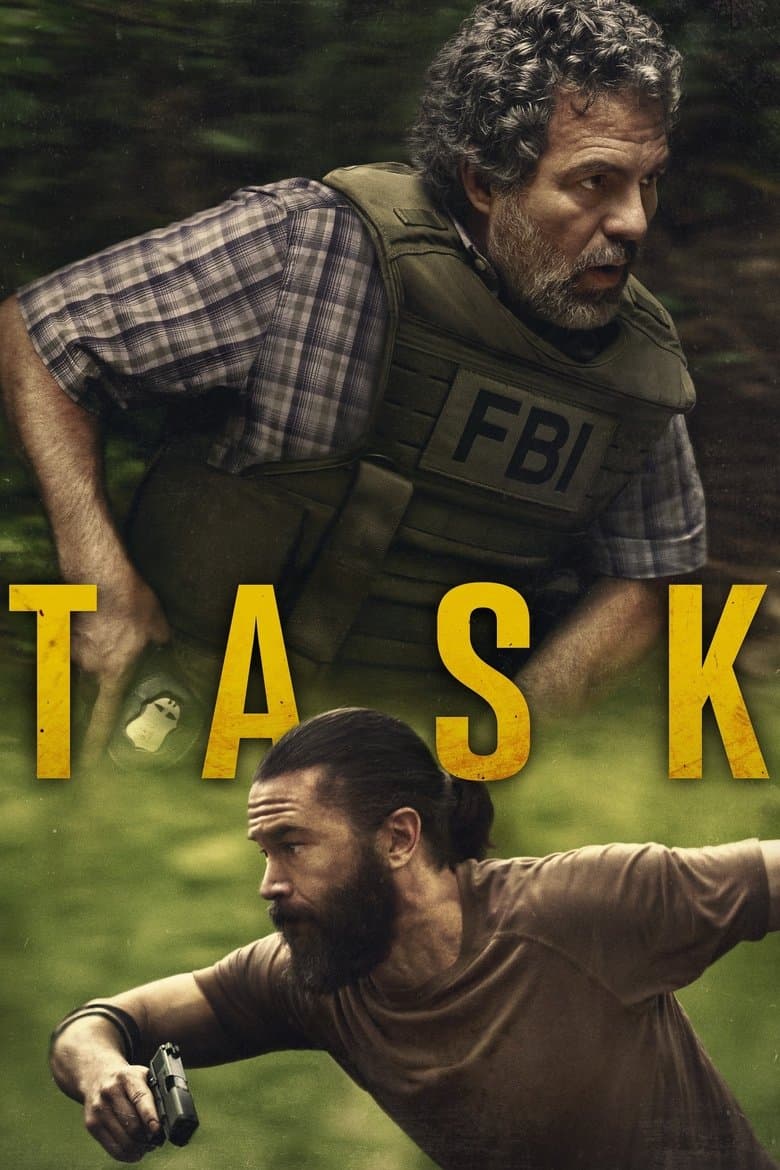
TV Show · 2025
In the working-class suburbs of Philadelphia, an FBI agent heads a task force assembled to put an end to a string of violent robberies led by an unsuspecting family man.
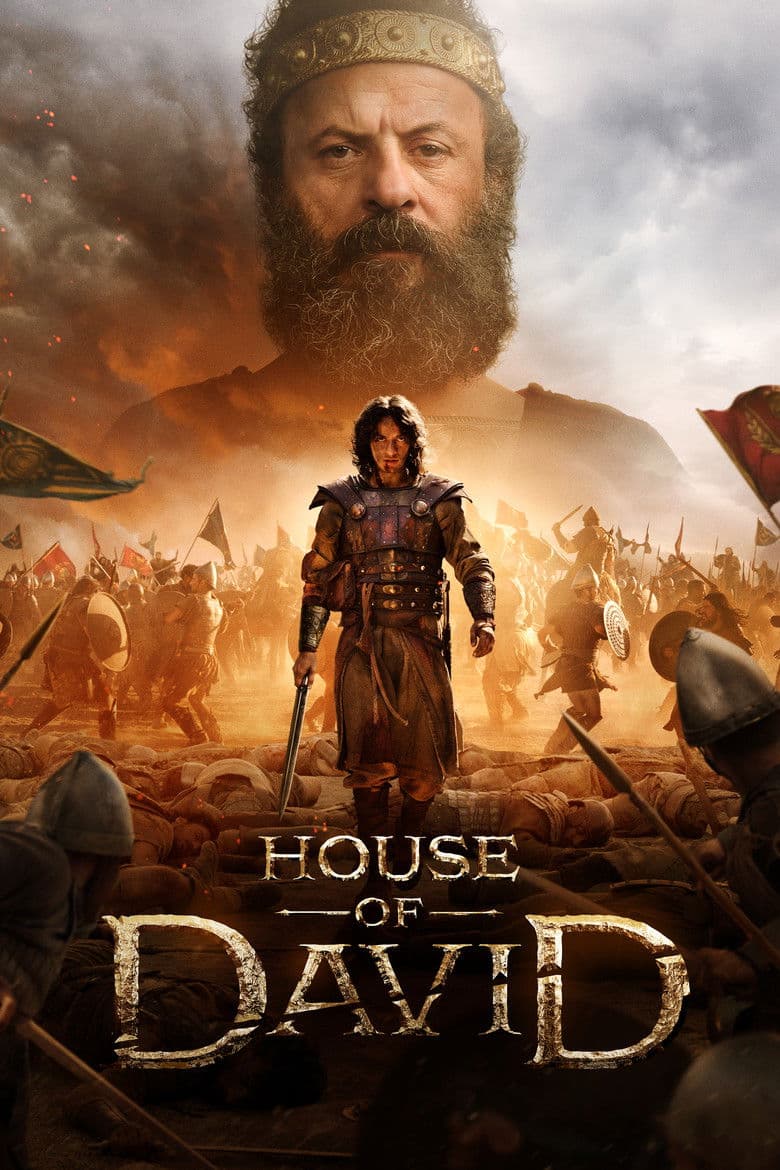
TV Show · 2025
Tells the story of the ascent of the biblical figure, David, who becomes the most celebrated king of Israel. The series follows the once-mighty King Saul as he falls victim to his…
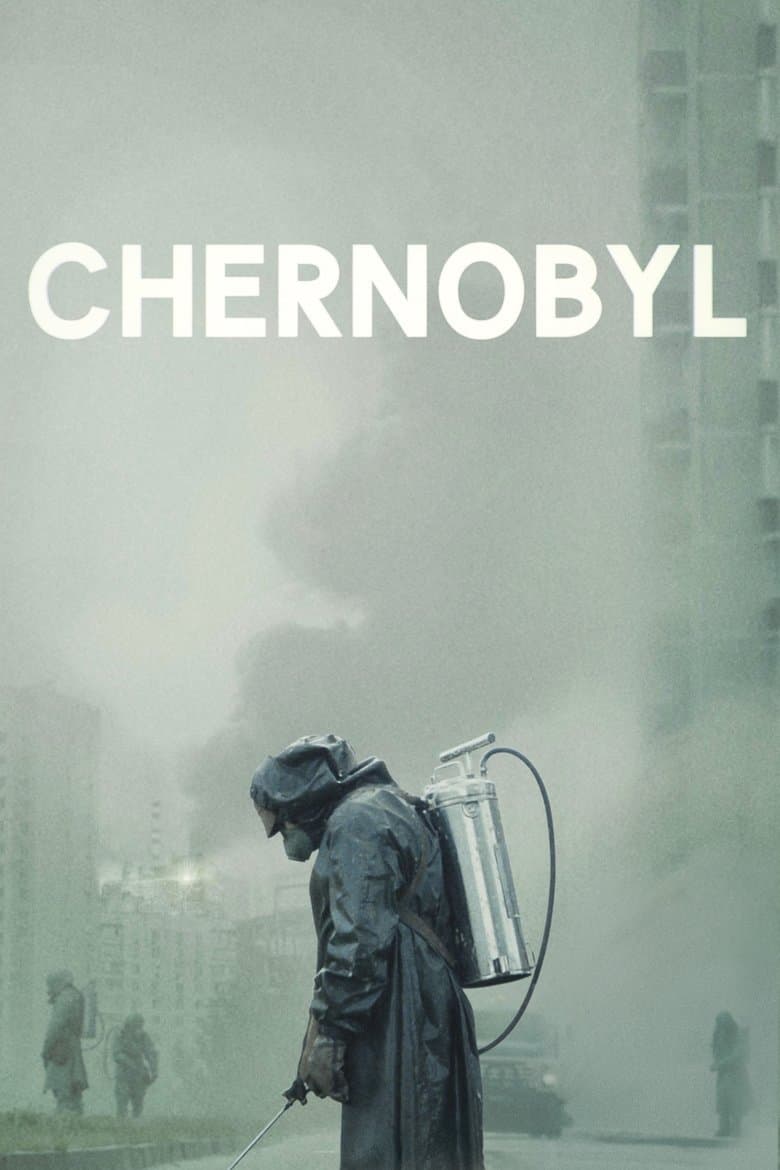
TV Show · 2019
The true story of one of the worst man-made catastrophes in history: the catastrophic nuclear accident at Chernobyl.
TV Show · 2021
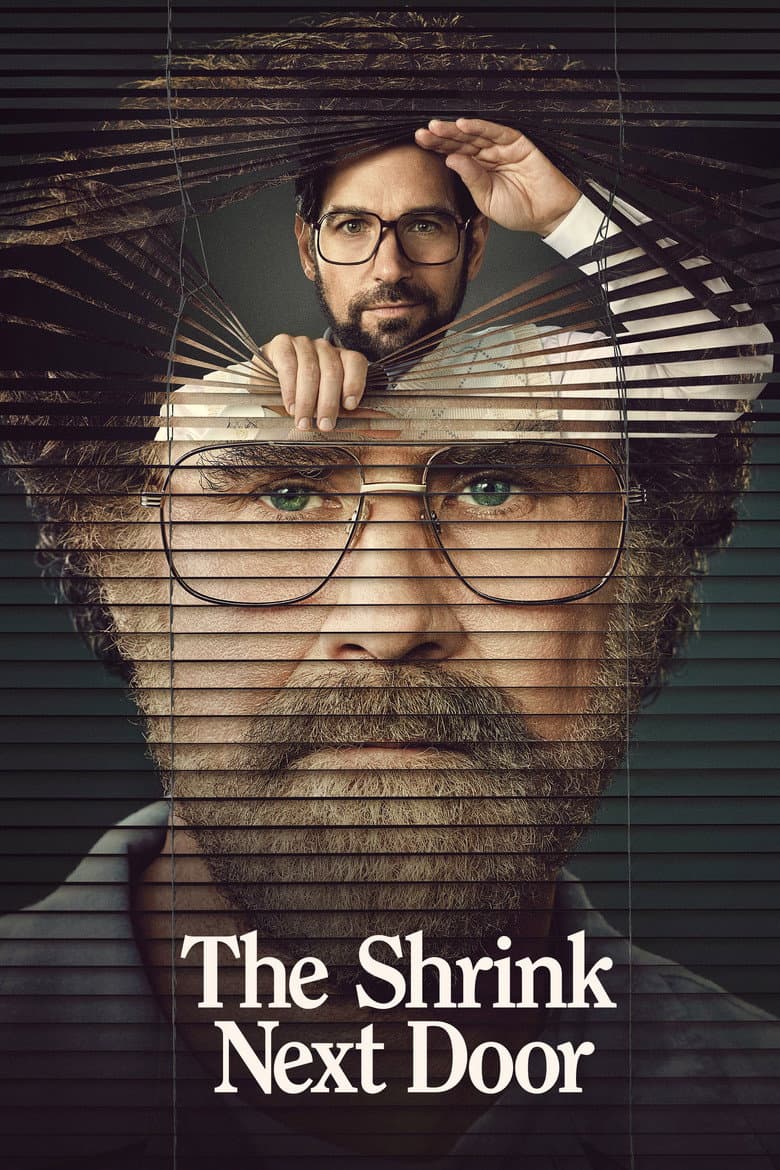
Inspired by the true story of Marty and the therapist who turned his life around...then took it over. When he first meets Dr. Ike, Marty just wants to get better at boundaries.
TV Show · 2026
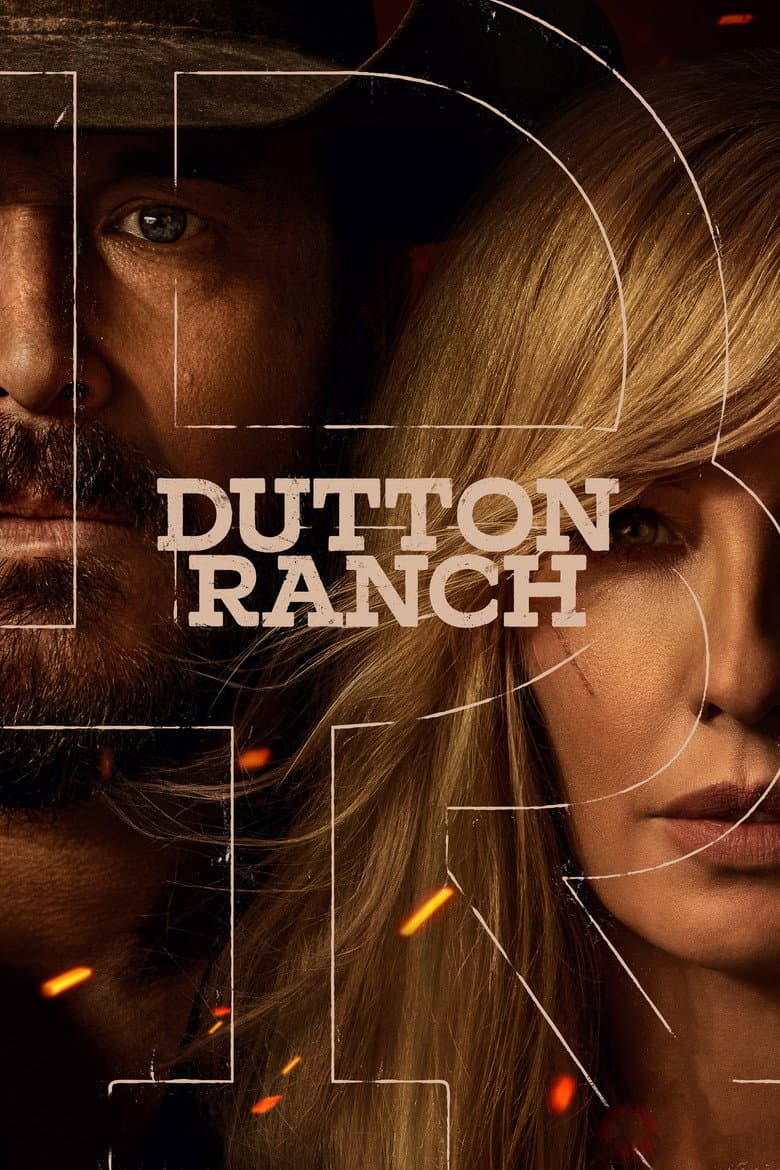
Rip Wheeler and Beth Dutton gamble everything on a new life in South Texas, but the promise of building a future far from the ghosts of Yellowstone quickly collides with brutal…
TV Show · 2021
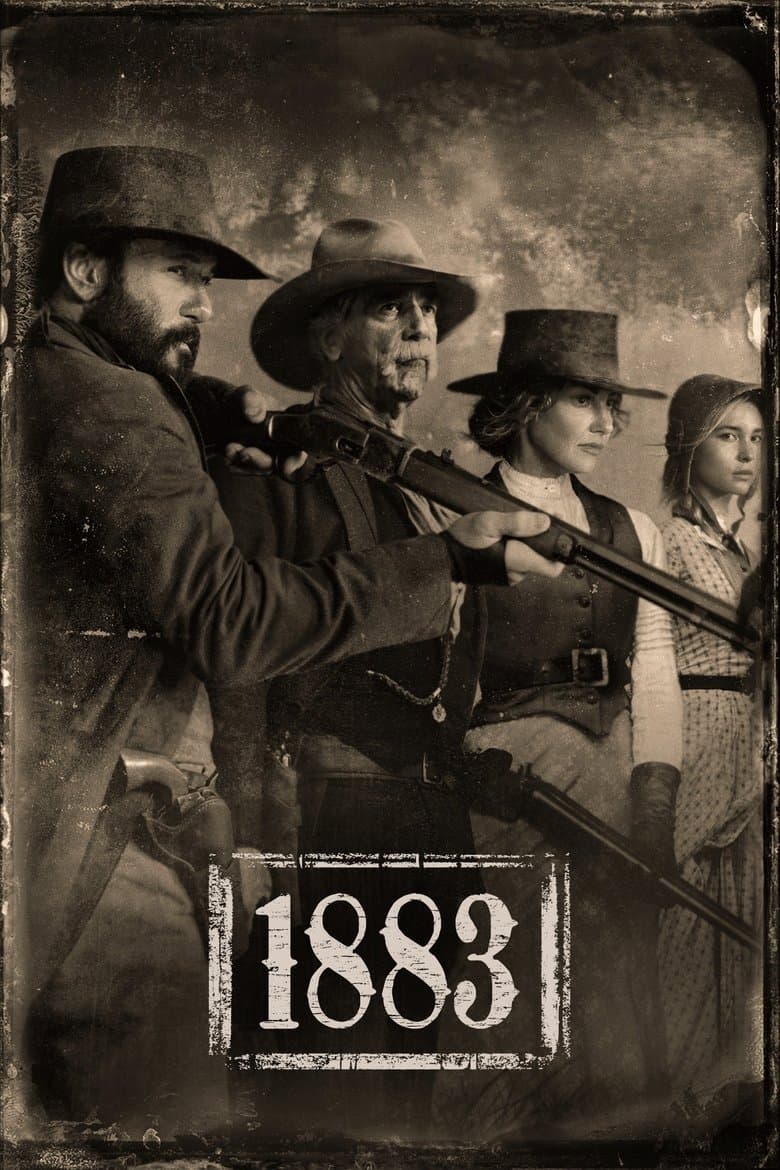
Follow the Dutton family as they embark on a journey west through the Great Plains toward the last bastion of untamed America.
TV Show · 2020
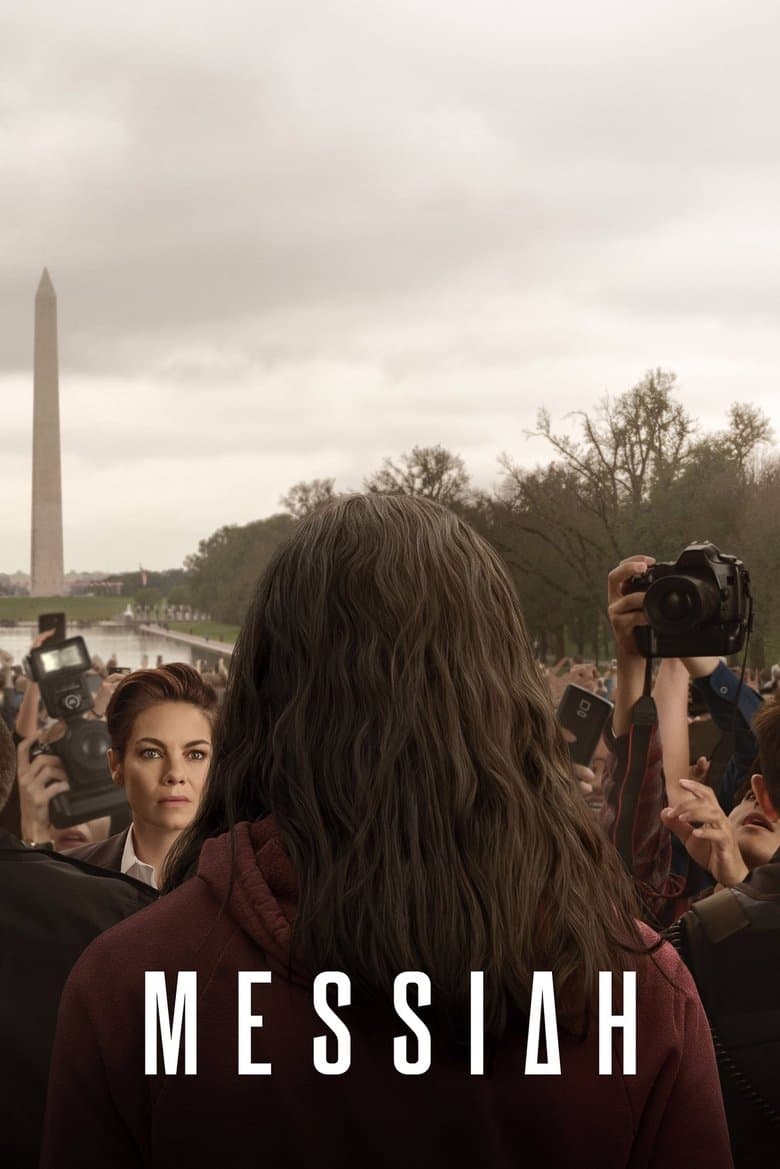
A wary CIA officer investigates a charismatic man who sparks a spiritual movement and stirs political unrest. Who exactly is he? And what does he want?
TV Show · 2016
The love story of young Countess Natasha Rostova and Count Pierre Bezukhov is interwoven with the Great Patriotic War of 1812 against Napoleon's invading army.
