Started September 2, 2021 · Canceled · Based on 1 season, 10 episodes through September 2, 2021 · TV-MA · 22 min
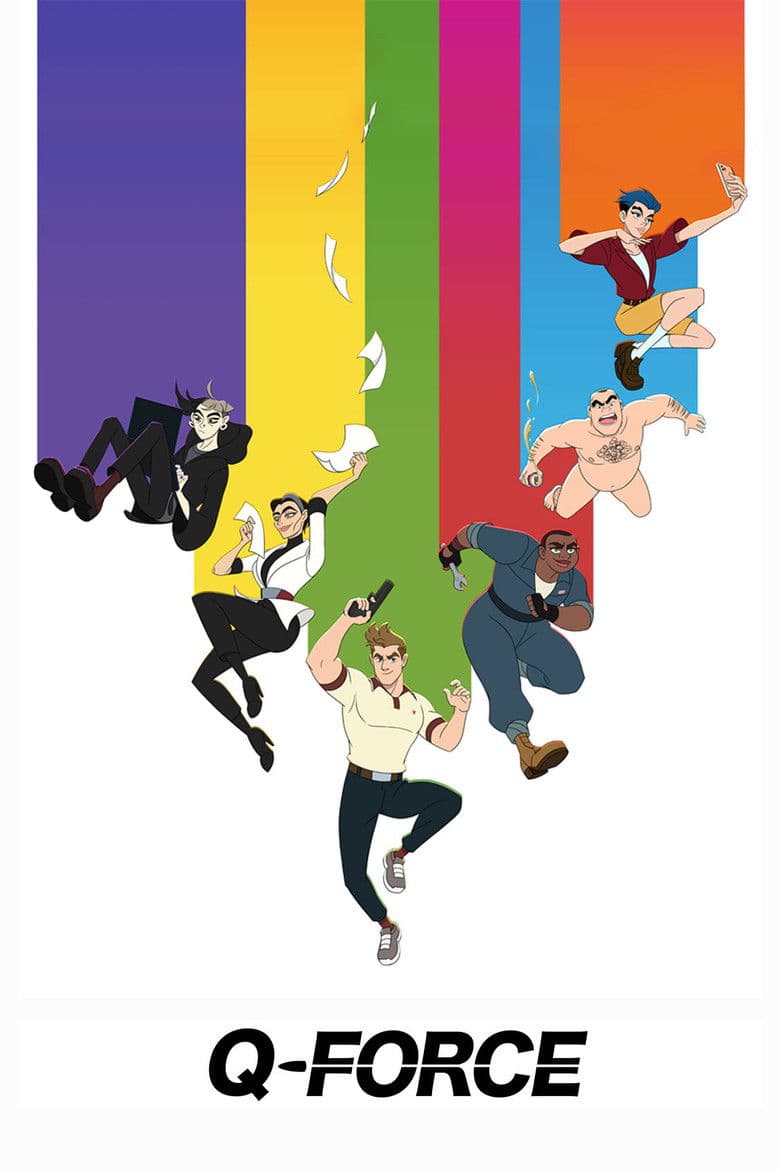
Q-Force follows Steve “Mary” Maryweather, a top spy trainee who comes out as gay during his graduation speech. The American Intelligence Agency sends him to West Hollywood, where he spends ten years waiting for a real mission. Mary builds a team with Deb, Stat, and Twink, and the agency later adds the straight agent Rick Buck. The team must prove that its members can do the job while the agency keeps them out of the field. The show uses adult animation, spy missions, sex jokes, drag jokes, and quick pop-culture humor.
Queer identity drives almost every part of the season. Mary dates men, Deb is married to Pam, Stat falls for a female AI, and Twink uses drag and disguise as a spy skill. The team faces open homophobia, insults, and an agency plan that tries to keep LGBTQ agents hidden. The final episodes turn that conflict into a fight at a Pride celebration, while the squad saves the world. The tone treats queer friendship and romance as normal parts of a loud, raunchy spy comedy.
Community feedback
Was our 89% Woke rating accurate?
Breakdown
These are the editorial factors and ratings behind our score for Q-Force.
Woke representation / casting
The main squad is explicitly LGBTQ, and the show makes that identity visible in every mission. The team includes a gay male leader, a lesbian black mechanic, a drag performer, and a hacker. The show presents the squad as queer heroes and uses LGBTQ actors in several key voice roles. This is a strong representation-first casting pattern because queer identity defines the whole team.
90%
Woke political dialogue
Mary announces that he is gay during his graduation speech, and the AIA responds by removing him from its main path. The agency repeatedly treats the squad’s LGBTQ identity as a reason to keep them out of the field. The season later reveals a plan to hide queer agents, which turns the conflict into a direct message about discrimination. The show uses jokes more often than long political speeches, so the political dialogue is important but not constant.
50%
Identity-driven story themes
Queer identity drives the premise, the team, and the season-long conflict. Mary’s coming-out changes his career, and the team fights an agency that treats queer agents as a problem to hide. Deb’s marriage to Pam, Mary’s relationship with Benji, Stat’s romance with an AI, and Twink’s drag work keep queer life on screen across the season. The Pride-set finale makes the identity message part of the climax.
94%
Western institutional / cultural critique
The American Intelligence Agency’s macho leadership sidelines Mary after he comes out and blocks the team from field work. Buck represents the crude straight male culture that the show often mocks. The season reveals that the agency has a plan to keep queer agents hidden and treats that plan as an abuse of power. The show attacks homophobia and macho workplace rules, but it does not focus on Christianity, capitalism, or family life as institutions.
48%
Woke character or canon changes
Not relevant. Q-Force is an original series with no established characters or historical figures to reinterpret.
0%
Anti-woke backlash and complaints
Small accounts called the show LGBT propaganda or left-wing propaganda and put it on woke-show ban lists. Some accounts mocked it as forced pandering after the cancellation was announced. The reaction was scattered, and no organized boycott, major review-bombing drive, or large conservative campaign was found.
15%
Creator track record context
Gabe Liedman has a clear queer-focused record, and he created Q-Force. Sean Hayes has a long record of LGBTQ representation, and Todd Milliner has made queer-focused work. Michael Schur and David Miner have milder or less identity-focused records in the available summaries. The creator context supports the show’s identity focus, but the full team does not have the same activist profile.
60%
Production
TV Show · 2024
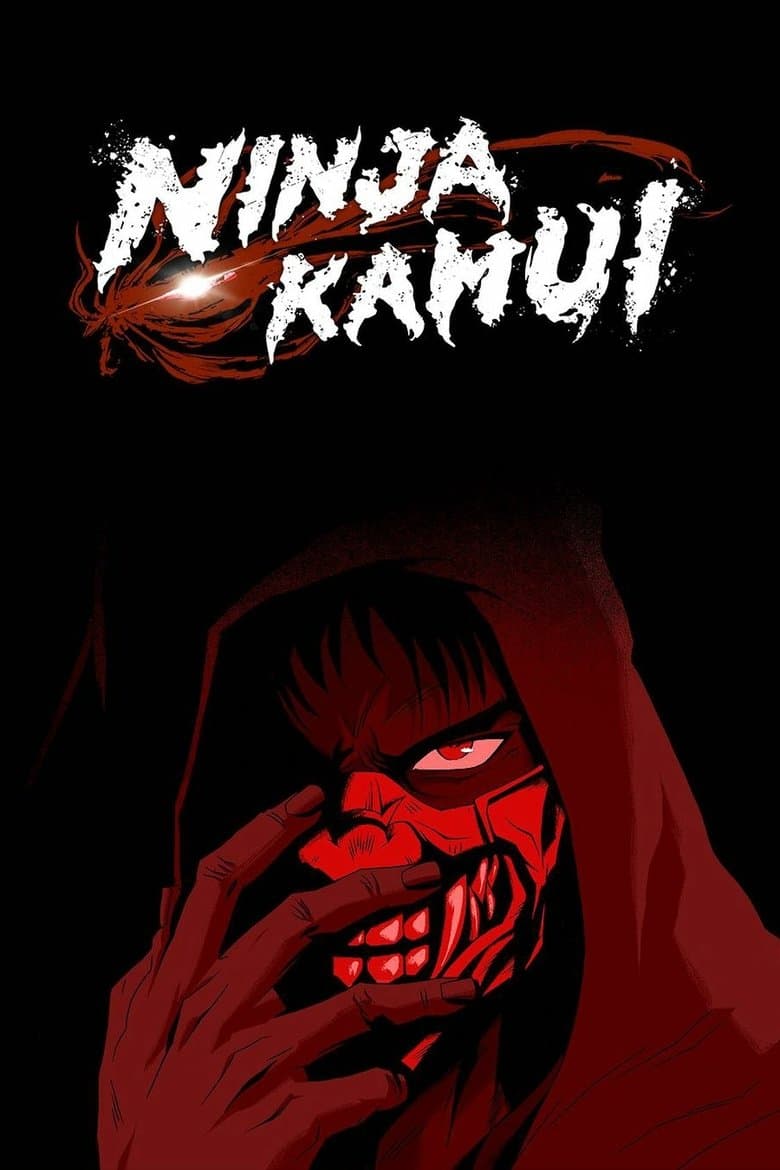
A team of assassins exacts a bloody retribution on Joe Logan – a former ninja who escaped his clan – and his family for betraying their ancient code.
TV Show · 2019
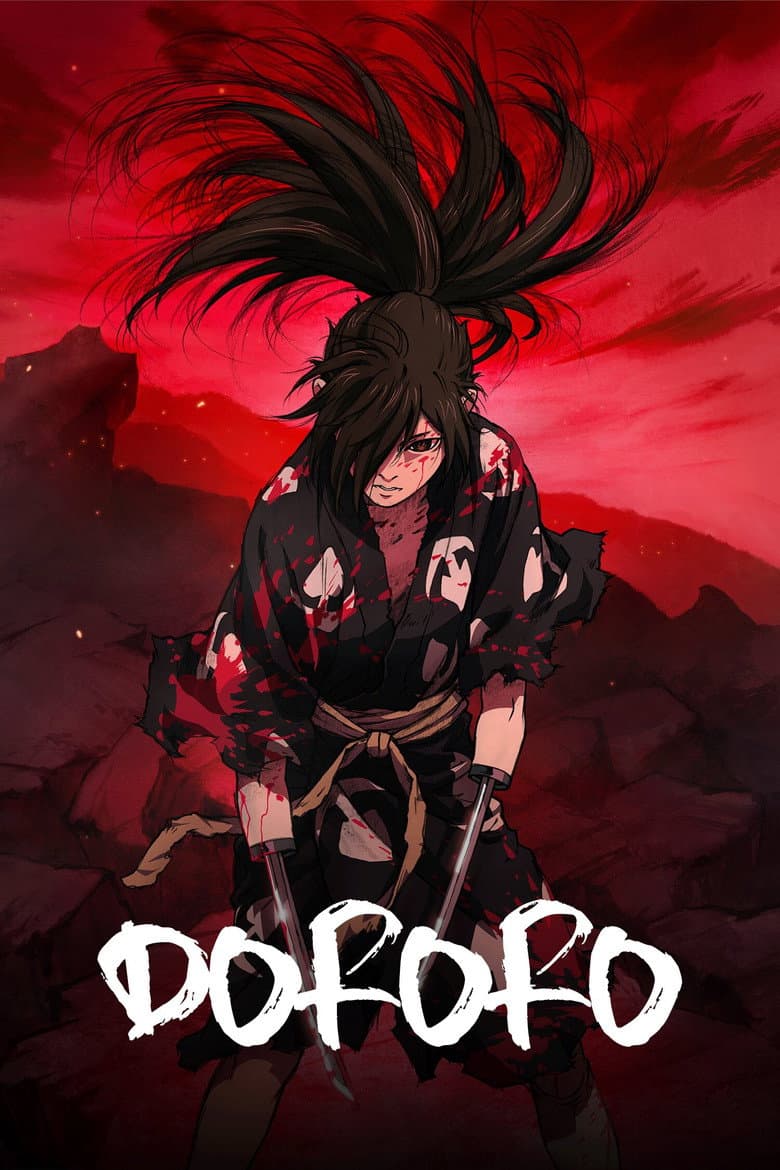
During the Warring States period, the young thief Dororo encounters Hyakkimaru, a strange, sightless boy who wields fearsome prosthetics in place of his missing limbs.
TV Show · 2017
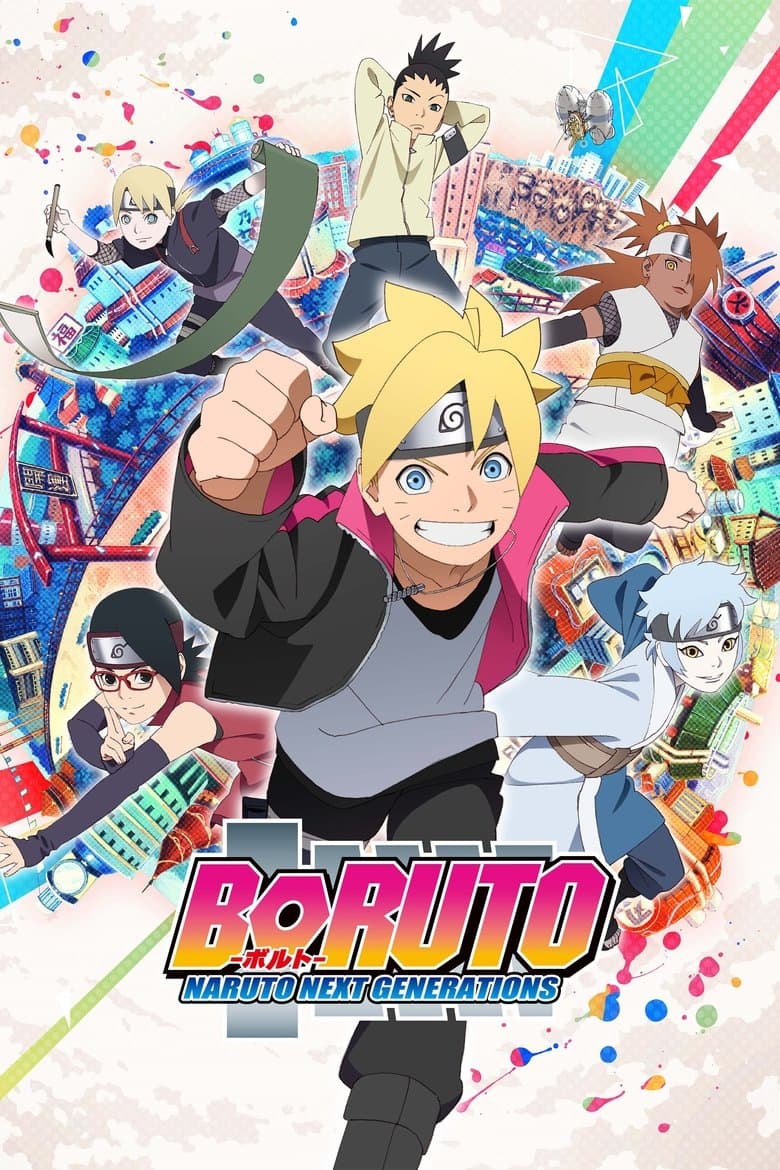
The life of the shinobi is beginning to change. Boruto Uzumaki, son of Seventh Hokage Naruto Uzumaki, has enrolled in the Ninja Academy to learn the ways of the ninja.
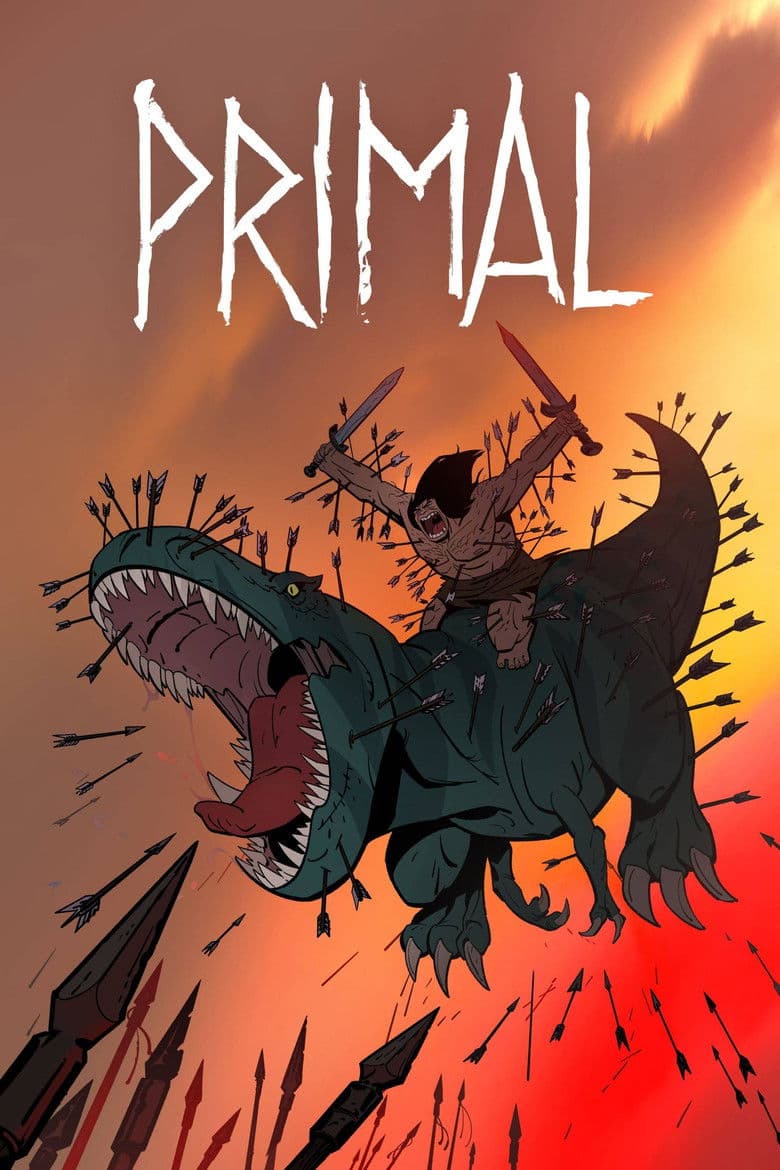
TV Show · 2019
A caveman forms a bond with a dinosaur as they struggle to survive in a hostile world.
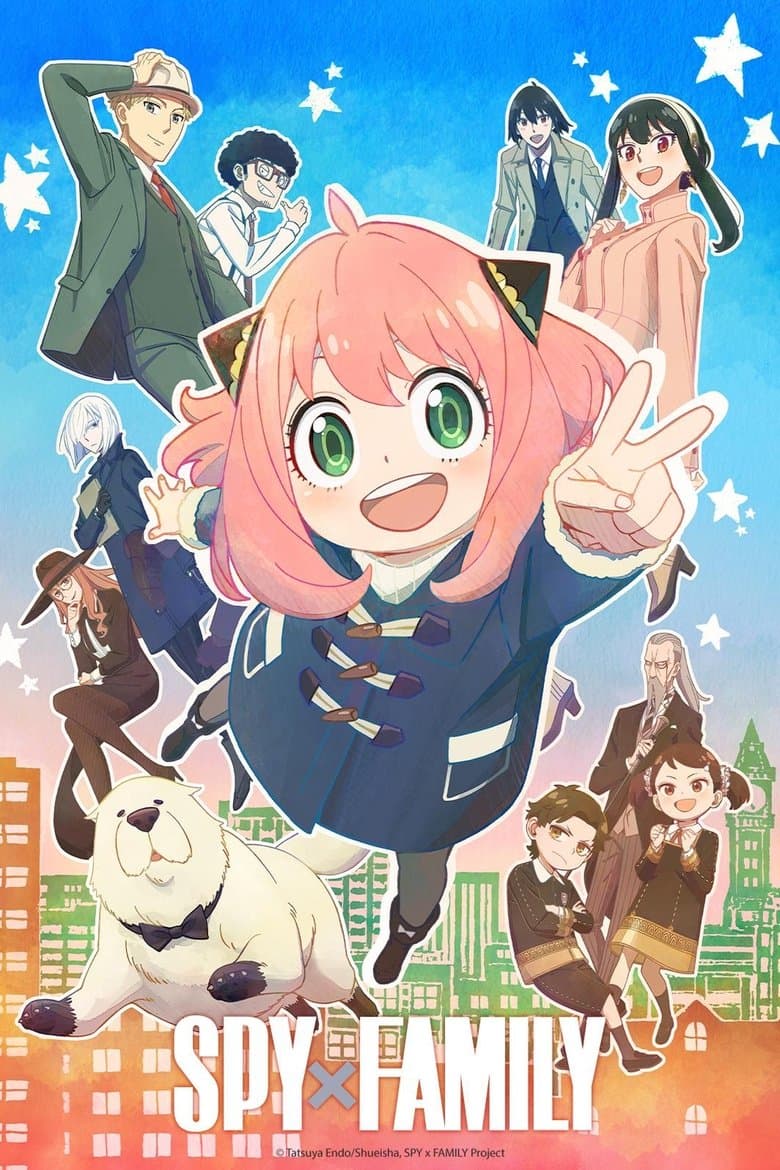
TV Show · 2022
A spy, an assassin and a telepath come together to pose as a family, each for their own reasons, while hiding their true identities from each other.
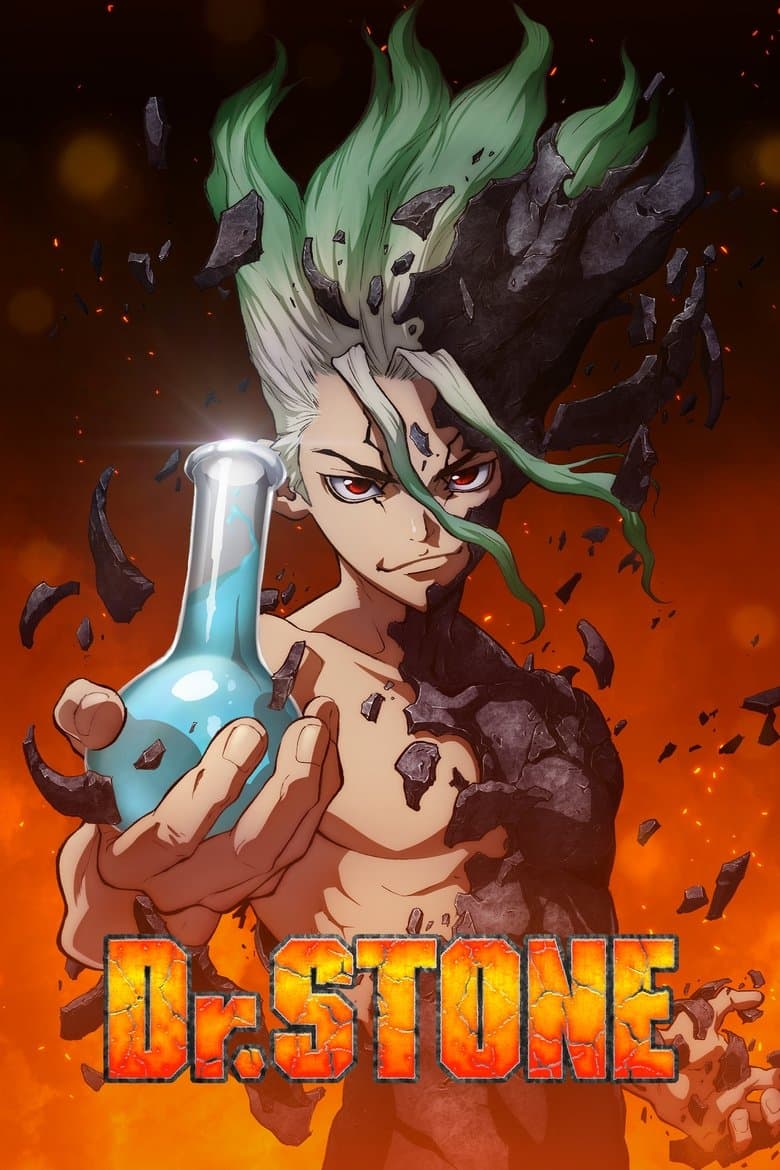
TV Show · 2019
One fateful day, all of humanity was petrified by a blinding flash of light. After several millennia, high schooler Taiju awakens and finds himself lost in a world of statues.
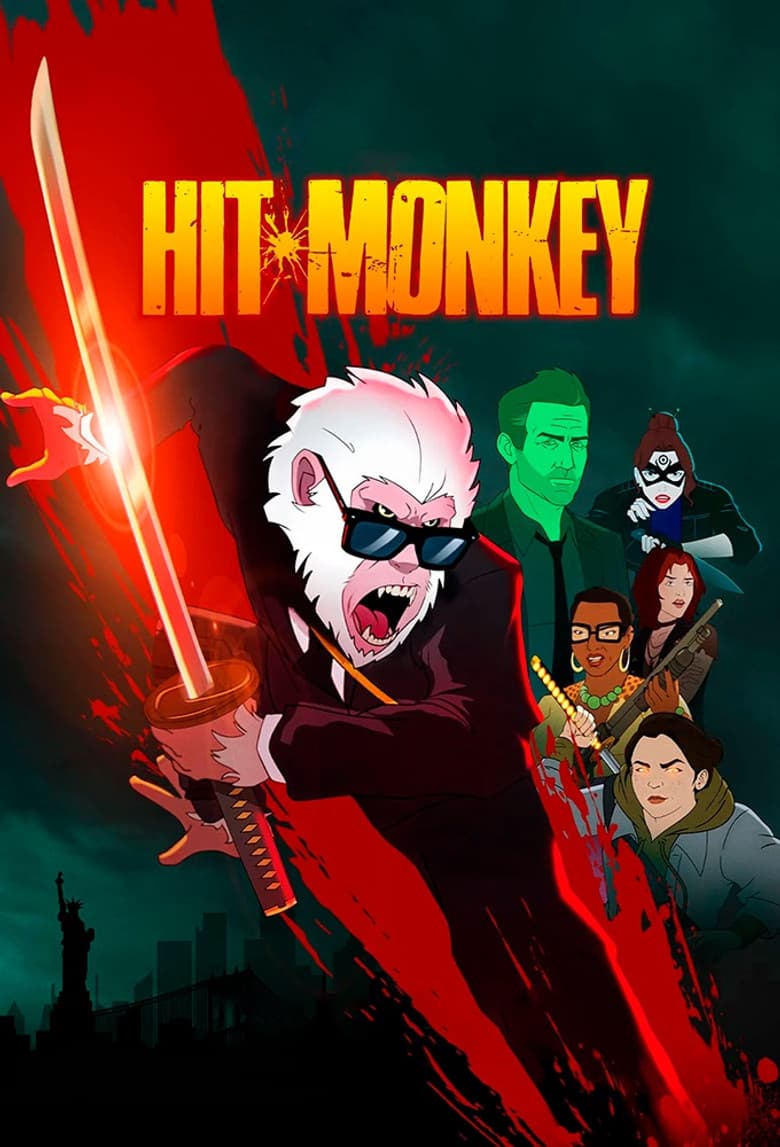
TV Show · 2021
After a high-profile political assassination goes sideways, an injured hitman hides out amongst a tribe of snow monkeys in the mountains of Japan.
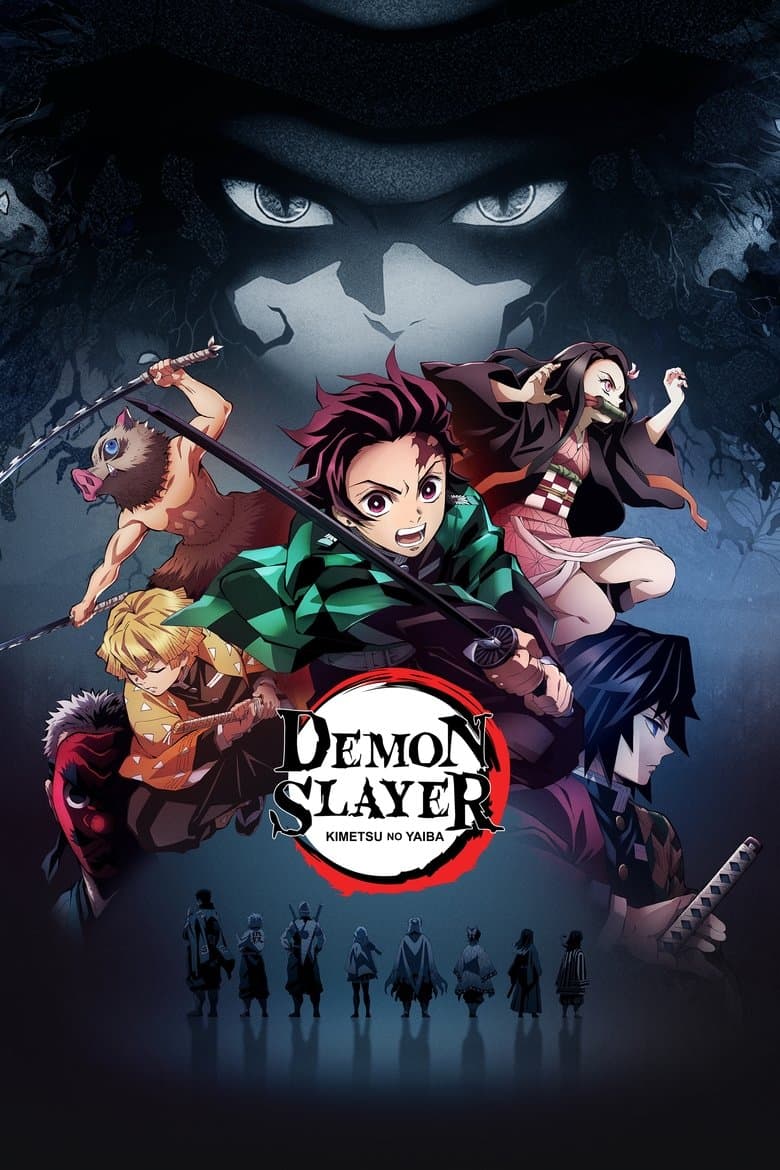
TV Show · 2019
After a demon attack leaves his family slain and his sister cursed, Tanjiro embarks upon a perilous journey to find a cure and avenge those he's lost.
