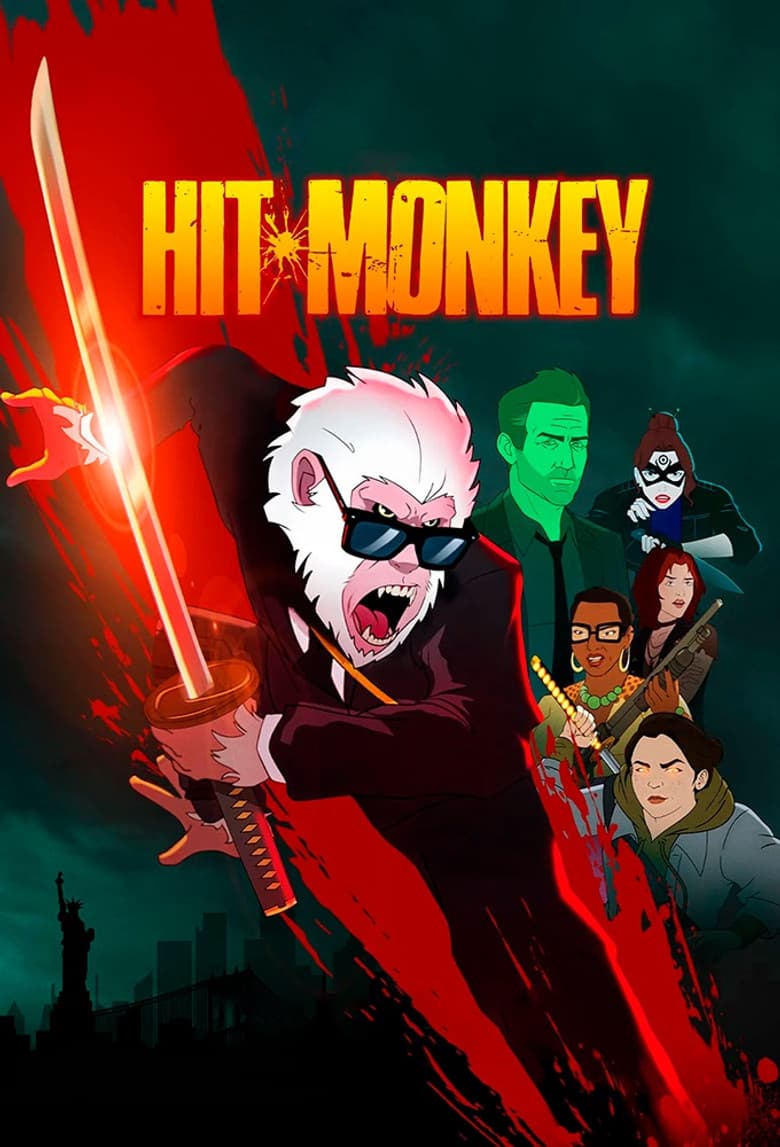
Started November 17, 2021 · Canceled · Based on 2 seasons, 20 episodes through July 15, 2024 · TV-MA
Marvel’s Hit-Monkey follows a Japanese snow monkey whose tribe is killed by human gunmen in the mountains of Japan. The monkey takes the guns of a dying American hitman and becomes a killer of killers with the hitman’s ghost as his guide. Season 1 sends the pair through Tokyo’s yakuza world and a political murder plot. Season 2 moves them to New York, where the monkey faces his violent past while Bryce tries to repair his broken life and relationship with his daughter. The show mixes bloody action, crude jokes, supernatural fights, grief, and redemption.
Most of the show’s focus stays on revenge, crime, guilt, friendship, family, and the cost of violence. Season 2 gives Iris a female love interest named Danke, which adds a clear but small LGBTQ relationship to the story. Several women also hold important jobs and fight major battles, including police officer Haruka, assassins Akiko and Lady Bullseye, and agent Eunice. Monkey struggles to stop killing, while Bryce seeks forgiveness from his daughter and tries to make better choices. The story treats these arcs as part of a bloody supernatural adventure about redemption and family.
Community feedback
Was our 18% Woke rating accurate?
Breakdown
These are the editorial factors and ratings behind our score for Marvel's Hit-Monkey.
Woke representation / casting
The show gives several women major and skilled roles. Haruka is a police officer, Akiko and Lady Bullseye are major assassins, and Eunice runs an assassin network. Season 2 also gives Iris a large family plot and pairs her with Danke. Tokyo's Japanese cast fits the setting, and New York supports a mixed cast. The story does not present these choices as a diversity campaign.
22%
Woke political dialogue
Not present. Season 1 includes an election and a political assassination, but the show does not use recurring activist speeches or modern identity-politics debate.
0%
Identity-driven story themes
Season 2 gives Iris a female love interest named Danke. Their relationship is a small part of Iris's family and crime story. The show does not make queer identity the main subject, but the relationship is a clear LGBTQ element.
18%
Western institutional / cultural critique
Not present. The show attacks corrupt officials, police failures, criminal groups, and an old power circle. Those conflicts stay inside a crime and fantasy story and do not become a modern critique of Western culture, capitalism, religion, family, or gender roles.
0%
Woke character or canon changes
Not relevant. The show keeps the Japanese macaque and revenge setup from the comic. New side characters and plot details expand the story without changing a known character's identity.
0%
Anti-woke backlash and complaints
Not present. The separate X research found no anti-woke complaints, and no major web report found a sustained claim that the show pushes DEI or identity politics.
0%
Creator track record context
The cached creator context gives Will Speck and Josh Gordon scores of 13 each. The cached writer and producer scores range from 0 to 6. Speck and Gordon's known political work is the 2010 “Make Homosexuals Marry” equality satire. Interviews about this show focus on violence, comedy, heart, revenge, and redemption.
10%
Production
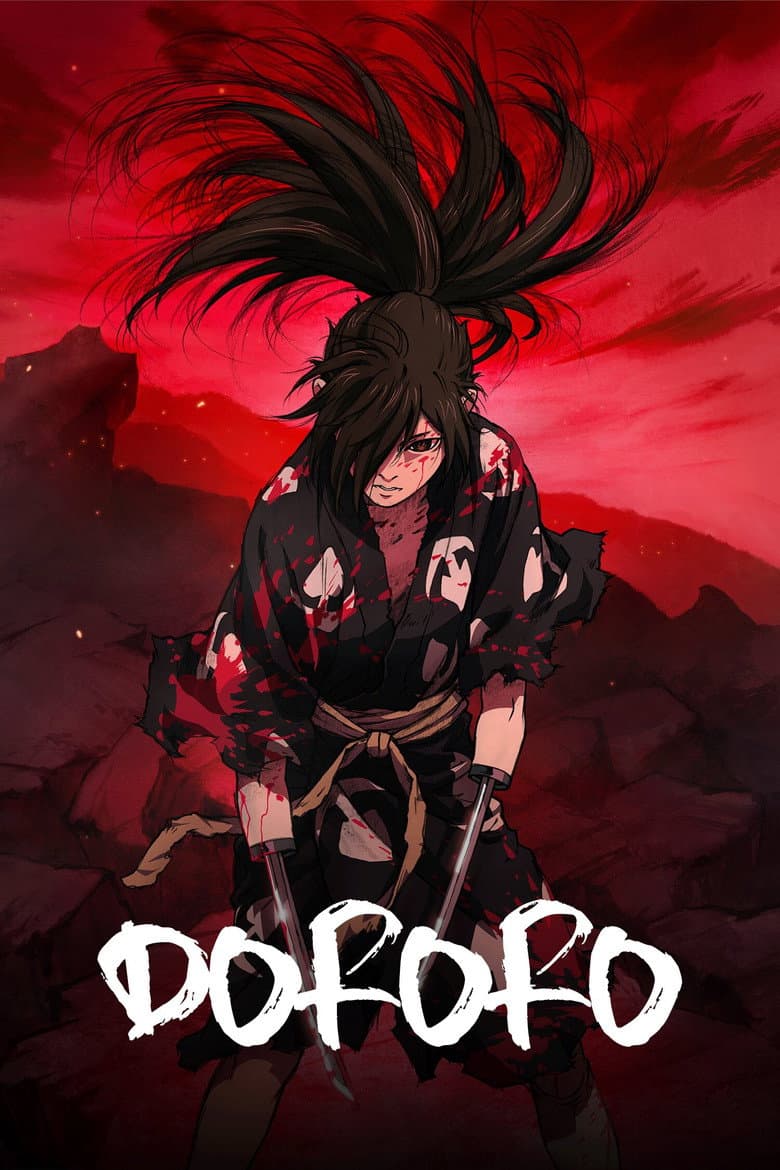
TV Show · 2019
During the Warring States period, the young thief Dororo encounters Hyakkimaru, a strange, sightless boy who wields fearsome prosthetics in place of his missing limbs.
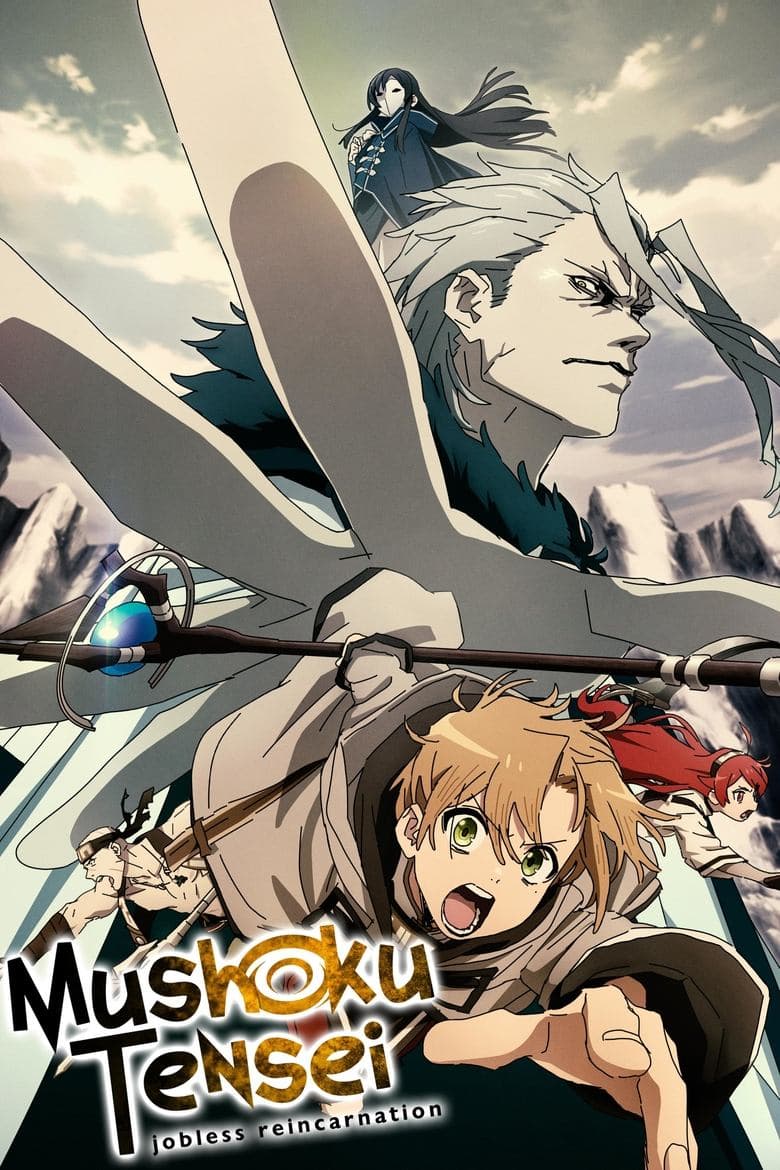
TV Show · 2021
When a 34-year-old underachiever gets run over by a truck, his story doesn't end there. Reincarnated in a new world as an infant, Rudy will seize every opportunity to live the…
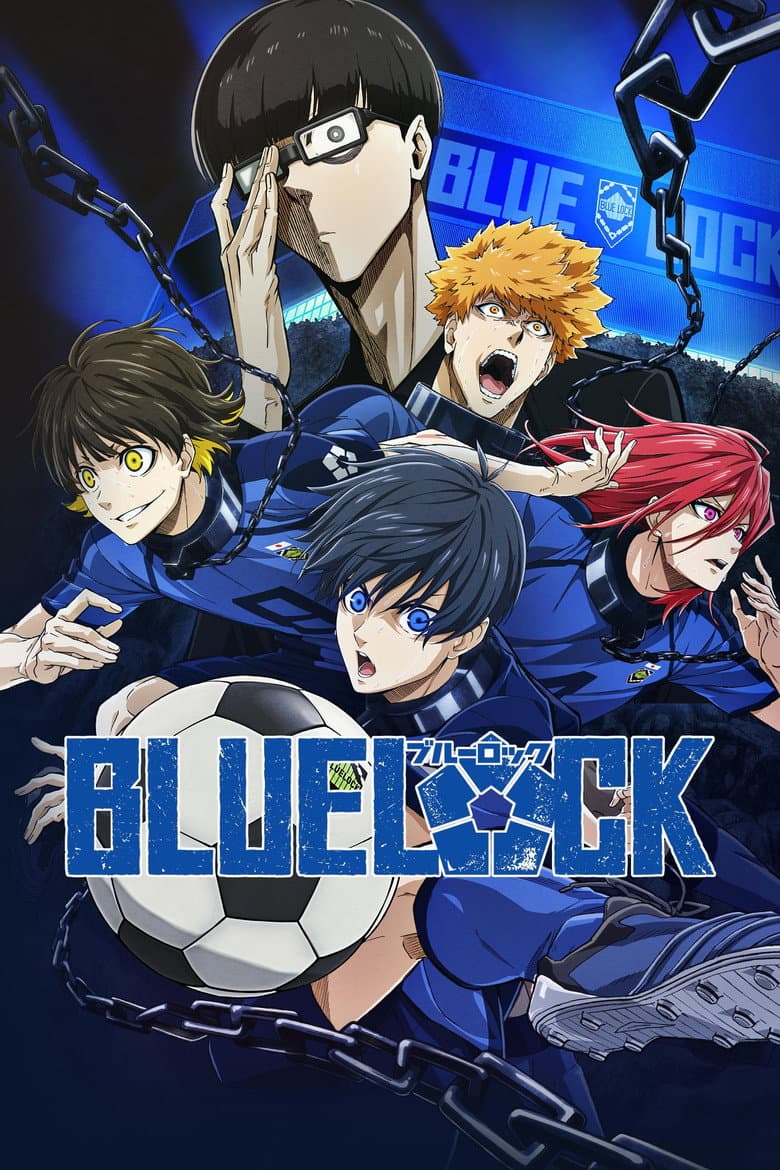
TV Show · 2022
High school soccer players from across Japan gather for a controversial project designed to create the best — and most egoistic — striker in the world.
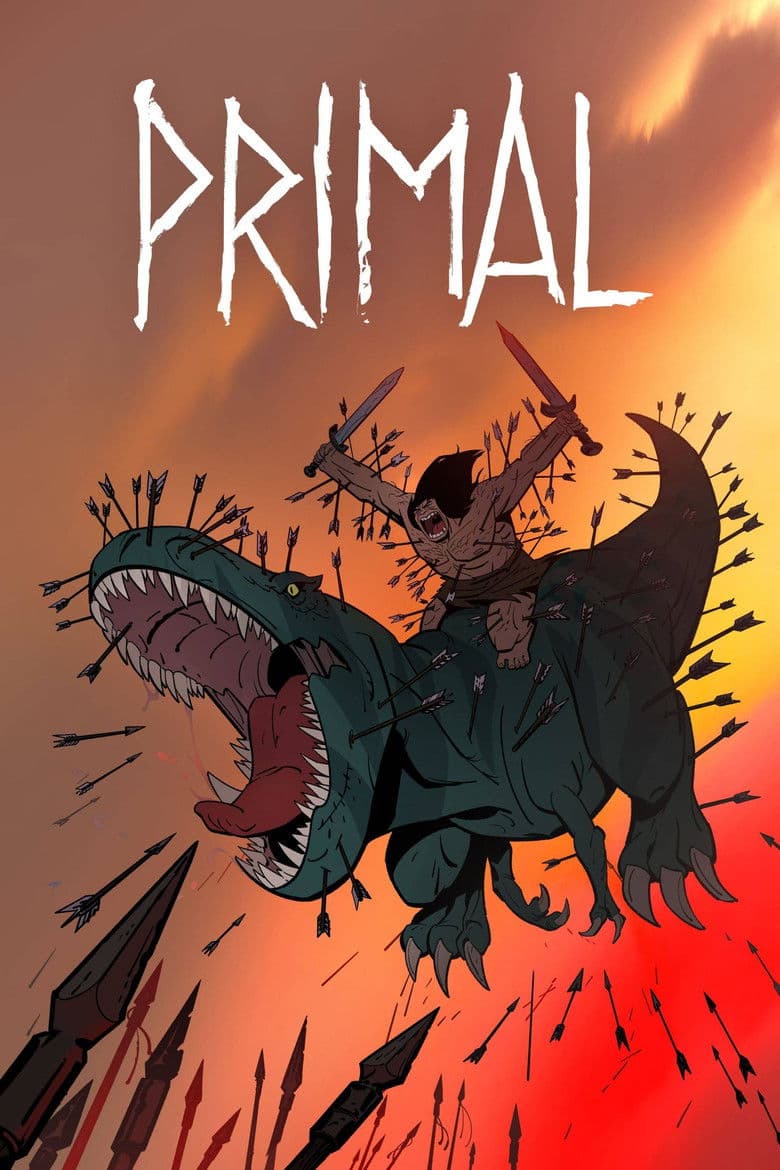
TV Show · 2019
A caveman forms a bond with a dinosaur as they struggle to survive in a hostile world.
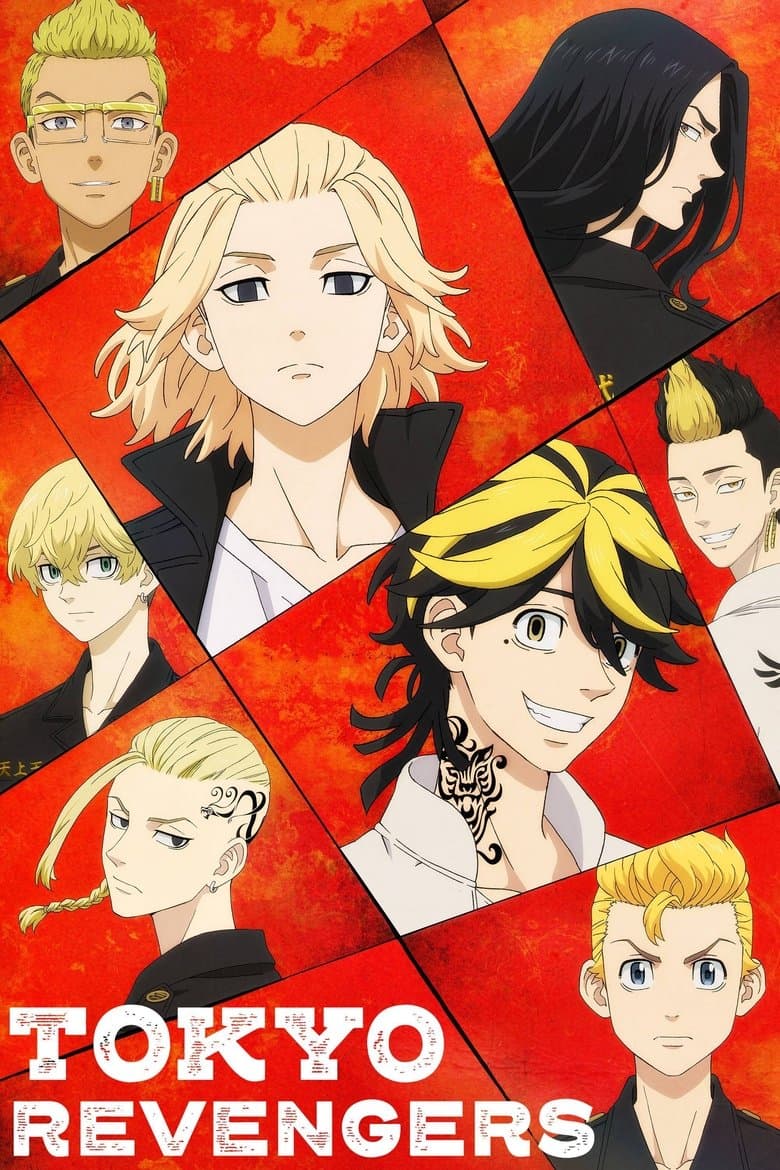
TV Show · 2021
Takemichi Hanagaki is a freelancer that’s reached the absolute pits of despair in his life. He finds out that the only girlfriend he ever had, in middle school, Hinata Tachibana…
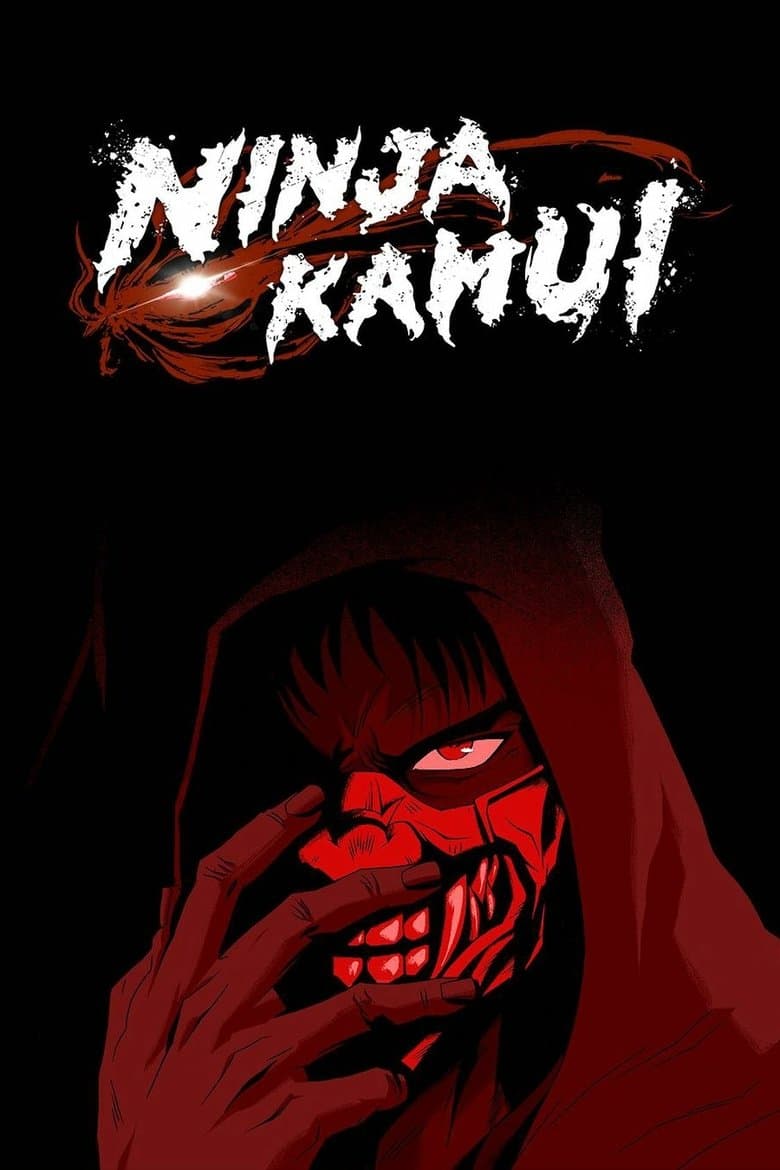
TV Show · 2024
A team of assassins exacts a bloody retribution on Joe Logan – a former ninja who escaped his clan – and his family for betraying their ancient code.
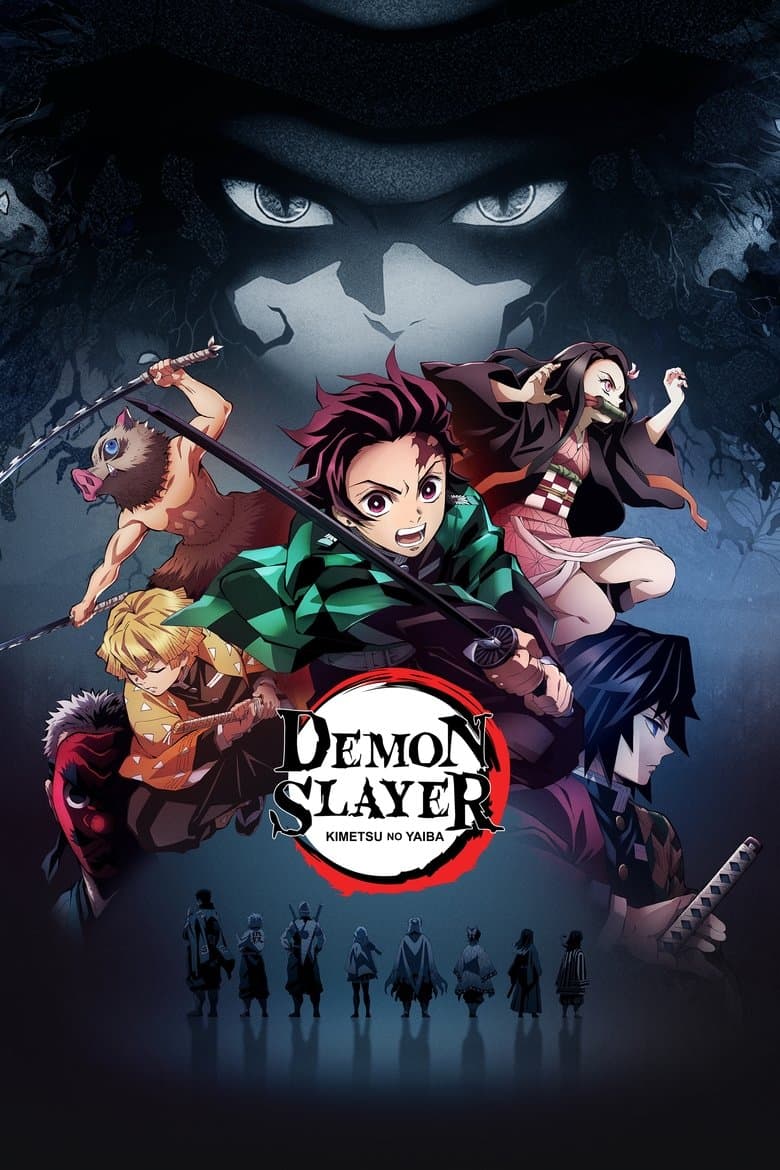
TV Show · 2019
After a demon attack leaves his family slain and his sister cursed, Tanjiro embarks upon a perilous journey to find a cure and avenge those he's lost.
TV Show · 2020
