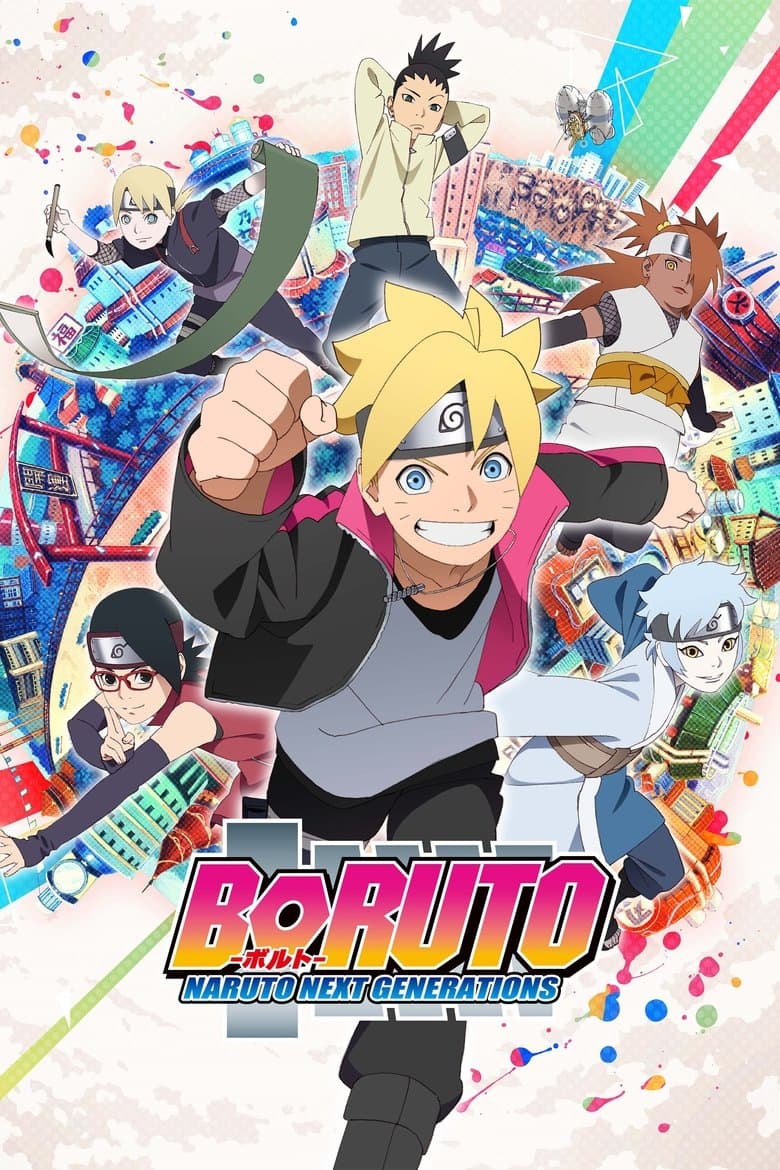
Started April 5, 2017 · Returning Series · Based on 1 season, 293 episodes through March 26, 2023 · TV-14 · 25 min · Japanese
Boruto Uzumaki is the son of Naruto Uzumaki, the Hokage who leads the Hidden Leaf Village. Boruto enters the Ninja Academy with Sarada Uchiha and Mitsuki, then takes missions as the village faces old enemies and new threats. The story moves from school adventures and family arguments to battles with alien clans, secret groups, and engineered fighters. Its tone mixes comedy, friendship, ninja action, and darker danger.
The clearest woke element is a short story about Orochimaru, Mitsuki’s parent, who says there have been times when Orochimaru was a man and times a woman, and that outside labels do not matter. Mitsuki’s own story also asks whether a created child can choose a path instead of obeying the person who made him. These ideas appear beside the larger themes of family, free will, loyalty, sacrifice, and the cost of new technology. The gender discussion is clear but brief, while the 293-episode story remains a fantasy action series rather than a modern political drama.
Community feedback
Was our 27% Woke rating accurate?
Breakdown
These are the editorial factors and ratings behind our score for Boruto: Naruto Next Generations.
Woke representation / casting
Not present. The show is animated, and its Japanese-inspired ninja world does not use a diversity-first casting message. Female fighters and leaders appear as normal parts of the setting rather than as a repeated identity campaign.
0%
Woke political dialogue
Mitsuki asks whether Orochimaru is his mother or father. Orochimaru says there were times when Orochimaru was a man and times a woman, and that outside labels do not matter. The exchange is easy to notice but lasts only a short scene. The series has no repeated speeches about DEI or current identity politics.
24%
Identity-driven story themes
Mitsuki’s origin story centers on a child made in a lab who must choose an independent path. Orochimaru’s gender-fluid identity adds a clear identity theme to that family story. The show returns often to questions of bodies, memory, free will, and belonging, but most of those questions belong to fantasy science and ninja lore. The gender element is limited and does not drive the full series.
30%
Western institutional / cultural critique
Not present. The show includes village politics, criminal groups, and abuse by villains. It does not turn those conflicts into modern critiques of Western institutions, capitalism, patriarchy, or Christianity.
0%
Woke character or canon changes
Orochimaru, an established Naruto character, is given a more direct gender-fluid reading in Boruto. Orochimaru says there have been times when the character was a man and times a woman, then rejects the need for a mother or father label. The change is limited to a short family scene and does not alter the main cast or the world’s basic rules.
18%
Anti-woke backlash and complaints
A few small X accounts called Boruto more “woke” than Naruto. One sarcastic post joked about a “pride trio,” while another mocked the idea that Sarada’s Uchiha role made the show woke. A separate “woke nonsense” comment was about young characters becoming stronger, not DEI content. No major boycott, review bomb, or news campaign tied the series to woke politics was found.
12%
Creator track record context
Not present. The key creators are known mainly for conventional commercial anime work. No sustained activist, DEI, or representation-first public persona is linked to this show.
0%
Production
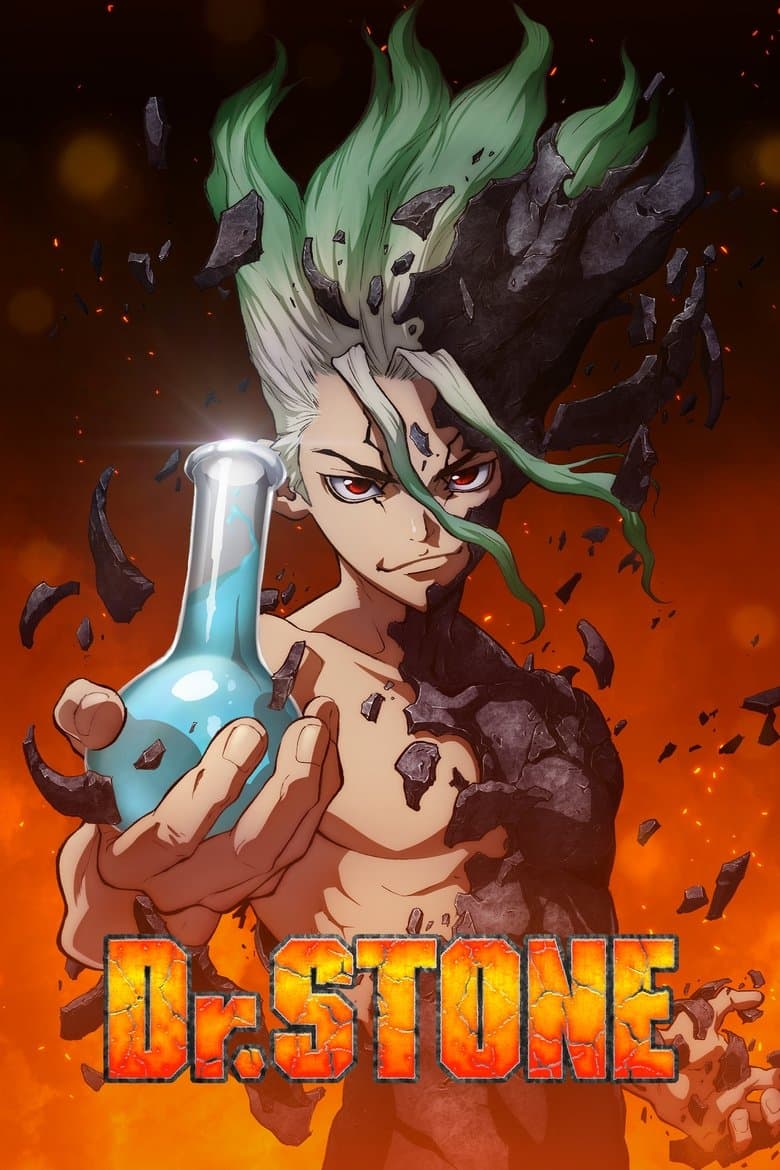
TV Show · 2019
One fateful day, all of humanity was petrified by a blinding flash of light. After several millennia, high schooler Taiju awakens and finds himself lost in a world of statues.
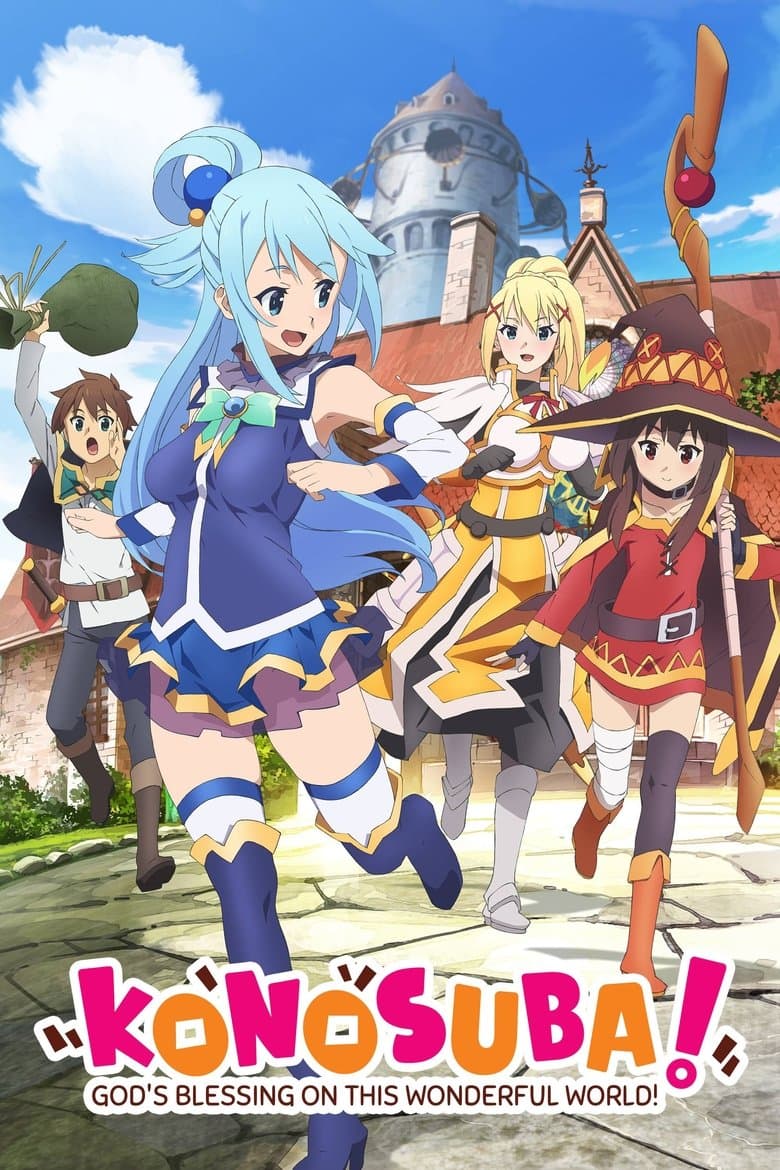
TV Show · 2016
After a traffic accident, Kazuma Sato’s disappointingly brief life was supposed to be over, but he wakes up to see a beautiful girl before him.
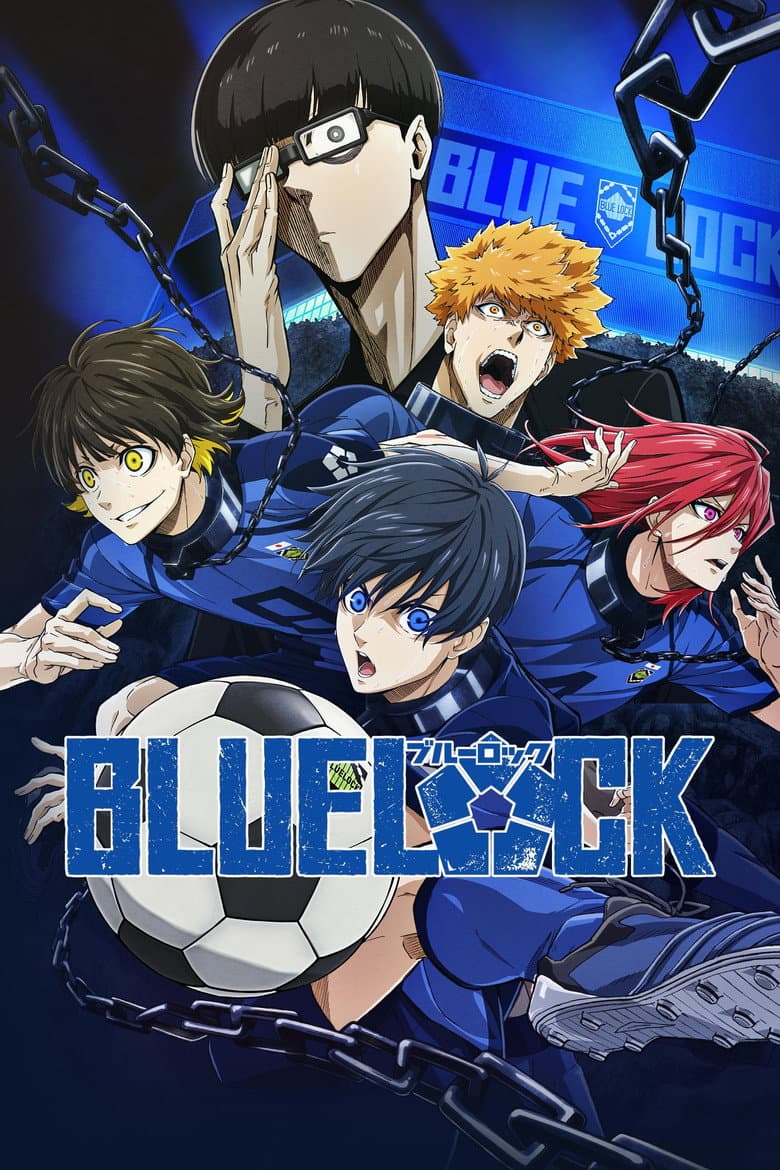
TV Show · 2022
High school soccer players from across Japan gather for a controversial project designed to create the best — and most egoistic — striker in the world.
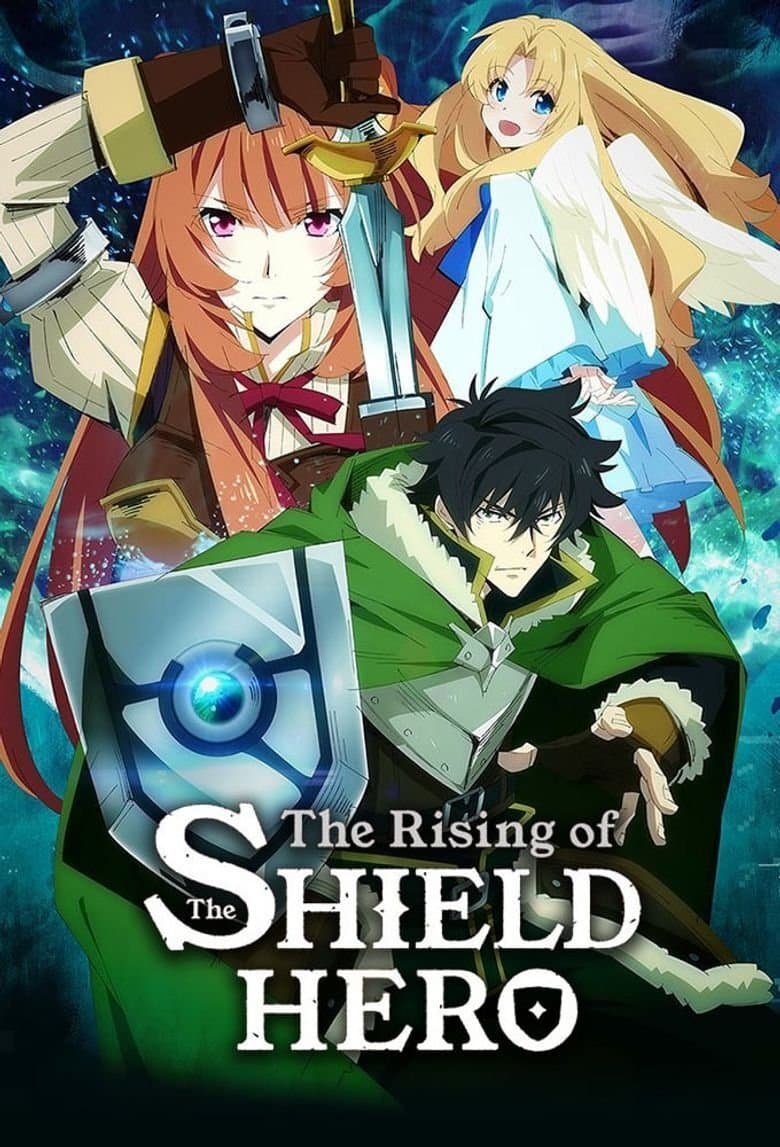
TV Show · 2019
Iwatani Naofumi, a run-of-the-mill otaku, finds a book in the library that summons him to another world. He is tasked with joining the sword, spear, and bow as one of the Four…
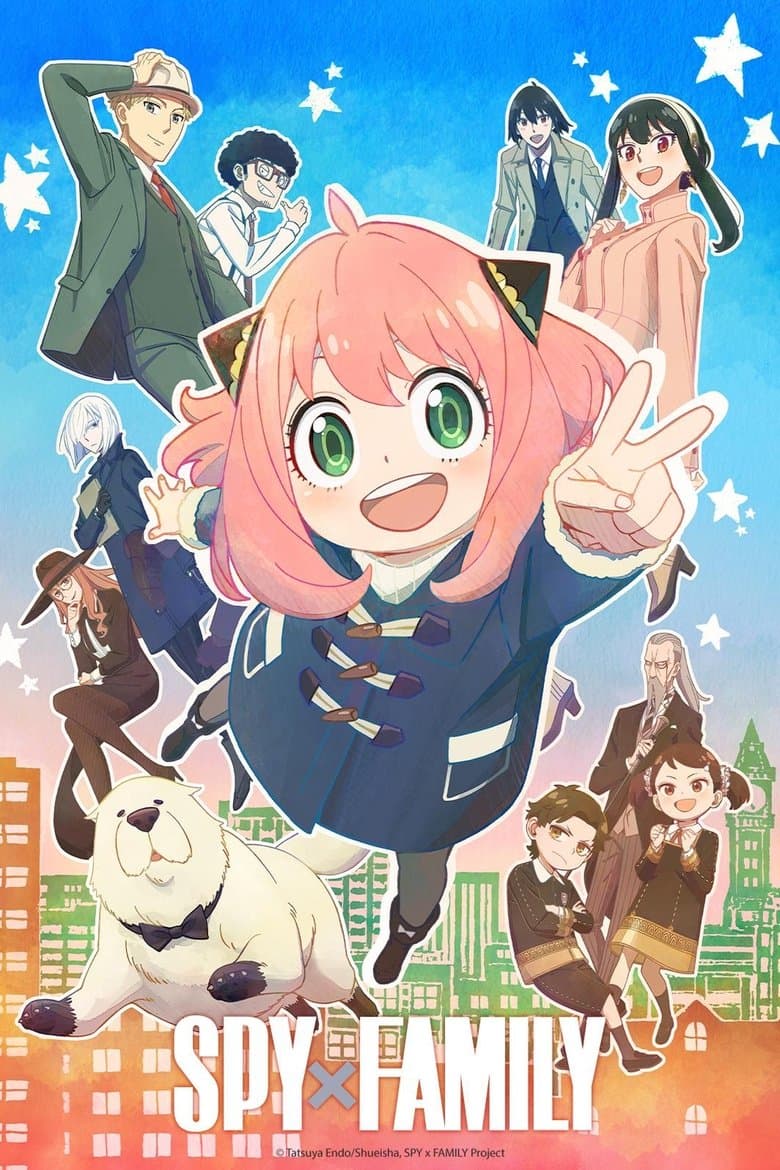
TV Show · 2022
A spy, an assassin and a telepath come together to pose as a family, each for their own reasons, while hiding their true identities from each other.
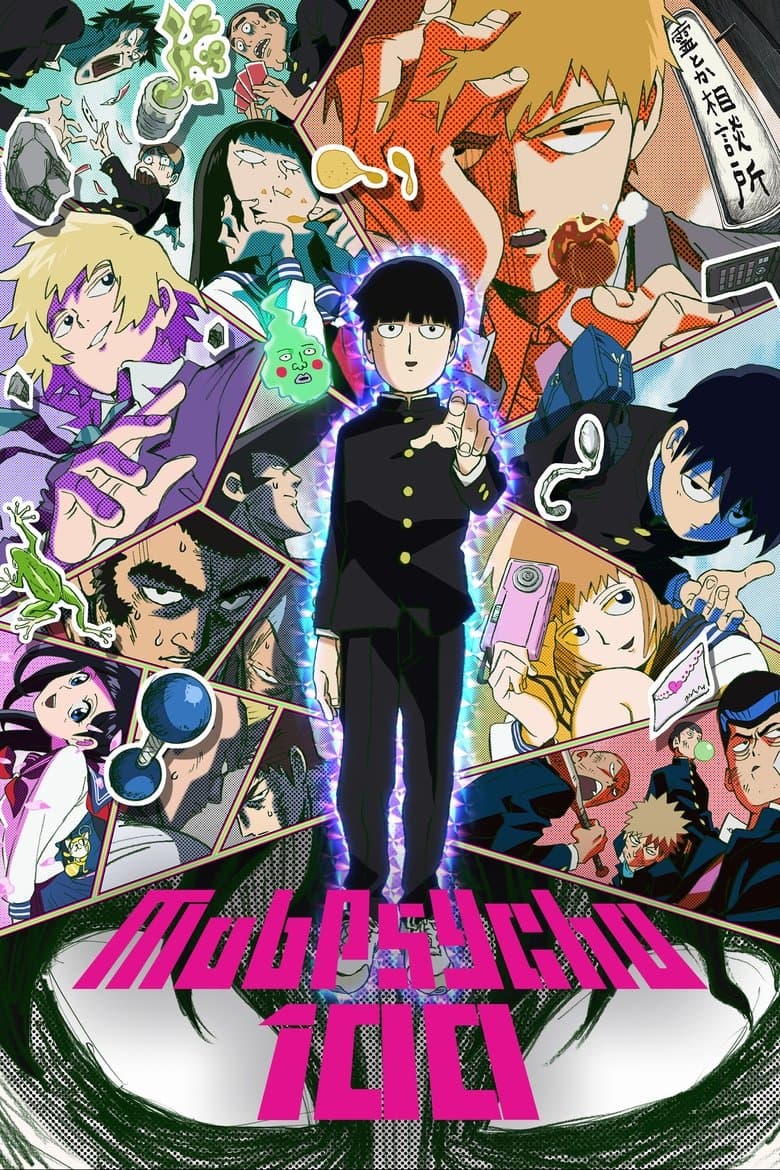
TV Show · 2016
Shigeo Kageyama, a.k.a. "Mob," is a boy who has trouble expressing himself, but who happens to be a powerful esper.
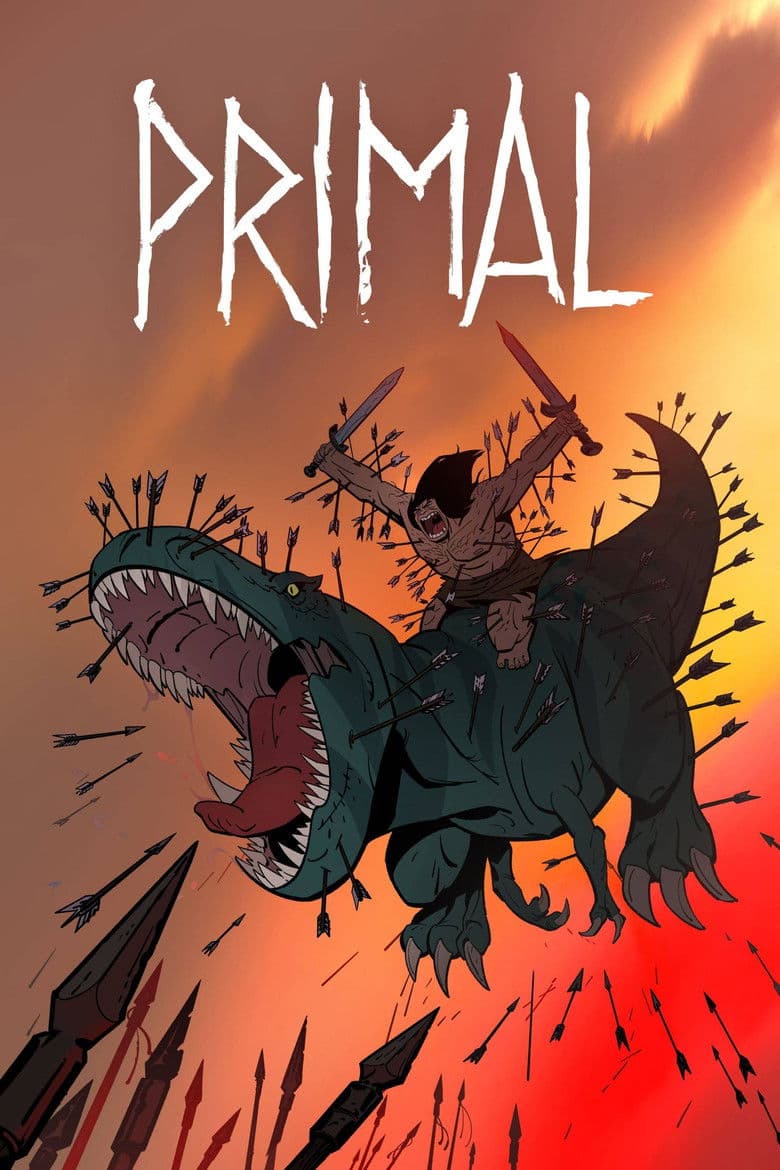
TV Show · 2019
A caveman forms a bond with a dinosaur as they struggle to survive in a hostile world.
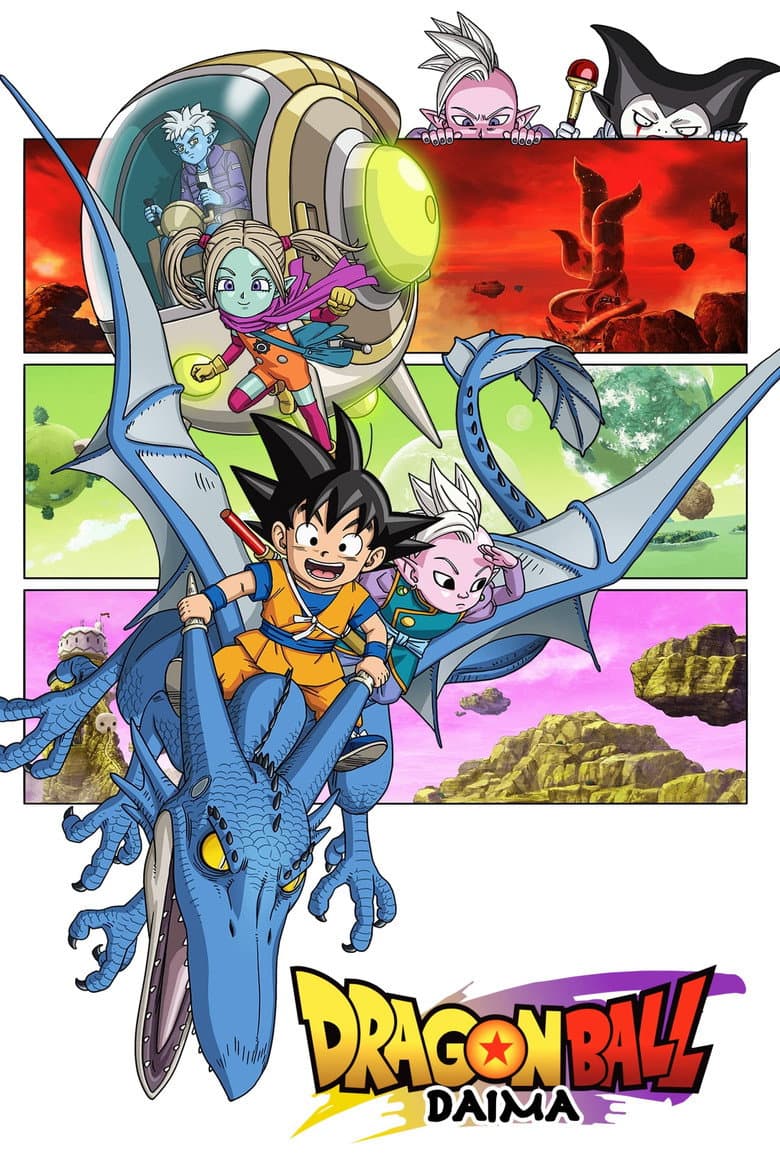
TV Show · 2024
Mysteriously transformed into mini versions of themselves, Goku and his friends travel to the Demon Realm to uncover the truth and find a cure.
