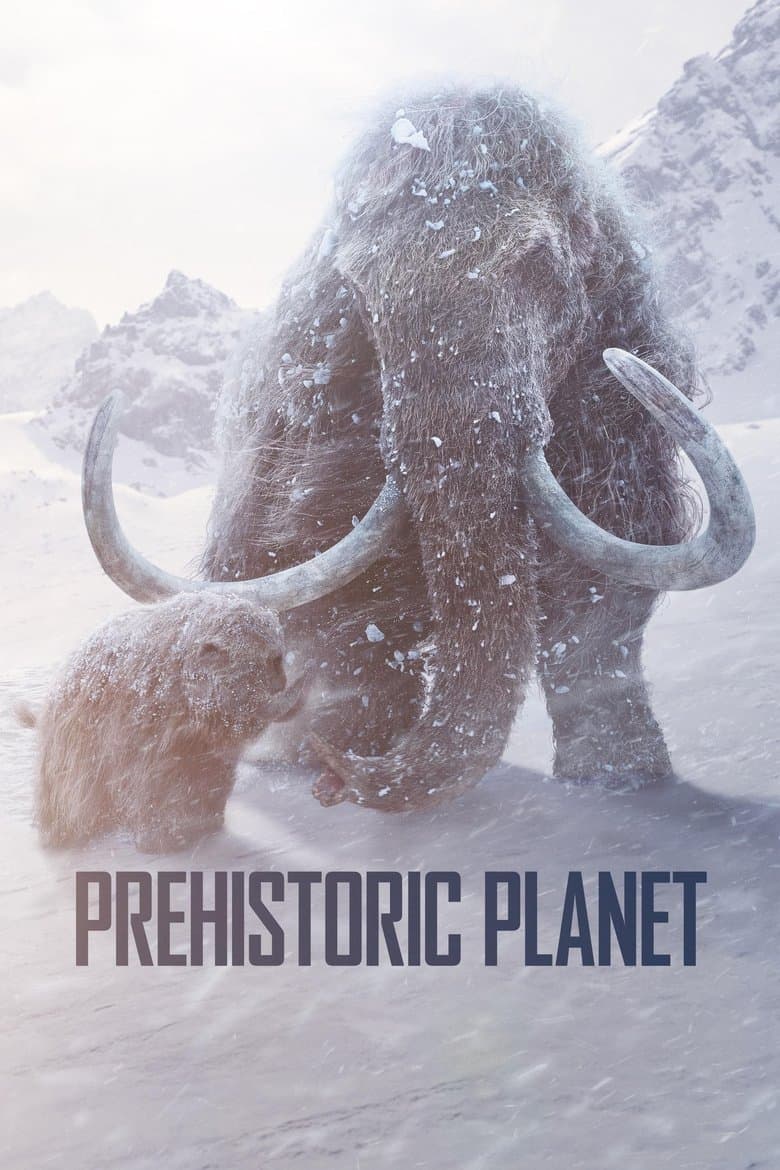
Started May 23, 2022 · Returning Series · Based on 3 seasons, 15 episodes through November 26, 2025 · TV-PG
Prehistoric Planet is a computer-made nature series about animals from the distant past. Seasons one and two follow dinosaurs, flying reptiles, sea reptiles, and small mammals in the Late Cretaceous, about 66 million years ago. Season three moves to the Ice Age and follows mammoths, saber-toothed cats, giant sloths, giant birds, and other mammals. The animals search for food, mates, shelter, and safe places for their young while ice, drought, migration, predators, and warming change their world.
The tone is serious, calm, and often emotional, but it stays focused on animal behavior and survival. The show gives season three a small environmental message by linking the end of the Ice Age to fast climate change, human hunting, and fires set by early people. The other seasons center on mating displays, family care, migration, hunting, and rivalry among animals. Male animals caring for young, female animals leading hunts, and unusual family roles are shown as animal behavior rather than lessons about human identity.
Community feedback
Was our 13% Woke rating accurate?
Breakdown
These are the editorial factors and ratings behind our score for Prehistoric Planet.
Woke representation / casting
Not present. The core cast is computer-made prehistoric animals, with narration and short scientist segments instead of human story characters. The series does not present a diversity-based casting pattern.
0%
Woke political dialogue
Season three repeatedly explains ice, drought, warming, and changing habitats as forces that shape animal survival. The final episode links the loss of Ice Age giants to climate change, human hunting, and fires set by early people. The narrator presents human activity as part of a major ecological loss. The show stays with ancient science and does not turn this into a current party or policy debate.
15%
Identity-driven story themes
Not present. The stories follow animal survival, mating, migration, and family behavior. The show does not build its stories around human race, gender, sexuality, or other identity politics.
0%
Western institutional / cultural critique
Not present. The series does not show Western society, churches, governments, companies, or modern family systems. Its conflicts come from predators, weather, climate shifts, and competition between animals.
0%
Woke character or canon changes
Not relevant. The series is a science-based reconstruction rather than an adaptation of a story with established human characters. Feathered dinosaurs, male parenting, and changing animal behavior are presented as research-based depictions, not identity-driven canon changes.
0%
Anti-woke backlash and complaints
A few right-leaning and tabloid complaints called the show’s feathered dinosaurs and caring male T. rex “woke” or “politically correct.” The complaints treated scientific animal behavior as a political message. Most online response mocked or ignored those claims. The available evidence shows no large boycott, review-bomb drive, or organized campaign.
12%
Creator track record context
Mike Gunton’s public work centers on natural history and conservation. Ellen Husain has publicly advocated climate action. Amber Cherry Eames has climate-conscious wildlife work, while Jon Favreau’s mainstream film record is largely non-activist. Most other listed creative people focus on natural-history science and visual effects, so the combined context is mild.
11%
Production
TV Show · 2019
Professor Brian Cox explores the dramatic lives of the eight majestic planets/worlds that make up our solar system.
TV Show · 2019
Millions of years ago, incredible forces ripped apart the Earth’s crust creating seven extraordinary continents.
TV Show · 2020
Applying the laws of life on Earth to the rest of the galaxy, this series blends science fact and fiction to imagine alien life on other planets.
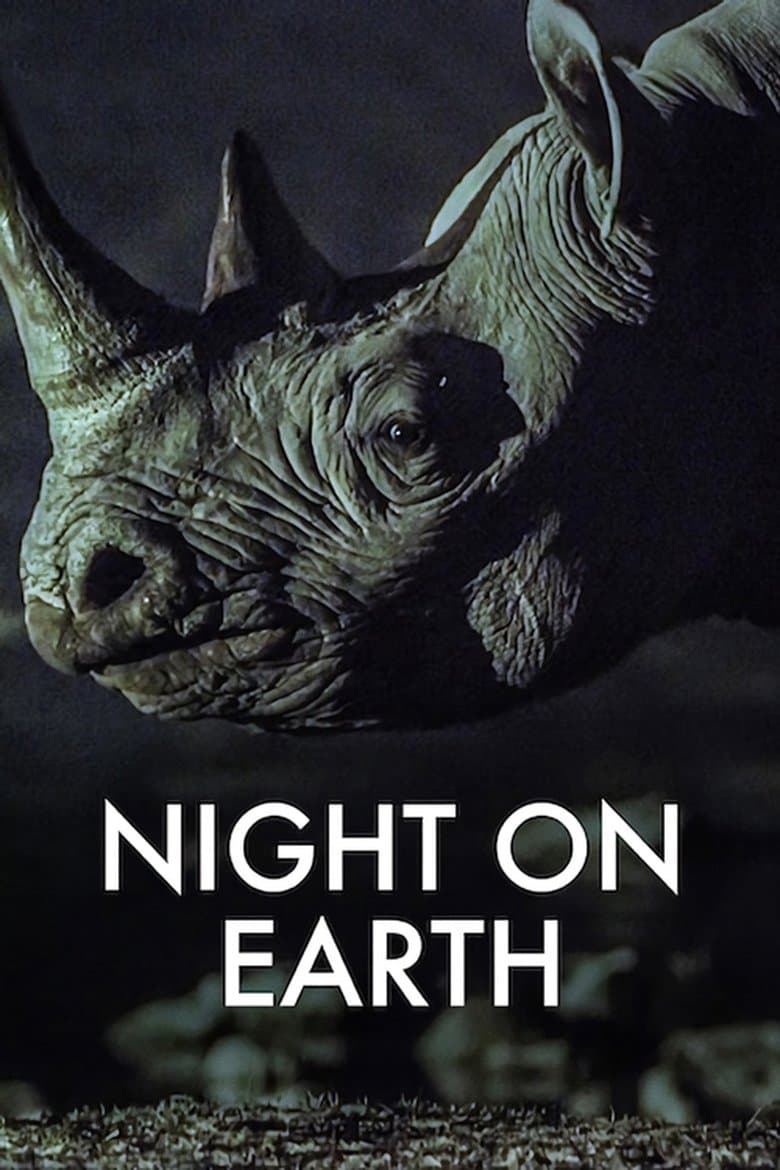
TV Show · 2020
This nature series’ new technology lifts night’s veil to reveal the hidden lives of the world’s creatures, from lions on the hunt to bats on the wing.
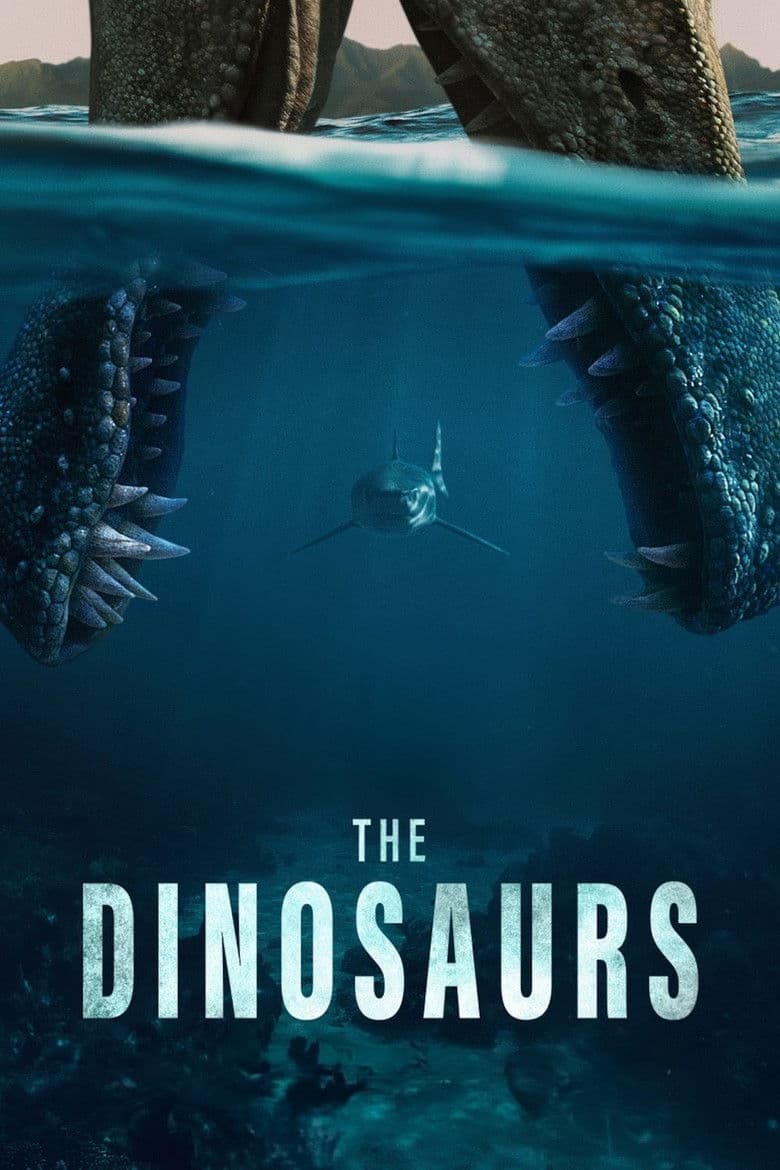
TV Show · 2026
From the first dinosaurs to the last, this epic documentary series examines their 165 million years on Earth and the forces that shaped their evolution.

TV Show · 2020
There is a ranch in northern Utah. It is considered the epicenter of the strangest, and most disturbing occurrences on Earth: For two decades, the federal government investigated…
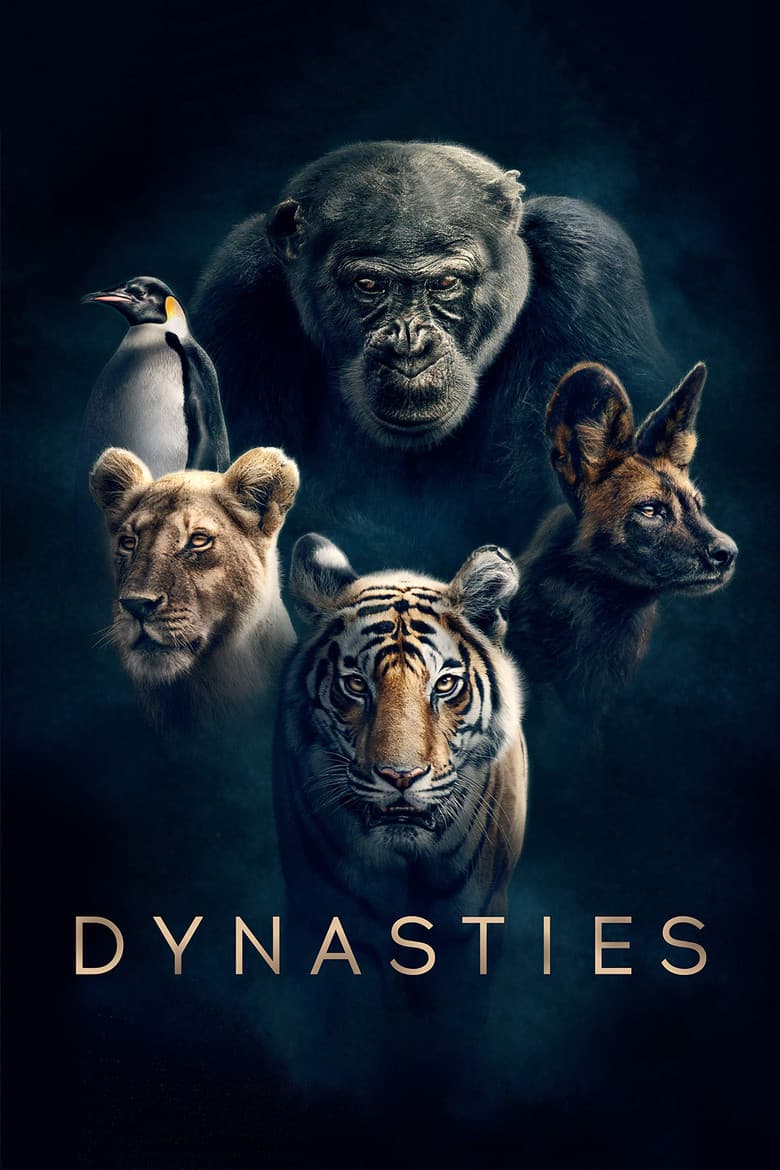
TV Show · 2018
Follow the true stories of five of the world's most celebrated, yet endangered animals; penguins, chimpanzees, lions, painted wolves and tigers.
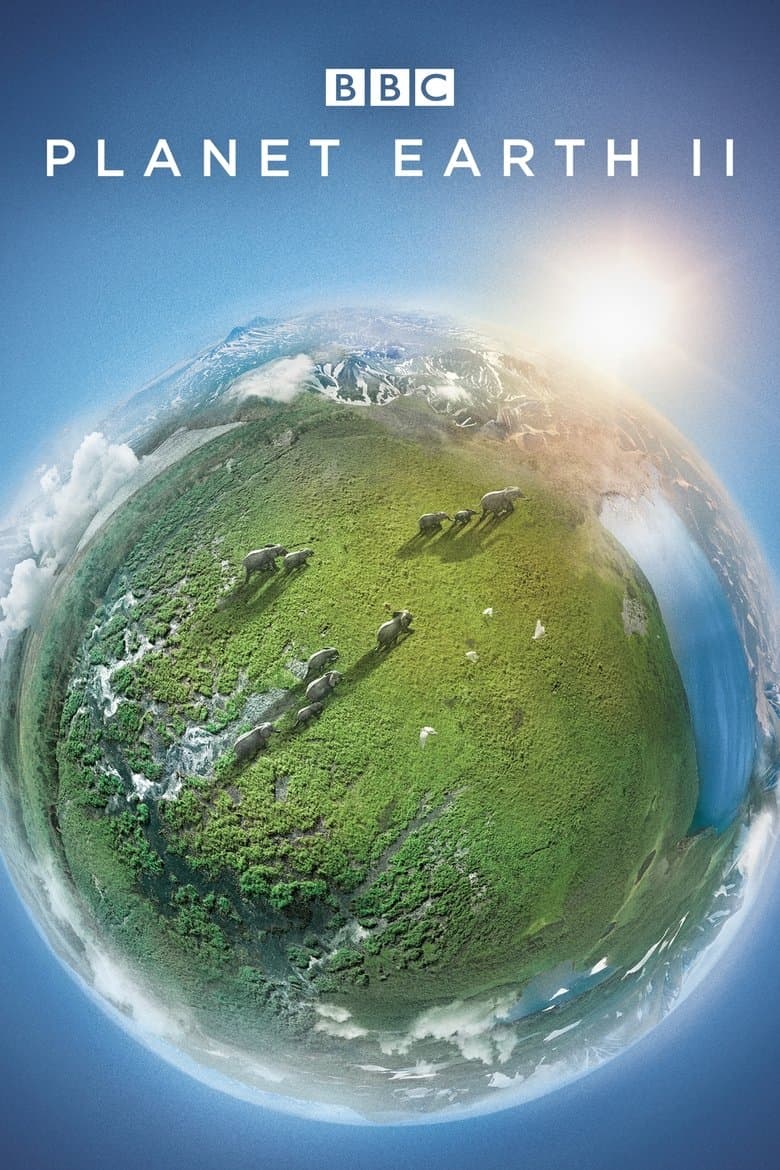
TV Show · 2016
David Attenborough presents a documentary series exploring how animals meet the challenges of surviving in the most iconic habitats on earth.
