Started November 11, 2018 · Ended · Based on 2 seasons, 9 episodes through April 10, 2022 · TV-PG
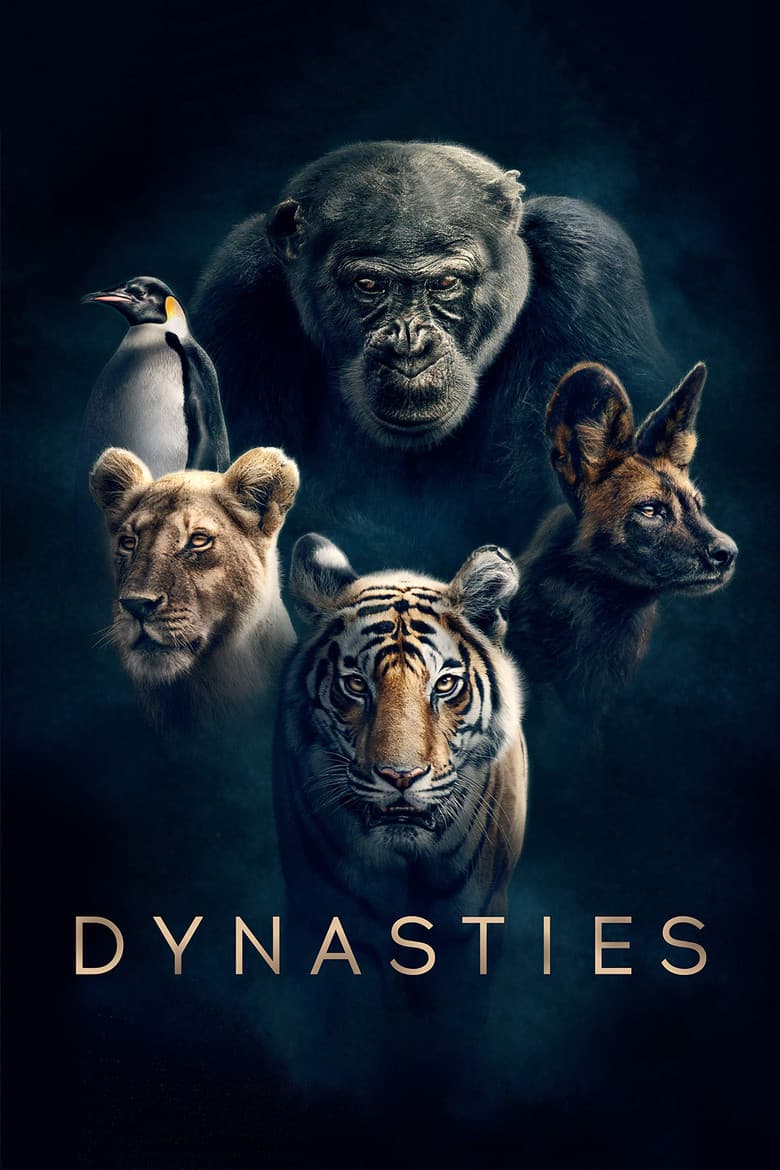
Dynasties is a nine-episode nature documentary about animal families living in wild places across Africa, Antarctica, India, Patagonia, Kenya, and Zambia. Each episode follows a main leader as the animal faces rivals, hunger, drought, predators, injury, or harsh weather. The first season follows a chimpanzee alpha, emperor penguins, a lioness, a painted wolf leader, and a tigress with cubs. The second season follows a puma mother, an elephant leader, a cheetah mother, and a hyena queen. David Attenborough gives the show a calm but dramatic voice, while the stories use family ties and power struggles to make animal behavior feel like a family drama.
The clearest audience-visible message is conservation. The narration links animal danger to human expansion, gold mining, poaching, lost habitat, climate change, drought, and conflict with livestock or local communities. The show also gives repeated attention to female leaders and mothers, including the lioness Charm, the puma Rupestre, the elephant Angelina, the cheetah Kali, and the hyena queens Suma and Sia. The episodes present these roles through animal behavior and family survival. The overall message supports protecting endangered wildlife and preserving space for nature.
Community feedback
Was our 20% Woke rating accurate?
Breakdown
These are the editorial factors and ratings behind our score for Dynasties.
Woke representation / casting
Not present. The show follows wild animals rather than human characters. The human production team is not presented as a diversity-focused cast.
0%
Woke political dialogue
The narrator directly names human expansion, gold mining, poaching, habitat loss, climate change, and drought as threats. The episodes call for protection and more space for endangered animals. These comments recur in several episodes, but they support conservation rather than party politics or identity politics.
16%
Identity-driven story themes
The show repeatedly centers female animal leaders and mothers, including a lioness, painted wolf leader, tigress, puma, elephant, cheetah, and hyena queens. The narration presents their strength, care, and control of family groups as major parts of the drama. Promotion coverage also discussed these female-led stories through feminism and girl power.
17%
Western institutional / cultural critique
The narration repeatedly blames human expansion, gold mining, poaching, livestock conflict, climate change, and habitat loss for animal danger. The chimp episode links a gold rush to destroyed habitat. The second season shows snares, drought, and poaching, then praises conservation teams and stronger protection. The show criticizes human pressure on nature, but it does not attack Western institutions, religion, family life, or capitalism as a system.
23%
Woke character or canon changes
Not relevant. The show follows real animal groups and does not rewrite established human characters, source stories, or historical events.
0%
Anti-woke backlash and complaints
Not present. Reported debate focused on the crew rescuing trapped penguins and whether wildlife filmmakers should intervene. The debate did not accuse the show of pushing woke, DEI, identity, or left-wing content.
0%
Creator track record context
The listed directors and producers mainly make natural history programs. Most cached creator scores are between 0 and 13, with conservation and limited environmental activism as the strongest signals. No key person in the cached context shows a clear DEI, identity-political, or social-justice pattern tied to this title.
9%
Production
TV Show · 2022
Experience the wonders of our world like never before in this epic series from Jon Favreau and the producers of Planet Earth.
TV Show · 2019
Professor Brian Cox explores the dramatic lives of the eight majestic planets/worlds that make up our solar system.
TV Show · 2020
Applying the laws of life on Earth to the rest of the galaxy, this series blends science fact and fiction to imagine alien life on other planets.
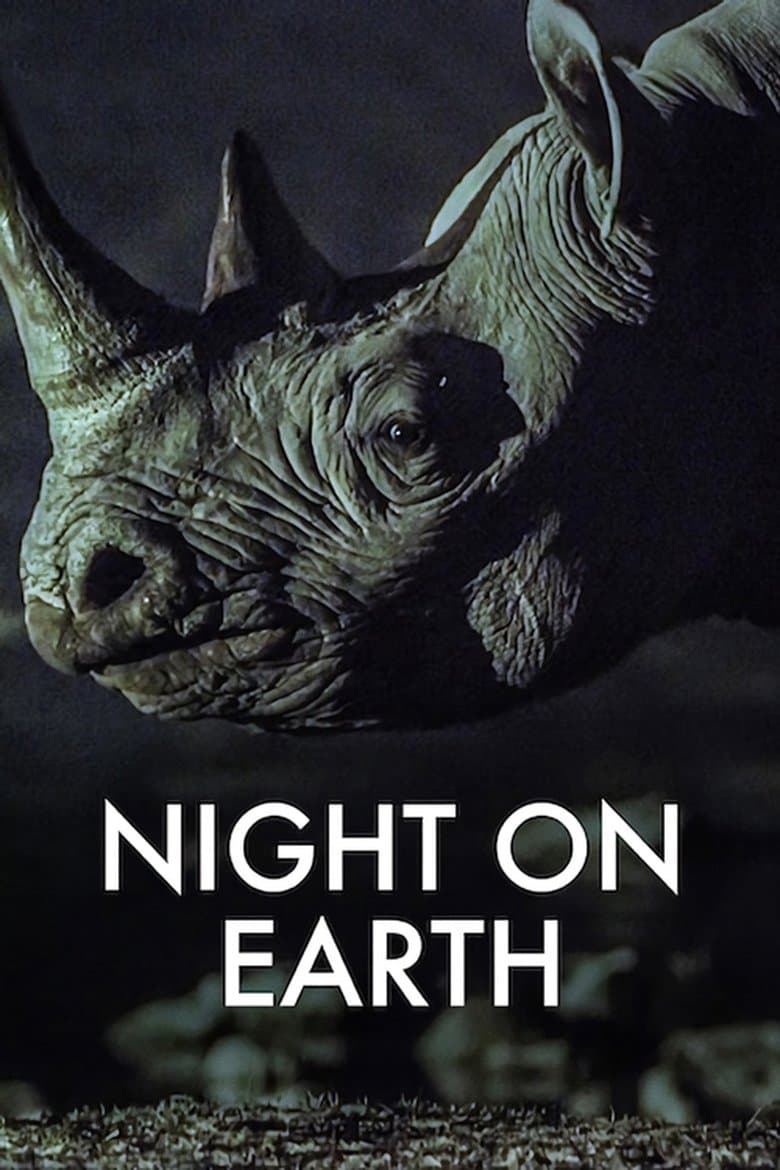
TV Show · 2020
This nature series’ new technology lifts night’s veil to reveal the hidden lives of the world’s creatures, from lions on the hunt to bats on the wing.

TV Show · 2025
As Christmas approaches, a blundering-all-the-way dad juggles housesitting a posh London penthouse with an unexpected pickle: caring for a lost baby.
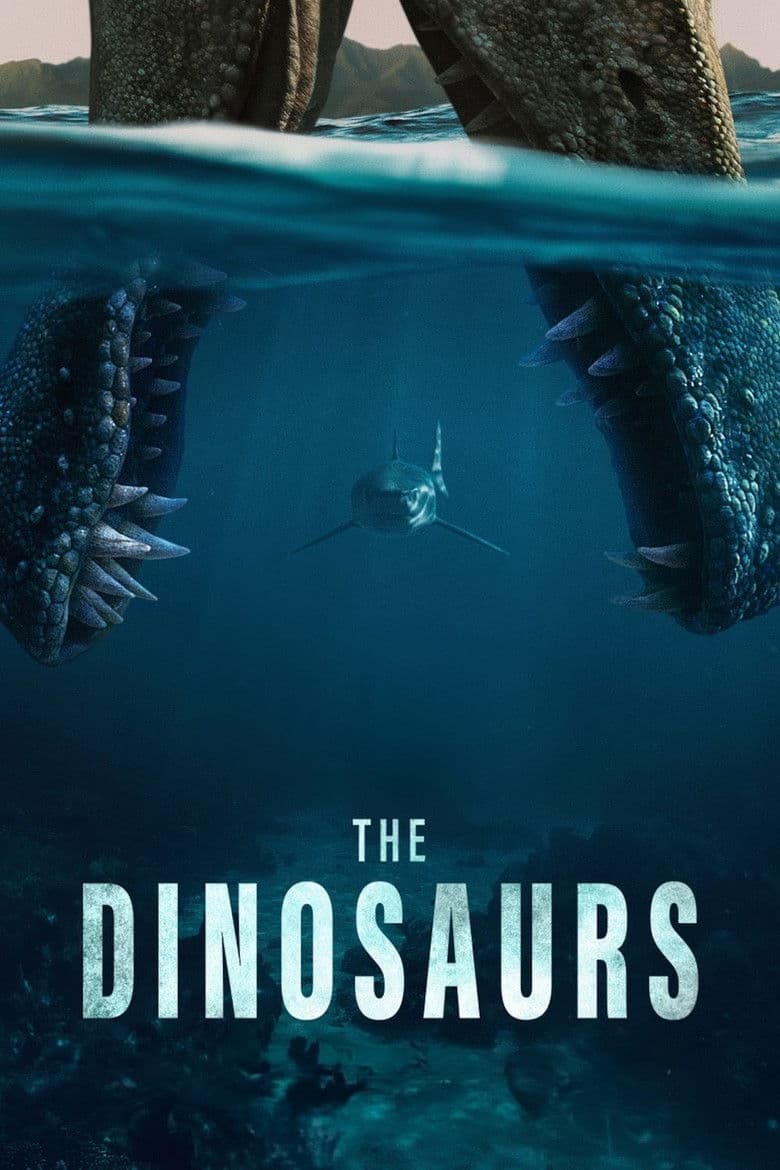
TV Show · 2026
From the first dinosaurs to the last, this epic documentary series examines their 165 million years on Earth and the forces that shaped their evolution.
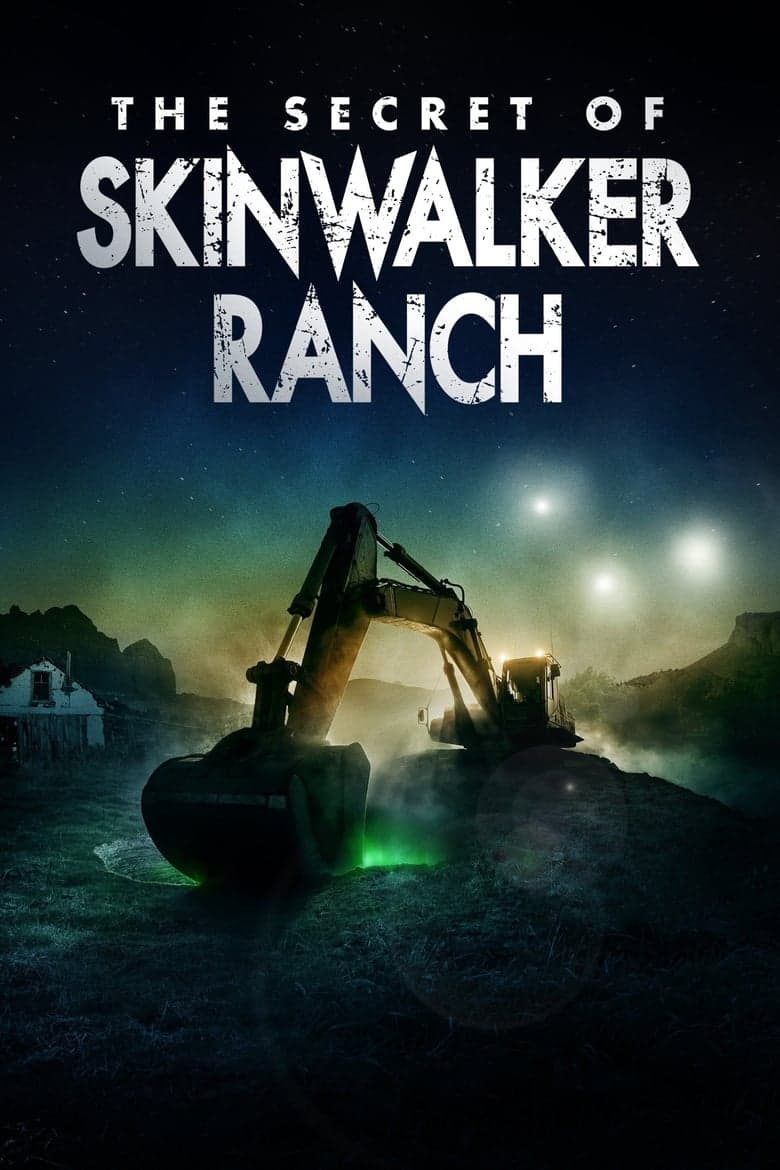
TV Show · 2020
There is a ranch in northern Utah. It is considered the epicenter of the strangest, and most disturbing occurrences on Earth: For two decades, the federal government investigated…

TV Show · 2019
Celebrities compete in a singing competition with one major twist: each singer is shrouded from head to toe in an elaborate costume, complete with full face mask to conceal his or…
