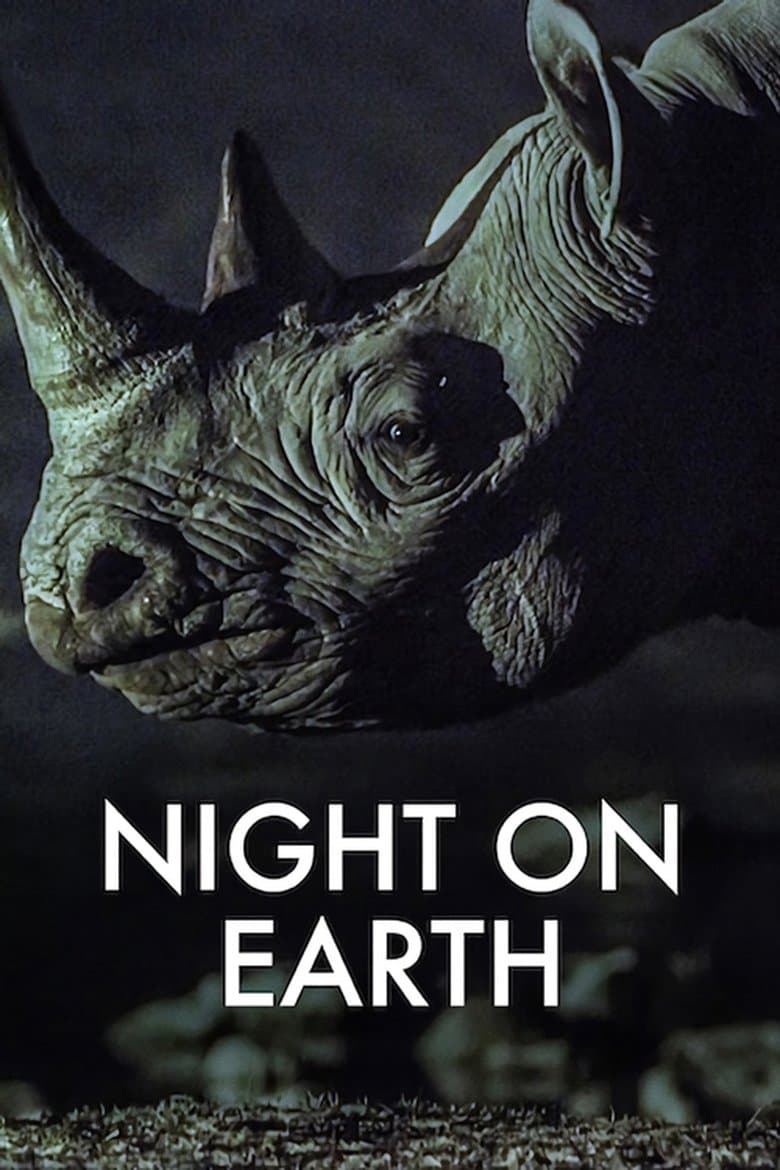
Started January 29, 2020 · Ended · Based on 1 season, 6 episodes through January 29, 2020 · TV-PG · 50 min
Night on Earth follows wild animals after the sun goes down. Samira Wiley’s narration guides viewers through African plains, frozen polar lands, jungles, oceans, and city streets. The animals face hunger, cold, predators, rivals, and the danger of losing their young. The show feels calm and beautiful, but it often turns tense when a hunt, escape, or family struggle begins. New low light, heat, and color cameras reveal actions that are usually hidden from people.
The main ideas come from survival, family, and change. Mothers protect cubs, young animals learn to live alone, and groups survive by sharing warmth, warnings, or food. The city episode shows elephants crossing roads, leopards hunting near homes, bears eating trash, and otters building large families beside people. The series also notes that growing towns, artificial light, changing weather, and human activity can change animal behavior. Its message is that the night is a busy world with its own rules, and that careful watching can teach people more about it.
Community feedback
Was our 10% Woke rating accurate?
Breakdown
These are the editorial factors and ratings behind our score for Night on Earth.
Woke representation / casting
Samira Wiley is the only billed human performer, and her voice runs through all six episodes. Wiley is a Black, openly gay actress, so the lead voice brings one identity-linked casting choice. The show never talks about her identity or uses a group of human characters to make a diversity point. The animals, not a human cast, carry the story.
12%
Woke political dialogue
The narrator says protected places could help black rhino numbers keep rising. The narrator warns that increasingly erratic weather may affect animals' future. The narrator also says human influence on the oceans is changing animal behavior. These are mild environmental lines, and the show has no recurring identity, gender, DEI, or party-political speech.
8%
Identity-driven story themes
Not present. The story follows animal survival, mating, family bonds, and night adaptations. Female animals lead some scenes because of their natural roles, but the show does not turn those scenes into a modern gender message.
0%
Western institutional / cultural critique
Cities are called unnatural places that can be hostile to wildlife. The show says a town blocked elephants' old route and says human influence is changing the ocean. The city episode also shows artificial light helping sharks hunt near seals. The message is a mild warning about human development, not an attack on Western institutions, family life, religion, or traditional gender roles.
8%
Woke character or canon changes
Not relevant. This is an original nature documentary, not a retelling with established characters or a historical cast.
0%
Anti-woke backlash and complaints
Not present. The separate X research found no anti-woke reaction, and wider searches found no title-specific complaints about woke or DEI content. Public comments focused on narration, camera methods, and whether some shots looked real.
0%
Creator track record context
The directors mostly have standard natural-history careers. Several producers have mild conservation or environmental work, while one has credits on social-issue documentaries. The available record does not show a strong identity-politics, DEI, or partisan activist pattern. This gives the title only a small creator-context signal.
5%
Production
TV Show · 2019
Professor Brian Cox explores the dramatic lives of the eight majestic planets/worlds that make up our solar system.
TV Show · 2022
Experience the wonders of our world like never before in this epic series from Jon Favreau and the producers of Planet Earth.
TV Show · 2020
Applying the laws of life on Earth to the rest of the galaxy, this series blends science fact and fiction to imagine alien life on other planets.
TV Show · 2020
There is a ranch in northern Utah. It is considered the epicenter of the strangest, and most disturbing occurrences on Earth: For two decades, the federal government investigated…
TV Show · 2026
From the first dinosaurs to the last, this epic documentary series examines their 165 million years on Earth and the forces that shaped their evolution.
TV Show · 2019
Millions of years ago, incredible forces ripped apart the Earth’s crust creating seven extraordinary continents.
TV Show · 2018
Follow the true stories of five of the world's most celebrated, yet endangered animals; penguins, chimpanzees, lions, painted wolves and tigers.
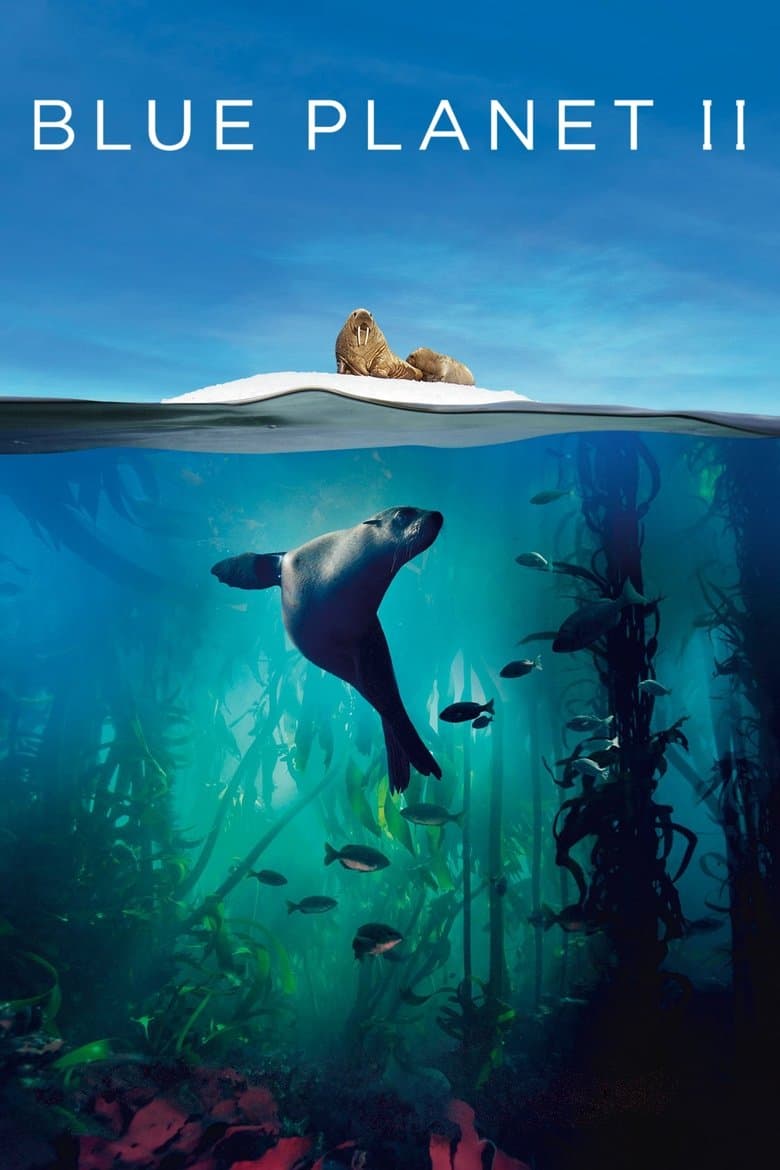
TV Show · 2017
There is nowhere more powerful and unforgiving yet more beautiful and compelling than the ocean. Join us and explore the greatest yet least known parts of our planet.
