Started October 26, 2023 · Ended · Based on 1 season, 8 episodes through October 26, 2023 · TV-14 · Japanese
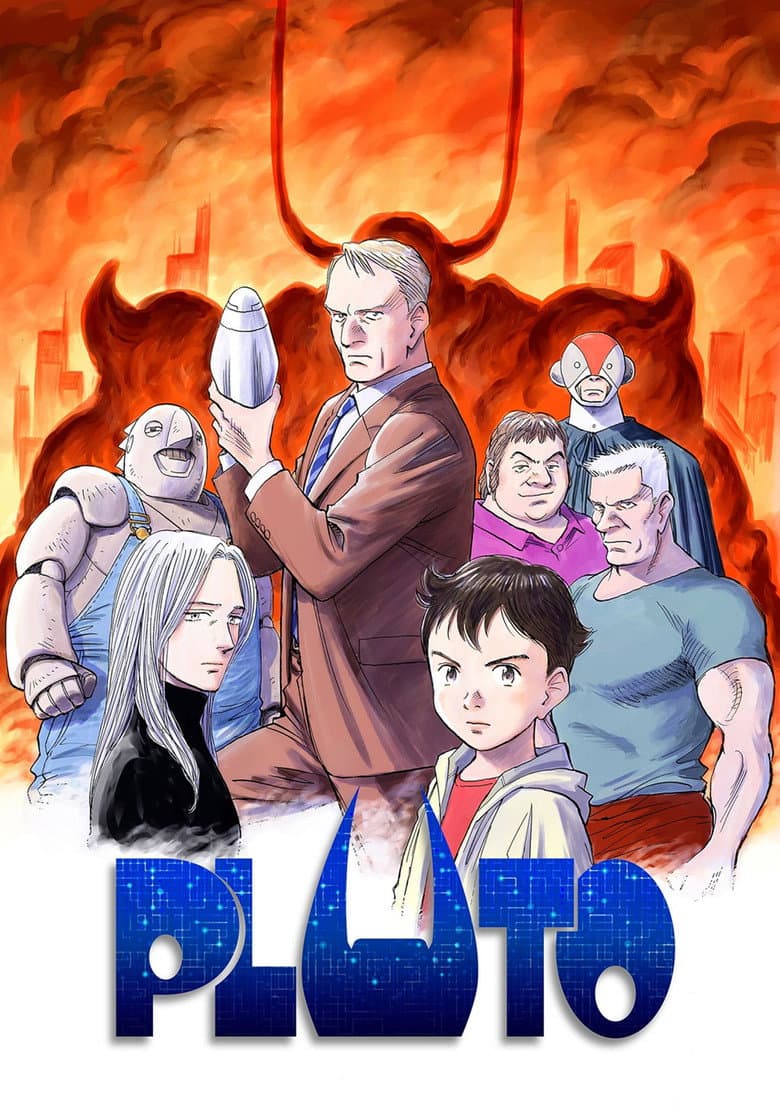
PLUTO follows Gesicht, a powerful robot detective who works for Europol in a future where humans and robots live together. Someone is killing the seven strongest robots and people linked to them, so Gesicht travels across Europe, Japan, Australia, Greece, Turkey, and Persia to find the killer. The case leads back to the 39th Central Asian War and to a hidden plan that could destroy the world. The show has a dark, slow mystery tone, but it also gives space to grief, family, music, and quiet acts of kindness.
Most of the show's woke material comes from its repeated claim that robots deserve to be treated as people. Robots have legal rights, families, jobs, memories, and feelings, while anti-robot groups and government systems treat them as dangerous tools. The story presents war, prejudice, propaganda, and revenge as forces that create more pain, and it asks viewers to see robots as people rather than property. These ideas shape the whole mystery, but the show uses fictional robots and a classic anti-war story instead of current race, gender, or queer politics.
Community feedback
Was our 40% Woke rating accurate?
Breakdown
These are the editorial factors and ratings behind our score for PLUTO.
Woke representation / casting
Not present. The main robots come from Japan, Germany, Switzerland, Scotland, Turkey, Greece, and Australia because the story gives them those national roles. The animated voices and character designs do not present a diversity campaign or a repeated identity-first casting pattern.
0%
Woke political dialogue
The show repeatedly discusses international robot law and the idea that robots should have rights. Human officials and activists also argue about weapon bans, robot control, and the danger of anti-robot violence. The dialogue treats these issues seriously, but it does not use current race, gender, or queer slogans.
24%
Identity-driven story themes
The story treats robots as a group that can think, feel, love, raise children, and suffer unfair treatment. Anti-robot groups attack them, and some humans call them tools even after they show grief and fear. The murder mystery keeps returning to equality, whether robots are people, memory, and the harm caused by hatred. These are major themes, but the story uses fictional robots rather than current human identity groups.
42%
Western institutional / cultural critique
The fictional 39th Central Asian War mirrors the 2003 Iraq War through a false claim about weapons of mass destruction. Thracia's leaders invade Persia, civilians suffer, and the truth is covered up. The story also shows international laws and government systems failing to stop abuse. The message is clearly anti-war and critical of government power, but it does not focus on capitalism, patriarchy, whiteness, or present-day culture fights.
28%
Woke character or canon changes
The show moves the main viewpoint from Astro Boy or Atom to Gesicht, an adult Europol detective, compared with Tezuka's original robot adventure. Atom remains a major hero and the story still ends with him saving the world. This is a visible hero-role change, but the show does not tie it to race, gender, sexuality, or a diversity message.
18%
Anti-woke backlash and complaints
Not present. Release-day discussion and same-day reviews were mostly positive and focused on animation, pacing, emotion, and the war story. No notable anti-woke, DEI, identity-politics, or anti-left campaign was found by the review date.
0%
Creator track record context
Naoki Urasawa has a history of stories about war, racism, authoritarian power, and harm to outsiders. Osamu Tezuka is linked to humanist and anti-war ideas. Most of the listed directors and producers have no known activist or DEI profile. Public PLUTO interviews stress love, hatred, war, and the human-robot boundary rather than a current identity campaign.
24%
Production
TV Show · 2021
A psychopath's ruthless serial murders have left the entire nation gripped by fear and chaos. An honest, justice-seeking rookie police officer and a veteran detective with a…
TV Show · 2021
In Manila, where dark supernatural forces pervade the criminal underworld, it’s up to Alexandra Trese to keep the peace — but there’s a storm brewing.
TV Show · 2022
A bullied teen receives mysterious help from someone online: a stranger soon revealed to be her recently deceased father, David, whose consciousness has been uploaded to the Cloud…
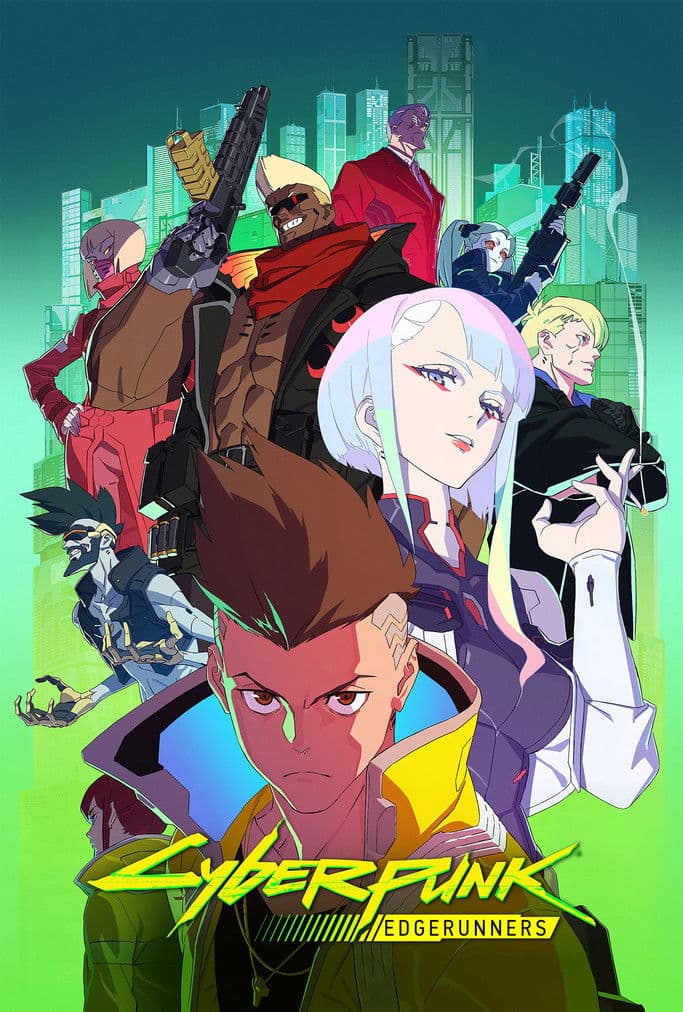
TV Show · 2022
In a dystopia riddled with corruption and cybernetic implants, a talented but reckless street kid strives to become a mercenary outlaw — an edgerunner.
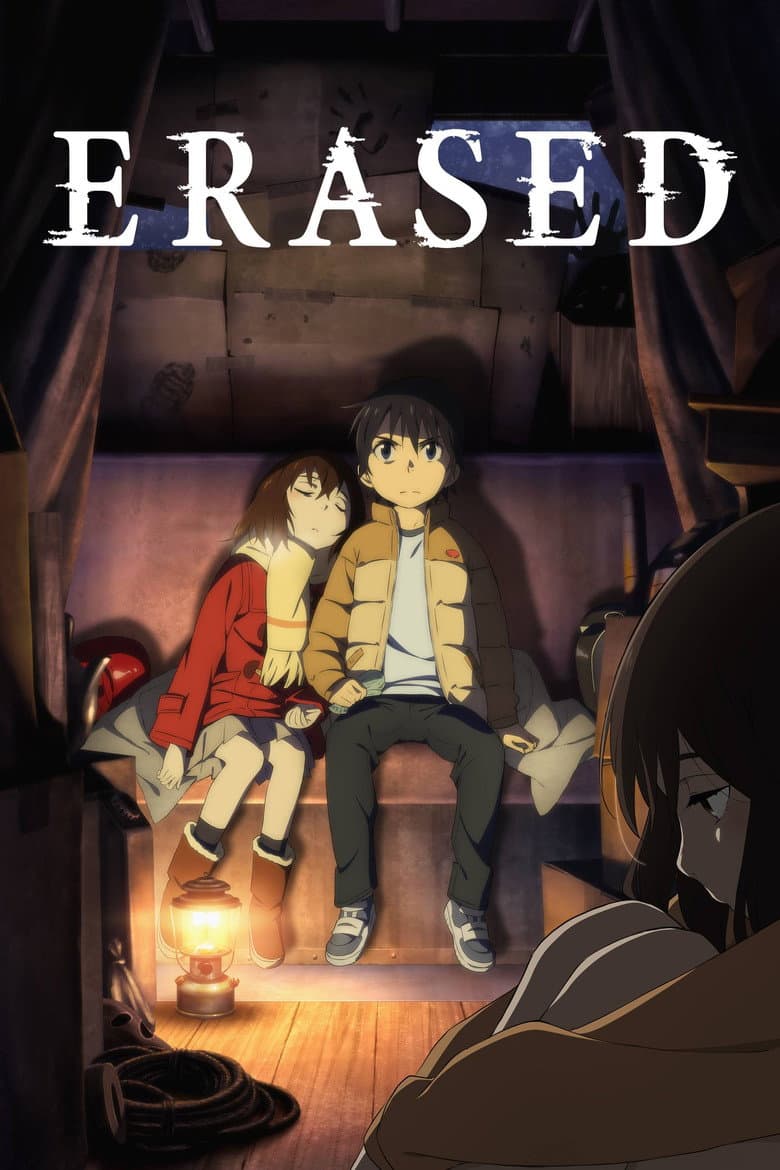
TV Show · 2016
Satoru Fujinuma is a struggling manga artist who has the ability to turn back time and prevent deaths. When his mother is killed he turns back time to solve the mystery, but ends…
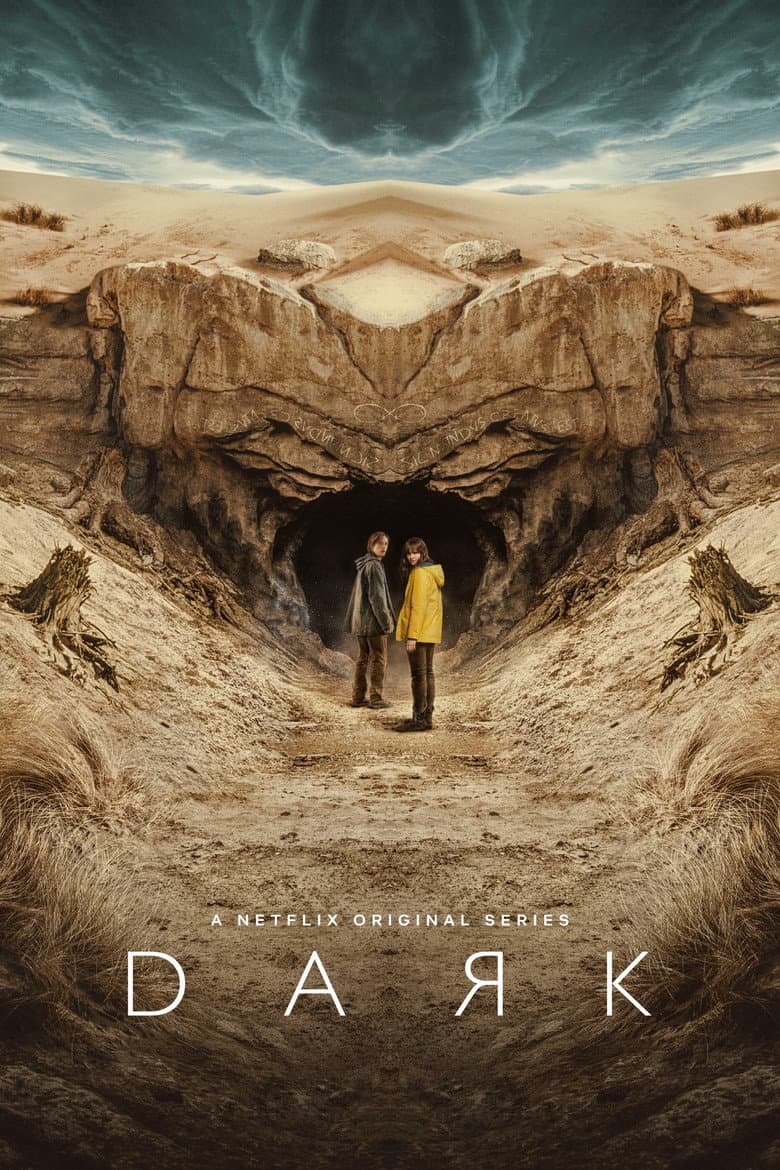
TV Show · 2017
A missing child sets four families on a frantic hunt for answers as they unearth a mind-bending mystery that spans three generations.
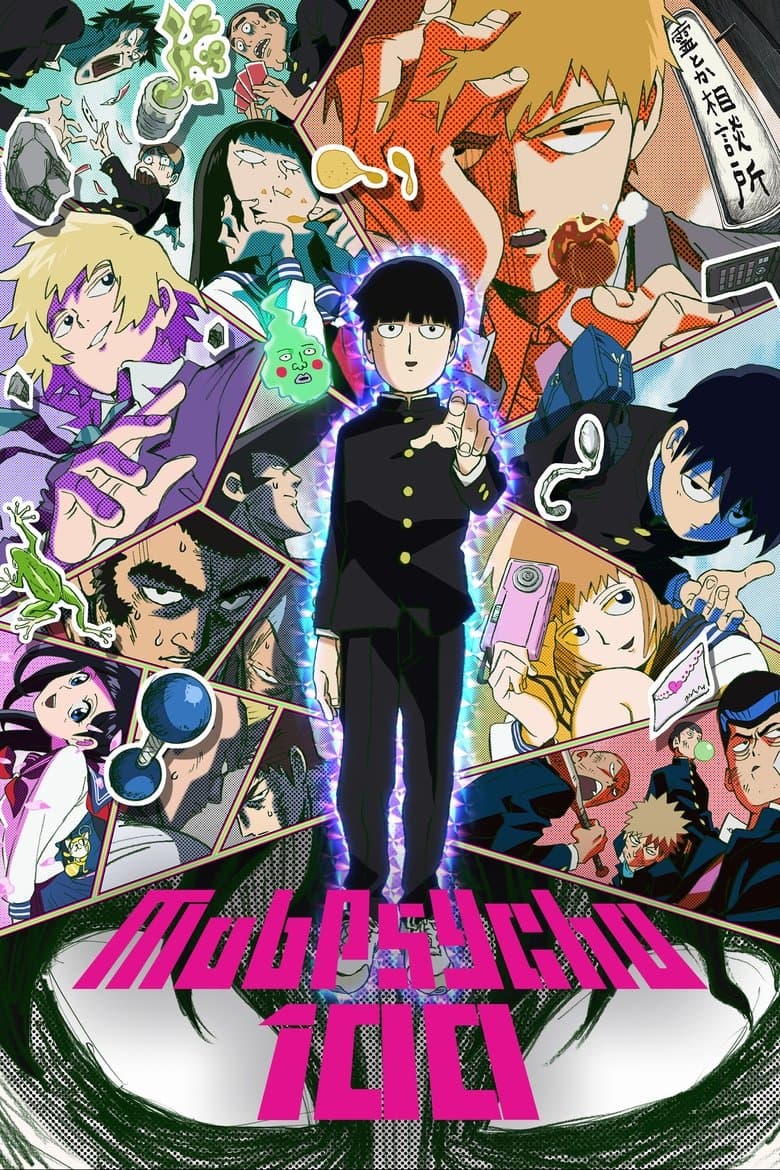
TV Show · 2016
Shigeo Kageyama, a.k.a. "Mob," is a boy who has trouble expressing himself, but who happens to be a powerful esper.
TV Show · 2023
After the party of heroes defeated the Demon King, they restored peace to the land and returned to lives of solitude.
