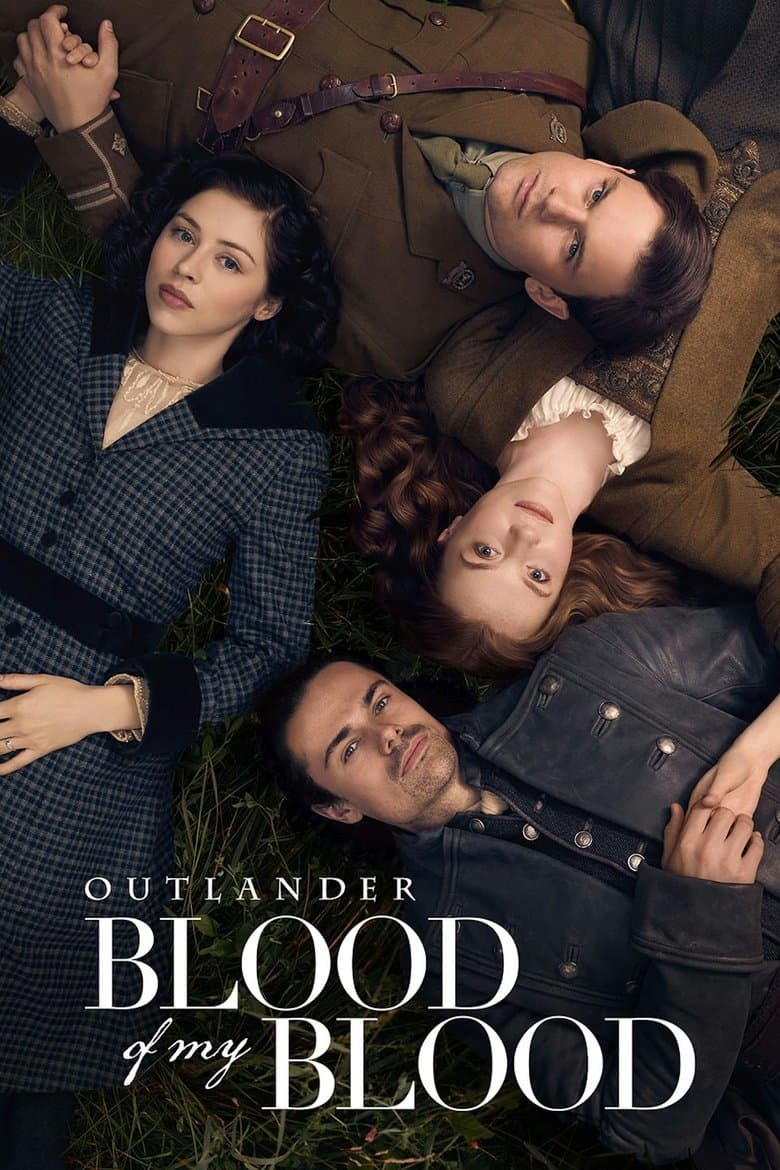
Started August 8, 2025 · Returning Series · Based on 1 season, 10 episodes through October 10, 2025 · TV-MA
Outlander: Blood of My Blood follows two couples who later become the parents of Jamie Fraser and Claire Beauchamp. Ellen MacKenzie lives in 1714 Scotland, where her brothers fight to control Clan MacKenzie and arrange her marriage to Malcolm Grant. Brian Fraser loves Ellen even though their clans are enemies. In World War I England, Julia Moriston and Henry Beauchamp marry before a strange accident sends them separately into 18th-century Scotland. The tone mixes sweeping romance, family danger, sexual drama, and violent period adventure.
The season gives its strongest attention to women trying to survive rules made by men. Ellen is a sharp planner who helps settle the clan leadership fight, rejects a forced match, and later faces a humiliating test of her sexual purity. Julia works to protect her unborn child, uses a forced relationship to keep him safe, and helps plan an escape. A short World War I scene also discusses women’s civil disobedience, university study, and the suffrage campaign. The gender conflicts recur through the season, but the story stays a historical love saga rather than a present-day activist drama.
Community feedback
Was our 41% Woke rating accurate?
Breakdown
These are the editorial factors and ratings behind our score for Outlander: Blood of My Blood.
Woke representation / casting
Not present. The main cast is made up of white Scottish and English characters who fit the settings, and no representation-first casting pattern appears on screen.
0%
Woke political dialogue
Episode 2 has a short talk about women’s civil disobedience, Emily Davison, war work, and women earning university degrees. The scene supports female education and the suffrage movement, but it is set in World War I Britain and fits Julia’s life. The other episodes mostly use period talk about clan duty, marriage, war, religion, and family.
15%
Identity-driven story themes
Ellen is repeatedly shown as a sharp planner who solves problems that her brothers cannot. She helps arrange the clan succession, makes her own secret marriage choice, and refuses to accept a political match without a fight. Julia protects her baby, schemes against Lord Lovat, and helps rescue Ellen from a purity test. The season treats male control of marriage, sex, and family as a danger, but it keeps that message inside a period romance.
52%
Western institutional / cultural critique
The show repeatedly presents clan law and male family power as limits on women. Ellen is denied a leadership path because she is a woman, faces an arranged marriage, and is judged by a forced purity test. Julia calls the period hostile to a woman alone, and the story shows sexual coercion and male entitlement as threats. These points are tied to the historical plot, with little direct attack on modern Western institutions.
28%
Woke character or canon changes
Not relevant. The prequel creates new backstory for the parents and develops younger versions of known characters. No established character is given a race, gender, sexuality, or hero-role change for a woke message.
0%
Anti-woke backlash and complaints
Small X accounts praised the prequel for avoiding “woke BS,” described it as “family over agenda,” and grouped it with older “pre woke” entertainment. The posts had about 7, 49, and 10 views, with no boycott, review-bomb, or large-account campaign. Wider fan complaints focused on pacing, romance, and canon details rather than woke or DEI content.
12%
Creator track record context
Most of the listed directors and writers have craft-focused public profiles with no clear activist pattern. Kiersten Van Horne has spoken about gender and diversity in writers’ rooms, while Toni Graphia and Maril Davis have stronger histories of female-led storytelling and representation-focused production. Matthew B. Roberts and Diana Gabaldon are mainly linked to historical research and story craft. The team gives a mild supporting signal, but it is not mainly activist.
20%
Production
TV Show · 2021
Follow the Dutton family as they embark on a journey west through the Great Plains toward the last bastion of untamed America.
TV Show · 2023
The story of Bass Reeves, the legendary lawman of the wild West, is brought to life. Reeves worked in the post-Reconstruction era as a federal peace officer in the Indian…

TV Show · 2024
Fascinated by cars since childhood, Brazilian racer Ayrton Senna became a sports legend — until tragedy struck, changing Formula 1 forever.
TV Show · 2022
This sweeping saga chronicles the hopes and dreams of a Korean immigrant family across four generations as they leave their homeland in an indomitable quest to survive and thrive.
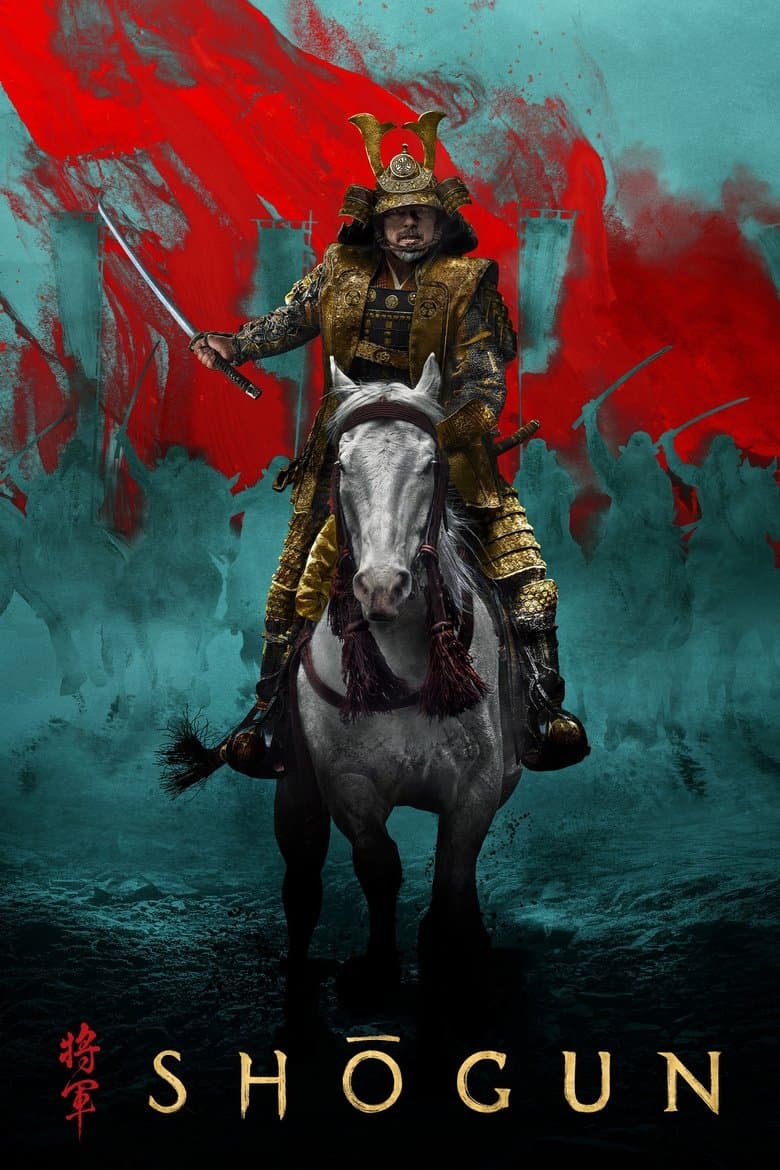
TV Show · 2024
In Japan in the year 1600, at the dawn of a century-defining civil war, Lord Yoshii Toranaga is fighting for his life as his enemies on the Council of Regents unite against him…
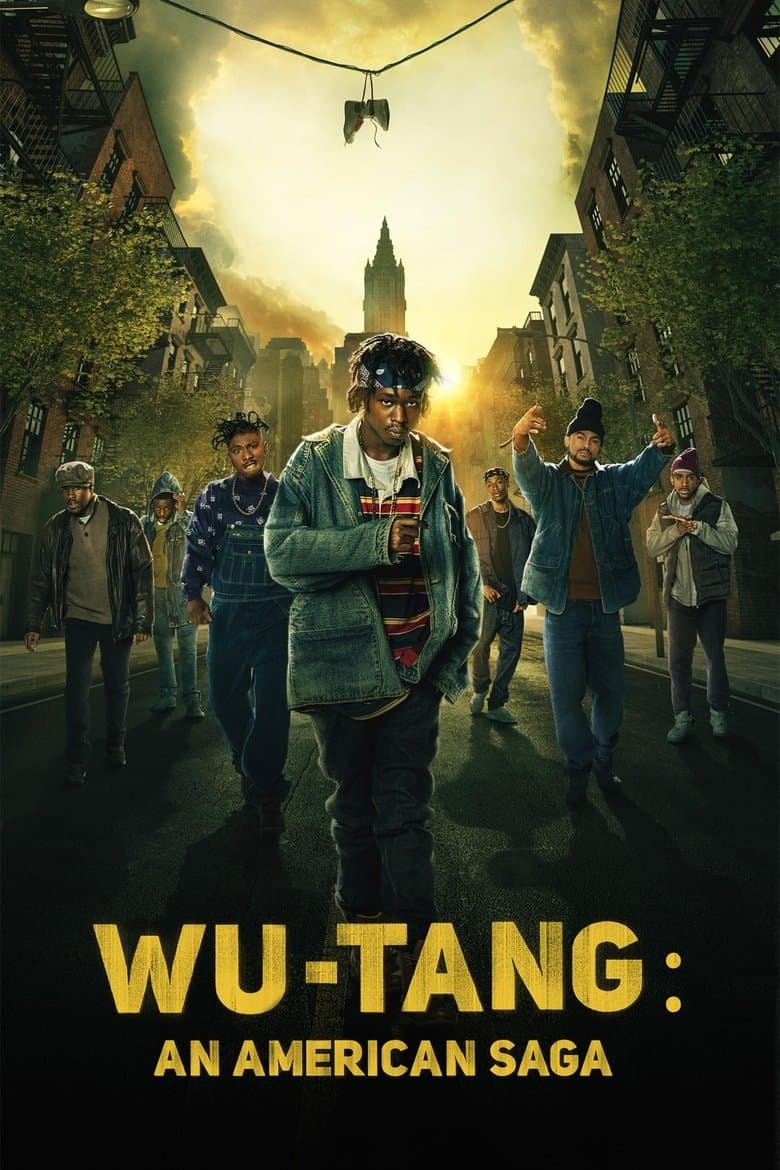
TV Show · 2019
In the early 1990s in New York, during the height of the crack cocaine epidemic, a visionary musician named Bobby Diggs aka The RZA begins to form a super group of a dozen young…
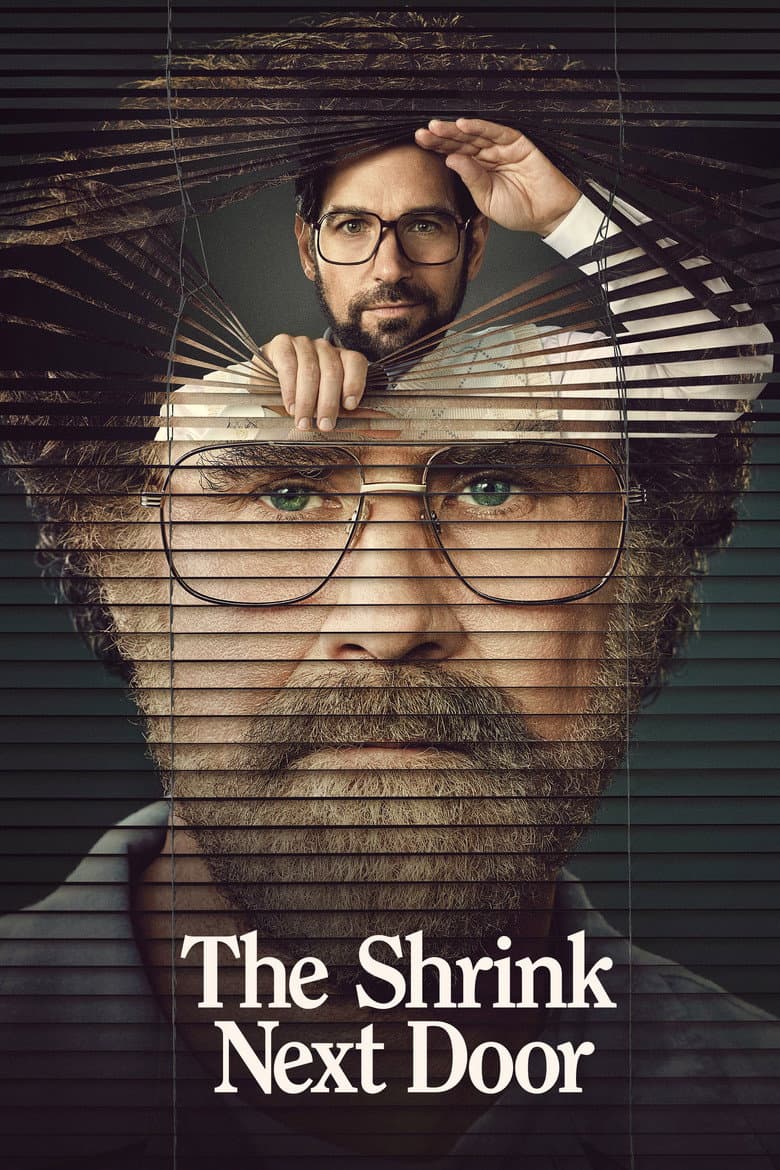
TV Show · 2021
Inspired by the true story of Marty and the therapist who turned his life around...then took it over. When he first meets Dr. Ike, Marty just wants to get better at boundaries.
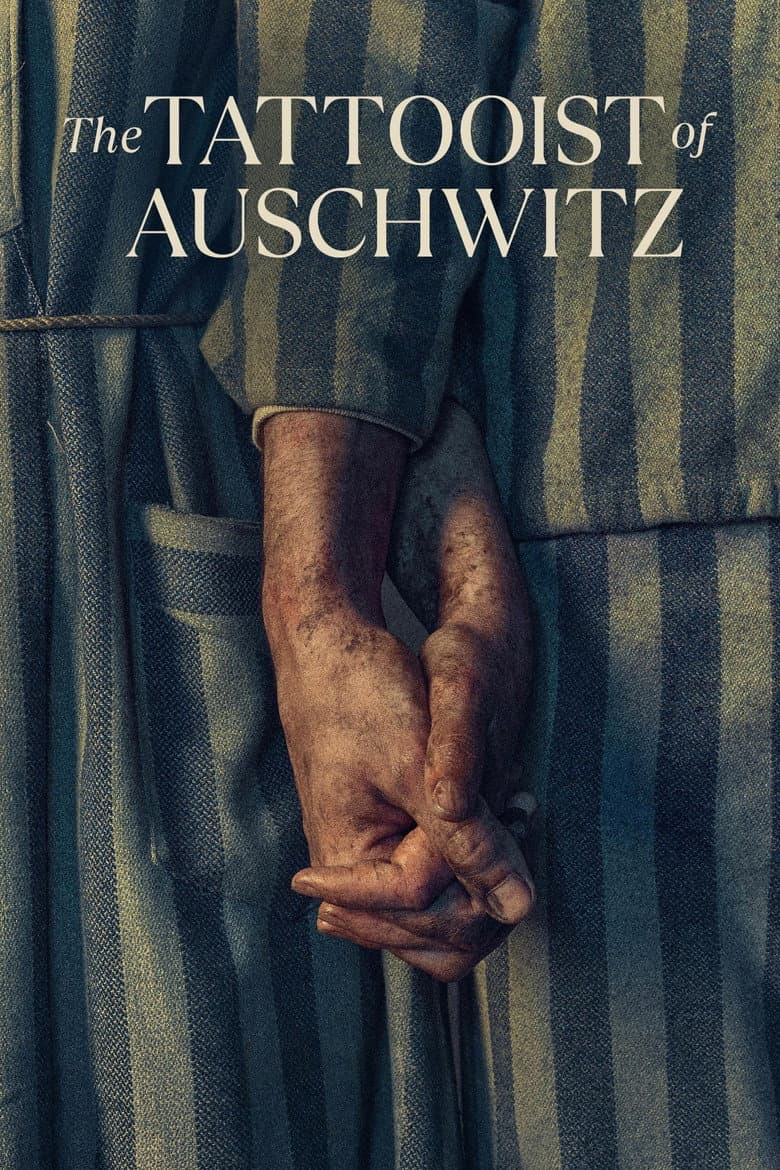
TV Show · 2024
The powerful real-life story of Lali Sokolov, a Jewish prisoner who was tasked with tattooing ID numbers on prisoners' arms in the Auschwitz-Birkenau concentration camp during…
