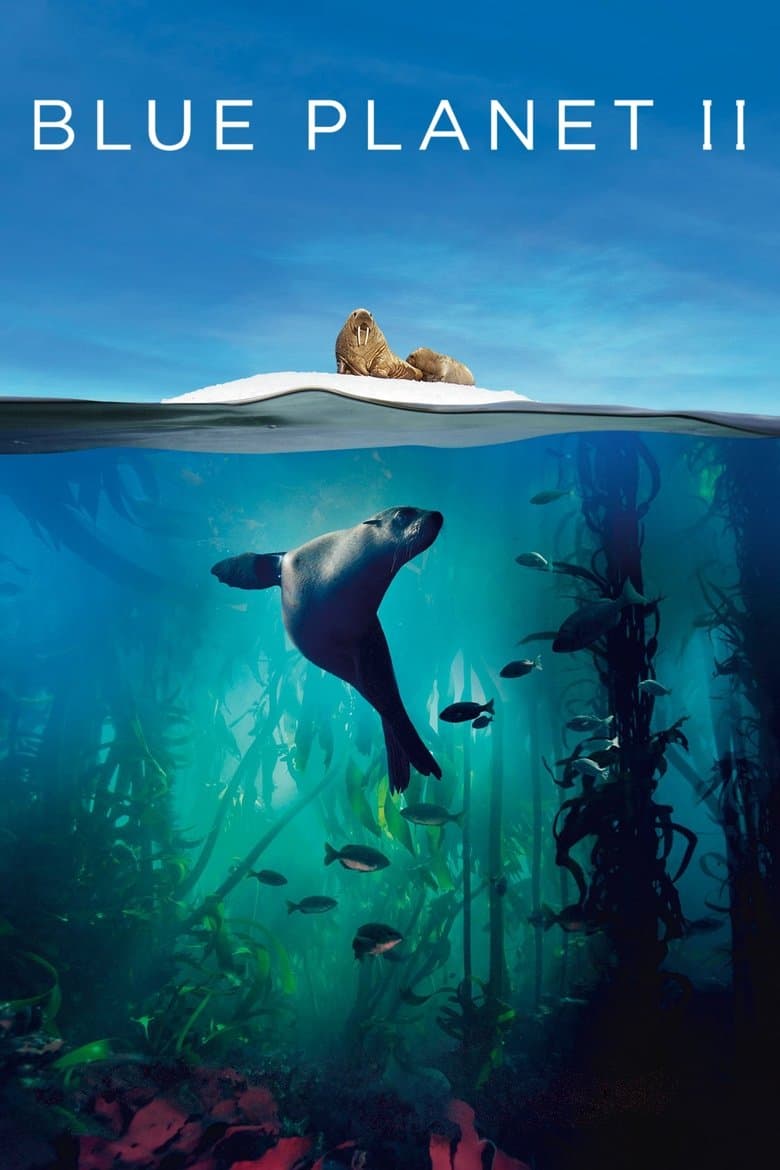
Started October 29, 2017 · Ended · Based on 1 season, 7 episodes through December 10, 2017 · TV-G · 60 min
Blue Planet II follows the animals that live in the world's oceans, while David Attenborough guides viewers through their lives. The series moves from warm coral reefs and green kelp forests to dark deep water, open seas, and rocky coasts. Each episode shows animals hunting, mating, raising young, and surviving danger. The tone is calm and full of wonder, but it can become tense and sad.
The clearest audience-visible social message is that human activity is damaging the ocean. The first, third, fourth, and seventh episodes connect ocean change to warming water, plastic, industrial pollution, ship noise, and other modern habits. The final episode shows albatross chicks being fed plastic, pollutants reaching dolphins through their milk, and noise blocking animal calls before saying that people must protect the sea. This message is clear and repeated, but it stays broad and environmental, with the show centered on nature and human responsibility.
Community feedback
Was our 19% Woke rating accurate?
Breakdown
These are the editorial factors and ratings behind our score for Blue Planet II.
Woke representation / casting
Not present. The show follows marine animals and filming crews, not identity-focused human characters.
0%
Woke political dialogue
The narration says that human activity is changing the oceans and putting their health at risk. Episode 3 links warming water to coral bleaching. Episode 4 warns that plastic and industrial pollution can poison marine life for centuries. Episode 7 connects modern life to plastic, polluted milk, and ship noise, then urges people to protect the ocean.
28%
Identity-driven story themes
Not present. The show studies animal biology and conservation, not human race, gender, sexuality, or group-identity struggles.
0%
Western institutional / cultural critique
Not present. The show warns about human harm to the sea, but it does not attack Western institutions, families, religion, or traditional gender roles.
0%
Woke character or canon changes
Not relevant. The series presents real animals and science instead of established human characters or historical events.
0%
Anti-woke backlash and complaints
A few small or anonymous X accounts called the BBC or Attenborough’s ocean message woke or “net zero cult conditioning.” One tiny post called the finale “WOKE!!!,” but the wording reads as a joke. The search found no large campaign, boycott, or review-bombing effort.
12%
Creator track record context
Alastair Fothergill has a mild record of conservation and climate awareness work. James Honeyborne and several producers also focus on reefs, oceans, biodiversity, and pollution. Miles Barton has no high-confidence record of political or DEI activism. Their known work supports a broad environmental message, not identity or DEI politics.
12%
Production
TV Show · 2016
David Attenborough presents a documentary series exploring how animals meet the challenges of surviving in the most iconic habitats on earth.
TV Show · 2019
Professor Brian Cox explores the dramatic lives of the eight majestic planets/worlds that make up our solar system.
TV Show · 2021
A series of shorts that follows the humorous misadventures of Dug, the lovable dog from Disney and Pixar’s “Up.” Each short features everyday events that occur in Dug's backyard…
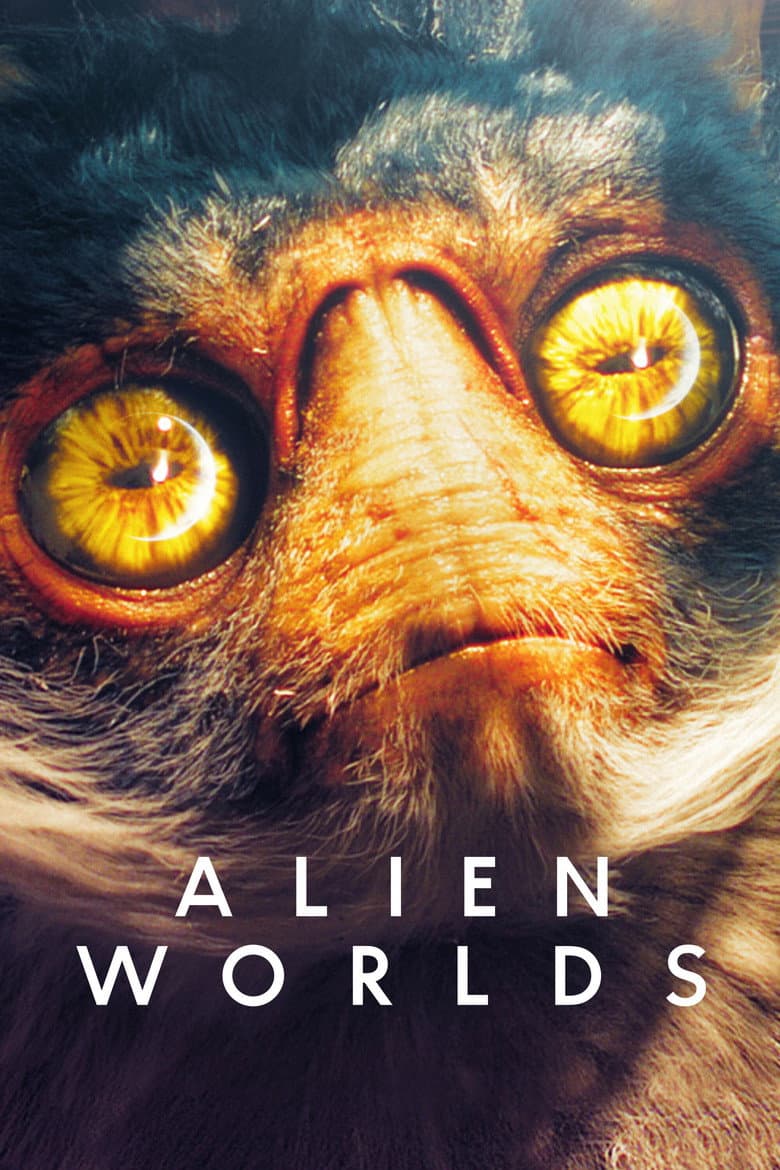
TV Show · 2020
Applying the laws of life on Earth to the rest of the galaxy, this series blends science fact and fiction to imagine alien life on other planets.
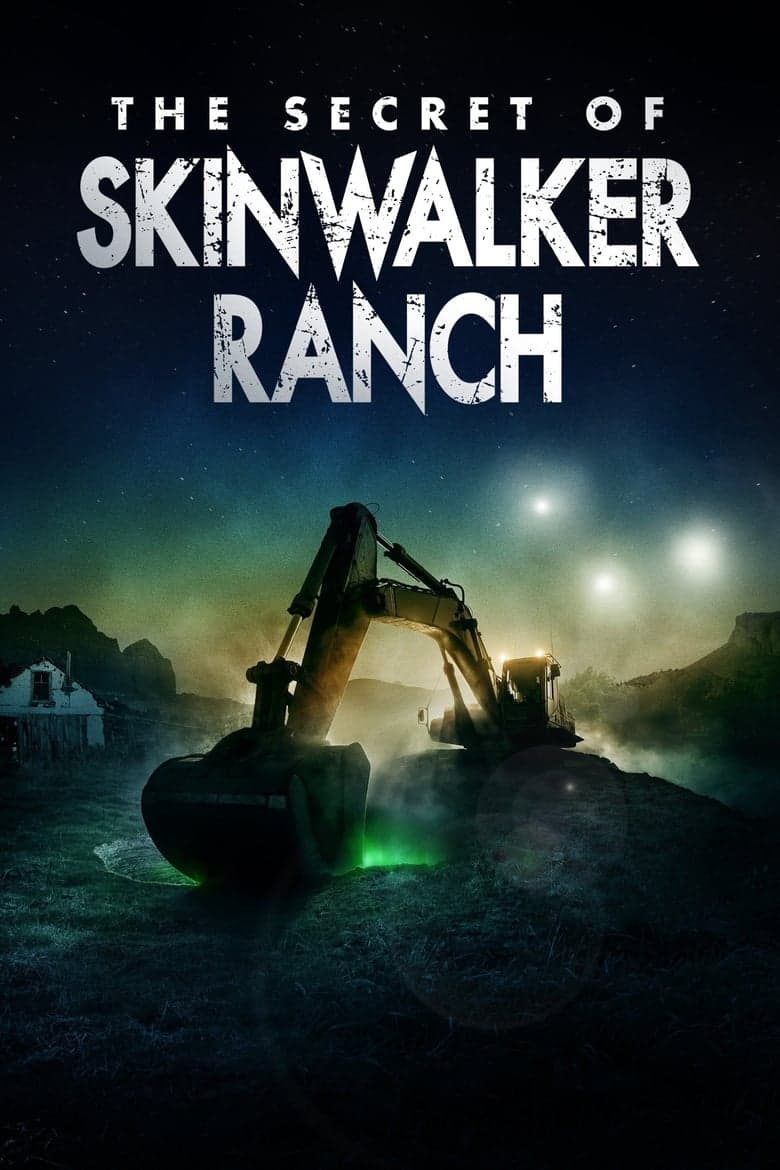
TV Show · 2020
There is a ranch in northern Utah. It is considered the epicenter of the strangest, and most disturbing occurrences on Earth: For two decades, the federal government investigated…
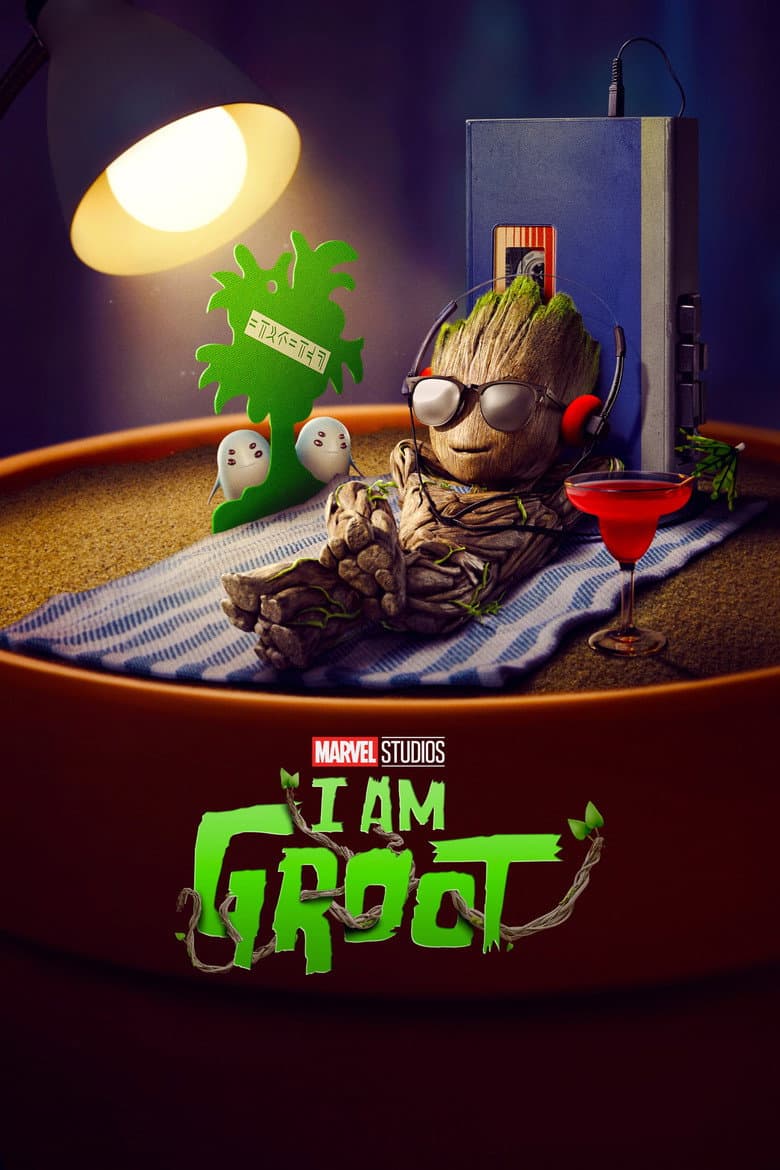
TV Show · 2022
There's no guarding the galaxy from this mischievous toddler! Get ready as Baby Groot takes center stage in his very own collection of shorts, exploring his glory days growing up…
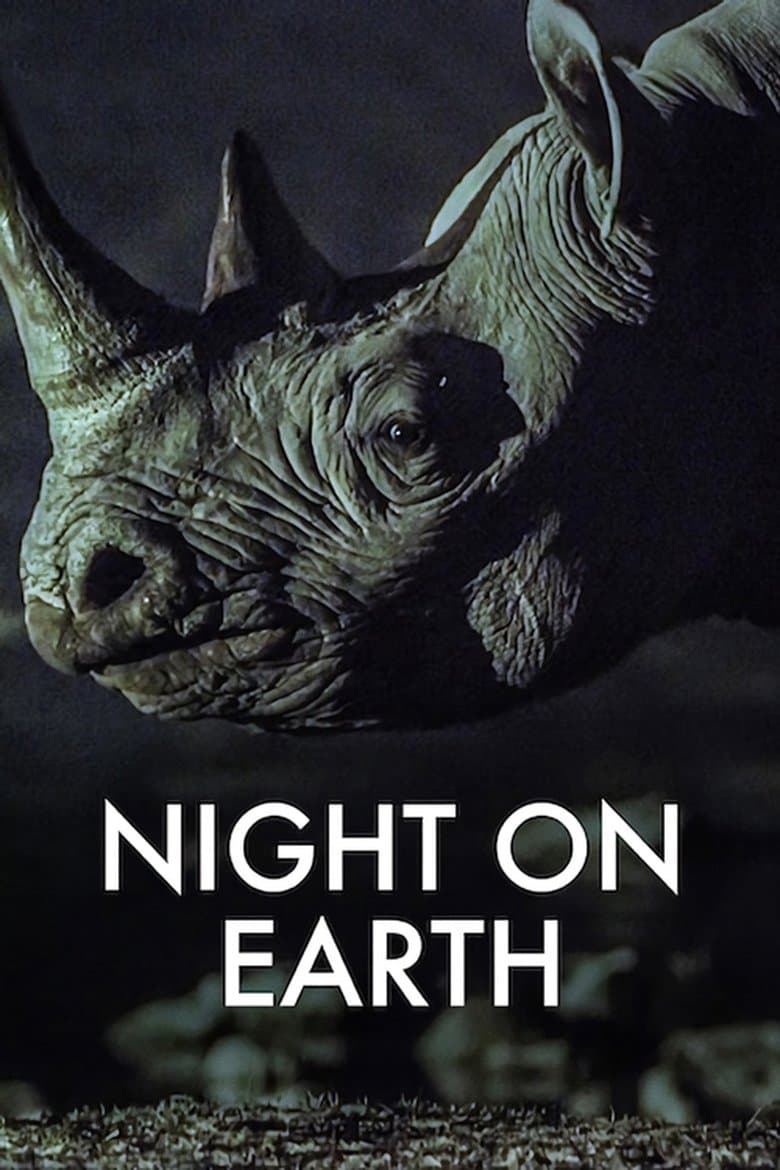
TV Show · 2020
This nature series’ new technology lifts night’s veil to reveal the hidden lives of the world’s creatures, from lions on the hunt to bats on the wing.
TV Show · 2019
Celebrities compete in a singing competition with one major twist: each singer is shrouded from head to toe in an elaborate costume, complete with full face mask to conceal his or…
