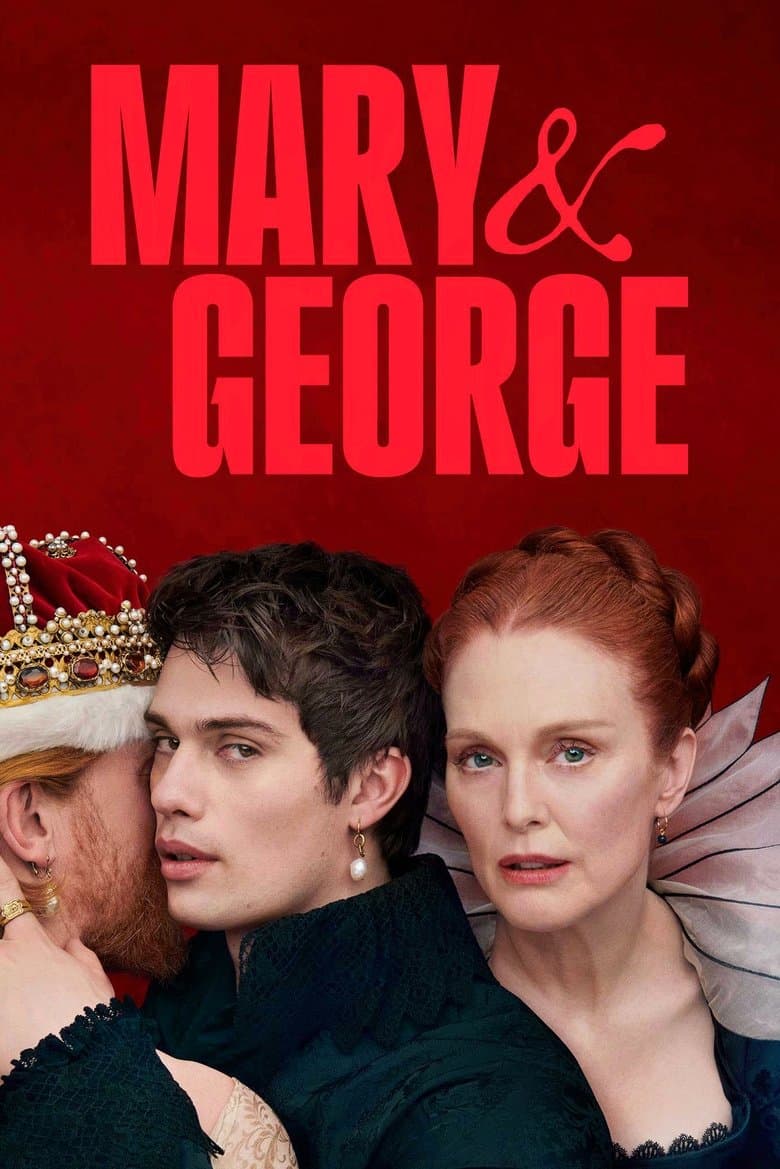
Started March 5, 2024 · Ended · Based on 1 season, 7 episodes through April 16, 2024 · TV-MA · 45 min
Mary Villiers is a poor English noblewoman in the early 1600s who wants safety and wealth for her family. She trains her handsome son George to enter the court of King James I and win the king's favor. George becomes the king's lover and adviser, while Mary fights rivals, enemies, and her son's growing independence. The show mixes dark humor, sex, violence, and royal power games.
George's romance with King James is a main part of the story, not a side plot. The show also follows Mary's sexual relationship with Sandie, a woman who runs a brothel, and it treats sex as both love and a way to gain power. The court is shown as open to same-sex affairs, while characters use marriage, beauty, and family ties to climb higher. The later episodes focus more on war, government work, betrayal, and the bitter break between Mary and George.
Community feedback
Was our 76% Woke rating accurate?
Breakdown
These are the editorial factors and ratings behind our score for Mary & George.
Woke representation / casting
The lead cast is mostly white and fits the English court setting. Pearl Chanda plays the real English noblewoman Frances Carr as a black woman, and a black laird also appears in the 17th-century court world. These are visible period-casting departures in supporting roles. The show does not build a repeated one-of-each cast pattern or make diversity a stated plot goal.
28%
Woke political dialogue
Not present. The show has court arguments about war, peace, religion, and royal power. It does not use modern activist speeches about identity, race, or politics.
0%
Identity-driven story themes
George's relationship with King James drives his rise at court. The show presents the men as lovers and returns to male-male sex and intimacy across the season. Mary also has a sexual and romantic relationship with Sandie, a woman who runs a brothel. The story uses sexual fluidity, queer desire, and sex as a path to power, so the identity-driven theme is central.
90%
Western institutional / cultural critique
Mary repeatedly faces a court where men control money, marriage, law, and royal access. The show presents marriage and family as tools forced on women, and it shows male abuse and entitlement causing harm. The story questions traditional gender roles through Mary's schemes and her bond with Sandie. The criticism stays inside the historical power story instead of becoming a modern activist attack.
32%
Woke character or canon changes
The show gives Mary a romantic and sexual relationship with Sandie, a brothel keeper. Known records do not record that relationship, so the series adds a clear queer element to a real person's story. The series also makes the debated James and George relationship an open romance, though historians have long discussed their closeness. Other invented killings and court events change the history but do not add identity themes.
36%
Anti-woke backlash and complaints
A few small X accounts attacked the show for a black laird in a 17th-century setting and for its male-male sex. One post called the series “soft, gay porn,” while another said Starz portrayed white European men as gay. The reports had little reach beyond one post with about 50,000 views. No sustained boycott, review-bombing drive, or large right-wing media campaign was found.
15%
Creator track record context
Oliver Hermanus has a strong queer and social-issue record. Kelly Valentine Hendry has a documented diversity-focused casting record, and Julianne Moore has a public progressive advocacy record. D.C. Moore and Benjamin Woolley show little comparable activist focus, while the other listed directors and producers have mixed or unclear records. This background adds context, but the show's own queer story is the clearer signal.
43%
Production
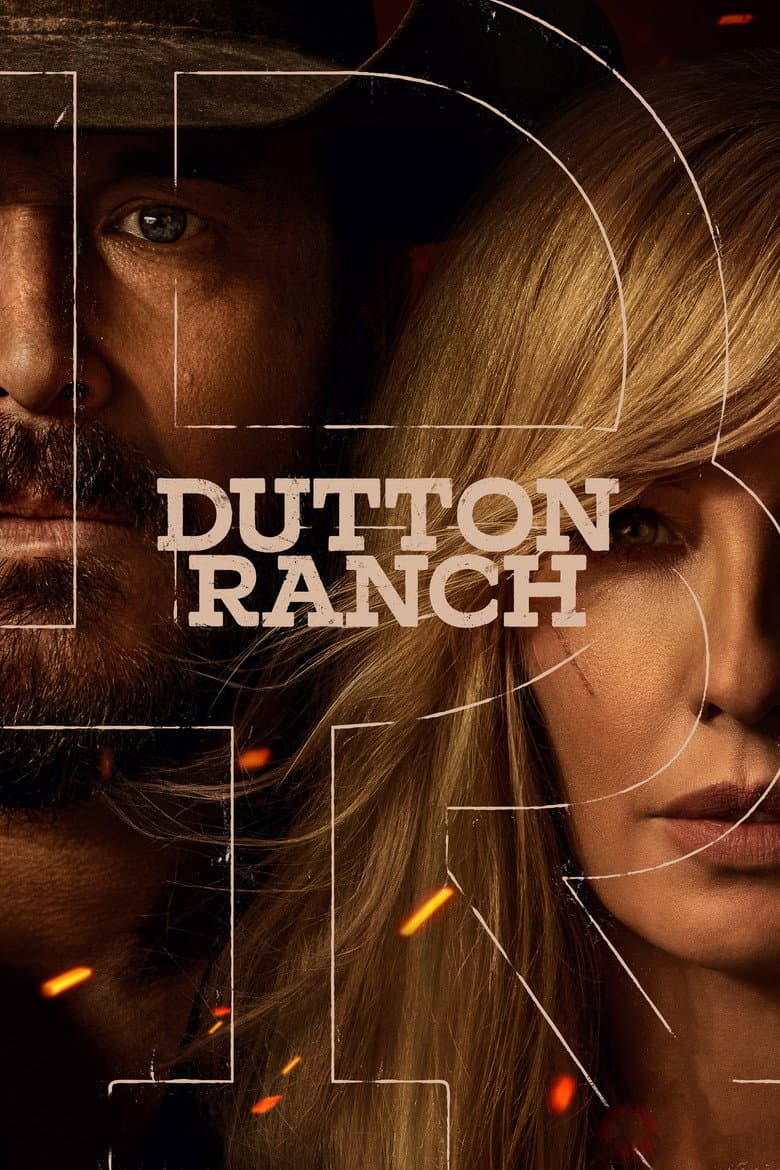
TV Show · 2026
Rip Wheeler and Beth Dutton gamble everything on a new life in South Texas, but the promise of building a future far from the ghosts of Yellowstone quickly collides with brutal…

TV Show · 2024
Fascinated by cars since childhood, Brazilian racer Ayrton Senna became a sports legend — until tragedy struck, changing Formula 1 forever.
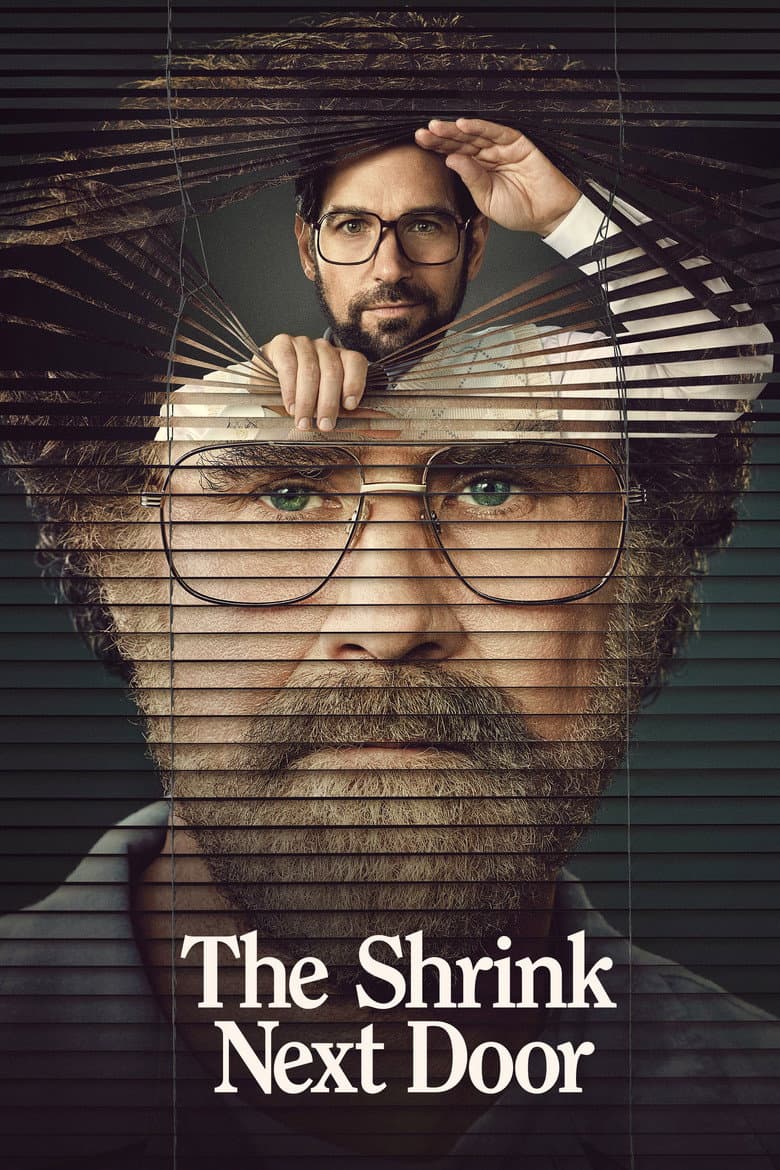
TV Show · 2021
Inspired by the true story of Marty and the therapist who turned his life around...then took it over. When he first meets Dr. Ike, Marty just wants to get better at boundaries.

TV Show · 2026
As the Kargil War erupts between India and Pakistan, the Golden Arrows squadron of the Air Force takes flight on a dangerous mission behind enemy lines.
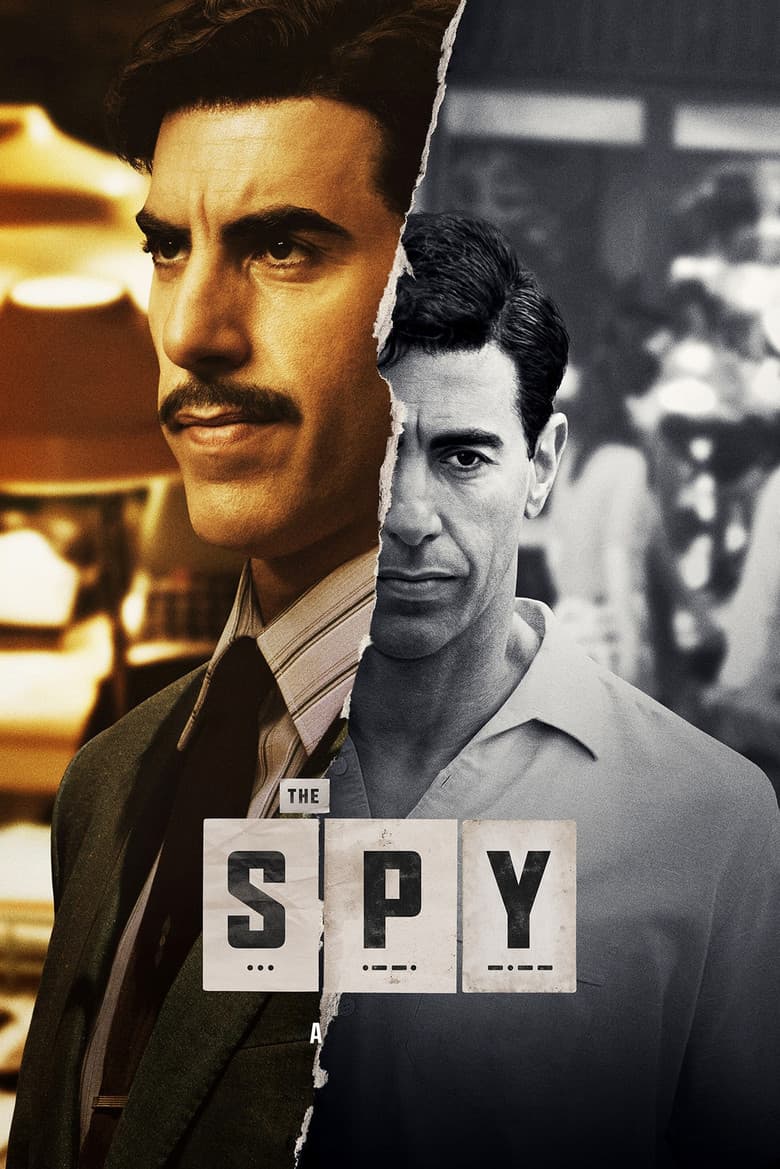
TV Show · 2019
In the 1960s, Israeli clerk-turned-secret agent Eli Cohen goes deep undercover inside Syria on a perilous, years-long mission to spy for Mossad.
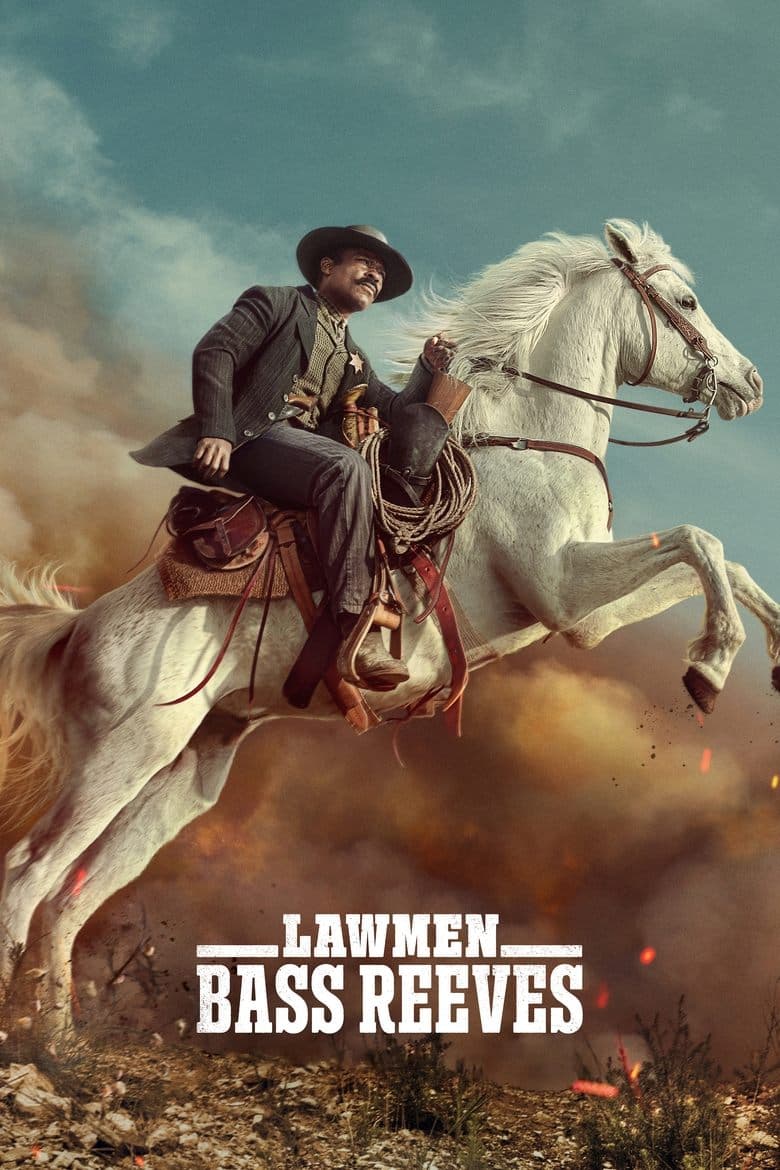
TV Show · 2023
The story of Bass Reeves, the legendary lawman of the wild West, is brought to life. Reeves worked in the post-Reconstruction era as a federal peace officer in the Indian…
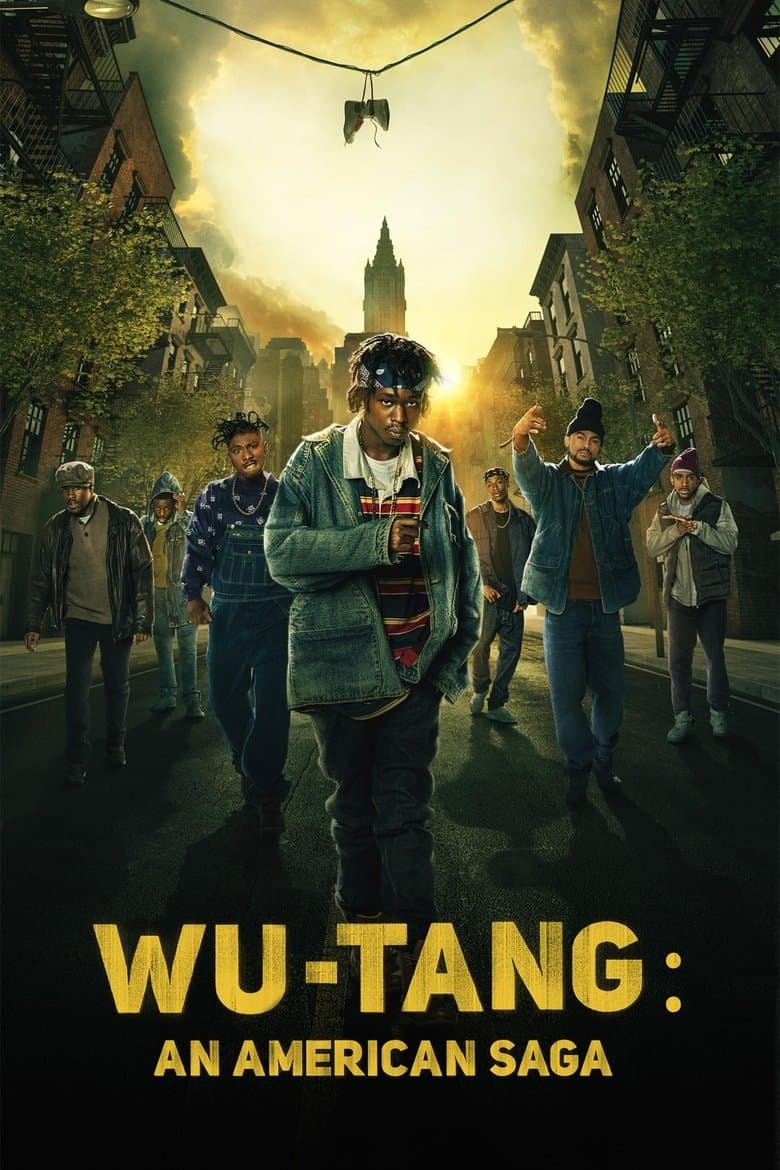
TV Show · 2019
In the early 1990s in New York, during the height of the crack cocaine epidemic, a visionary musician named Bobby Diggs aka The RZA begins to form a super group of a dozen young…
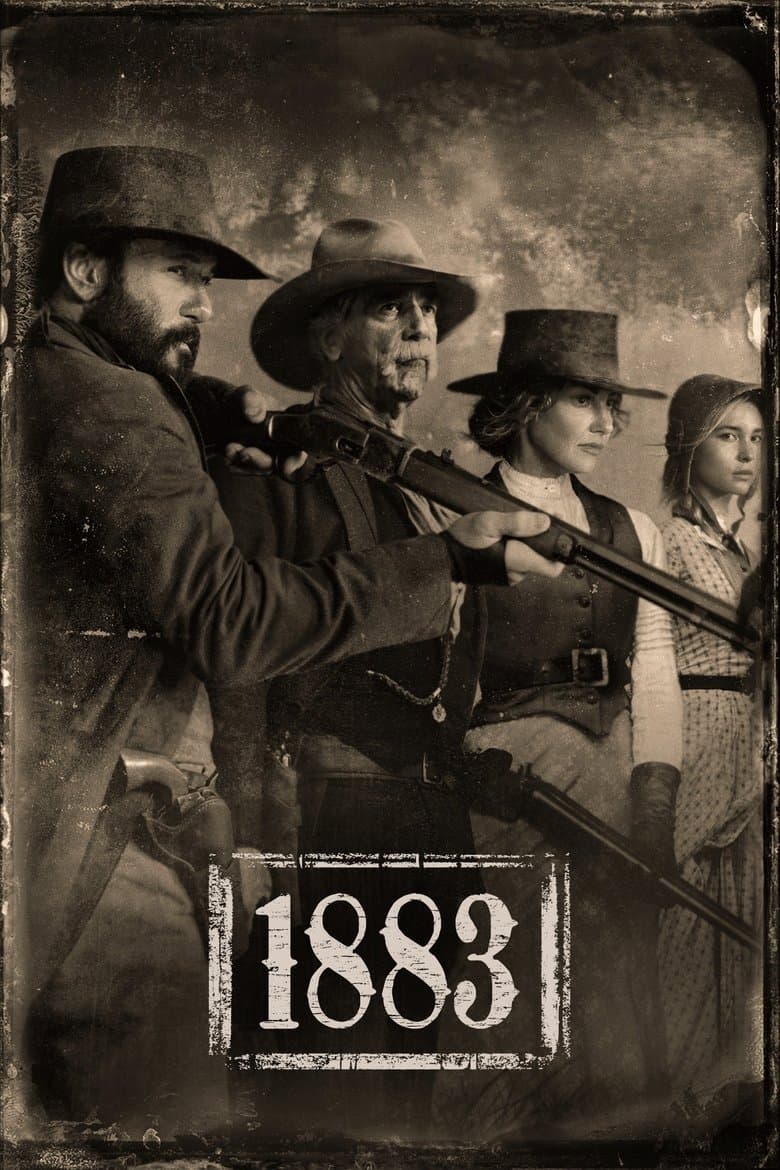
TV Show · 2021
Follow the Dutton family as they embark on a journey west through the Great Plains toward the last bastion of untamed America.
