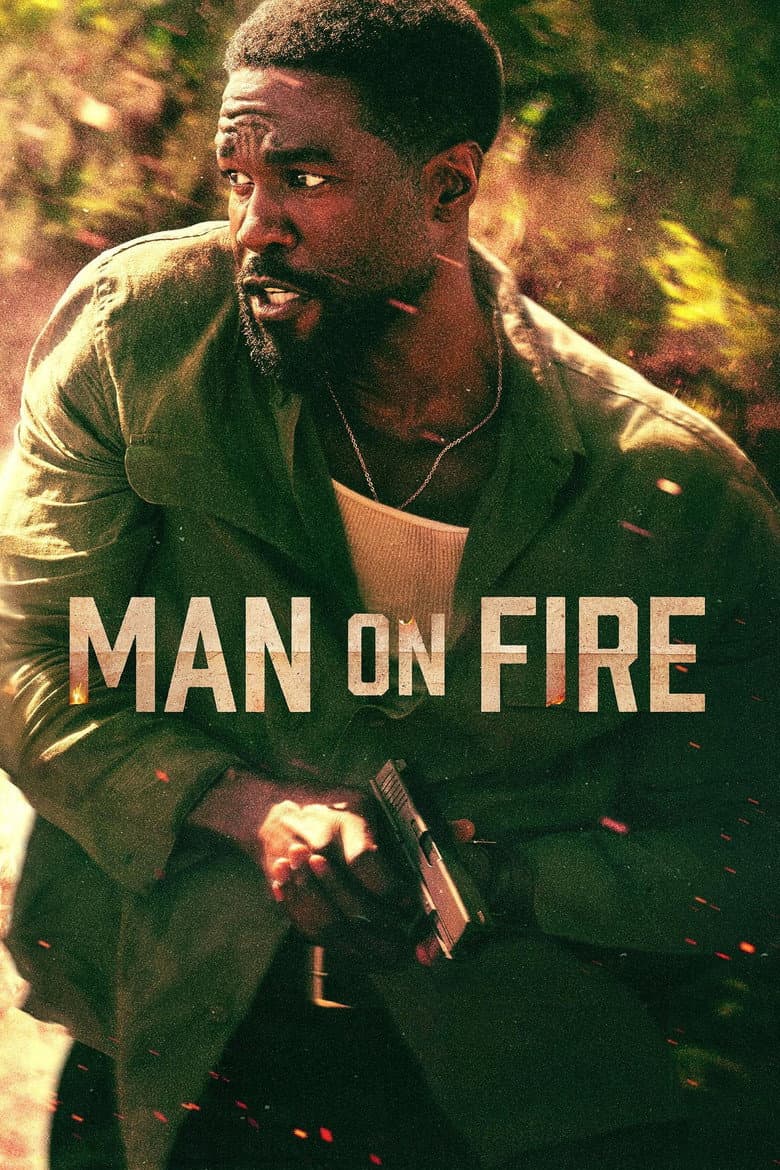
Started April 30, 2026 · Returning Series · Based on 1 season, 7 episodes through April 30, 2026 · TV-MA
Netflix’s Man on Fire is a loose TV reworking of A.J. Quinnell’s Creasy books with a clear nod to the 2004 film. John Creasy is a former U.S. Army Special Forces and CIA contractor broken by PTSD after a Mexico City job that wiped out his team. An old friend pulls him to Rio for security work around a Brazilian election. A condo bombing kills that friend’s family except teenage daughter Poe. Creasy protects Poe, hunts the plotters, and uncovers a false-flag scheme by Brazil’s president and security chief, with a CIA handler pushing an American power grab.
The season’s spine is trauma, vigilante skill, found family, and corrupt power, not identity-politics messaging. Race, gender ideology, and representation-as-theme do not drive the plot or arcs. Audience-visible heat mainly comes from cynicism about CIA ambition and elite false-flag politics. Dialogue stays on conspiracy, PTSD, and protect-the-kid beats, with only mild community talk at the end. A black lead continues the popular-film baseline rather than inventing a new race-swap of the screen icon, and the story stays a revenge thriller at heart.
Community feedback
Was our 33% Woke rating accurate?
Breakdown
These are the editorial factors and ratings behind our score for Man on Fire.
Woke representation / casting
A black lead continues the popular-film baseline set by Denzel Washington rather than a brand-new race swap of that screen icon. A Black U.S. Special Forces operator also fits the story world. Rio supporting cast matches place and plot. Mild identity-adjacent signals come from Netflix promo framing and the star’s representation-forward brand, not a forced one-of-each ensemble.
20%
Woke political dialogue
Talk stays on conspiracy, PTSD, and protecting the kid. A closing civic line about staying and improving home is mild community talk. There is no sustained race, gender, or queer activist speech.
8%
Identity-driven story themes
The season runs on grief, PTSD recovery, revenge, and found-family purpose. Race, gender ideology, queer identity, and representation-as-theme do not drive plot or character arcs. A softer ensemble tone is a craft choice, not identity messaging.
5%
Western institutional / cultural critique
Viewers see clear cynicism about CIA ambition and elite false-flag politics. A U.S. power grab and Brazilian presidential corruption sit at the center of the conspiracy. This is genre-standard spy-thriller rot about institutions, not modern activist packaging about identity groups.
25%
Woke character or canon changes
The show is a loose adaptation with a new setting, a teen protectee, and a largely new conspiracy. Black Creasy matches the 2004 film rather than a fresh DEI rewrite of that icon. Expanded female allies and a broader ensemble soften the lone-butcher vibe as ordinary modernization more than documented identity canon surgery.
12%
Anti-woke backlash and complaints
Complaints were real but limited and mostly pre-release. Critics on the right called it a woke Netflix wreck and fretted over race-swap framing, girlboss claims, and a softened hero. After release, many said it was not the woke reboot they feared, and quality gripes outran sustained DEI outrage.
20%
Creator track record context
The showrunner scores low and the novel source scores zero, while most directors and producers sit low to moderate. Higher marks come mainly from star and executive producer Yahya Abdul-Mateen II and from Steven Caple Jr.’s diversity statements. Interviews for this title stay on PTSD, action, and craft rather than turning that broader record into on-screen identity politics.
36%
Production
TV Show · 2023
During his glory days, Berlin and a gang assembled in Paris for one of his greatest plans ever: stealing 44 million euros' worth of jewels in one night.
TV Show · 2021
A happily married man's life is turned upside down when his wife is killed in a mysterious hit-and-run accident in Tel Aviv.
TV Show · 2023
Faced with ruthless foes with a violent thirst, two young boxers band together — risking life and limb to bring justice and protect their loved ones.
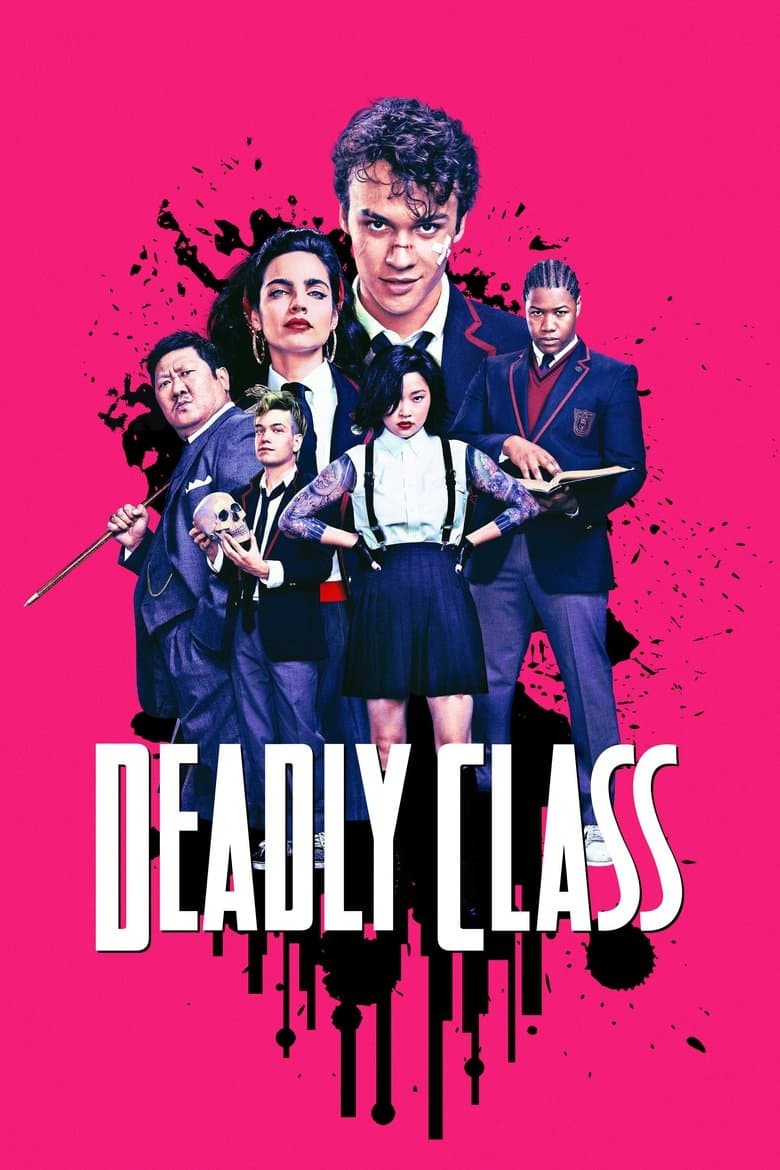
TV Show · 2019
Follow a disillusioned teen recruited into a storied high school for assassins. Maintaining his moral code while surviving a ruthless curriculum, vicious social cliques, and his…
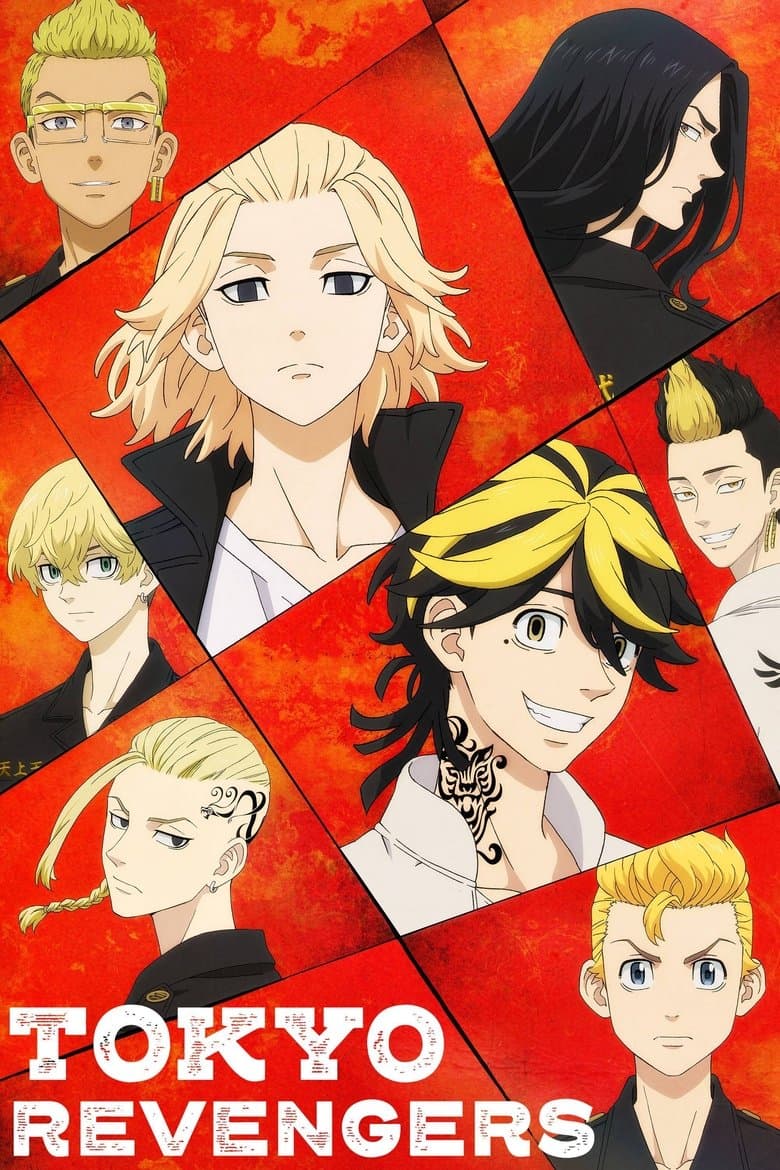
TV Show · 2021
Takemichi Hanagaki is a freelancer that’s reached the absolute pits of despair in his life. He finds out that the only girlfriend he ever had, in middle school, Hinata Tachibana…
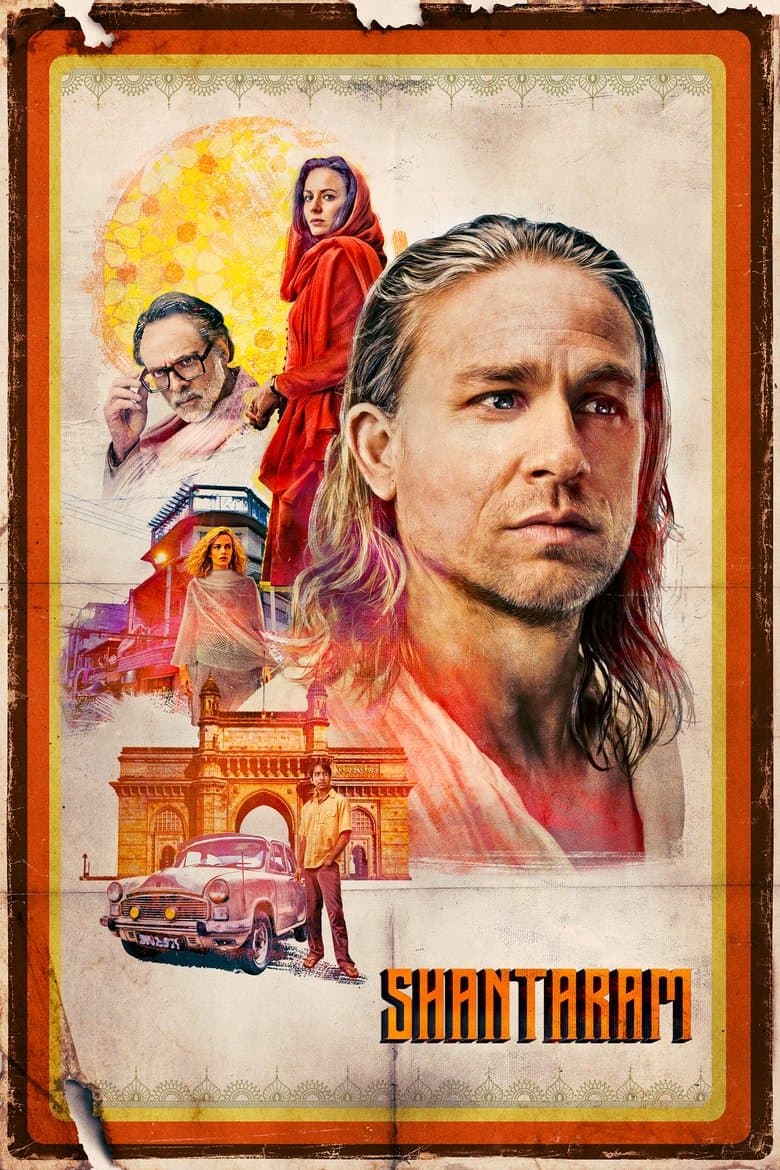
TV Show · 2022
Escaped convict Lin Ford flees to the teeming streets of 1980s Bombay, looking to disappear. Working as a medic for the city's poor and neglected, Lin finds unexpected love…
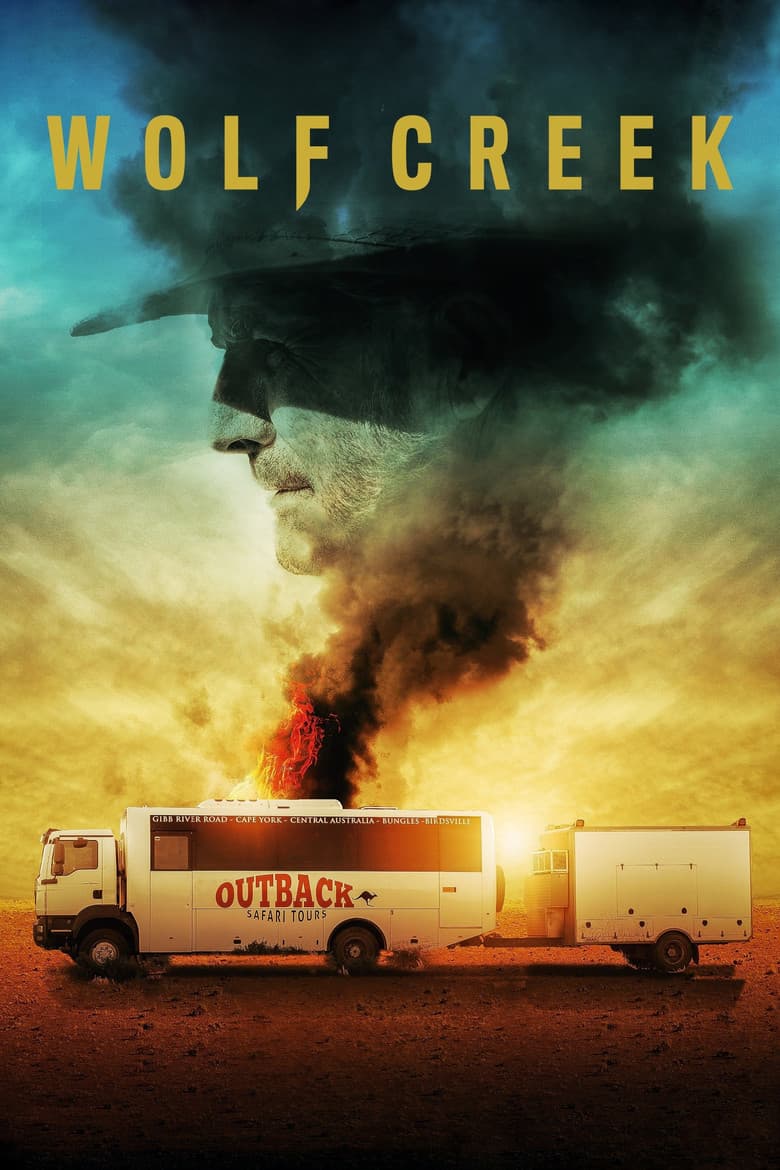
TV Show · 2016
An anthology series which centers on different characters being targeted by crazed serial killer Mick Taylor in the Australian outback.
TV Show · 2017
Action drama series inspired by the real missions of Navy SEAL Team Six.
