
Started July 14, 2026 · Returning Series · Based on 1 season, 7 episodes through July 28, 2026 · TV-MA
After a multimillion-dollar heist, con artist Luciana Armstrong, known as Lucky, is abandoned by her husband with the cash. She is hunted by the FBI and by a crime syndicate led by her mother-in-law. The series is a chase and crime thriller on Apple TV. It is built around father and daughter con craft more than identity politics. The main story turns on pursuit, family loyalty, and moral gray crime.
Production and marketing lean on a Hello Sunshine female hero of her own story framing. The show places powerful women in major roles as the resourceful lead, a mob matriarch, and a determined FBI agent. Press and promo sometimes use feminist framing, and the supporting cast includes multiethnic figures in authority and crime roles. The plot still centers on heist, survival, trust, and betrayal rather than race theory, DEI plots, or queer identity arcs. Coverage finds no confirmed LGBTQ storyline and no serious anti-woke backlash campaign.
Community feedback
Was our 31% Woke rating accurate?
Breakdown
These are the editorial factors and ratings behind our score for Lucky.
Woke representation / casting
The modern Vegas and LA crime setting makes multiethnic casting feel normal. Hello Sunshine still stacks women in high-agency leads as con artist, mob boss, and FBI agent. Ellis-Taylor’s black female FBI lead and Collins Jr. as Latino enforcer are clear competent roles. The cast is not a rigid one-of-each ensemble, but it goes beyond a default all-white male crime template.
32%
Woke political dialogue
Reviews stress chase, con craft, and family friction more than speeches. The father frames crime as balancing scales in an unjust society in classic antihero style, not modern DEI talk. Episode ideas like whether they are bad people stay generic crime morality. Major coverage does not show sustained race, gender, or queer activist dialogue.
6%
Identity-driven story themes
The spine is a heist gone wrong, survival, and father–daughter training, not identity grievance. Soft female-agency and heroine of her own story framing is real in production and marketing. Lucky’s competence matters, but arcs focus on trust, betrayal, and criminal inheritance. No confirmed queer themes appear in coverage.
24%
Western institutional / cultural critique
Critique is light, with con-man talk about an unjust society. Lucky is used and betrayed by father and husband more as plot mechanics than a full patriarchy thesis. The FBI is a pursuit force, not a deconstructed colonial or capitalist villain. Press patriarchy-in-the-mafia readings go beyond what reviews call the main text.
14%
Woke character or canon changes
Not relevant. The TV version drops the novel’s lottery-ticket dilemma, mother search, dual timeline, and elder-scam material for a leaner post-heist chase. These are ordinary adaptation cuts, not race, gender, or identity rewrites of characters or history.
0%
Anti-woke backlash and complaints
Not present. No meaningful news or social wave treats the show as DEI propaganda, too woke, or a race or gender swap agenda. Reception is about craft, pacing, and cast, not culture-war backlash.
0%
Creator track record context
Tropper scores low on activist cache and Pappas has a mild women-centered résumé. Stapley writes commercial women’s fiction with some #MeToo-era framing, while one episode writer has higher Latinx and immigration work. Taylor-Joy and Witherspoon or Hello Sunshine lean toward female stories and gender equality packaging. Overall this is liberal feminist women-led packaging, not a hard activist creative bloc.
28%
Production
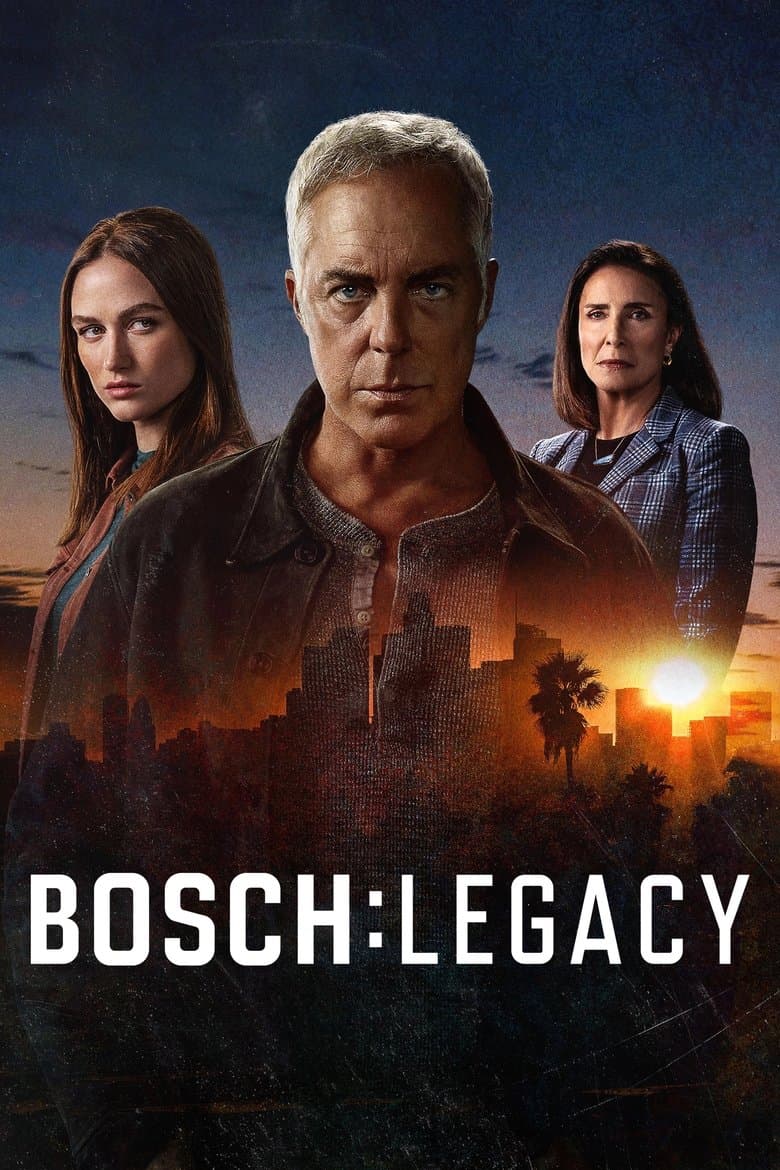
TV Show · 2022
Bosch is now making a living as a private investigator two years after he quit the LAPD and finds himself working with one time enemy and top-notch attorney Honey “Money”…
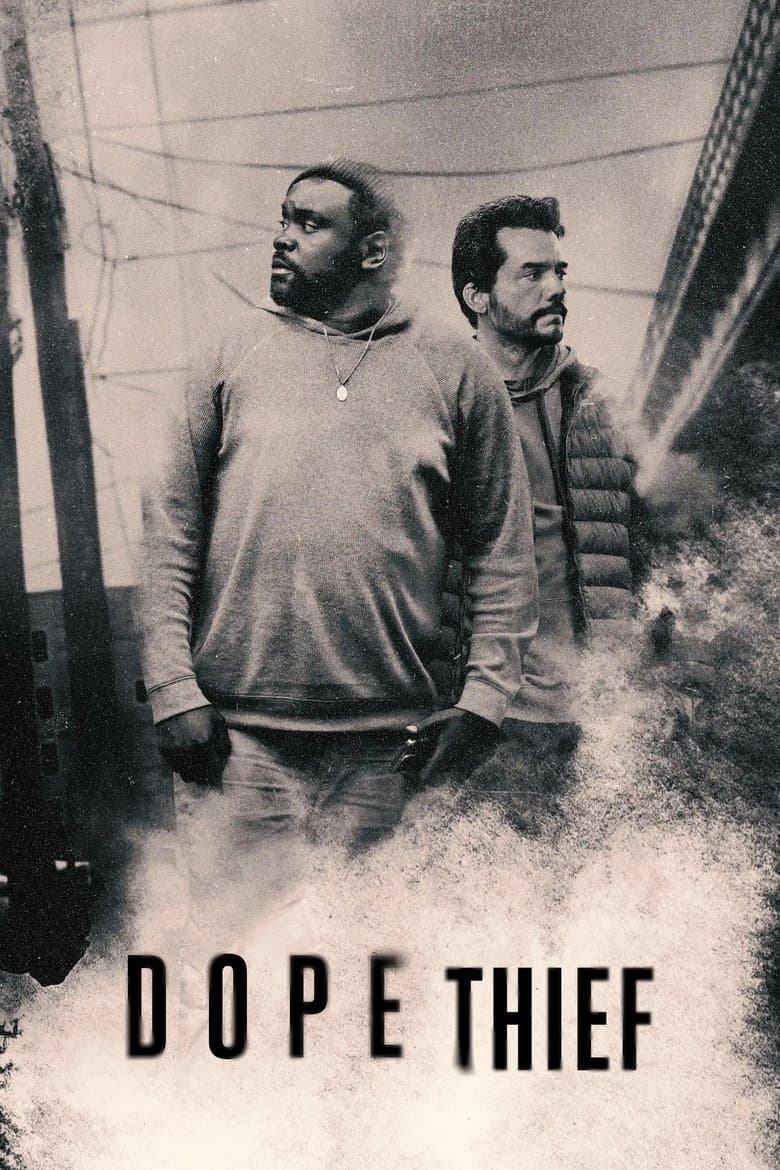
TV Show · 2025
Two lifelong friends in Philadelphia pose as DEA agents to rob small-time drug dealers. It's a perfect grift—until they choose the wrong mark and become targets of a massive…

TV Show · 2026
Ben Reilly, an aging and down on his luck private investigator in 1930s New York, is forced to grapple with his past life as the city's one and only superhero.
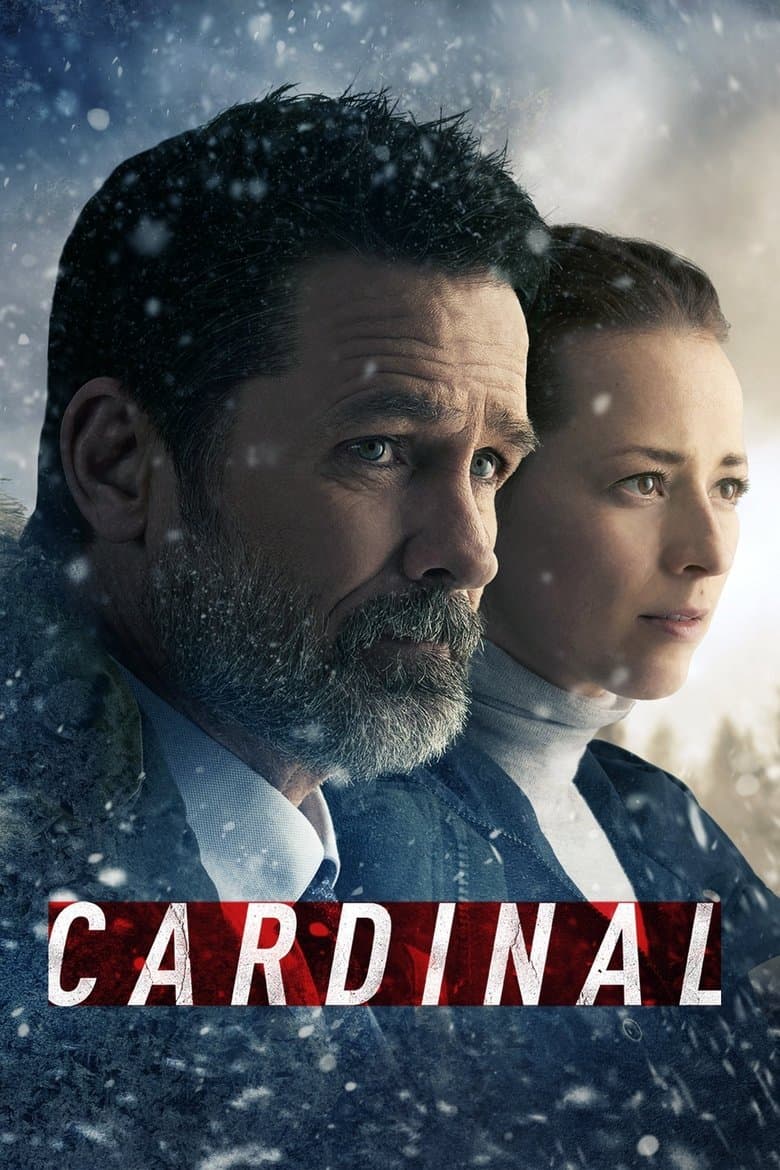
TV Show · 2017
Detective John Cardinal attempts to uncover the mystery of what happened to the missing 13-year-old girl whose body is discovered in the shaft-head of an abandoned mine.

TV Show · 2016
The story of Mac Conway, a Marine who returns home to Memphis from Vietnam in 1972 and finds himself shunned by those he loves and demonized by the public.
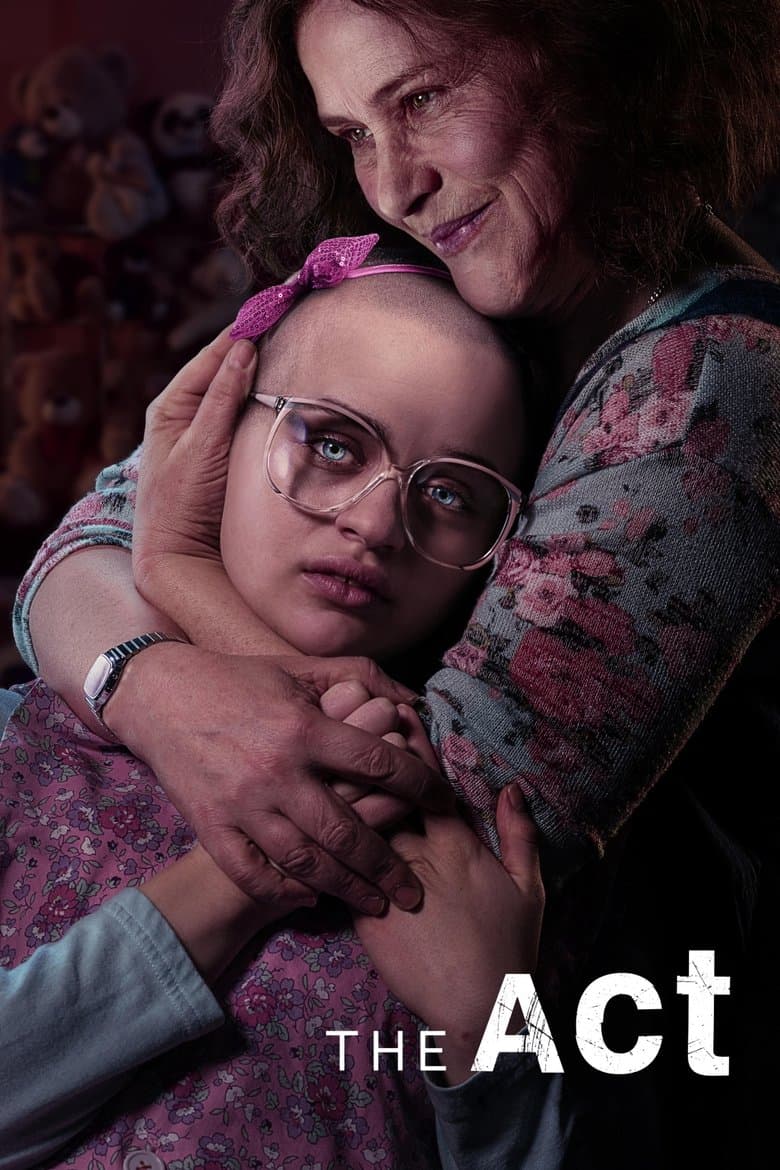
TV Show · 2019
Gypsy Blanchard struggles to deal with the toxic relationship with her overprotective mother, but her attempts to free herself lead to murder.
TV Show · 2020
New Orleans judge Michael Desiato is forced to confront his own deepest convictions when his son is involved in a hit and run that embroils an organized crime family.

TV Show · 2024
Through the eyes of various Irish Republican Army (IRA) members, explore the extremes some people will go to in the name of their beliefs, the way a deeply divided society can…
