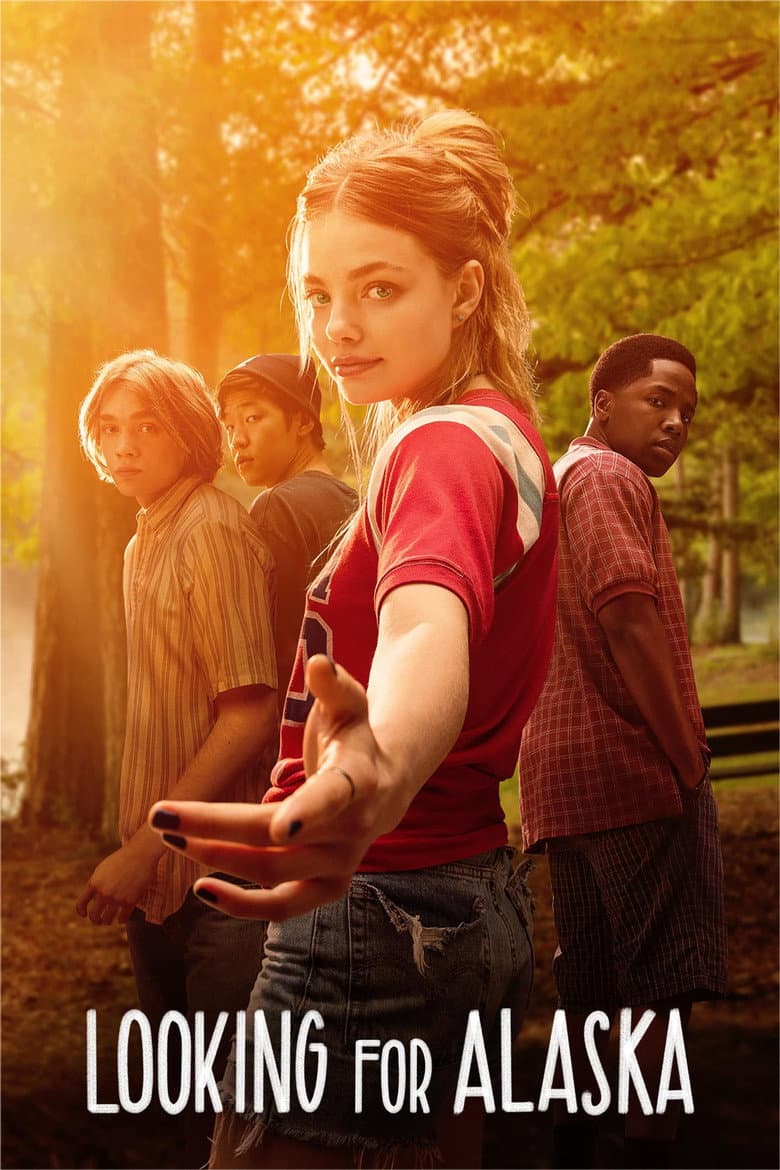
Started October 19, 2019 · Ended · Based on 1 season, 8 episodes through October 19, 2019 · TV-MA · 50 min
Looking for Alaska follows Miles “Pudge” Halter, a quiet Florida teenager who wants a life beyond the safe future his parents planned for him. He moves to Culver Creek Academy, a strict but lively boarding school in Alabama in 2005. He joins Chip, Takumi, Alaska, and other students in pranks, romance, smoking, drinking, and secret trips. Alaska dies in a car crash, and Miles must face grief, guilt, and questions about what happened. The show mixes nostalgia, humor, romance, sadness, and mystery.
The show gives strong attention to feminist and identity-focused ideas. Alaska speaks about sexism, the male gaze, objectification, patriarchy, sexual double standards, and women's freedom. Miles learns to ask for consent, while the story treats mental health and grief as issues that need honest care. Chip faces race and class barriers as a black scholarship student among wealthy white families. Dr. Hyde's story includes his late male partner and the rejection that partner faced from his parents. These themes matter, but friendship, death, forgiveness, and the search for meaning remain central.
Community feedback
Was our 78% Woke rating accurate?
Breakdown
These are the editorial factors and ratings behind our score for Looking for Alaska.
Woke representation / casting
The core group includes white leads, a black scholarship student, an Asian friend, and a Romanian student at a 2005 Alabama boarding school. The show makes the Colonel's race part of his country-club exclusion and class struggle. The story gives the Colonel a clear backstory and a setting-based reason for this conflict. The casting creates a clear but limited focus on representation.
35%
Woke political dialogue
Alaska calls out sexism, patriarchy, objectification, and the male gaze in several early episodes. She also challenges sexual double standards and traditional gender roles. Miles checks consent with Lara, and episode six adds a joke against hyper-masculine behavior. These lines appear directly and repeatedly, but most episodes also focus on romance, pranks, grief, and mystery.
54%
Identity-driven story themes
The show makes Alaska's struggle to be seen as a whole person a continuing theme. The story gives her private scenes and direct conversations about sexism, consent, objectification, and mental pain. The Colonel's story adds race and class barriers, and Dr. Hyde's story includes a same-sex relationship marked by loss from AIDS. The series still centers grief, friendship, death, and growing up, so identity themes matter without becoming the whole story.
50%
Western institutional / cultural critique
The show repeatedly presents wealthy white students and legacy families as protected by money and status. The Colonel is blocked from escorting Sara at a country club ball and later faces expulsion while wealthy students face little lasting harm. Alaska attacks male objectification, patriarchy, and hyper-masculine behavior. The school and family systems receive criticism across the season, but capitalism and Western society are not the main targets.
57%
Woke character or canon changes
The show changes the novel's mostly Miles-only view by giving Alaska private scenes and an independent inner life. The adaptation makes Chip's black identity explicit and connects his scholarship and country-club rejection to race and class. The show adds Dr. Hyde's late male partner and direct scenes about mental health, consent, objectification, and feminist ideas. These updates meaningfully change established characters and the way the source story is told.
66%
Anti-woke backlash and complaints
One Reddit discussion called Alaska's repeated feminist talk and references to patriarchy and ironing overdone. A Vanity Fair review joked that the gender language felt too woke for a 2005 story. Most major reviews and fan posts praised the acting, grief story, or faithfulness instead of calling the show DEI propaganda. The anti-woke reaction was small and mixed.
12%
Creator track record context
The cached context gives Josh Schwartz 37/100, Kendall Rogers 30/100, and John Green 24/100. The main creators do not have a strong public record of identity activism. Several one-episode directors have higher cached scores, including Clea DuVall at 70, Megan Griffiths at 73, Ami Canaan Mann at 61, and Rashaad Ernesto Green at 78. Josh Schwartz and Kristine Froseth publicly framed this title around fixing the book's limited male gaze and making Alaska a full person. This mix supports a moderate creator track record context rather than a dominant one.
48%
Production
TV Show · 2019
The true story of one of the worst man-made catastrophes in history: the catastrophic nuclear accident at Chernobyl.
TV Show · 2026
The Clyburns uproot their comfortable New York City lives to the wild, untamed beauty of Montana's Madison River Valley on a search for connection.
TV Show · 2023
The story of Bass Reeves, the legendary lawman of the wild West, is brought to life. Reeves worked in the post-Reconstruction era as a federal peace officer in the Indian…

TV Show · 2024
In Japan in the year 1600, at the dawn of a century-defining civil war, Lord Yoshii Toranaga is fighting for his life as his enemies on the Council of Regents unite against him…
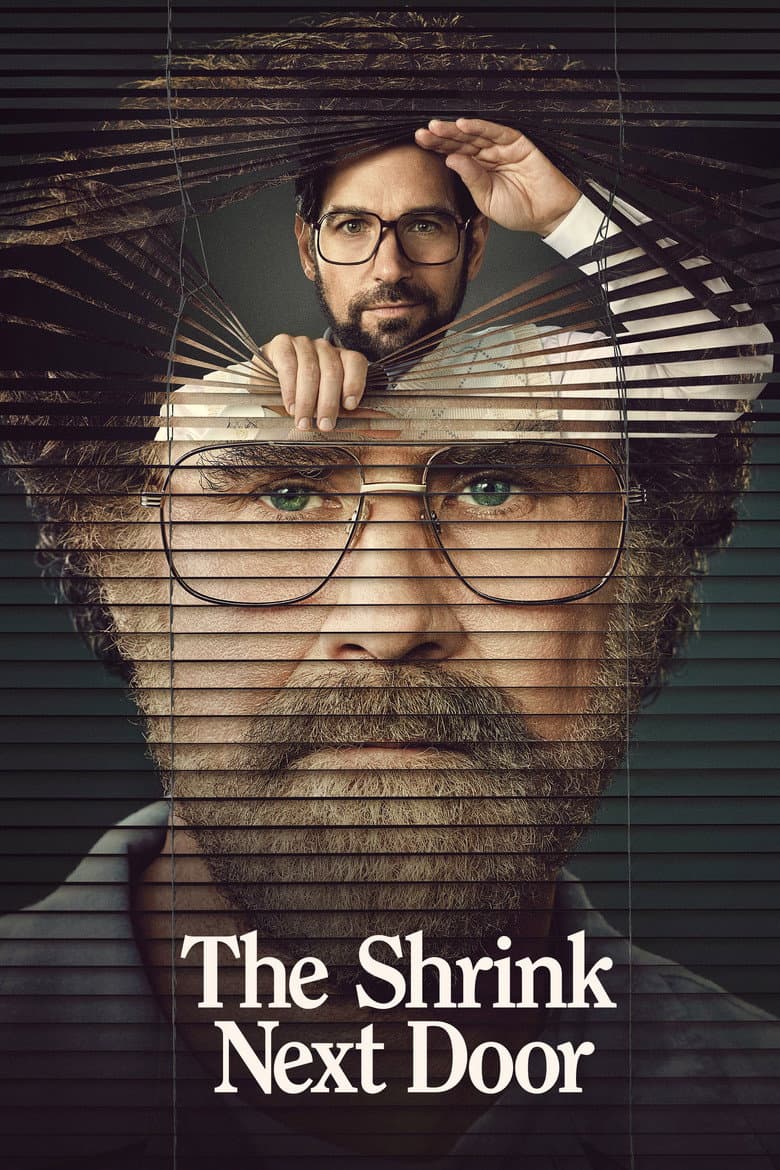
TV Show · 2021
Inspired by the true story of Marty and the therapist who turned his life around...then took it over. When he first meets Dr. Ike, Marty just wants to get better at boundaries.

TV Show · 2024
Fascinated by cars since childhood, Brazilian racer Ayrton Senna became a sports legend — until tragedy struck, changing Formula 1 forever.
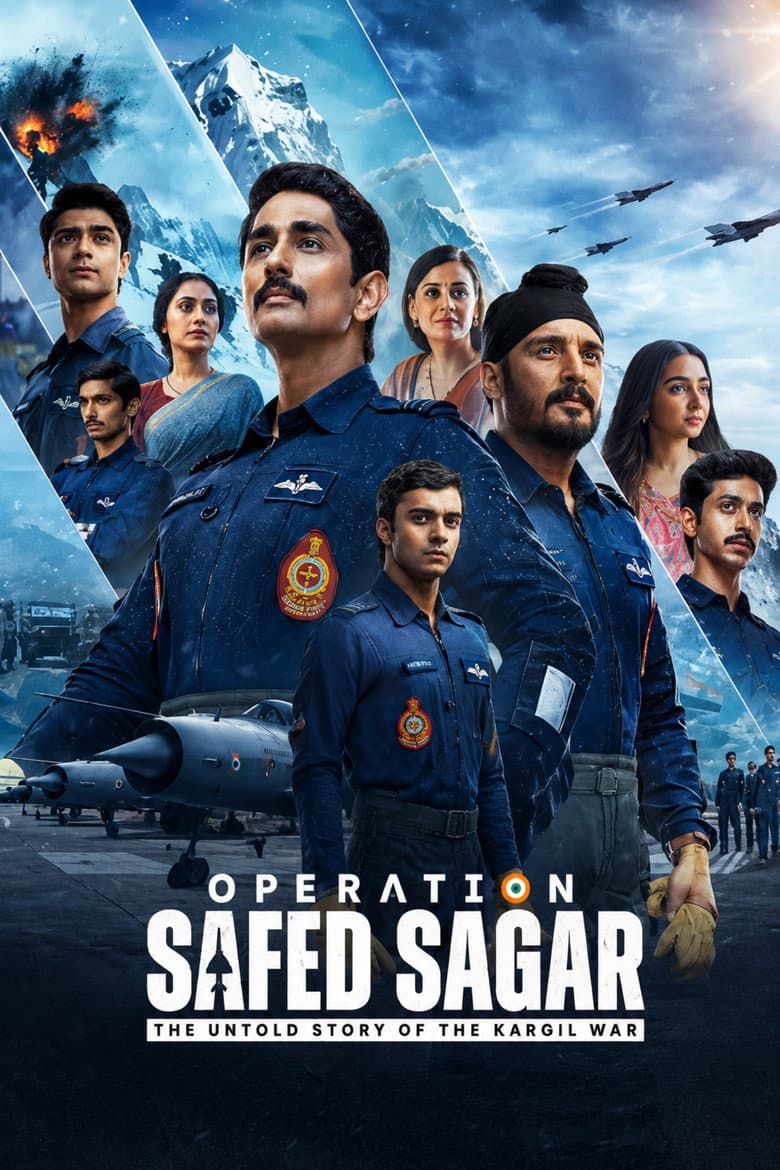
TV Show · 2026
As the Kargil War erupts between India and Pakistan, the Golden Arrows squadron of the Air Force takes flight on a dangerous mission behind enemy lines.
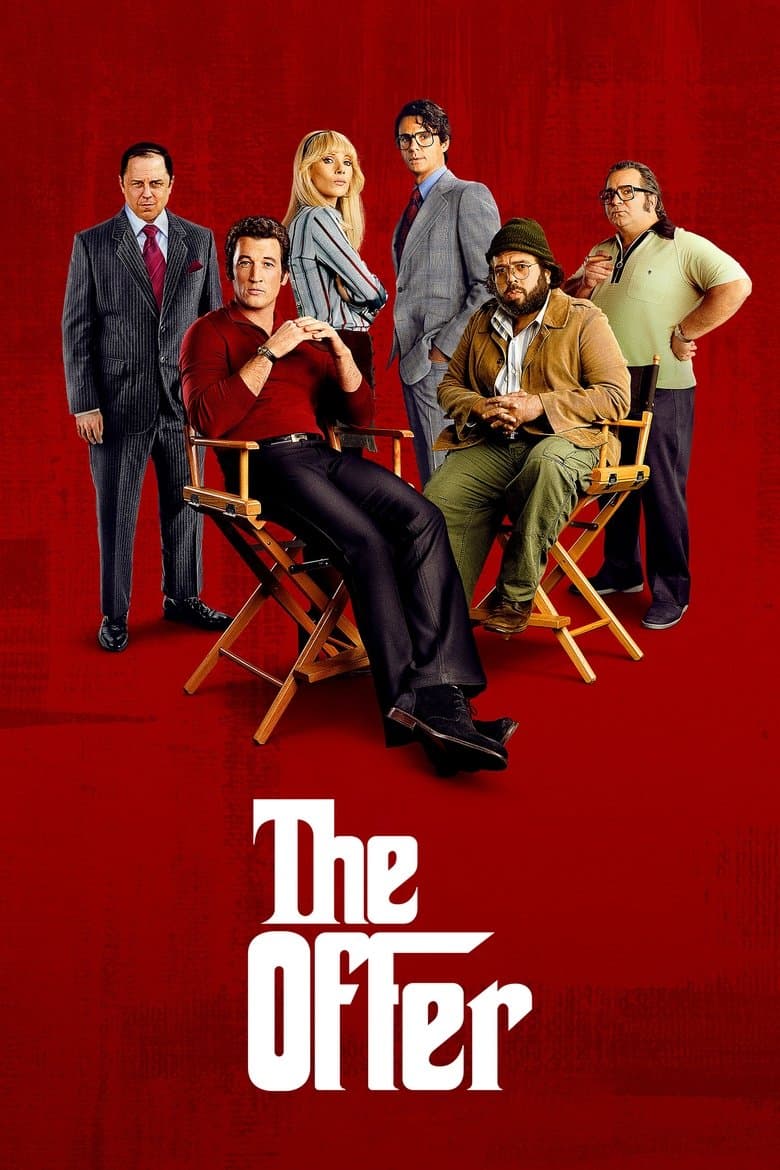
TV Show · 2022
Oscar-winning producer Al Ruddy’s never before revealed experiences of making the iconic 1972 film The Godfather that Francis Ford Coppola directed and adapted with Mario Puzo.
