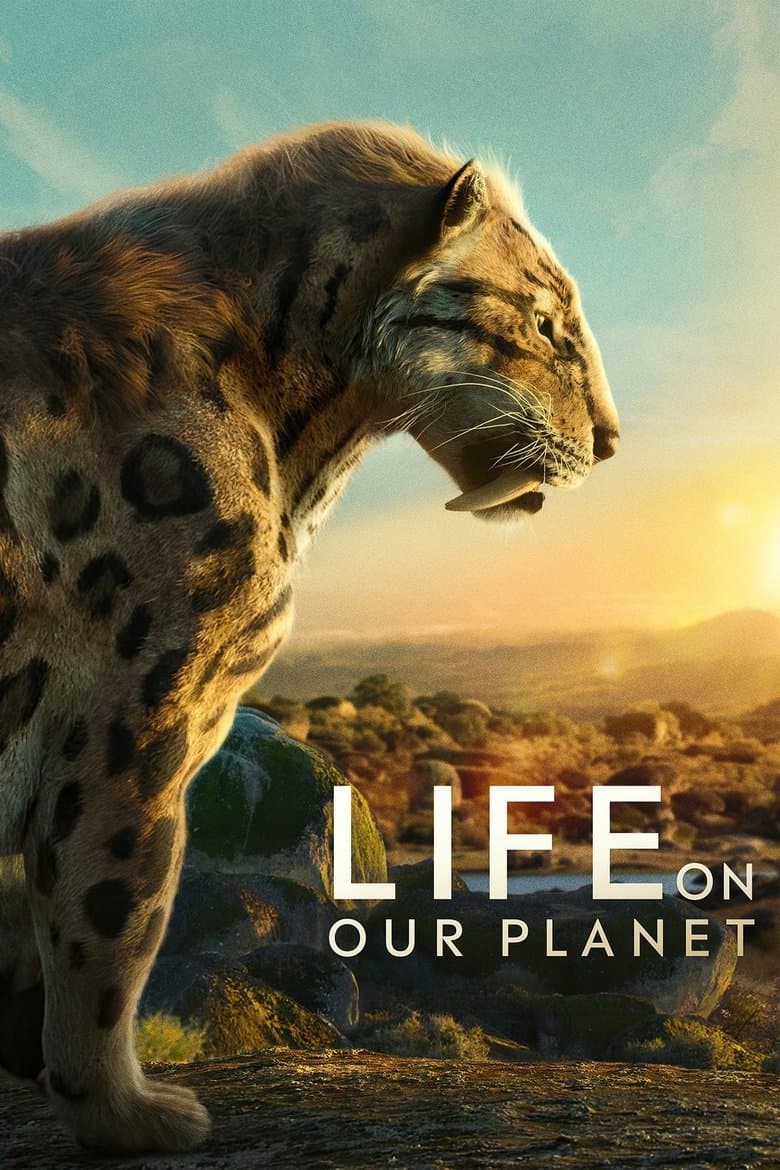
Started October 25, 2023 · Ended · Based on 1 season, 8 episodes through October 25, 2023 · TV-PG
Life itself is the main subject, and Morgan Freeman narrates its journey. The series follows living things from the first simple cells through plants, reptiles, dinosaurs, birds, mammals, and humans. The conflict comes from competition, changing environments, and mass extinctions across Earth’s oceans, land, and skies. The tone is grand and dramatic, but the final chapter becomes darker and more urgent.
The strongest modern message appears in the last episode, which says human growth, habitat damage, and rising carbon emissions may be causing a sixth mass extinction. The show presents humans as the first species able to understand this danger and possibly stop it. The ending asks viewers to see human power as a risk to every other form of life and as a chance to protect it. This climate warning is clear and central to the ending, while the wider season stays focused on evolution, survival, and natural history.
Community feedback
Was our 22% Woke rating accurate?
Breakdown
These are the editorial factors and ratings behind our score for Life on Our Planet.
Woke representation / casting
Not present. This is a nature documentary with no dramatic human cast or identity-focused character choices. Morgan Freeman provides narration, but the show does not frame that choice as a diversity or identity message.
0%
Woke political dialogue
The final episode says human activity may be driving a sixth mass extinction. The narration links the danger to habitat damage and rising carbon emissions. The show presents human awareness and changed behavior as ways to protect life. The message is direct, but it is concentrated in the last episode while earlier episodes mostly explain ancient evolution and extinction.
32%
Identity-driven story themes
Not present. The series centers on species, evolution, survival, and extinction. It does not build its story around race, gender, sexuality, or group identity.
0%
Western institutional / cultural critique
Not present. The show warns that humans harm ecosystems, but it does not target Western institutions, family life, religion, gender roles, men, or capitalism. It treats the problem as a danger from humanity as a whole.
0%
Woke character or canon changes
Not relevant. The series is a natural-history documentary with no established fictional characters, canon, or historical figures changed for identity reasons.
0%
Anti-woke backlash and complaints
A few small X accounts called the final episode climate propaganda or a late sermon. Other climate-skeptic posts used the show to dismiss modern climate warnings as a scare tactic. Brad R. Torgersen praised the effects and noted little enviro-preaching before the ending. The complaints were fringe and produced no organized campaign.
12%
Creator track record context
Alastair Fothergill has a conservation and climate-awareness record from major nature documentaries. Steven Spielberg has broad human-rights and Democratic-support history, but no strong identity-politics pattern is tied to this show. The other key creatives mainly work in natural-history or factual television. The overall context is mild and mostly environmental.
17%
Production
TV Show · 2026
From the first dinosaurs to the last, this epic documentary series examines their 165 million years on Earth and the forces that shaped their evolution.
TV Show · 2019
Professor Brian Cox explores the dramatic lives of the eight majestic planets/worlds that make up our solar system.
TV Show · 2020
This nature series’ new technology lifts night’s veil to reveal the hidden lives of the world’s creatures, from lions on the hunt to bats on the wing.
TV Show · 2020
Applying the laws of life on Earth to the rest of the galaxy, this series blends science fact and fiction to imagine alien life on other planets.
TV Show · 2022
Experience the wonders of our world like never before in this epic series from Jon Favreau and the producers of Planet Earth.
TV Show · 2020
There is a ranch in northern Utah. It is considered the epicenter of the strangest, and most disturbing occurrences on Earth: For two decades, the federal government investigated…
TV Show · 2018
Follow the true stories of five of the world's most celebrated, yet endangered animals; penguins, chimpanzees, lions, painted wolves and tigers.
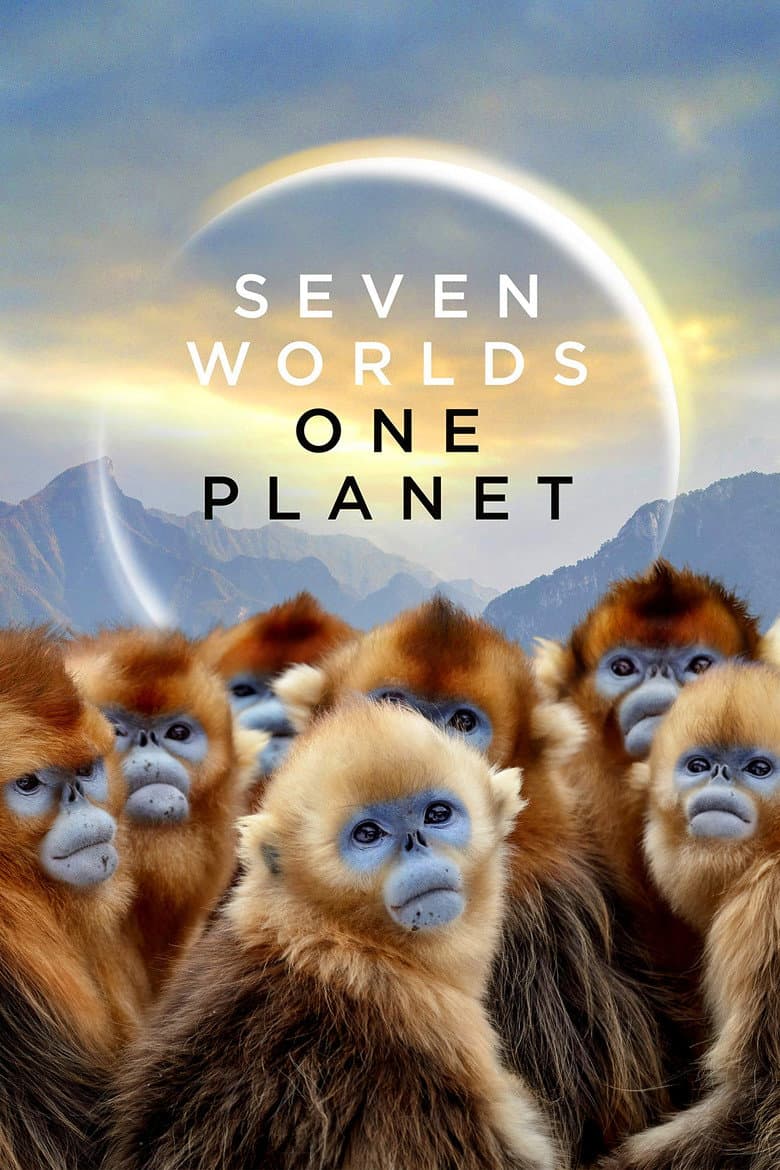
TV Show · 2019
Millions of years ago, incredible forces ripped apart the Earth’s crust creating seven extraordinary continents.
