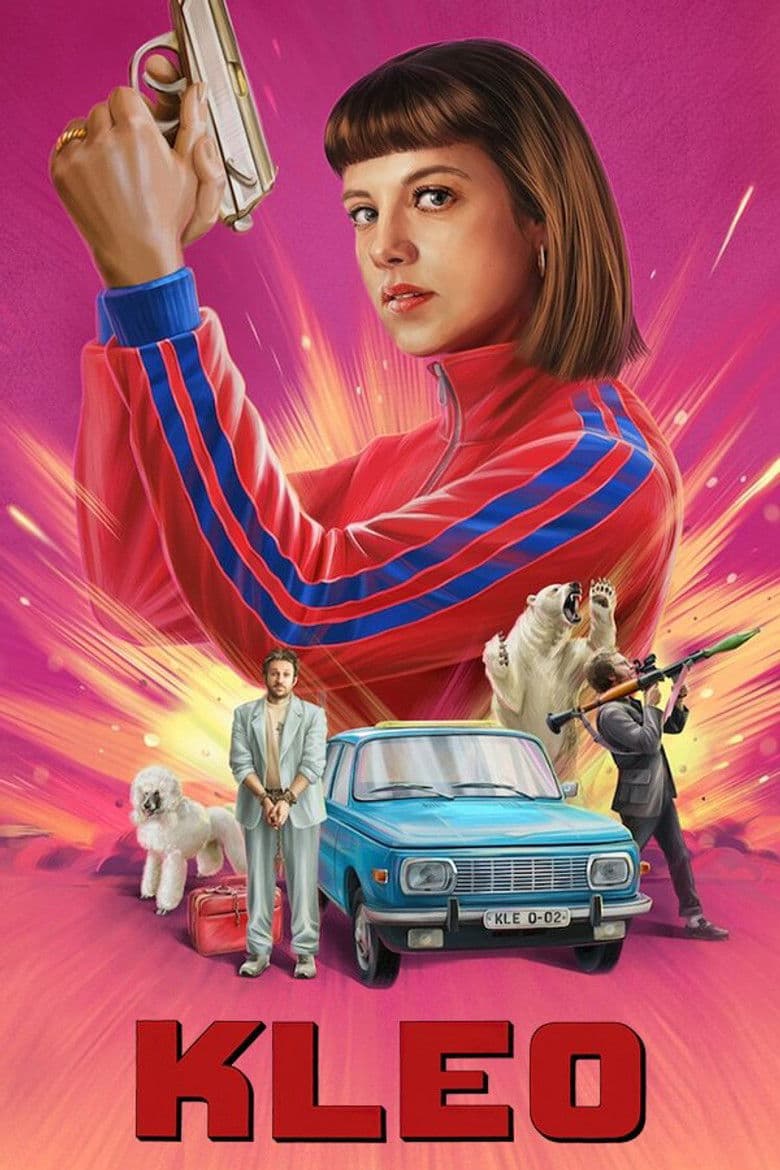
Started August 19, 2022 · Ended · Based on 2 seasons, 14 episodes through July 25, 2024 · TV-MA · German
Kleo follows Kleo Straub, a highly trained East German Stasi killer who is jailed after a 1987 mission in West Berlin. When the Berlin Wall falls, she leaves prison and hunts the officials, spies, and former friends who betrayed her. Her search for a red suitcase carries her through Berlin, Mallorca, Chile, Belgrade, and Moscow as the Cold War order breaks apart. The show mixes sharp violence, strange jokes, bright colors, spy twists, and family drama. Season two shifts more focus toward her childhood, her true father, and her uneasy partnership with West German policeman Sven.
Women drive much of the action. Kleo is repeatedly shown as the most capable fighter and spy, while Sven and Thilo often act as comic helpers and several male agents fail or follow orders. Ramona, Min Sun, Rose, Anne, and Margot also hold major power in the spy plot, and Ramona is presented as a mother with a wife. The dialogue includes a short speech about women changing the world, along with lines that reject both capitalism and socialism. These elements support a strong female-empowerment and anti-system message, but the revenge, family, and East-West spy story remain the main purpose.
Community feedback
Was our 61% Woke rating accurate?
Breakdown
These are the editorial factors and ratings behind our score for Kleo.
Woke representation / casting
The show gives major roles to a black West Berlin wife and mother, a Chinese-origin BND officer, and a Black CIA officer. These characters work in the police or intelligence parts of the story instead of appearing only in the background. The late-1980s setting and international spy plot make the choices possible, but the mix is still more visibly diverse than a normal German period cast. The promotion centers Kleo and the action, not diversity, so the score stays moderate.
40%
Woke political dialogue
Thilo calls for a new society without capitalism or socialism and suggests a barter economy. Kleo later says she will not fight for capitalism because the CIA’s ideology is no better than the old one. Ramona says that women can change the world before Uwe cuts her off. These lines appear in different episodes, but most political talk explains the spy plot and the Cold War setting.
38%
Identity-driven story themes
Kleo leads both seasons as a highly skilled woman who survives prison, defeats rivals, and chooses her own path. The story repeatedly places women such as Ramona, Min Sun, Rose, Anne, and Margot in control of important missions. Sven and Thilo often work as comic helpers, while several male bosses and agents are foolish, cruel, or dependent on Kleo. Season two makes personal freedom and Kleo’s personal change a continuing focus, and Ramona says that women can change the world. Revenge and family remain the main story, so the score is strong but not dominant.
62%
Western institutional / cultural critique
The show mocks the Stasi, the West German police bureaucracy, the CIA, and the KGB as self-serving, foolish, or dangerous. Kleo rejects the CIA’s capitalist side and says its ideology is no better than the old system. Ramona links obedience to weakness when she refuses to follow orders. These points add a mild anti-institution and anti-system message, but the story does not turn them into a modern campaign against Western culture.
28%
Woke character or canon changes
Not relevant. Kleo is an original fictional spy story, not an adaptation with established characters. It invents events around real Cold War figures, but those changes do not alter anyone’s race, gender, sexuality, or hero role.
0%
Anti-woke backlash and complaints
A few X users called the show “woke Netflix” or objected to the interracial partner of a 1987 West German police officer. A 2023 Reddit discussion included complaints that the women are unrealistic badasses and that the men are weak, evil, or useless. These comments treat the show as feminist or hostile to traditional gender roles, so they count as anti-woke complaints. The reaction is small and scattered, with no sign of a large boycott, review-bombing campaign, or major news fight.
26%
Creator track record context
The three HaRiBo creators have low recorded scores and public profiles centered on genre, craft, and historical settings. Isabel Braak and Viviane Andereggen have stronger feminist and representation-aware records. The other directors and writers show moderate or low context, and the casting director has no identified activist record. This gives the show some supporting context, but the title’s own female-empowerment themes are the stronger signal.
30%
Production
TV Show · 2023
Faced with ruthless foes with a violent thirst, two young boxers band together — risking life and limb to bring justice and protect their loved ones.
TV Show · 2025
In the early Meiji era, Shujiro, once known as an undefeated samurai, decides to participate in a deadly survival game to save his family and villagers.
TV Show · 2022
An MI6 deputy's bright future takes a sharp turn after a reunion with a Russian spy forces him to question his entire life.
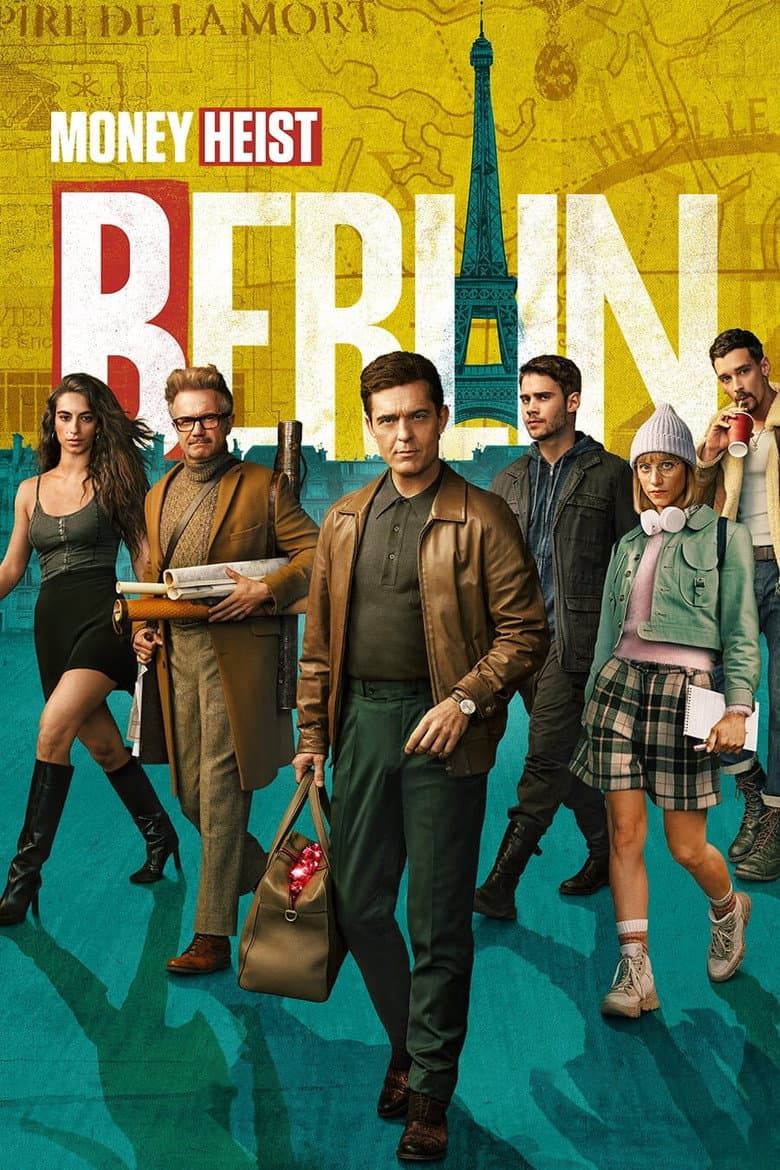
TV Show · 2023
During his glory days, Berlin and a gang assembled in Paris for one of his greatest plans ever: stealing 44 million euros' worth of jewels in one night.
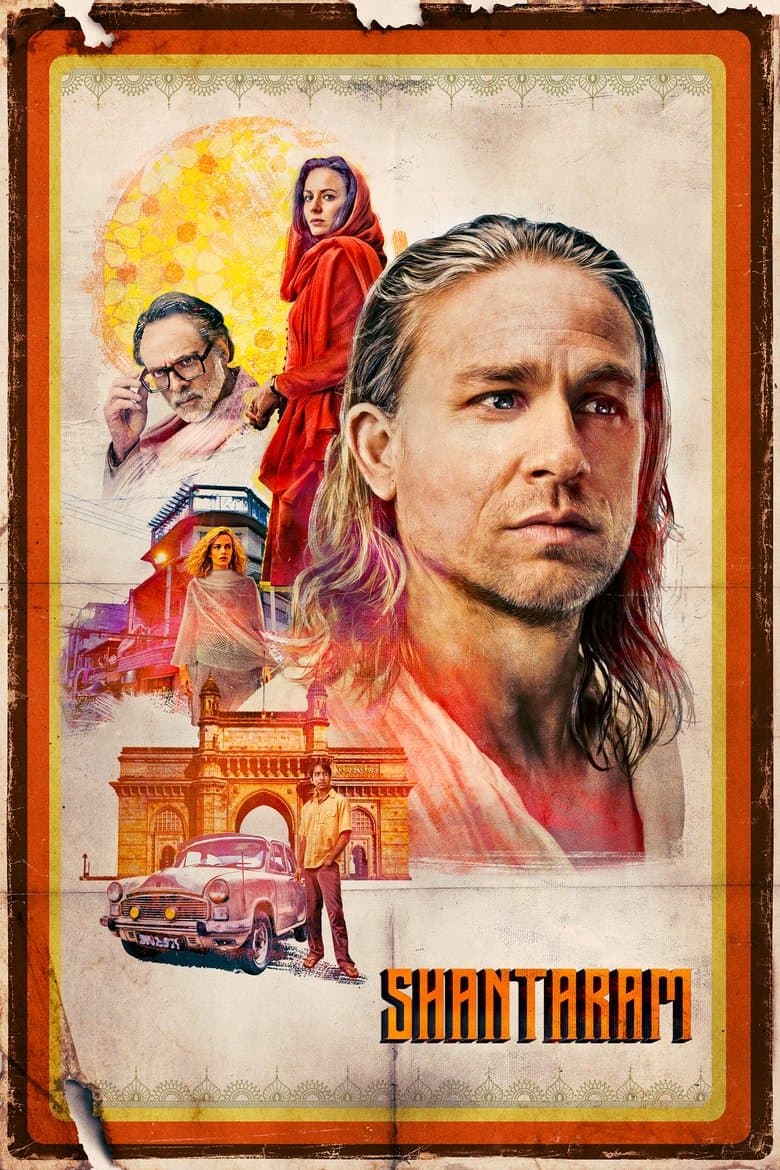
TV Show · 2022
Escaped convict Lin Ford flees to the teeming streets of 1980s Bombay, looking to disappear. Working as a medic for the city's poor and neglected, Lin finds unexpected love…
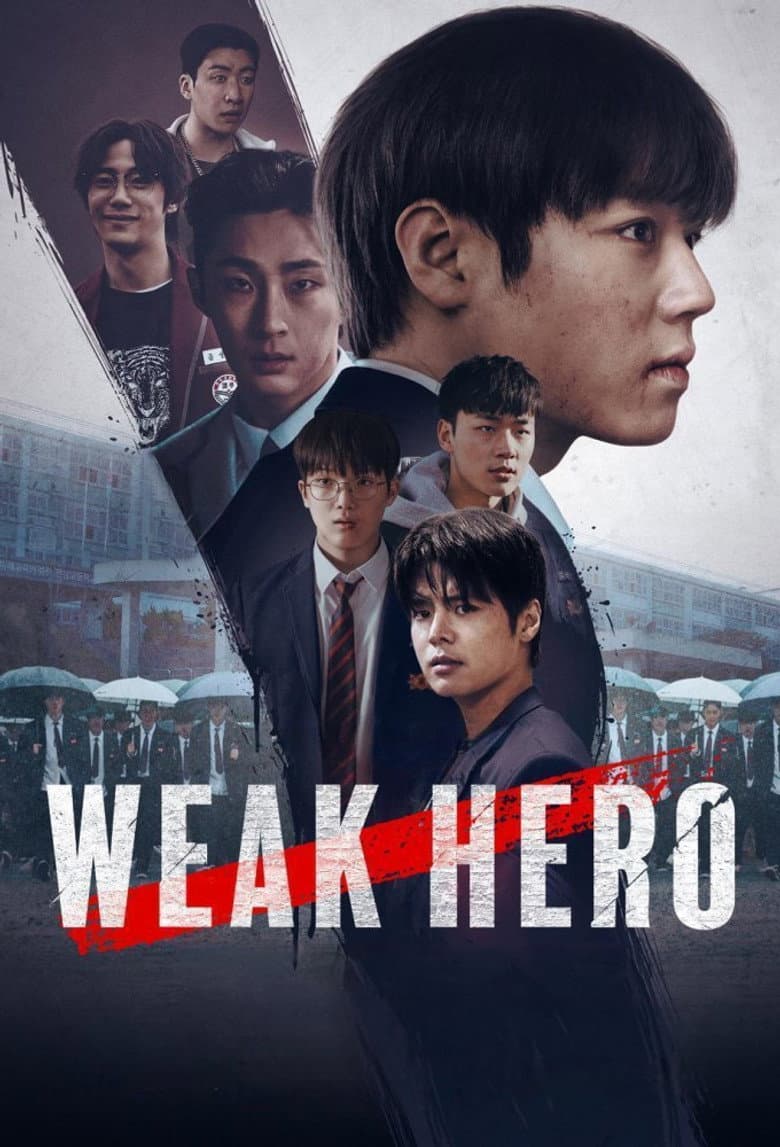
TV Show · 2022
With the aid of unexpected friends, a gifted but introverted student confronts bullies and violent foes — unaware of how dangerous his world will become.
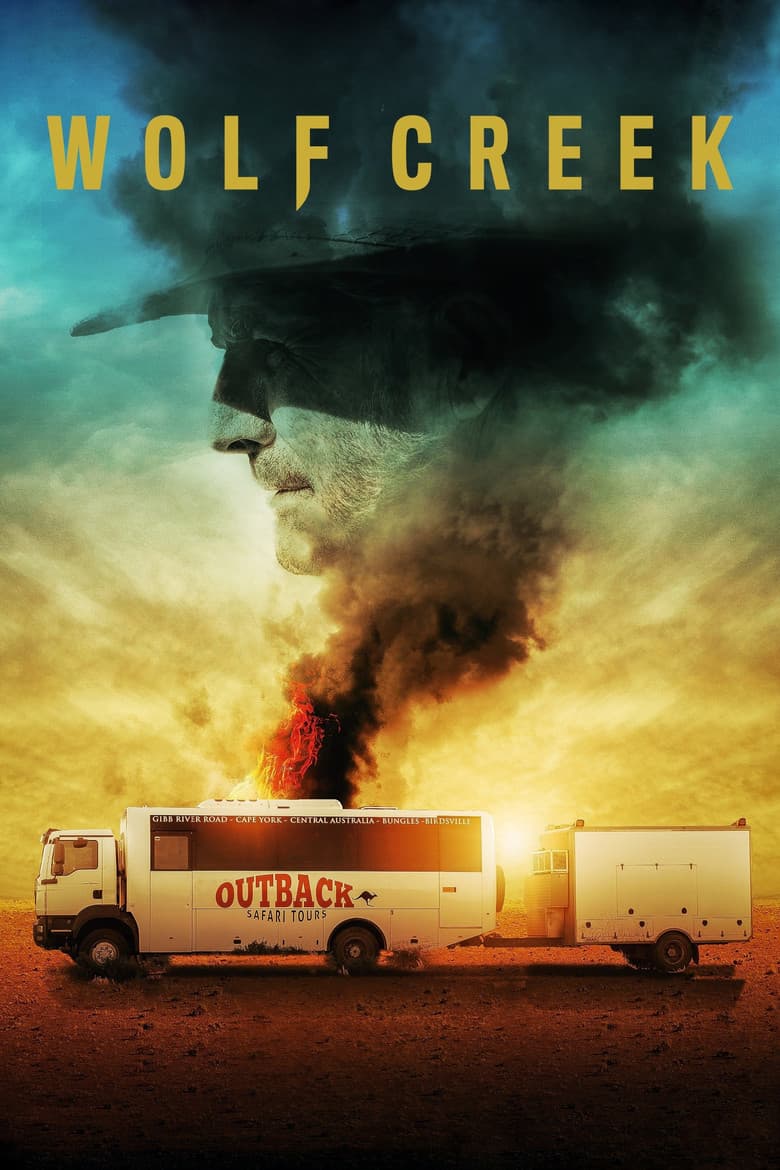
TV Show · 2016
An anthology series which centers on different characters being targeted by crazed serial killer Mick Taylor in the Australian outback.
TV Show · 2020
Desperate to take care of his pregnant wife before a terminal illness can take his life, Dodge Maynard accepts an offer to participate in a deadly game where he soon discovers…
