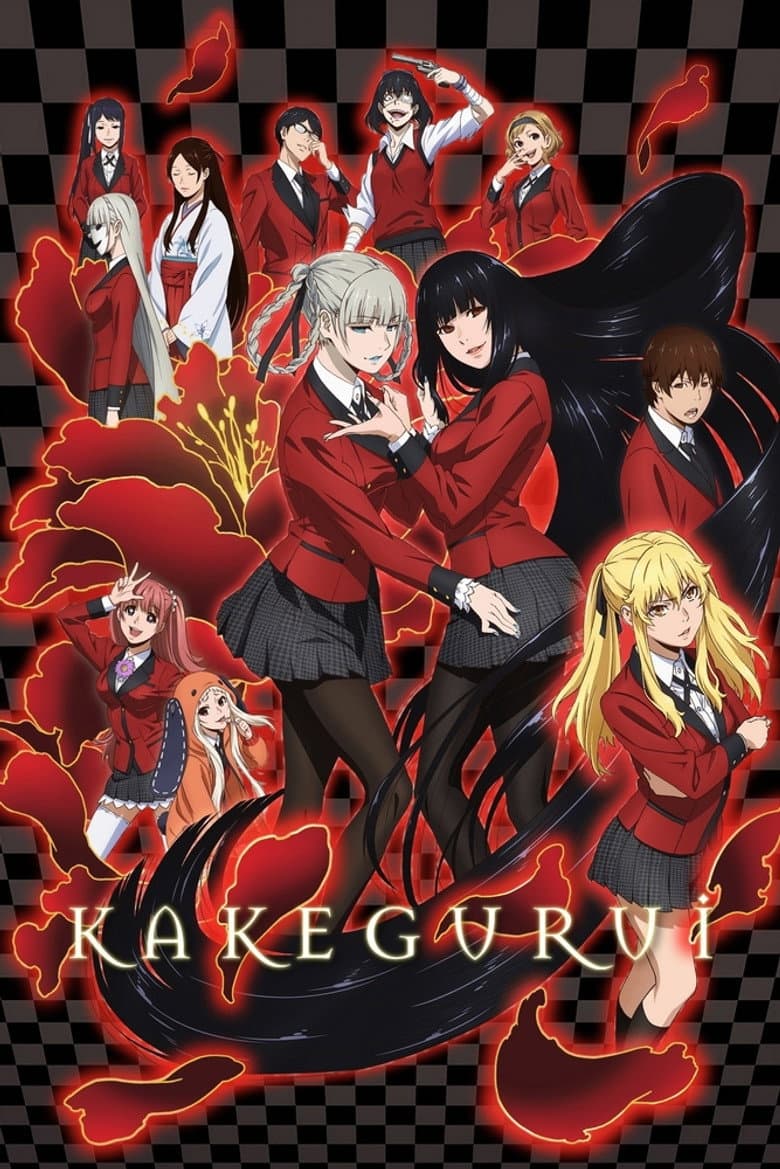
Started July 1, 2017 · Ended · Based on 2 seasons, 24 episodes through March 27, 2019 · TV-14 · 24 min · Japanese
Yumeko Jabami transfers to Hyakkaou Private Academy, a Japanese school for the children of rich and powerful families. The school ranks students by gambling, and losers who cannot pay their debts become “house pets” who must serve other students. Yumeko does not gamble for money or status, because she wants the danger and surprise of a fair game. The show uses wild faces, sexual jokes, cheating, threats, and life-or-death bets to make its school drama dark, loud, and strange.
The story gives most major power, skill, and leadership roles to girls, while the main boy, Ryota, usually watches, warns, or helps. Yumeko, Mary, Kirari, Midari, and other girls repeatedly control the games and push men aside, which creates a strong female-dominant pattern. Season 2 adds a clear same-sex love thread when Sayaka risks her place beside Kirari and Kirari answers with affection, while the show also links gambling with sexual excitement between girls. The school’s wealth-based system is attacked as cruel, and the story sometimes compares its class ladder with capitalism, but the series is mainly about addiction, power, selfishness, and the thrill of risk rather than a real-world political campaign.
Community feedback
Was our 49% Woke rating accurate?
Breakdown
These are the editorial factors and ratings behind our score for Kakegurui.
Woke representation / casting
The school is Japanese, and the characters are mostly Japanese, so the ethnic casting fits the setting. The show gives the most important gambling and leadership roles to girls. Yumeko, Mary, Kirari, Midari, Itsuki, Yumemi, Sayaka, and the Momobami women drive the main contests, while Ryota and most boys usually support or lose. Hayashi said the primarily female cast was one reason the project interested him. This is a clear gender pattern, but it is not presented as a broad diversity campaign.
43%
Woke political dialogue
Yumeko says that in a capitalistic society, money and life are the same. Season 2 says the school excuses discrimination by calling it skill. Other scenes say a female debtor may be forced to marry and bear children for a powerful man. These lines criticize money, status, and gender roles, but they appear inside a few gambling scenes instead of a long political debate.
28%
Identity-driven story themes
The main story repeatedly makes girls the smartest, strongest, and most dangerous gamblers. Yumeko breaks the school hierarchy, Mary rises from house pet, and Kirari controls the school while male students often serve as helpers, targets, or comic figures. Season 2 gives a major emotional subplot to Sayaka’s love for Kirari, and Kirari responds by asking her to remain close. Other girls also flirt, touch, or seek sexual excitement through games with women. The show treats these women as central agents, so its female-dominant and queer-coded themes are easy to notice even though the plot remains about gambling.
58%
Western institutional / cultural critique
The school is run by rich families and a student council that turns debtors into house pets. The first season says the school trains future leaders to take advantage of people. Season 2 compares a tax game with society and shows selfish players breaking a plan meant to help everyone. Official promotion calls the school a cruel picture of life under capitalism and says its modern class system should collapse. The story attacks class power, but it does not focus on Western parties, current laws, or religion.
34%
Woke character or canon changes
Not relevant. The anime adds Rei Batsubami and changes some ending events, but it does not change an established character’s race, gender, sexuality, or hero role.
0%
Anti-woke backlash and complaints
Not present. The supplied X pass found no anti-woke reaction, boycott, or campaign. Web complaints focused on sexual content, violence, fan service, and season 2’s unfinished ending, not on woke or identity politics.
0%
Creator track record context
The cached creator summaries give the key directors, writers, and producers low scores from 0 to 16 and show no clear activist record. Kawamoto’s title interview centers on gambling and risk, while Hayashi and Hayami discuss fear, pure excitement, and acting. Hayashi notes the mainly female cast, but he does not frame it as a diversity campaign. The crew context adds only a small signal beside the show’s own gender and relationship themes.
6%
Production

TV Show · 2022
A prisoner on death row in the US, a vicar in a quiet English town, and a maths teacher trapped in a cellar cross paths in the most unexpected way.

TV Show · 2021
Facing an existential threat that could bring down the Crime Lab, a brilliant team of forensic investigators must welcome back old friends and deploy new techniques to preserve…

TV Show · 2024
A rising politician and his mute wife's tense marriage begins to unravel after a call from a kidnapper turns their lives upside down.

TV Show · 2018
Puberty Syndrome—a rumored, mysterious syndrome that only affects those in their puberty. For example, a bunny girl suddenly appeared in front of Sakuta Azusagawa.
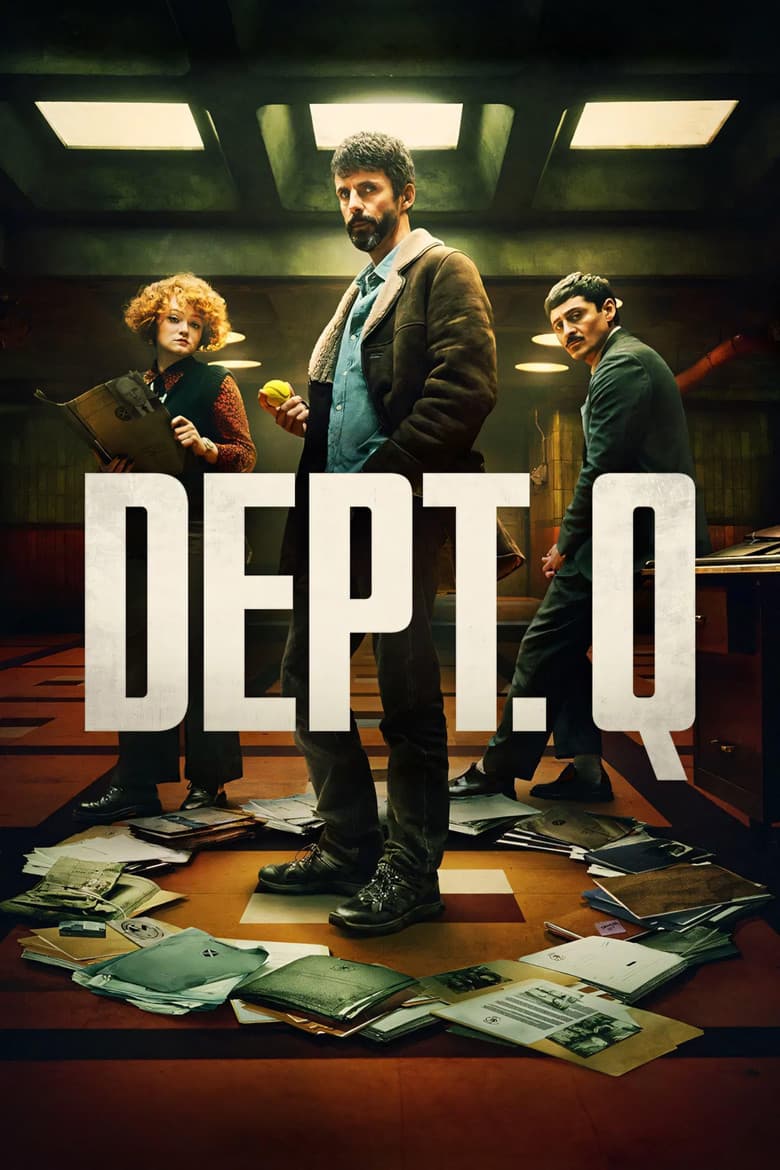
TV Show · 2025
A brash but brilliant cop becomes head of a new police department, where he leads an unlikely team of misfits in solving Edinburgh's cold cases.
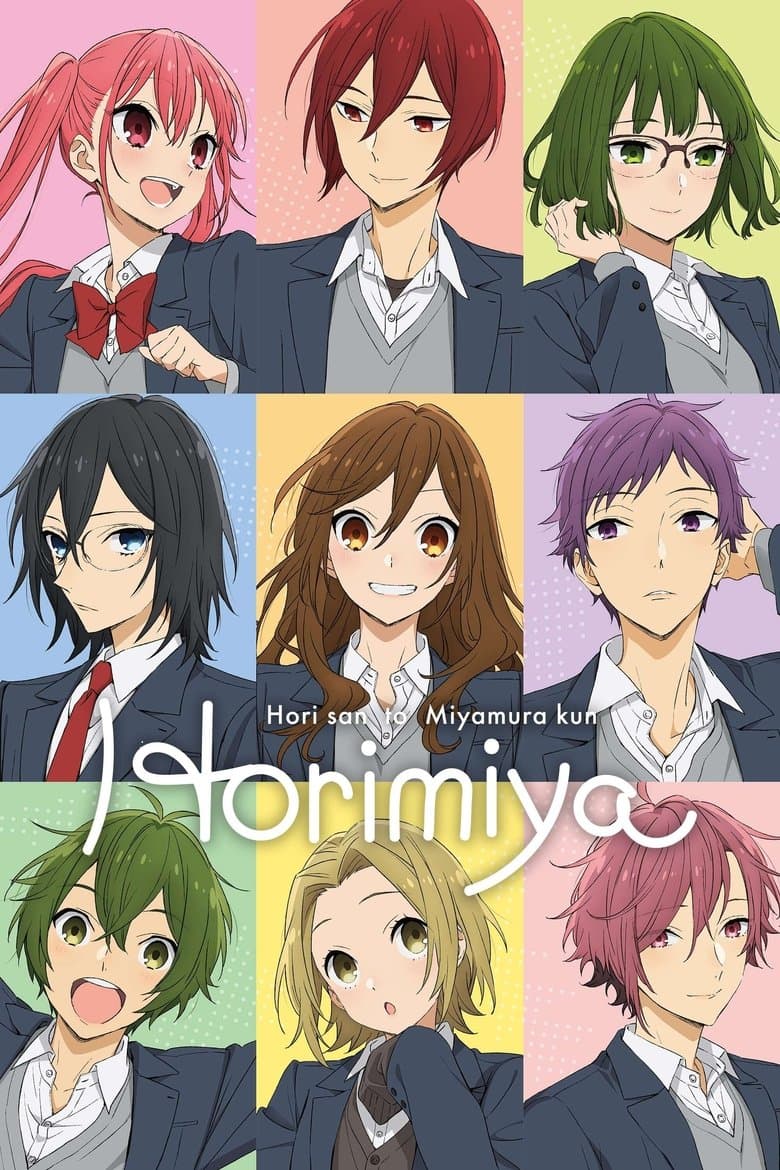
TV Show · 2021
A secret life is the one thing they have in common. At school, Hori is a prim and perfect social butterfly, but the truth is she's a brash homebody.

TV Show · 2018
After his daughter goes missing, a widower begins uncovering the dark secrets of the people closest to him.

TV Show · 2017
A war veteran turned private detective operates out of a tiny office in London’s Denmark Street. Although wounded both physically and psychologically, his unique insight and…
