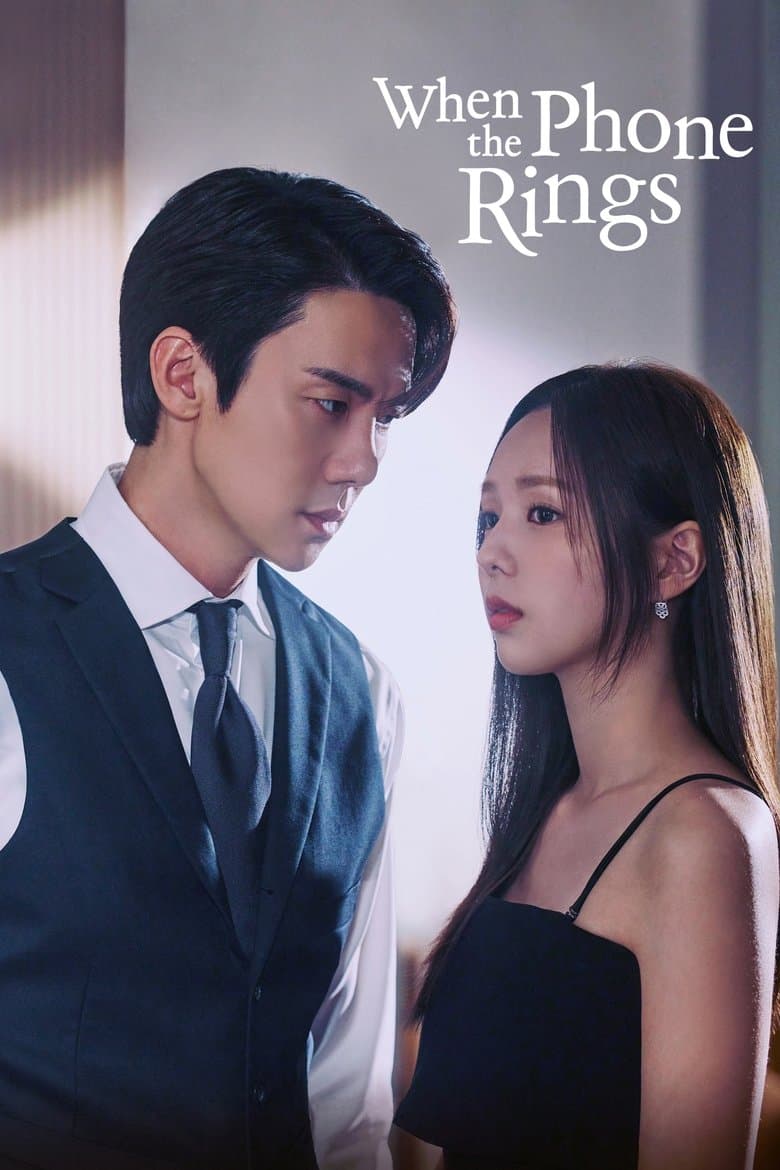
Started November 22, 2024 · Ended · Based on 1 season, 12 episodes through January 4, 2025 · TV-14 · 70 min · Korean
Hong Hee-joo is a sign language interpreter who lives in a cold, arranged marriage with Baek Sa-eon, a powerful presidential spokesman. The couple has spent three years barely speaking when a masked kidnapper calls Sa-eon and demands his attention. Hee-joo escapes with the kidnapper’s phone and starts a secret battle of calls, lies, and clues. The show mixes romance, family crime, political danger, and mystery, so its tone moves from tense and dark to very melodramatic.
The clearest identity element is Hee-joo’s silence and her work with sign language. The show uses her struggle to be heard as a repeated part of the marriage story, and she slowly speaks for herself, rejects her family’s control, and chooses where her life will go. The show ties her silence to childhood trauma and family pressure, so the identity focus stays inside the romance and mystery. The late episodes focus more on family crimes, hidden names, revenge, and the couple’s reunion than on politics or social causes.
Community feedback
Was our 21% Woke rating accurate?
Breakdown
These are the editorial factors and ratings behind our score for When the Phone Rings.
Woke representation / casting
Hee-joo is the lead character with mutism, and she works as a sign language interpreter. Sign language appears throughout the season and becomes the main tool the couple uses to break their silence. The show and the cast interviews highlight learning sign language, and the production called it an important theme. Her condition is tied to her past and serves the plot, so this is a small representation signal rather than a broad casting pattern.
18%
Woke political dialogue
Not present. The show has government crisis talks and a fictional war report, but its dialogue does not promote modern identity, gender-role, DEI, or activist ideas.
0%
Identity-driven story themes
Hee-joo’s struggle to be heard is a repeated story theme across the season. Her family treats her as a replacement bride and pressures her to stay quiet, while the marriage leaves her feeling trapped. She gradually speaks for herself, exposes family crimes, chooses her work, and travels to find Sa-eon. The show presents this as personal growth inside a romance, not as a wider activist movement.
32%
Western institutional / cultural critique
Not present. The show criticizes a powerful political family and an arranged marriage, but it does not turn that conflict into a modern activist attack on Western culture, patriarchy, Christianity, or traditional social norms.
0%
Woke character or canon changes
Not relevant. The series uses a substitute bride and assumed identities as plot twists, but it does not change a character’s race, gender, sexuality, or role in an established story.
0%
Anti-woke backlash and complaints
Not present. No qualifying complaints found. Reports describe criticism of a sign-language scene and of the finale’s fictional war report, but those complaints focused on disability respect, translation, or the Israel-Palestine conflict rather than claims that the show pushed woke, DEI, or identity politics.
0%
Creator track record context
Not present. The cached record describes Kim Ji-woon, Park Sang-woo, and Wi Deuk-gyoo as mainstream Korean drama creators with no established activist, DEI, or representation-first public profile.
0%
Production
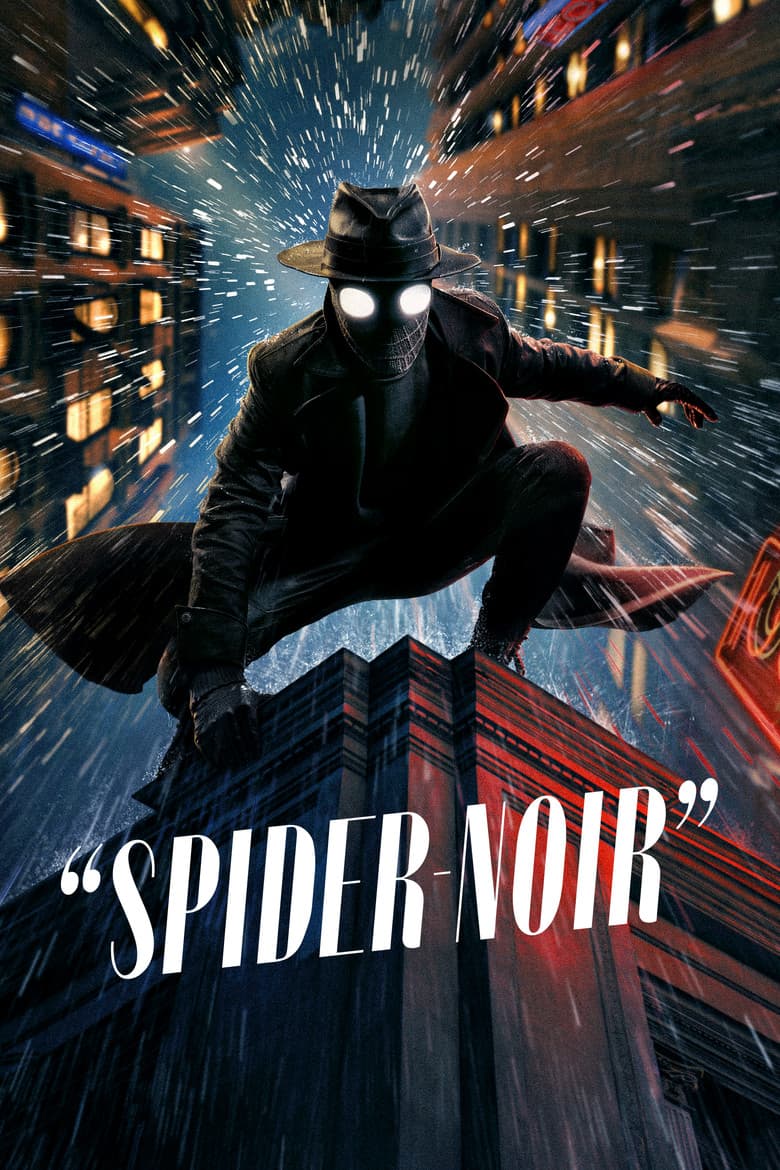
TV Show · 2026
Ben Reilly, an aging and down on his luck private investigator in 1930s New York, is forced to grapple with his past life as the city's one and only superhero.
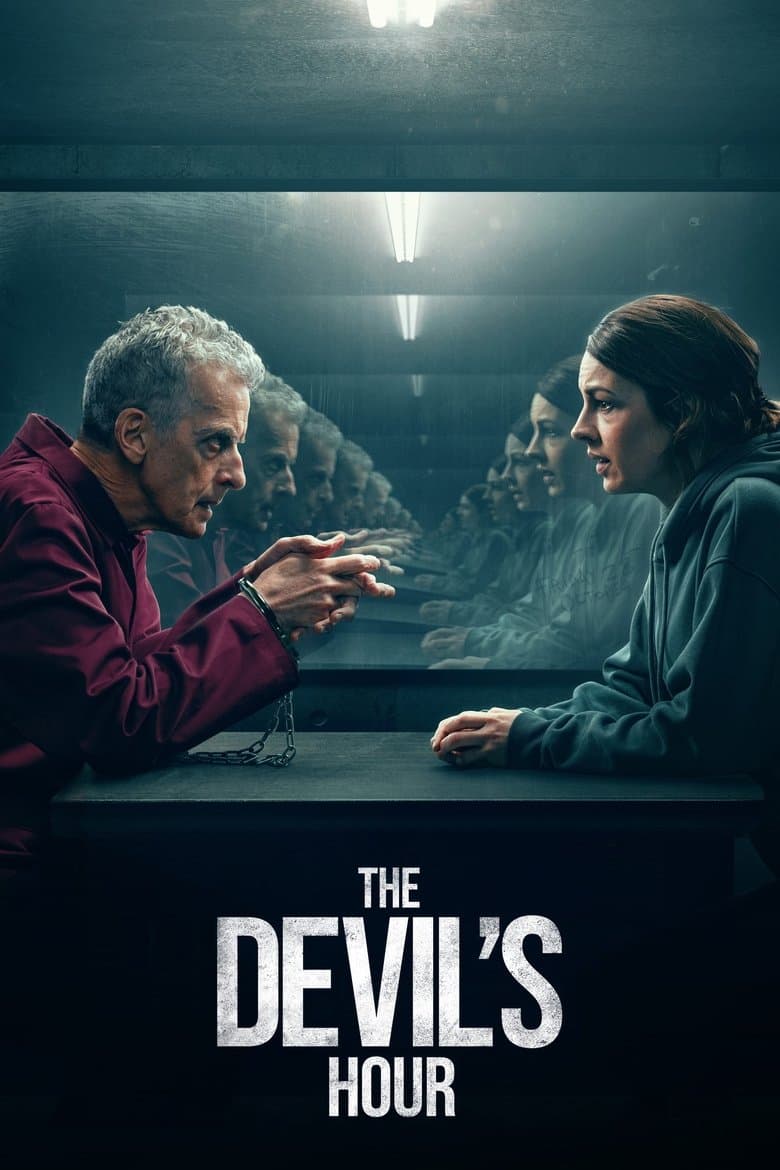
TV Show · 2022
Lucy wakes every night at exactly 3:33am. Nothing in her life has made sense for a long time. But the answers are out there, somewhere, at the end of a trail of brutal murders.

TV Show · 2026
The dynamic between the two contrasting personalities, a seasoned cop who prefers old-school methods and a tech-savvy cop who relies on modern technology for investigations, as…
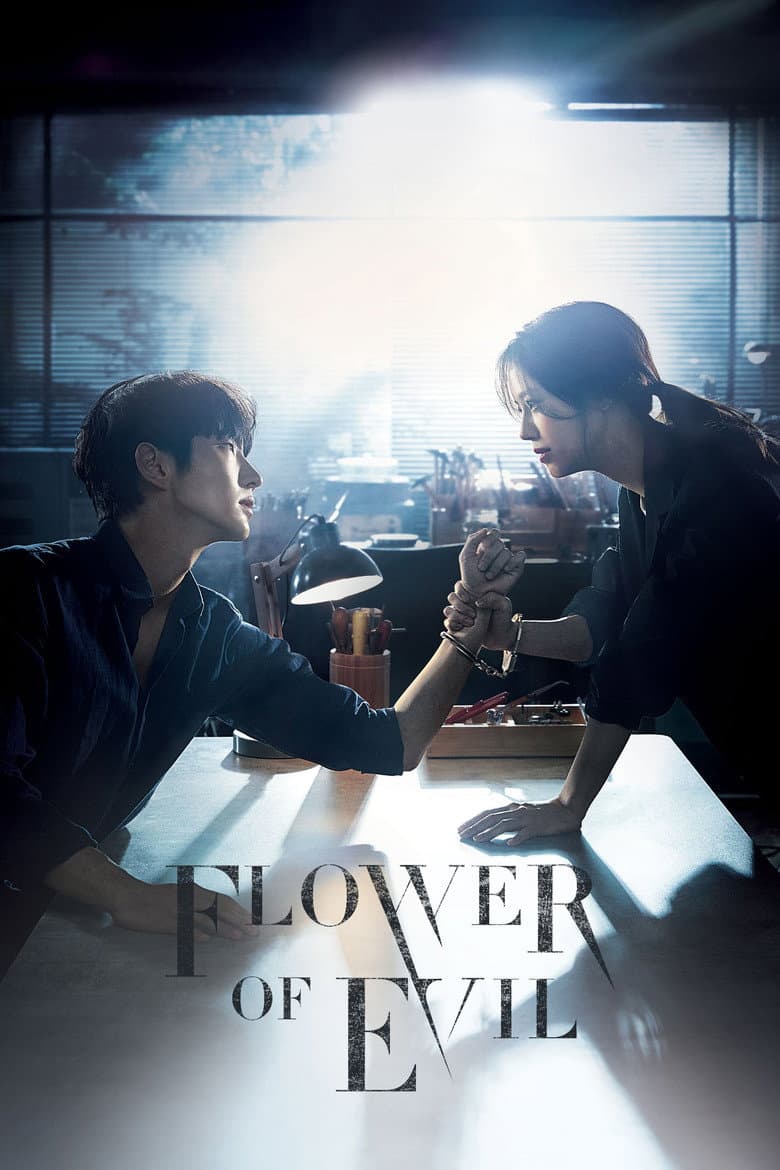
TV Show · 2020
Hiding a twisted past, a man maintains his facade as the perfect husband to his detective wife — until she begins investigating a series of murders.

TV Show · 2024
A young boy growing up in the suburbs of 1980s Brisbane faces the harsh realities of life — and the looming dangers that threaten his family.
TV Show · 2026
Wrongfully imprisoned for murdering his own son, a father sets out on a desperate rescue mission after learning the boy may still be alive.
TV Show · 2022
When a man wakes up in the Australian outback with no memory, he must use the few clues he has to discover his identity before his past catches up with him.
TV Show · 2025
A brash but brilliant cop becomes head of a new police department, where he leads an unlikely team of misfits in solving Edinburgh's cold cases.
