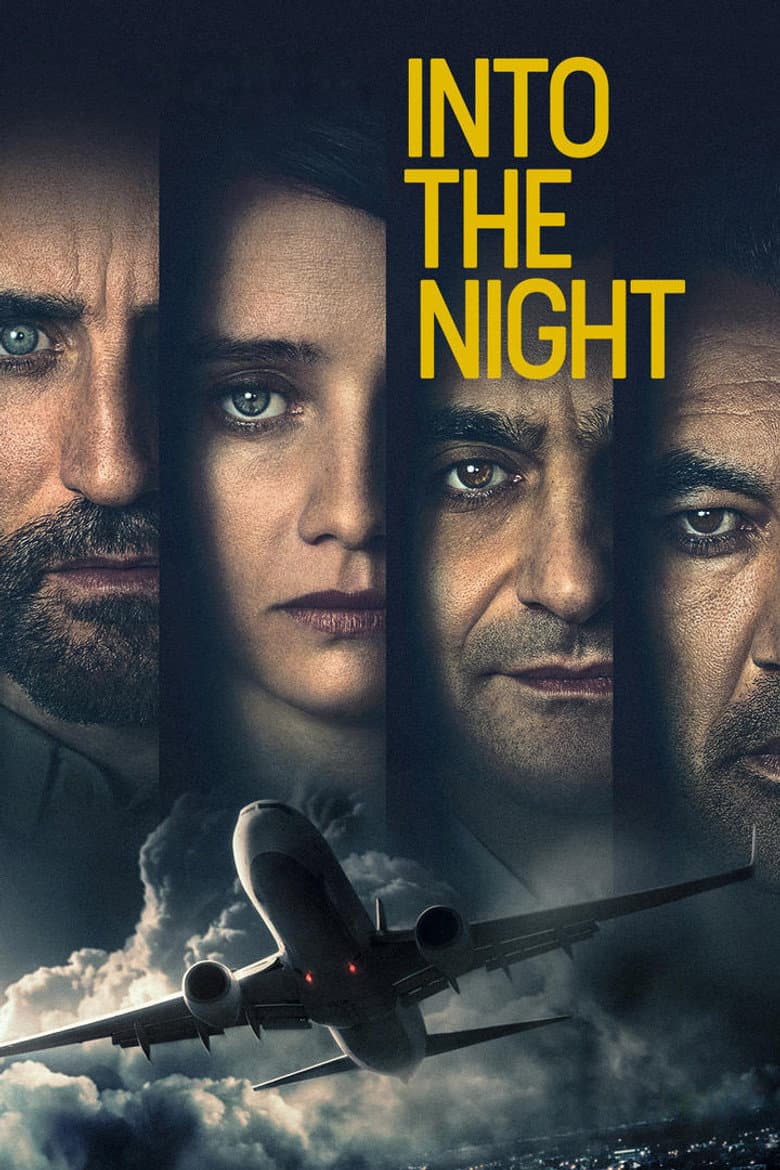
Started May 1, 2020 · Canceled · Based on 2 seasons, 12 episodes through September 8, 2021 · TV-MA · 37 min · French
Into the Night follows Sylvie Dubois, a former military helicopter pilot who boards a flight from Brussels. An armed NATO officer forces the plane west after sunlight suddenly becomes deadly, and the passengers race to stay ahead of dawn. The group lands at a bunker in Bulgaria, where food shortages, fear, and a fight with the soldiers replace the first season’s danger on the plane. The tone is tense, dark, and fast, with short episodes built around survival, secrets, and hard choices.
The show gives clear attention to a mixed European group, with characters who speak many languages. The story treats their different backgrounds as a source of conflict but also as a reason to cooperate, and Rik’s “good Muslim” comment is shown as a biased remark. Sylvie remains a main leader, while Laura saves Mathieu with medical skill and Ines becomes important in the season two escape. These ideas recur across both seasons, but the main focus stays on the deadly sun, scarce supplies, military power, and the group’s struggle to survive.
Community feedback
Was our 37% Woke rating accurate?
Breakdown
These are the editorial factors and ratings behind our score for Into the Night.
Woke representation / casting
The show deliberately builds a multilingual passenger group from Belgium, France, Germany, Italy, Poland, Russia, Turkey, and Morocco. Ayaz, Osman, Laura, and Zara hold important roles, and Laura is a black woman. The Brussels international-flight setting makes most choices believable, so the cast does not look like a forced mismatch. Netflix and the creators still present the multinational cast as a key idea, and the season 2 director gave it clear identity-based meaning.
34%
Woke political dialogue
Rik tells Osman that he is glad there is a “good Muslim” on board. The show presents that compliment as a form of bias from someone who thinks he is not racist. Terenzio also uses an ethnic slur against Ayaz, and the others oppose his behavior. A short argument about democracy and authority appears in season one, but the show does not keep giving political speeches.
26%
Identity-driven story themes
The show makes a mixed group from several nations the heart of the story. The passengers must work together despite language, class, and national differences. The story treats cooperation across those lines as part of retaining humanity. Sylvie leads much of the group, while Laura saves Mathieu and Ines helps break the bunker standoff. The deadly sun and scarce supplies still take up most of the screen time.
42%
Western institutional / cultural critique
The show repeatedly shows military authority as dangerous. Terenzio hijacks the flight, British soldiers face rape and murder charges, and the bunker soldiers imprison civilians and plan a trial. Sylvie and Thea challenge male officers, and shared decisions are favored over force. The conflict is mainly a survival story about abuse of power, not a broad attack on Western culture, capitalism, or Christianity.
20%
Woke character or canon changes
Not relevant. The show is only loosely inspired by The Old Axolotl and uses original characters, so no known race, gender, sexuality, or leadership swap is shown.
0%
Anti-woke backlash and complaints
Not present. No sustained anti-woke complaint was found. The Indian Express review discussed feminism from a pro-feminist angle, while the X pass found no anti-woke complaints.
0%
Creator track record context
The supplied creator context shows no strong activist pattern. Jason George has a low recorded score, while Inti Calfat, Dirk Verheye, and Jacek Dukaj have no notable record of identity activism. Tomek Bagiński also has a low recorded score, so the team context adds only a mild signal.
10%
Production
TV Show · 2023
At the brink of going to hell, Yee-jae must cycle through twelve separate lives and twelve separate deaths in this reincarnation drama.
TV Show · 2022
The intricate and magical love story of Clare and Henry, and a marriage with a problem… time travel.
TV Show · 2020
Korean emperor Lee Gon tries to close the doors to a parallel world which was opened by demons; a detective tries to protect the people and the one she loves.
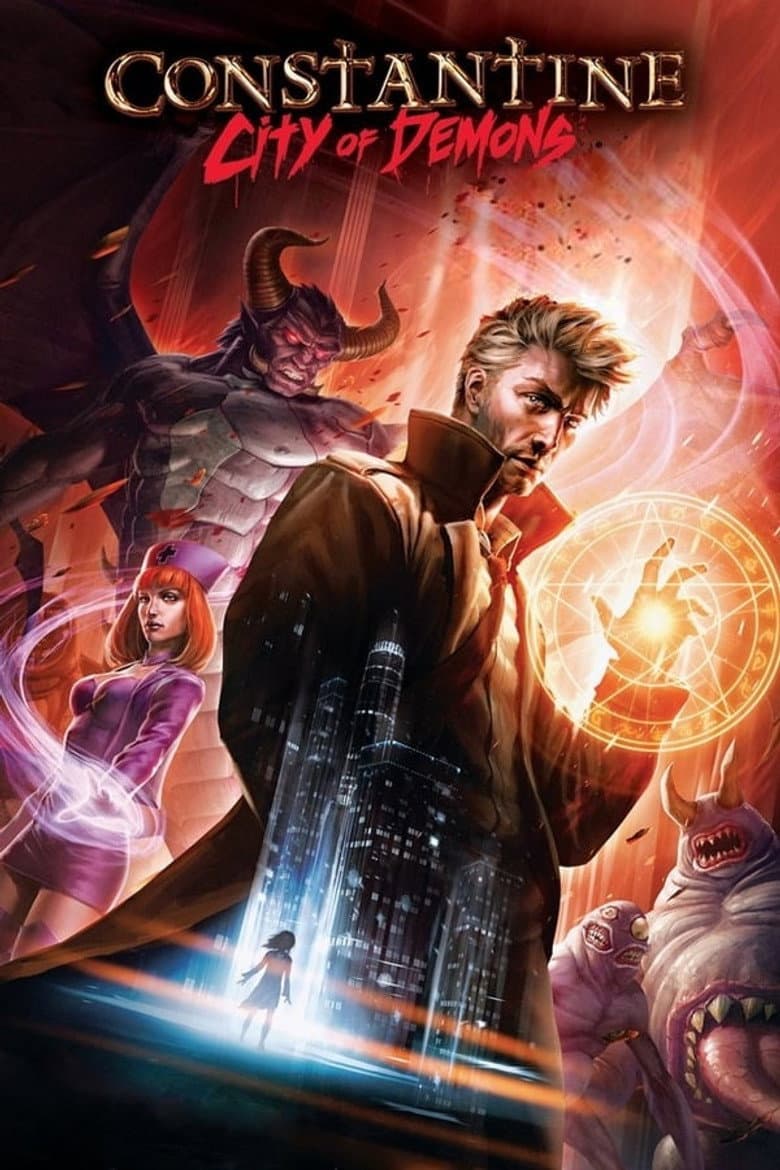
TV Show · 2018
Armed with an arcane knowledge of the dark arts and a wicked wit, John Constantine fights the good fight. With his soul already damned to hell, he’ll do whatever it takes to…
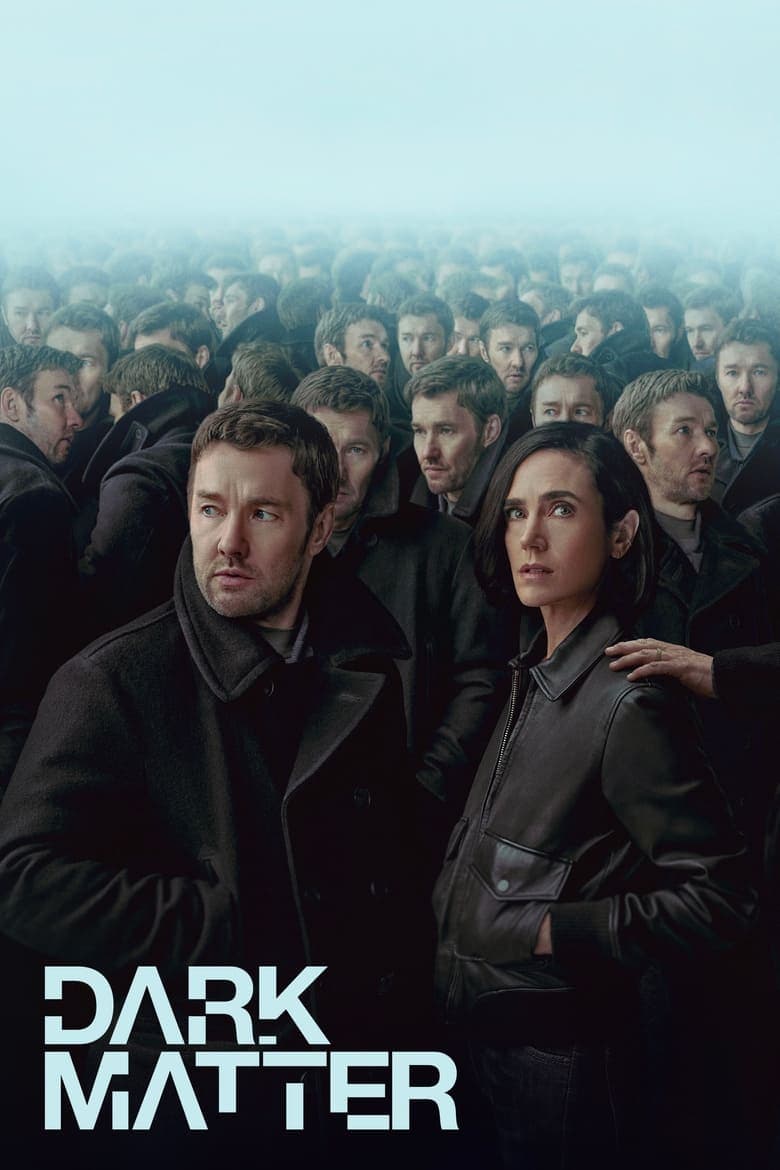
TV Show · 2024
Jason Dessen is abducted into an alternate version of his life. To get back to his true family, he embarks on a harrowing journey to save them from the most terrifying foe…
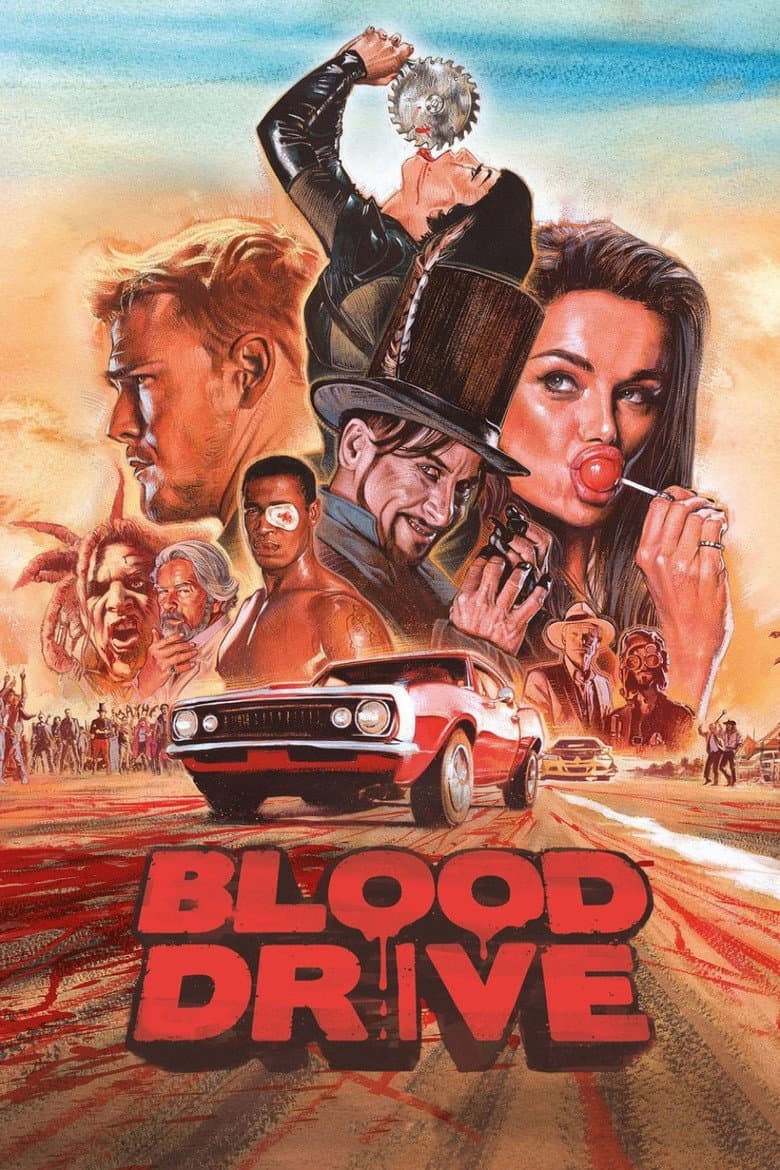
TV Show · 2017
Set in a near-dystopian future, a former cop is forced to take part in a death race where the cars run on human blood. You lose a leg and you lose your head.
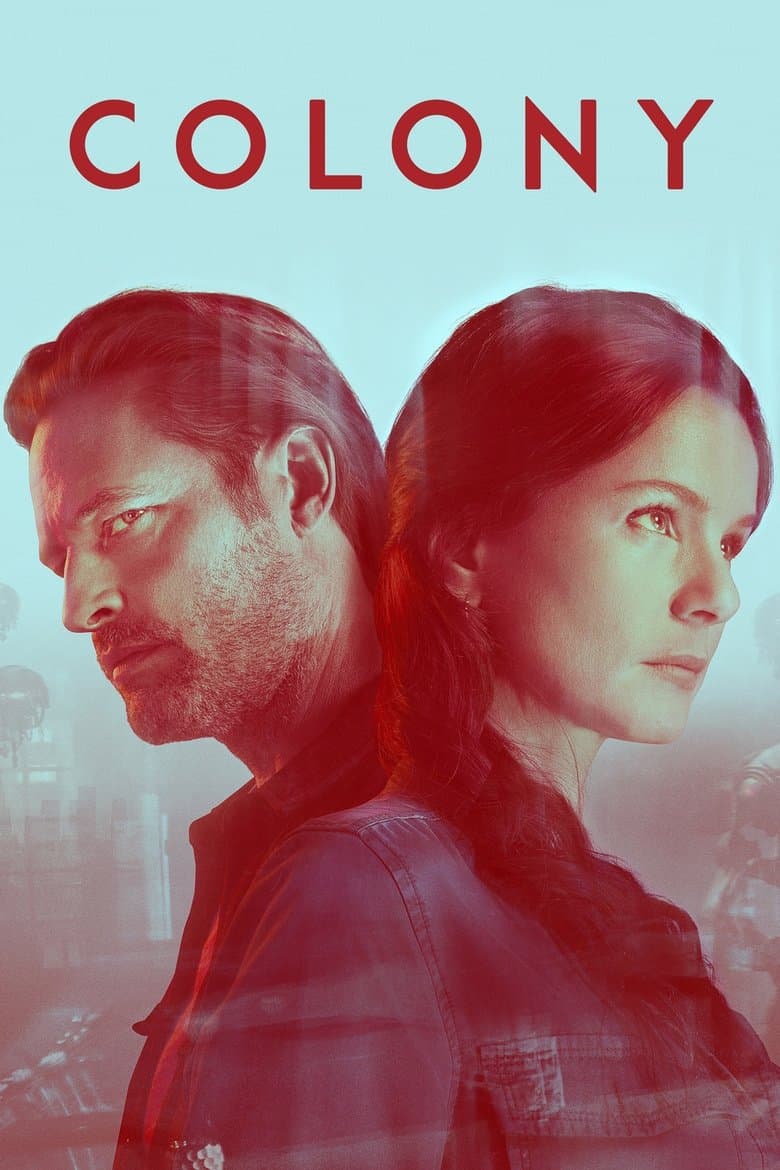
TV Show · 2016
In the near future a family must make difficult decisions as they balance staying together with trying to survive.
TV Show · 2026
After accidentally creating a new multiverse, comic book store owner Stuart Bloom must locate a quantum-interference device to restore reality.
