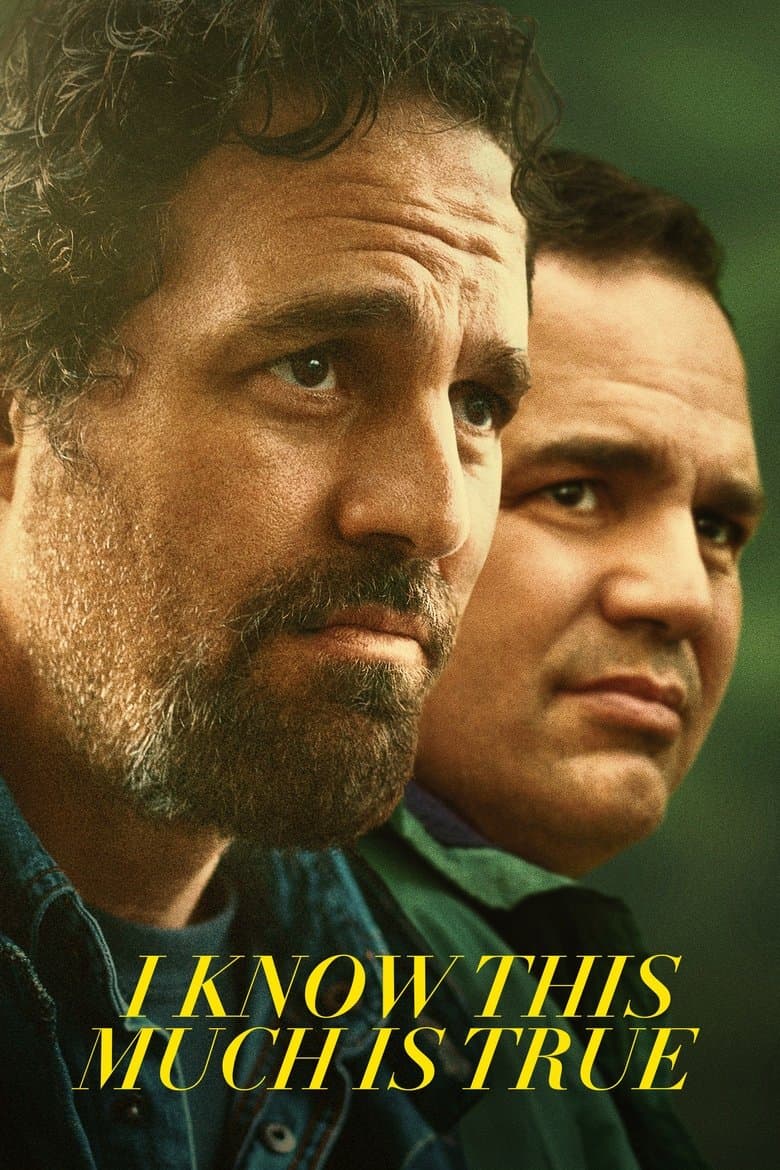
Started May 9, 2020 · Ended · Based on 1 season, 6 episodes through June 13, 2020 · TV-MA · 60 min
I Know This Much Is True follows identical twin brothers in Three Rivers, Connecticut, in the early 1990s. Dominick Birdsey tries to protect Thomas after Thomas, who has paranoid schizophrenia, cuts off his own hand in a public library while protesting the Gulf War. Dominick carries anger from an abusive stepfather, a broken marriage, the death of his baby daughter, and years of caring for Thomas. The six episodes move through family memories, a hidden father, a mental hospital hearing, and a final loss, giving the story a dark and painful tone.
The clearest woke elements are a repeated attack on harsh ideas of manhood and a late story about race and identity. Dominick is aggressive and closed off, while Thomas is gentle, emotional, and less tied to macho behavior. The final episodes reveal that the twins' birth father was a black man and that their mother hid an interracial relationship because of racism. These ideas matter to the family story, but mental illness, grief, guilt, forgiveness, and family duty remain the main subjects.
Community feedback
Was our 33% Woke rating accurate?
Breakdown
These are the editorial factors and ratings behind our score for I Know This Much Is True.
Woke representation / casting
Not present. The Birdsey family is white and Italian American. South Asian Dr. Patel and Black and Native Ralph are supporting characters whose identities fit the story. The show does not frame this casting as a diversity message.
0%
Woke political dialogue
Thomas cuts off his hand in a public protest against the Gulf War. The second episode shows the media trying to use his act in a discussion of the war. The final episode includes direct talk about past prejudice against black people, native people, and immigrants. These points are clear but limited and do not become a continuing debate about current parties or policies.
18%
Identity-driven story themes
The show repeatedly contrasts Dominick’s hard, angry idea of manhood with Thomas’s gentle and emotional nature. The final episodes reveal the twins’ Black birth father and a secret interracial relationship that faced racism. Ralph says people treated him as lesser because he was Indian while the twins were white. These identity themes matter, but mental illness, grief, family duty, and forgiveness remain the main story.
33%
Western institutional / cultural critique
Dominick’s anger and controlling behavior repeatedly damage his brother, ex-wife, and friends. Ray’s harsh authority and violence are shown as part of the twins’ childhood damage. Dr. Patel and Dessa push Dominick toward empathy, apology, and responsibility instead of tough-guy anger. Hatch is shown as prison-like, and Dominick finds corruption in its care of Thomas. These ideas are important, but the show does not turn them into a broad attack on all men, families, hospitals, or government.
32%
Woke character or canon changes
Not relevant. The series adapts a 1998 novel and keeps the main characters’ identities from the source story. Its altered final hospital scene is an ordinary story change, not an identity change.
0%
Anti-woke backlash and complaints
Not present. Searches of X found no anti-woke reaction to the show. Other coverage focused on acting, mental illness, family trauma, and the bleak tone, with no clear right-leaning complaint about woke or DEI messaging.
0%
Creator track record context
Derek Cianfrance and Wally Lamb have little or limited activist focus in the available record. Anya Epstein, Mark Ruffalo, Ben Browning, and Lynette Howell Taylor add stronger progressive or representation-related context. Interviews about this series stress family, mental illness, immigration, and masculinity. The context supports a mild score rather than a dominant one.
29%
Production
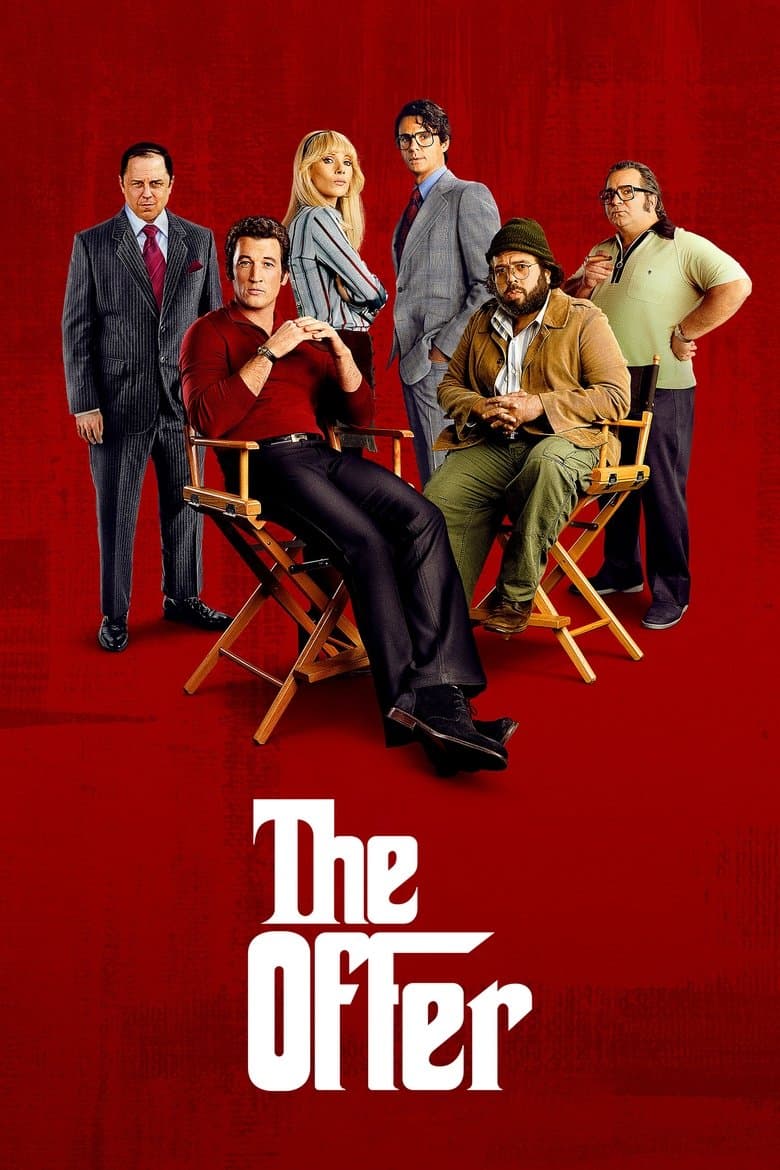
TV Show · 2022
Oscar-winning producer Al Ruddy’s never before revealed experiences of making the iconic 1972 film The Godfather that Francis Ford Coppola directed and adapted with Mario Puzo.

TV Show · 2022
This sweeping saga chronicles the hopes and dreams of a Korean immigrant family across four generations as they leave their homeland in an indomitable quest to survive and thrive.
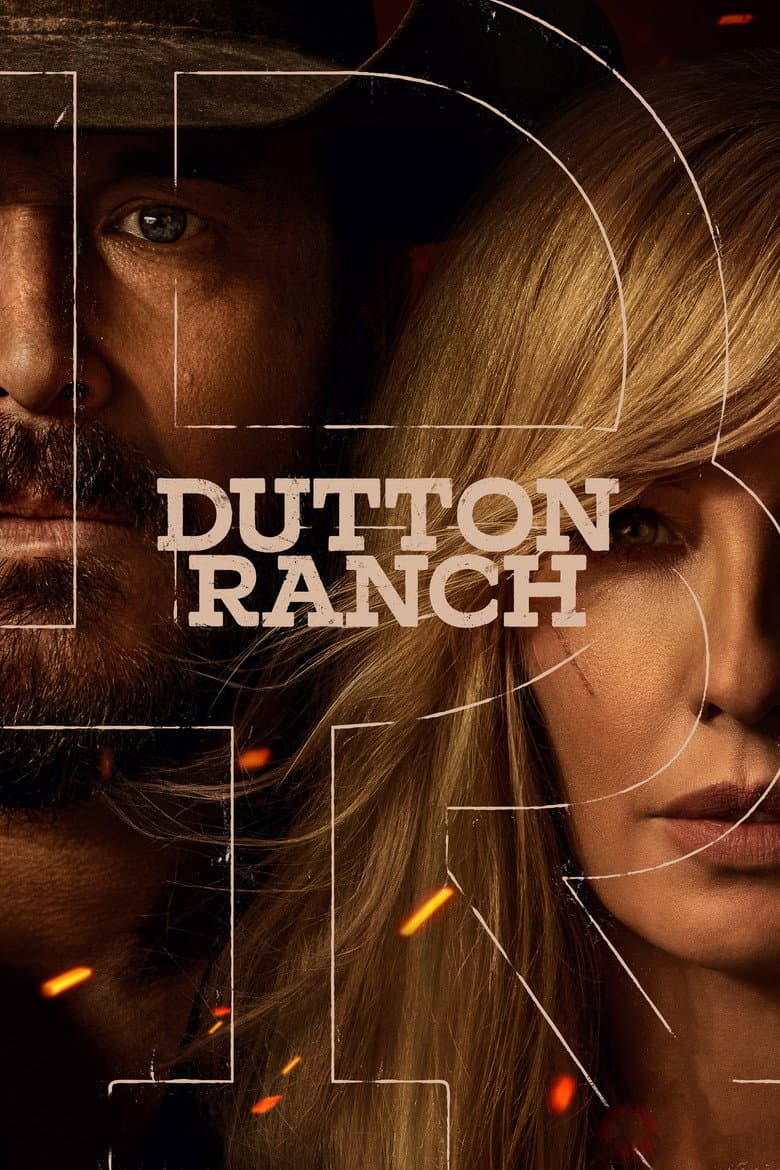
TV Show · 2026
Rip Wheeler and Beth Dutton gamble everything on a new life in South Texas, but the promise of building a future far from the ghosts of Yellowstone quickly collides with brutal…
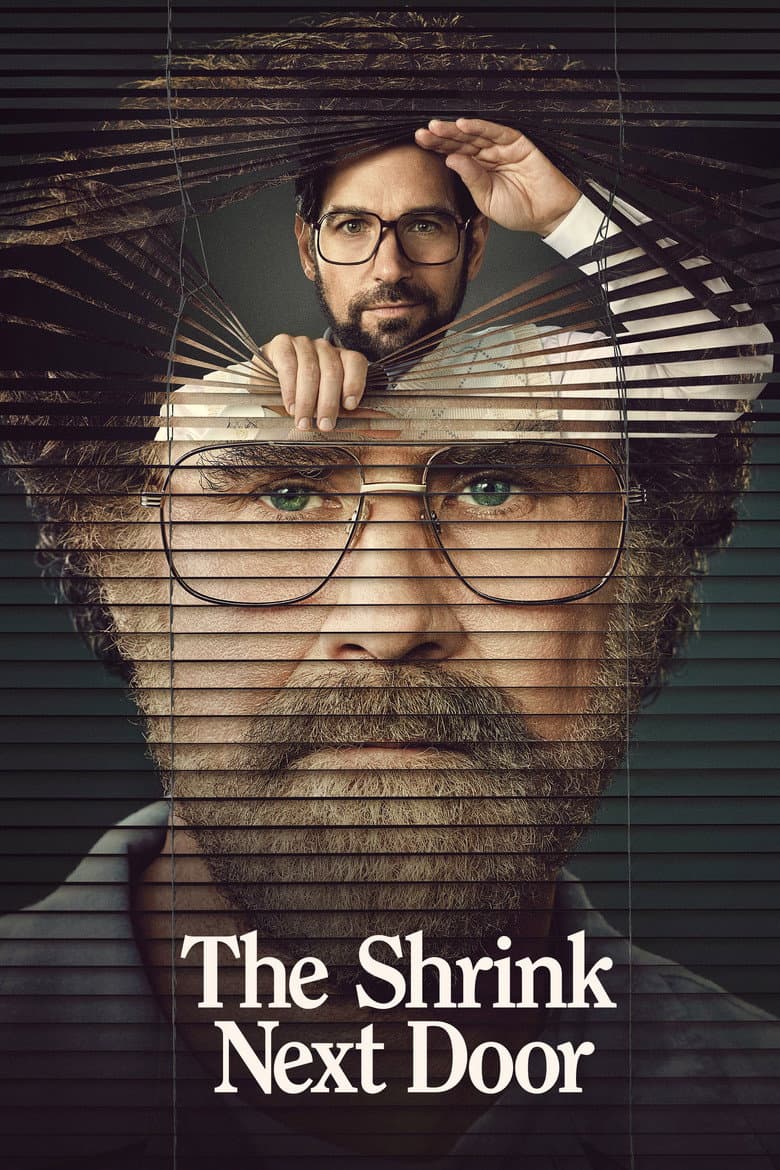
TV Show · 2021
Inspired by the true story of Marty and the therapist who turned his life around...then took it over. When he first meets Dr. Ike, Marty just wants to get better at boundaries.
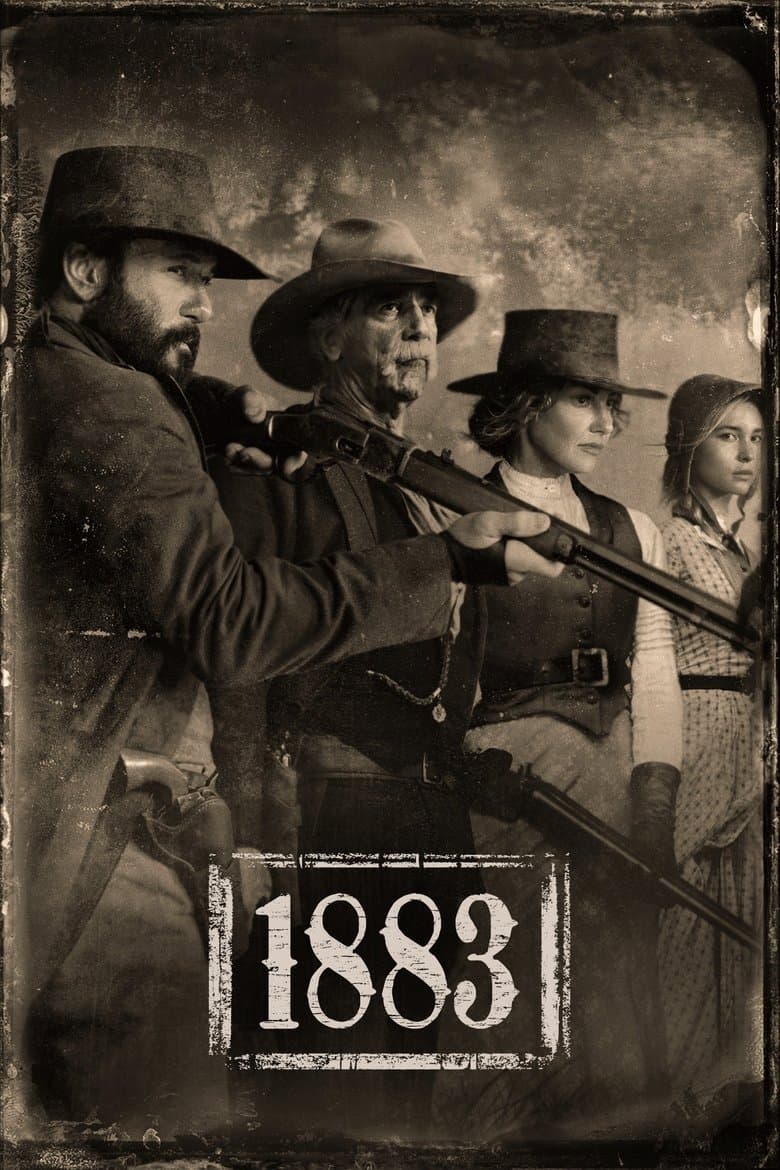
TV Show · 2021
Follow the Dutton family as they embark on a journey west through the Great Plains toward the last bastion of untamed America.
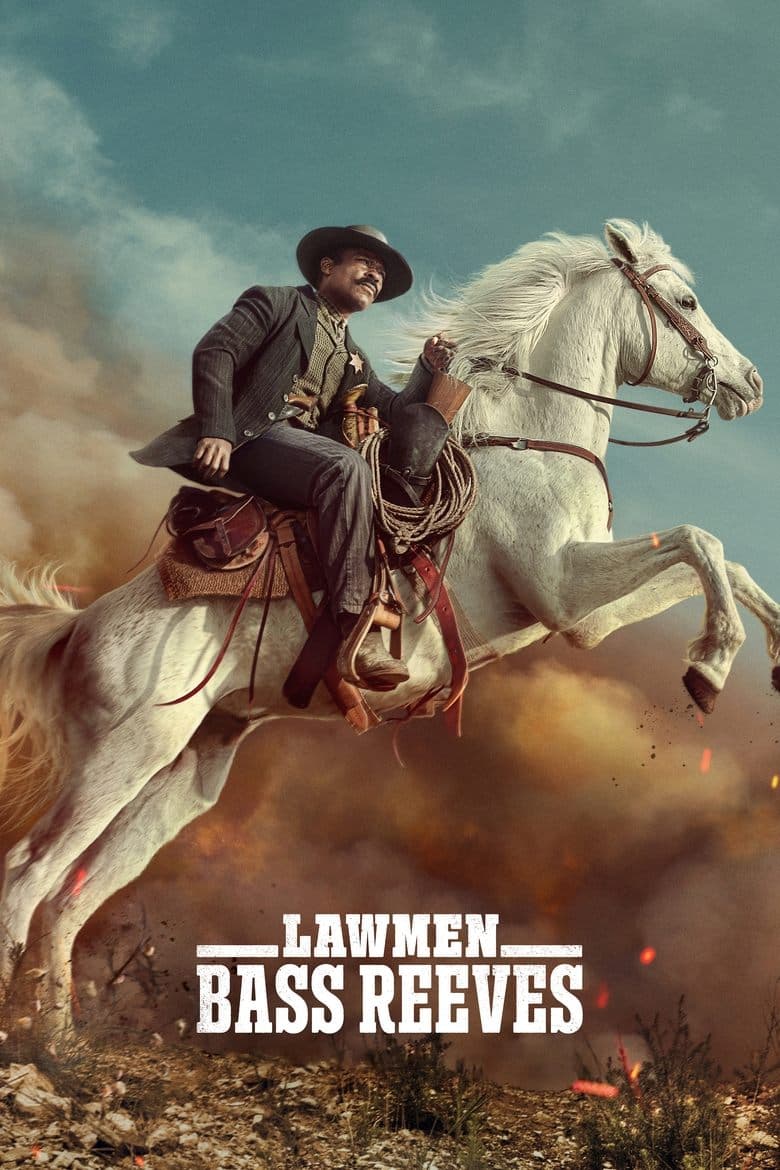
TV Show · 2023
The story of Bass Reeves, the legendary lawman of the wild West, is brought to life. Reeves worked in the post-Reconstruction era as a federal peace officer in the Indian…
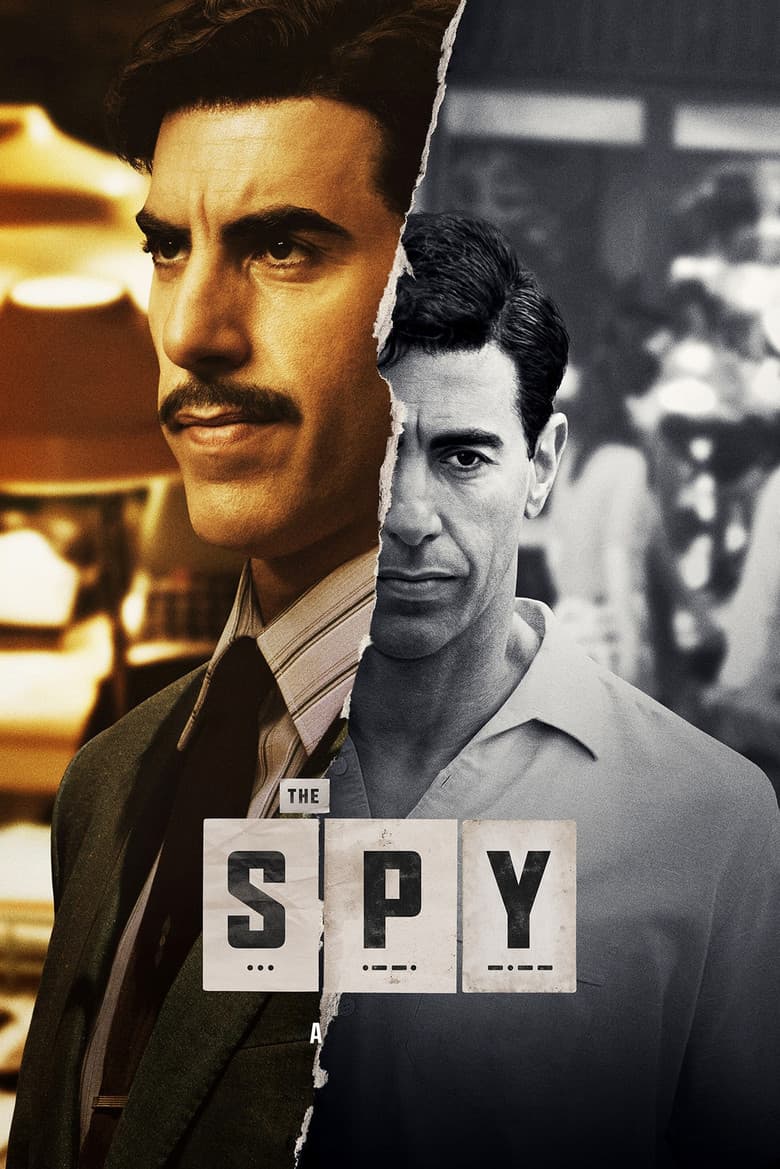
TV Show · 2019
In the 1960s, Israeli clerk-turned-secret agent Eli Cohen goes deep undercover inside Syria on a perilous, years-long mission to spy for Mossad.
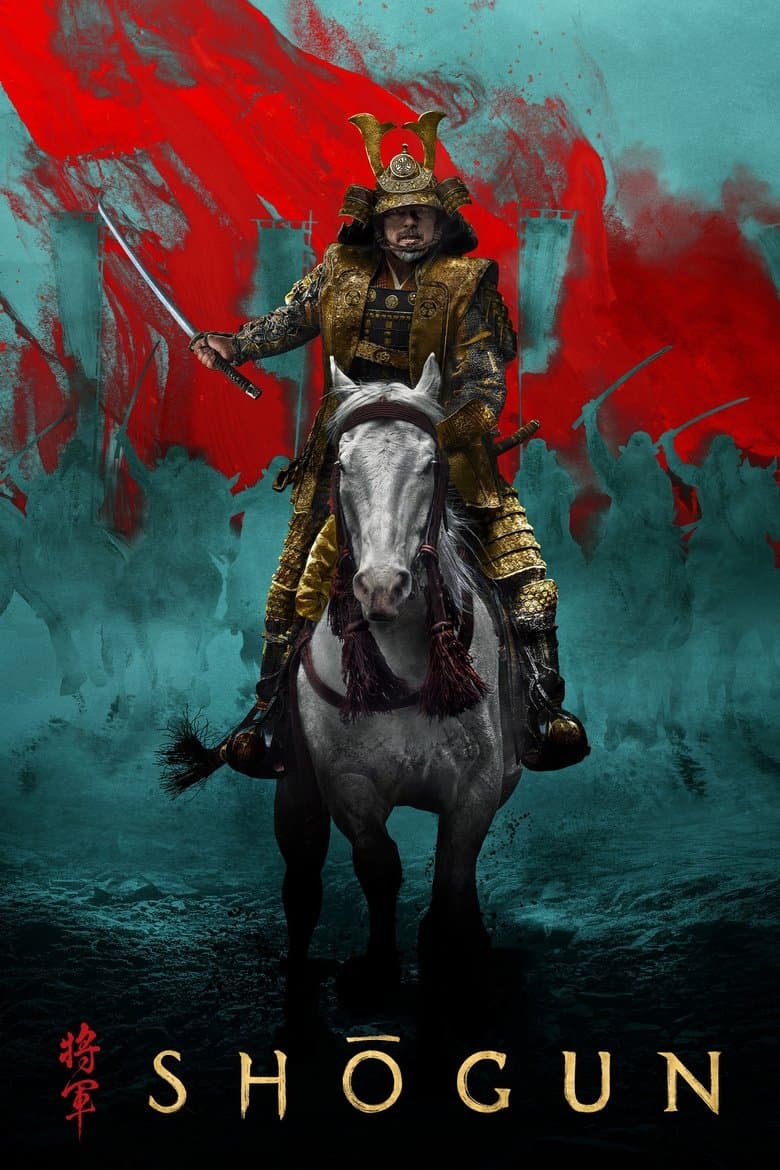
TV Show · 2024
In Japan in the year 1600, at the dawn of a century-defining civil war, Lord Yoshii Toranaga is fighting for his life as his enemies on the Council of Regents unite against him…
