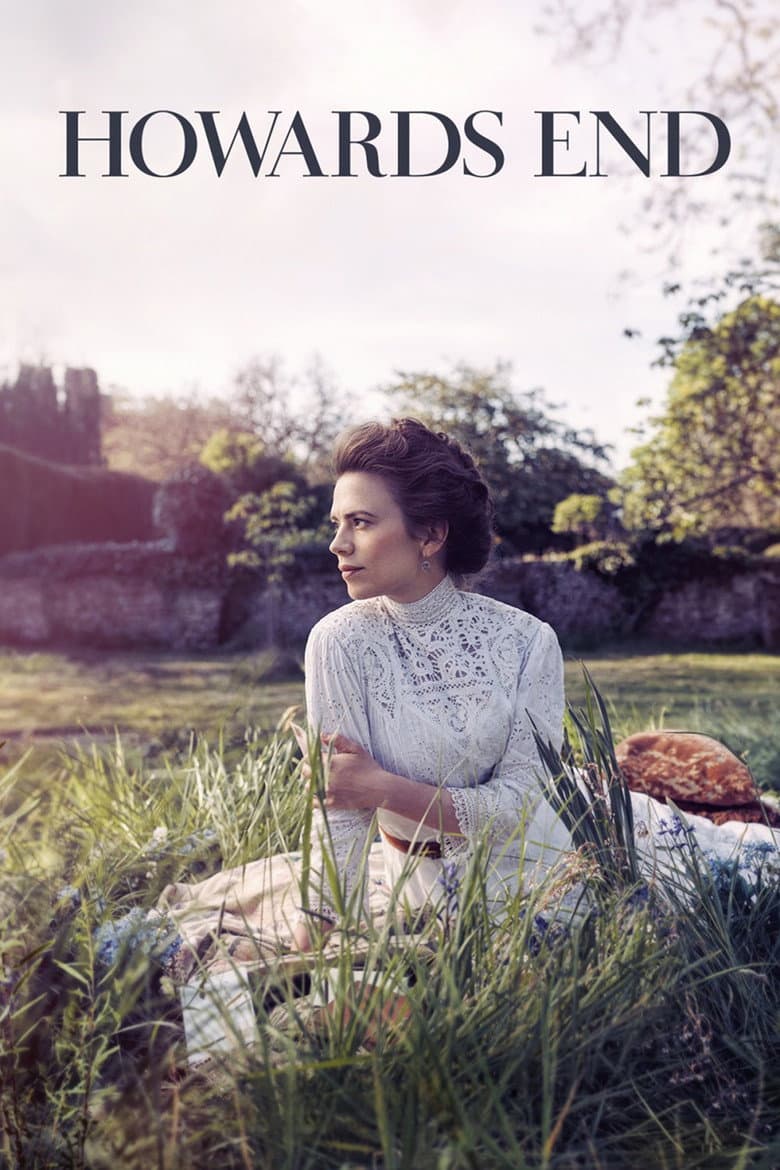
Started November 12, 2017 · Ended · Based on 1 season, 4 episodes through December 3, 2017 · TV-14 · 55 min
Howards End follows Margaret Schlegel, an educated and independent woman who lives with her sister Helen and their brother Tibby in early 1900s London. The Schlegels meet the wealthy Wilcox family and the poor clerk Leonard Bast, and their lives become tied together through love, money, and one country house. Margaret tries to understand Henry Wilcox, a hard businessman, while Helen tries to help Leonard and his wife Jacky. The story is quiet, witty, serious, and sometimes tragic as the families argue about class, duty, and what makes a good life.
The show makes women’s freedom and women’s place in society a clear part of the story. Margaret leads her family, argues for equality, and chooses a marriage that asks her to live beside a man with very different views. Helen speaks about poverty, rubber work in Africa, and the harm caused by rich people, but the show also shows that her help can be proud and foolish. The cast adds a Black Jacky Bast, a black maid, and other nonwhite people to this period world, making race and empire more visible than in older versions while the main plot remains about class and personal ties.
Community feedback
Was our 71% Woke rating accurate?
Breakdown
These are the editorial factors and ratings behind our score for Howards End.
Woke representation / casting
Several audience-visible casting choices make identity part of the period picture. A black actress plays Jacky Bast, a major part of the poor family, and a black maid and other nonwhite characters appear around the three families. The show does not explain these choices through character backstory, and the pattern is more diverse than older versions of the story. The roles are important but remain below the main Schlegel and Wilcox leads.
48%
Woke political dialogue
Characters discuss equality between men and women, women’s suffrage, social reform, poverty, and the duties of the rich. Characters also link Henry’s rubber business to the killing of black Africans and argue about whether women understand economics. Margaret and Helen return to these questions while they deal with Leonard’s poverty and their own privilege. The wording comes from a 1910 novel, so the politics feel like period social debate more than a modern activist speech.
44%
Identity-driven story themes
Margaret and Helen drive the story as independent women who question marriage, male authority, and the limits placed on women. Margaret leads her family and acts as the calm guide between different social groups. Helen treats poverty as a cause and later faces the harsh double standard around an unmarried pregnancy. The show also gives the marriage between a white man and a black woman and colonial race issues a visible place, but the main message still joins personal connection with class and family conflict.
56%
Western institutional / cultural critique
The show presents the Wilcoxes’ wealth and business power as part of a system that keeps Leonard and other workers insecure. Henry argues for personal responsibility while the Schlegels argue that rich people should help the poor. The rubber company talk connects British business and empire to violence against Africans. These ideas make class, empire, and old gender rules look unfair, but the story stays in its early-1900s setting and does not turn the point into a direct present-day campaign.
40%
Woke character or canon changes
The series gives Jacky Bast, an established character from Forster’s novel, to a black actress even though the novel does not clearly state her race. The change makes her class story carry a visible race signal, even though no character explains it in dialogue. The rest of the adaptation keeps the main plot and much of the original dialogue, with no gender or sexuality swap for the central characters.
34%
Anti-woke backlash and complaints
IMDb reviewers called the black actors token casting and blamed BBC political correctness. PrimeTimer users called the Black Jacky choice historically inaccurate or too politically correct. Mainstream coverage focused on a small argument about a spoon rather than a large anti-woke campaign, so the anti-woke reaction is limited.
18%
Creator track record context
Forster’s wider work repeatedly covers class, empire, homosexuality, and civil rights. Macdonald’s past includes a landmark gay love story, while Lonergan has a low activist signal and mainly writes character dramas. The producers have mostly mixed or mainstream records with a few socially aware projects. The combined context adds a moderate signal, but it does not show one strongly activist team.
46%
Production
TV Show · 2025
Tells the story of the ascent of the biblical figure, David, who becomes the most celebrated king of Israel. The series follows the once-mighty King Saul as he falls victim to his…
TV Show · 2022
This sweeping saga chronicles the hopes and dreams of a Korean immigrant family across four generations as they leave their homeland in an indomitable quest to survive and thrive.
TV Show · 2019
The true story of one of the worst man-made catastrophes in history: the catastrophic nuclear accident at Chernobyl.
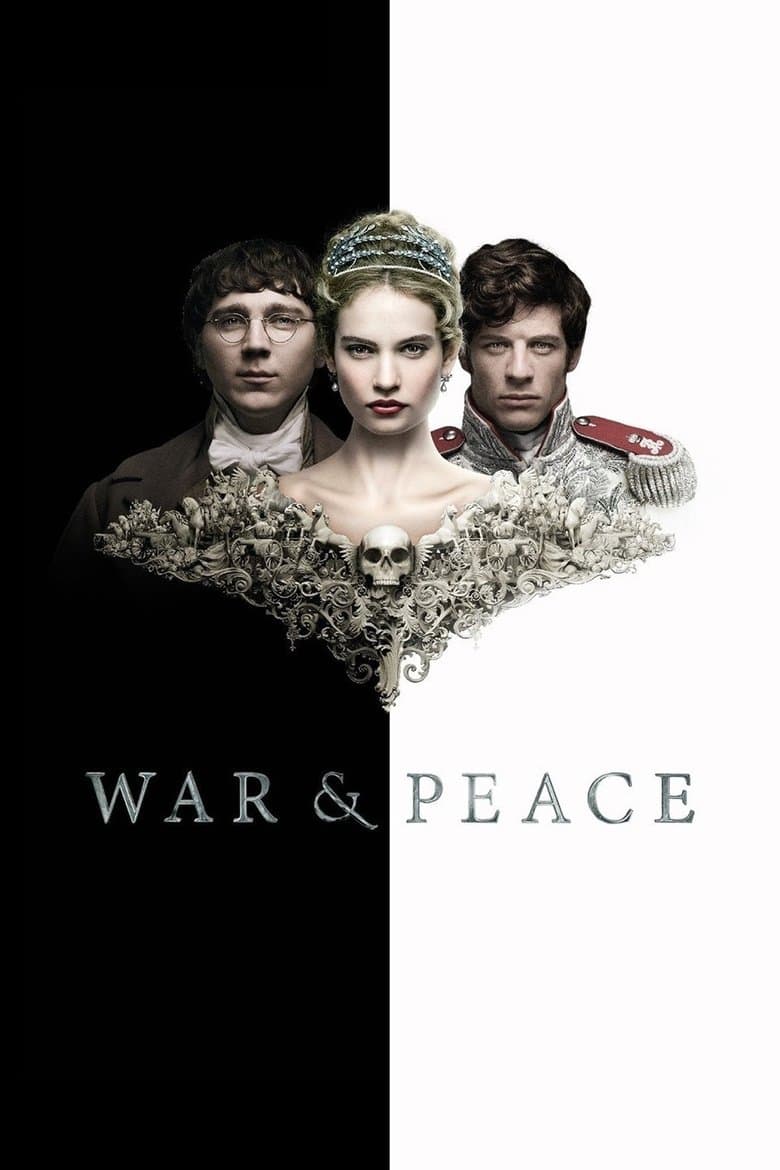
TV Show · 2016
The love story of young Countess Natasha Rostova and Count Pierre Bezukhov is interwoven with the Great Patriotic War of 1812 against Napoleon's invading army.
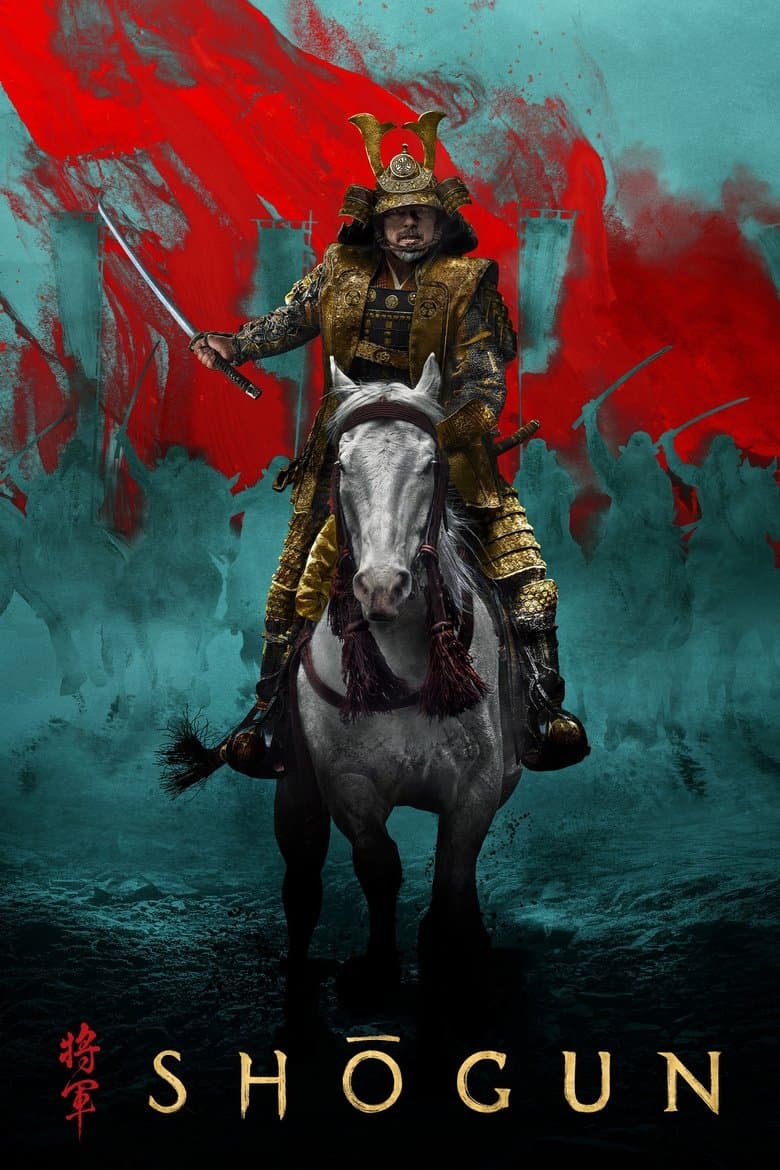
TV Show · 2024
In Japan in the year 1600, at the dawn of a century-defining civil war, Lord Yoshii Toranaga is fighting for his life as his enemies on the Council of Regents unite against him…
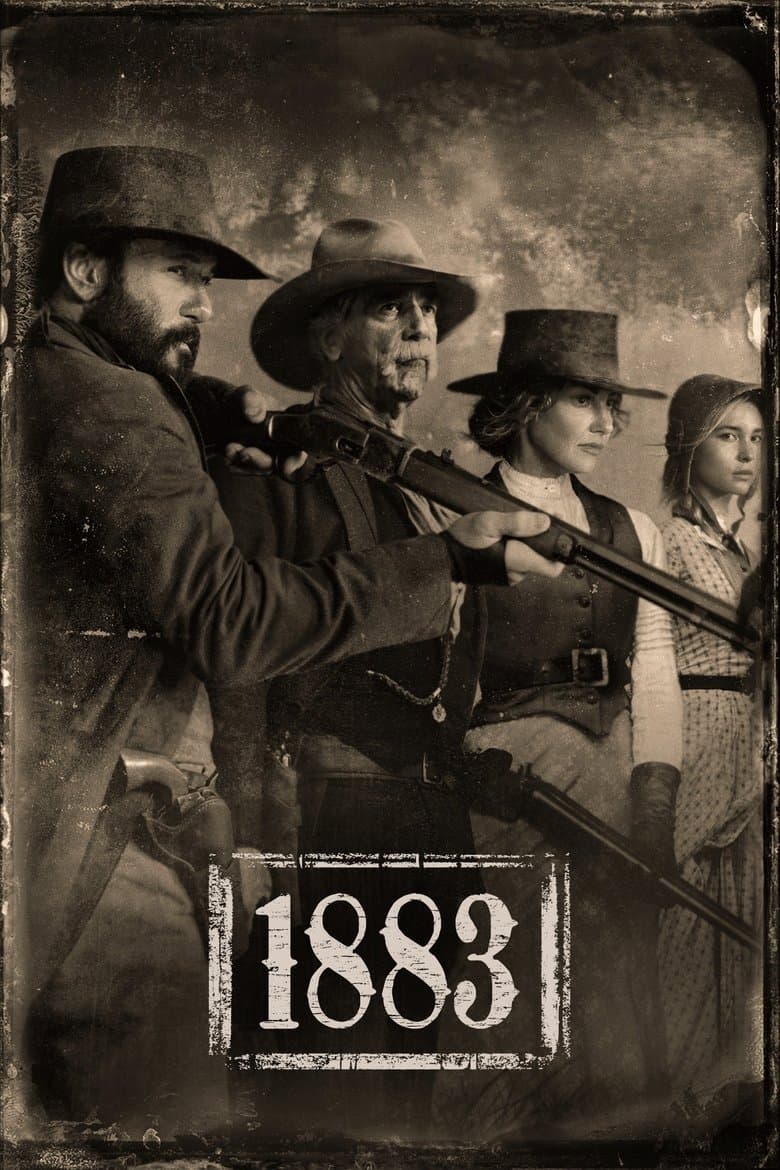
TV Show · 2021
Follow the Dutton family as they embark on a journey west through the Great Plains toward the last bastion of untamed America.
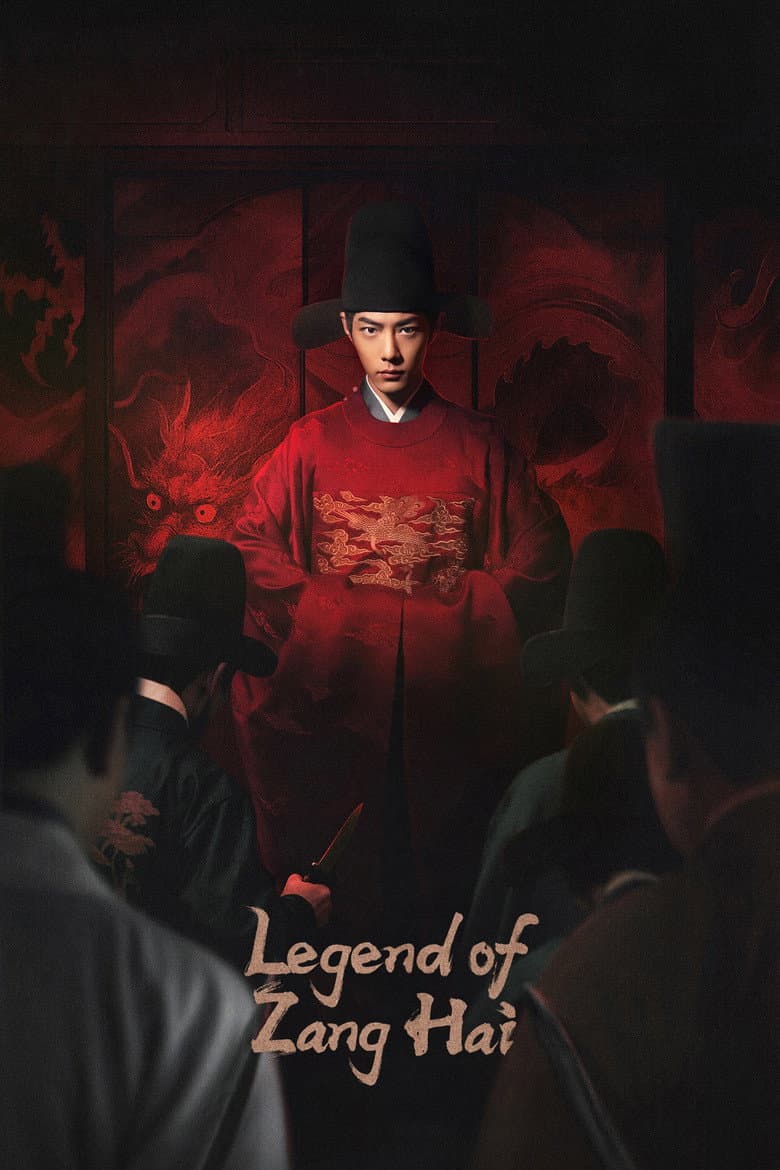
TV Show · 2025
"Legend of Zang Hai" follows the son of Imperial Astronomer Kuai Duo. Consumed by vengeance, he spends a decade honing his skills.

TV Show · 2026
The Clyburns uproot their comfortable New York City lives to the wild, untamed beauty of Montana's Madison River Valley on a search for connection.
