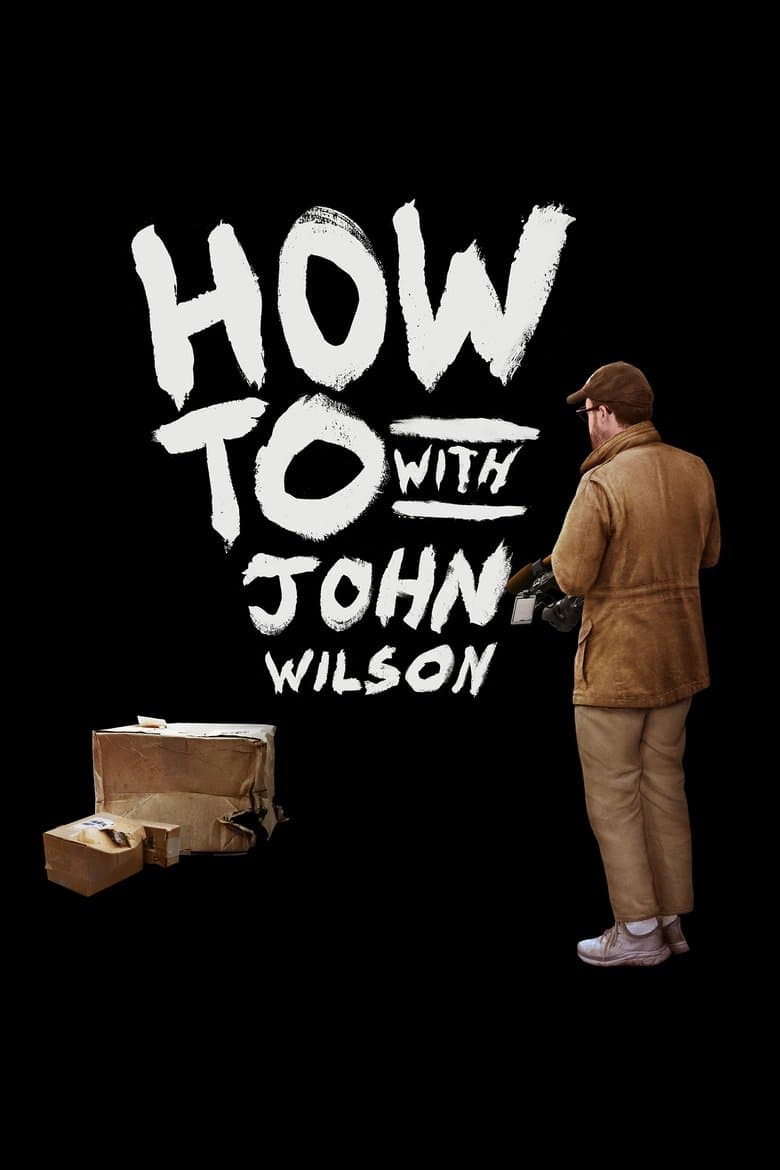
Started October 23, 2020 · Ended · Based on 3 seasons, 18 episodes through September 1, 2023 · TV-MA · 25 min
John Wilson is an anxious New York filmmaker who stays behind a small camera while he tries to give advice about ordinary problems. Each episode starts with a simple task, such as making small talk, finding a restroom, watching a game, or tracking a package. His search soon moves through odd people, strange places, personal memories, and trips outside the city. The tone is dry, awkward, crude, and often kind, with sudden turns from silly images to grief, fear, or loneliness.
The clearest woke elements are a recurring dislike of private companies, consumer pressure, and systems that make daily life harder. The show also questions macho sports culture and the pressure to look straight, especially when John describes fooling around with a male friend as a boy. These ideas are spread across the three seasons, but most episodes are about human oddities, anxiety, friendship, death, and the need to connect. The identity material matters in one major season three episode, while the wider political message stays indirect and secondary.
Community feedback
Was our 31% Woke rating accurate?
Breakdown
These are the editorial factors and ratings behind our score for How To with John Wilson.
Woke representation / casting
Not present. The show uses real New Yorkers and odd people found during filming. It does not present race, sex, or identity as a representation goal.
0%
Woke political dialogue
The narrator links disappearing public restrooms to private companies taking over public spaces. The show also points to workers urinating in bottles to meet delivery goals and makes jokes about politically correct language in real estate. These moments give the show a mild modern political message. Most episodes do not contain direct political speeches.
17%
Identity-driven story themes
John describes fooling around with a male friend when he was young and feeling ashamed and unsure what it meant. This becomes one major Season 3 segment. The episode links the memory to pressure to look straight and to his distance from macho sports culture. Most other episodes focus on strange hobbies, city problems, fear, and loss.
28%
Western institutional / cultural critique
The show repeatedly presents city systems and businesses as making ordinary life harder. Episodes cover privatized public restrooms. They also show costly real-estate and parking markets, delivery work, and consumer pressure. Season 3 questions macho sports culture and the pressure to fit male norms. This critique returns across seasons, but it stays inside odd personal stories instead of becoming a full political program.
38%
Woke character or canon changes
Not relevant. This is an original documentary comedy about real people and Wilson’s own life. It does not adapt established characters or change real history for identity reasons.
0%
Anti-woke backlash and complaints
Not present. No notable anti-woke or right-leaning complaint appeared in the available news and audience discussions reviewed. Public reaction mostly praised the show’s humor and empathy.
0%
Creator track record context
Cached profiles describe John Wilson as an observational and humanist filmmaker, not a strong identity-politics activist. The cached writers and producers have little sustained DEI record, while Nathan Fielder’s main public cause is humanitarian work against intolerance. This gives the project a low creator-context signal.
10%
Production

TV Show · 2024
Conan O'Brien visits new friends he met through his podcast, "Conan O'Brien Needs a Fan," where he dives deep with listeners from across the country and the world.
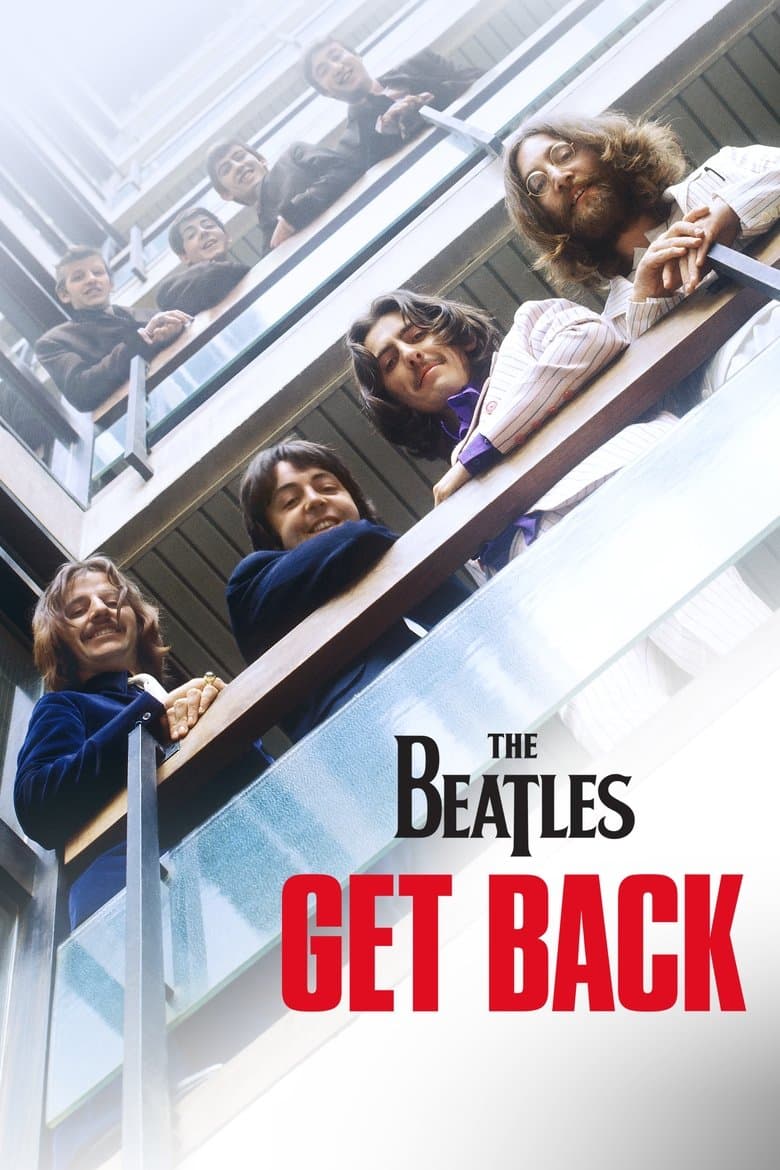
TV Show · 2021
The three-part documentary series, compiled from over 60 hours of unseen footage, captures the warmth, camaraderie, and creative genius that defined the legacy of music's most…
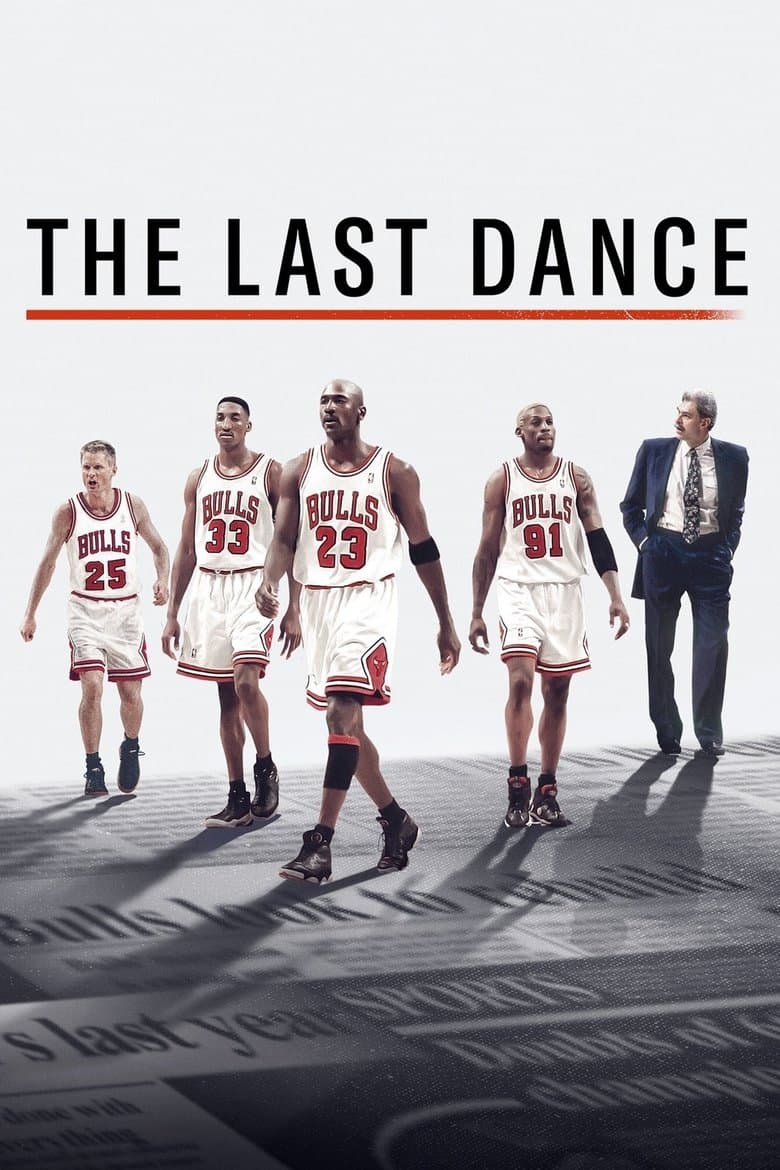
TV Show · 2020
A 10-part documentary chronicling the untold story of Michael Jordan and the Chicago Bulls dynasty with rare, never-before-seen footage and sound from the 1997-98 championship…

TV Show · 2023
With never-before-seen footage, this docuseries follows David Beckham's meteoric rise from humble beginnings to global football stardom.
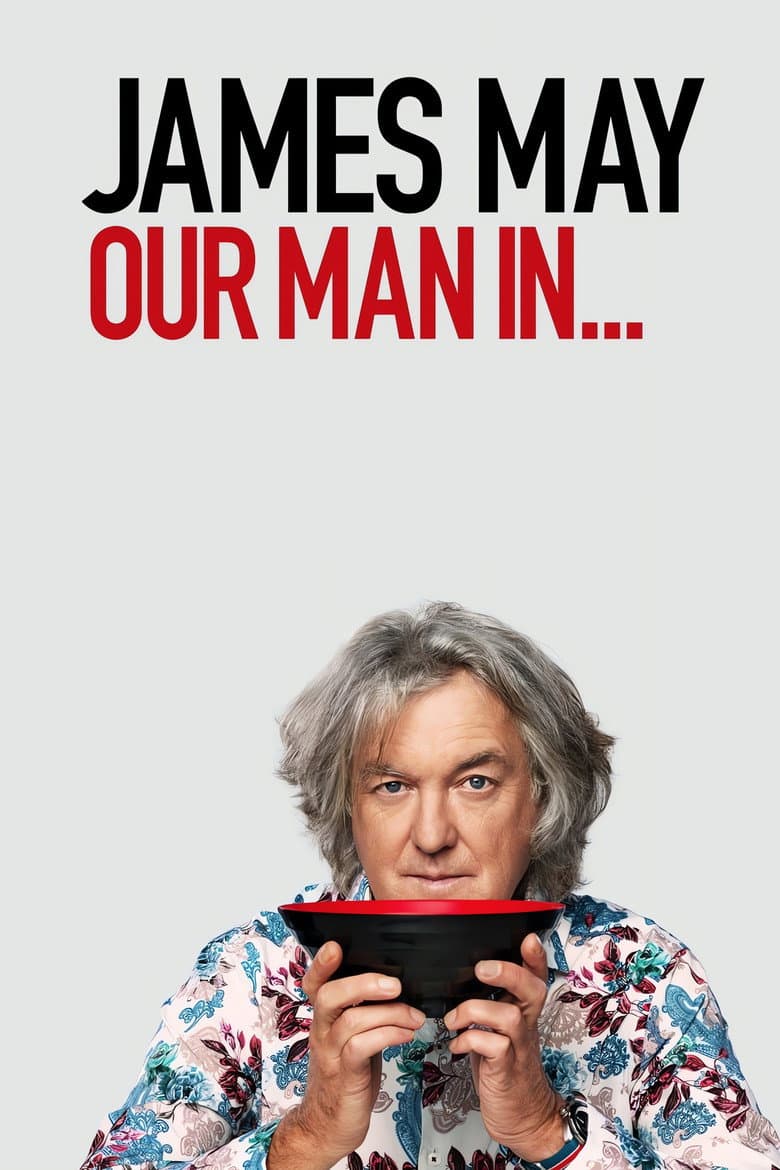
TV Show · 2020
James May embarks on a remarkable journey across Japan, from its icy north to its balmy south. He’ll see the sights, meet the locals, and eat the noodles in a bid to truly…

TV Show · 2023
Through vividly enhanced archival footage and voices from all sides of the conflict, this docuseries brings WWII to life like never before.

TV Show · 2019
Using highly advanced colourisation techniques, critical moments from World War II, from Stalingrad to The Battle of Britain, are shown in a whole new light.
TV Show · 2023
Follow the bruised bodies, soul-crushing fumbles, agonizing losses, and pure joy of three NFL quarterbacks during one season.
