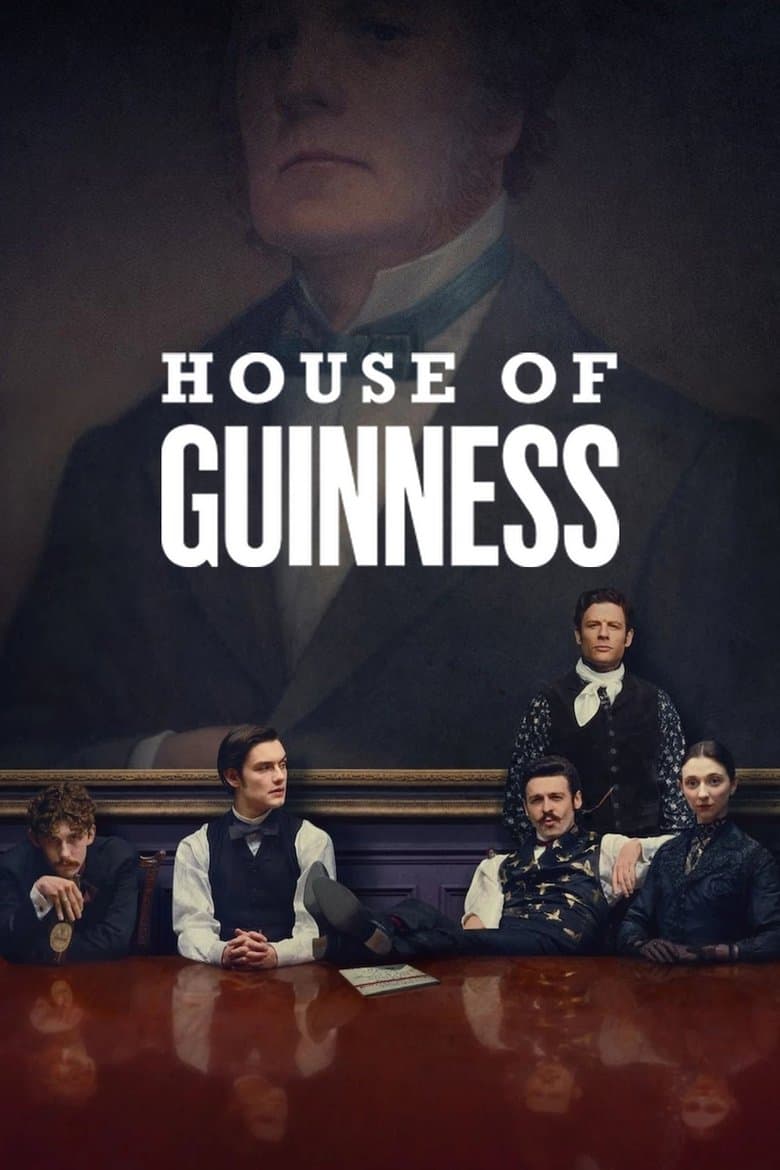
Started September 25, 2025 · Returning Series · Based on 1 season, 8 episodes through September 25, 2025 · TV-MA
House of Guinness begins in Dublin in 1868, after brewer Sir Benjamin Guinness dies. His four children, Arthur, Edward, Anne, and Benjamin, must share or fight over the brewery and the family fortune. Arthur does not want the job, while Edward wants to control the business and expand it to America. Anne faces an unhappy marriage and poor health, and Benjamin struggles with drinking, gambling, and debt. The show has a dark, loud, and often sexual tone, with family arguments, street fights, blackmail, and political danger.
Arthur’s private relationships with men recur across the season. Blackmail, a planned marriage of convenience, and his election campaign all connect to his sexuality. The show presents Arthur as a man who feels no shame, while it presents the surrounding society as the problem. The season also follows Irish nationalists who fight the Protestant Guinness family and British rule. Edward uses worker benefits, clean water, housing, and the harp symbol to win support before the family faces an election and an assassination attempt.
Community feedback
Was our 52% Woke rating accurate?
Breakdown
These are the editorial factors and ratings behind our score for House of Guinness.
Woke representation / casting
Not present. The main family and named supporting characters are white Irish or English people in a story about a white Anglo-Irish family. The season does not frame this casting as a diversity statement.
0%
Woke political dialogue
Not present. The show has speeches about Irish independence, British rule, religion, and elections, but those belong to the 1860s plot. The season does not use modern identity or activist language.
0%
Identity-driven story themes
Arthur’s private relationships with men recur across the season. Blackmail, a planned lavender marriage, and his political career all connect to his sexuality. The show presents Arthur as proud of who he is and treats the surrounding society as the problem. Queer identity is one of the season’s central themes.
70%
Western institutional / cultural critique
Not present. The season shows wealth, male control of family property, church pressure, and poverty through its 1860s story. It does not turn those events into a clear modern attack on Western institutions.
0%
Woke character or canon changes
The show gives real-life Arthur Guinness a major gay storyline with male lovers and a lavender marriage. A family biographer called him probably gay, but the historical evidence remains thin and the extent of the relationships is unclear. This choice drives blackmail, marriage, and election plots. The show also invents other family and Fenian events, but those are ordinary drama changes.
55%
Anti-woke backlash and complaints
Small X accounts said the series went woke because Arthur is written as gay even though his historical record is unclear. Other small posts complained about early gay-affair scenes and told Netflix to “gay it up.” A right-leaning review also called the pollution and social-housing scenes “woke history lessons.” No large campaign or boycott appeared.
15%
Creator track record context
Steven Knight’s public work centers on crime, class, and power rather than activist themes. Tom Shankland’s work also centers on dark drama rather than identity-first activism. Kudos executives Karen Wilson and Martin Haines have backed programs for underrepresented talent. The other named producers have no clear public activist record.
15%
Production

TV Show · 2024
Fascinated by cars since childhood, Brazilian racer Ayrton Senna became a sports legend — until tragedy struck, changing Formula 1 forever.
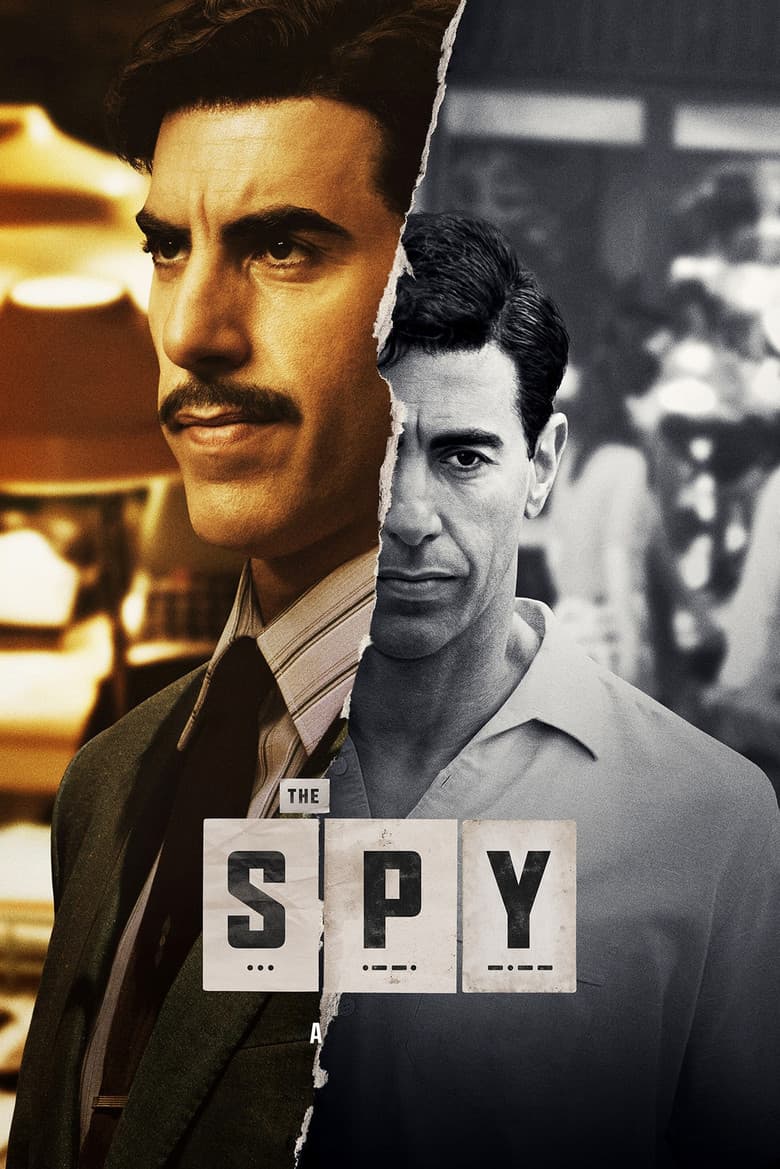
TV Show · 2019
In the 1960s, Israeli clerk-turned-secret agent Eli Cohen goes deep undercover inside Syria on a perilous, years-long mission to spy for Mossad.
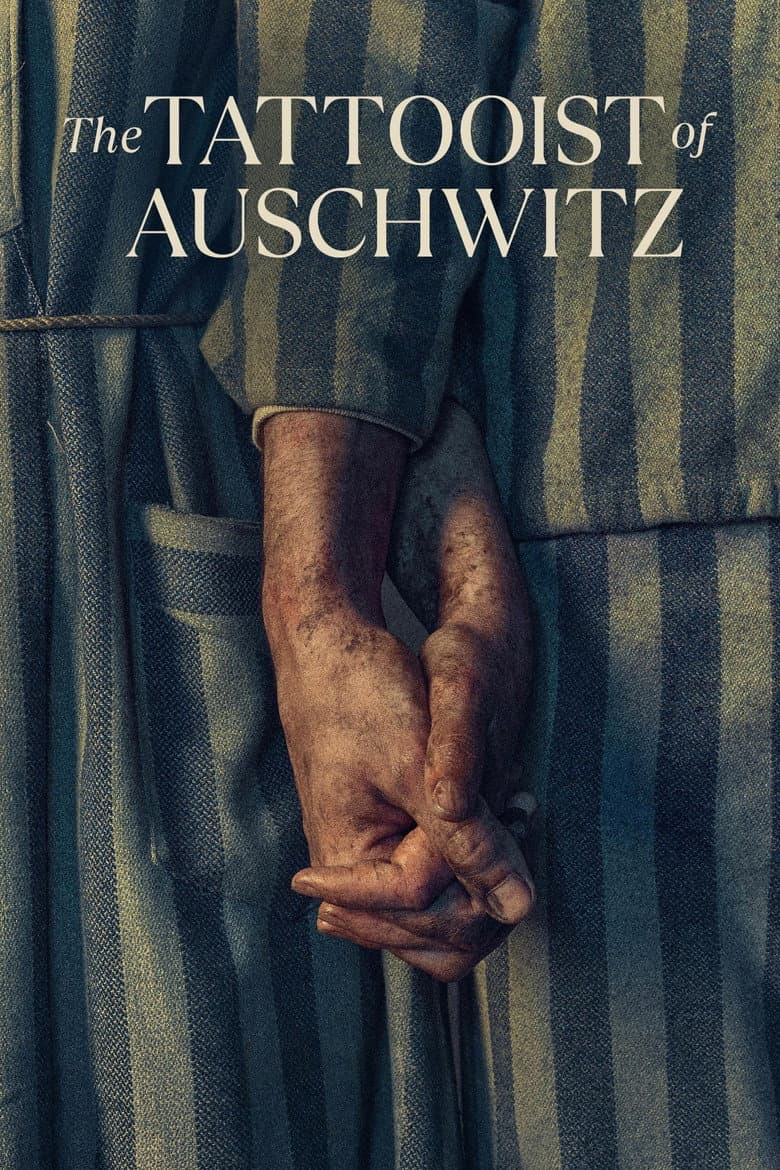
TV Show · 2024
The powerful real-life story of Lali Sokolov, a Jewish prisoner who was tasked with tattooing ID numbers on prisoners' arms in the Auschwitz-Birkenau concentration camp during…
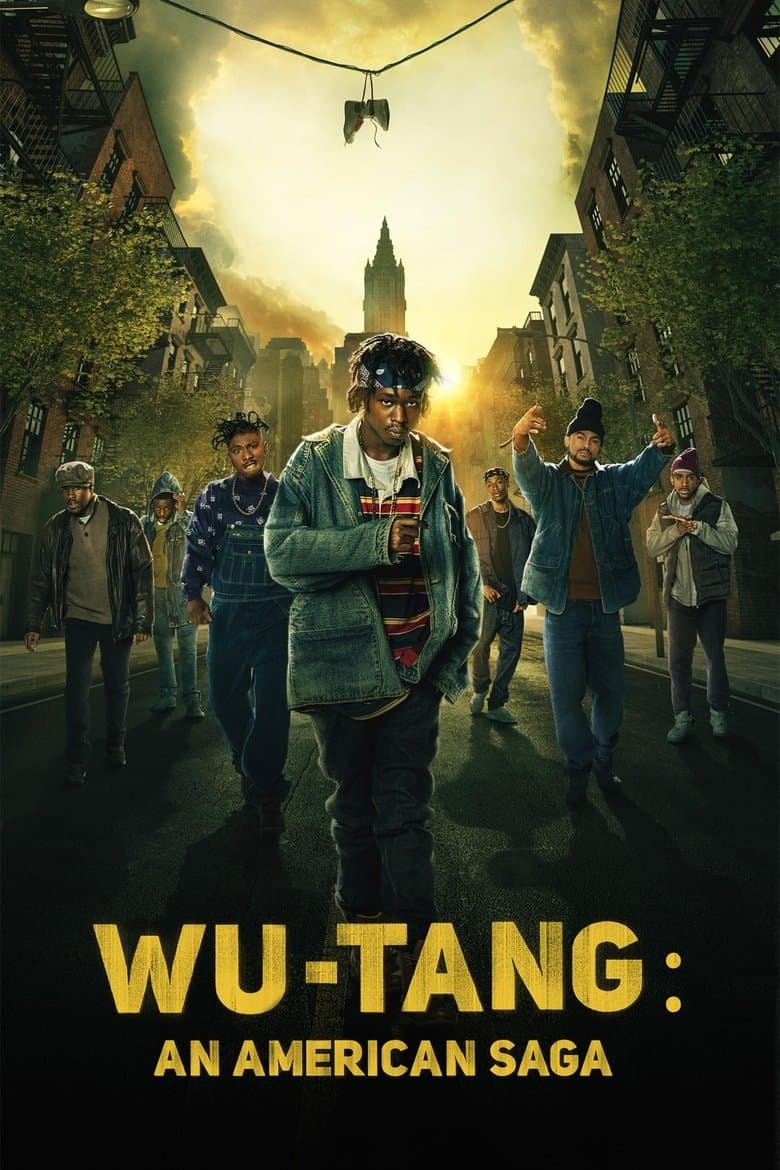
TV Show · 2019
In the early 1990s in New York, during the height of the crack cocaine epidemic, a visionary musician named Bobby Diggs aka The RZA begins to form a super group of a dozen young…
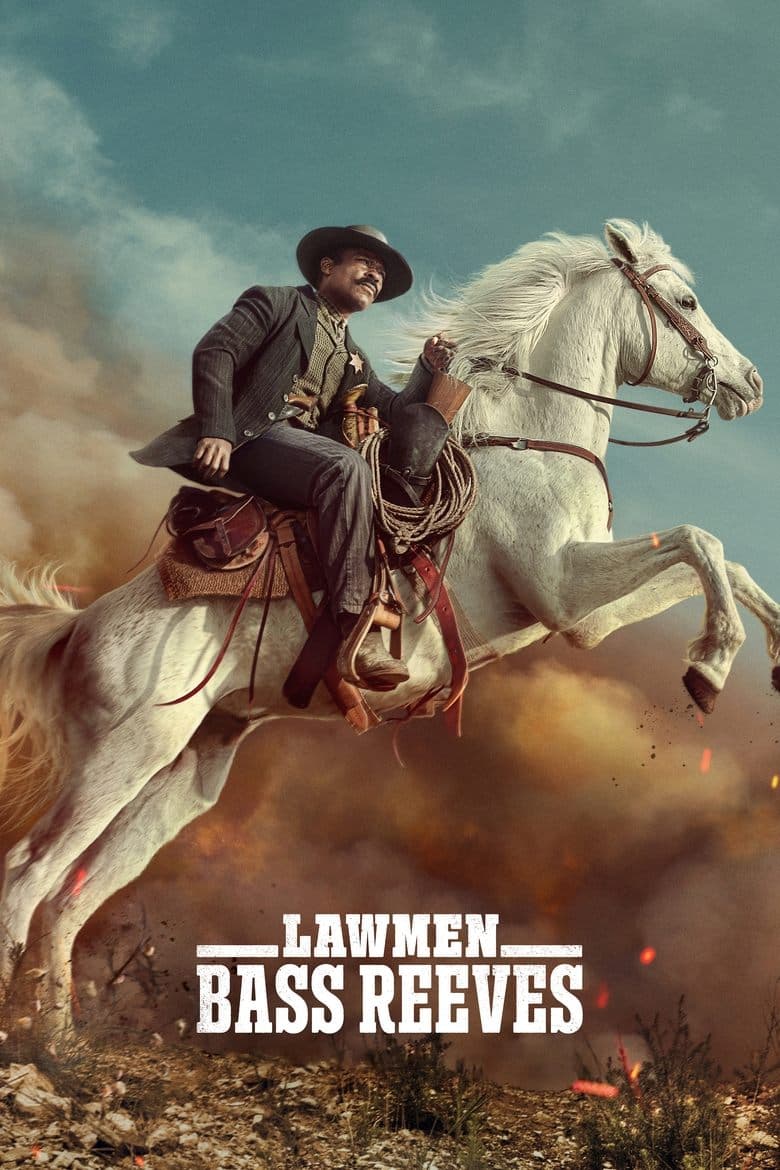
TV Show · 2023
The story of Bass Reeves, the legendary lawman of the wild West, is brought to life. Reeves worked in the post-Reconstruction era as a federal peace officer in the Indian…
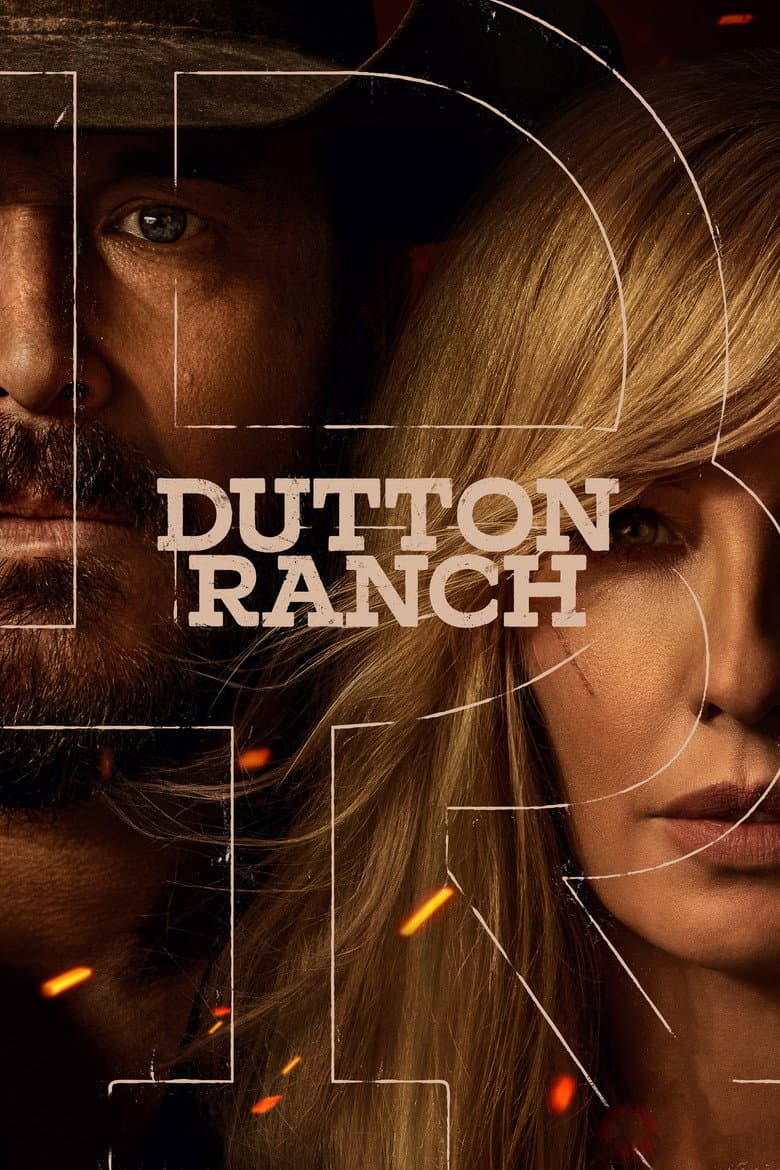
TV Show · 2026
Rip Wheeler and Beth Dutton gamble everything on a new life in South Texas, but the promise of building a future far from the ghosts of Yellowstone quickly collides with brutal…
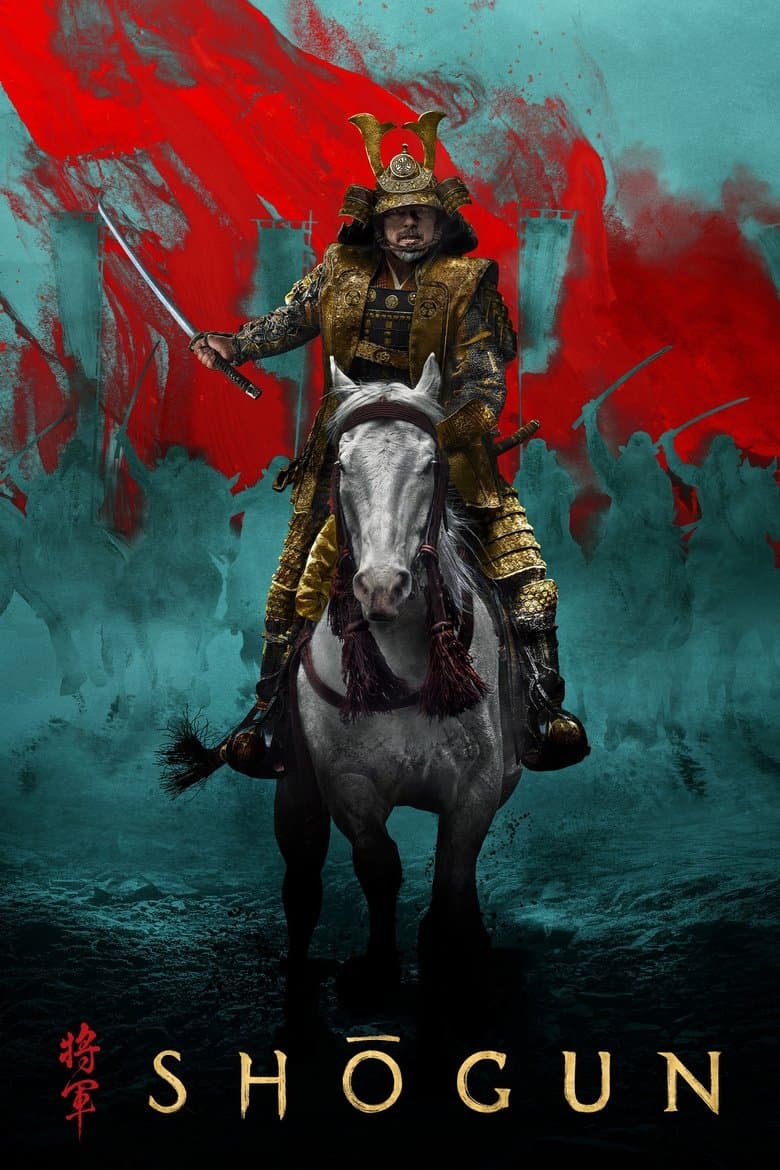
TV Show · 2024
In Japan in the year 1600, at the dawn of a century-defining civil war, Lord Yoshii Toranaga is fighting for his life as his enemies on the Council of Regents unite against him…

TV Show · 2026
As the Kargil War erupts between India and Pakistan, the Golden Arrows squadron of the Air Force takes flight on a dangerous mission behind enemy lines.
