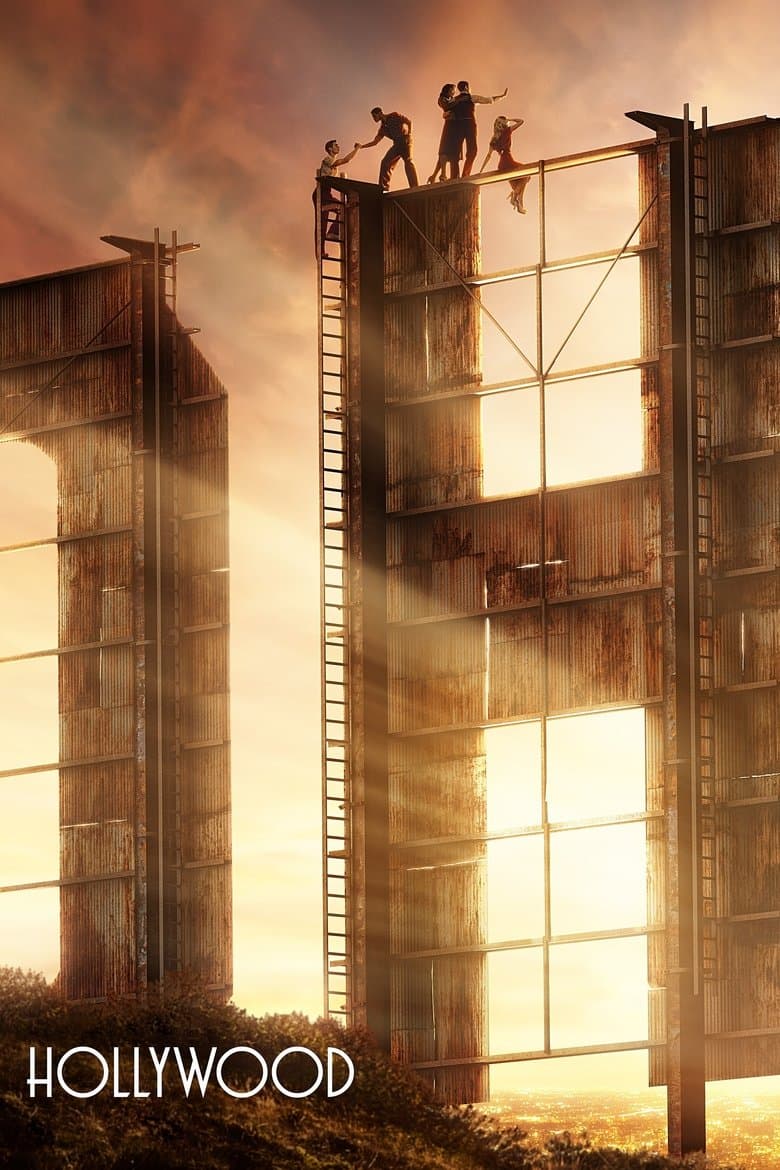
Started May 1, 2020 · Ended · Based on 1 season, 7 episodes through May 1, 2020 · TV-MA · 50 min
Hollywood is a seven-episode drama set in Los Angeles after World War II. Jack Castello is a young war veteran who wants to become a movie star. He joins a group of actors, writers, and filmmakers who try to make a film called Meg. The show mixes glamour, sex, crime, romance, and a hopeful alternate version of old Hollywood.
The story strongly centers on race, gender, and gay identity. Camille fights racist casting rules so she can lead a major film. Archie is a gay black writer who becomes involved with Rock Hudson. Raymond is a biracial director, while women and gay men gain power inside the studio system. The show argues that movies can change society by giving excluded people leading roles and happy endings.
Community feedback
Was our 96% Woke rating accurate?
Breakdown
These are the editorial factors and ratings behind our score for Hollywood.
Woke representation / casting
The show gives major roles to a black female star, a gay black writer, a biracial director, and several openly gay men. The studio is led by a woman, and the main film is built around excluded groups gaining power. The cast choices are part of the show’s clear message about representation.
88%
Woke political dialogue
The characters often talk about racism, homophobia, and the power of movies to change society. Raymond says films can show how the world should be, not only how it is. The dialogue supports equality, but the show does not focus on party politics or modern policy debates.
48%
Identity-driven story themes
The main story follows Black, gay, and female characters fighting old Hollywood barriers. Archie’s sexuality and relationship with Rock Hudson drive a major plot line. Camille’s race and gender shape her struggle for a leading role. The show repeatedly presents identity and inclusion as central to success.
92%
Western institutional / cultural critique
The studio system is shown as racist, sexist, and hostile to gay people. The story attacks old power structures and the social rules that protect them. The show also criticizes sexual abuse and male control in Hollywood. These ideas come from the period setting, but the series uses them to support a broad message about changing institutions.
62%
Woke character or canon changes
The show changes real Hollywood history by allowing Rock Hudson to come out publicly and live with a male partner. It also gives several fictional minority characters leading roles and awards that people like them rarely received at the time. The alternate history is built around identity-based changes to the past.
78%
Anti-woke backlash and complaints
Reviewers and opinion writers described the series as a woke fantasy, political correctness, or a liberal rewrite of history. Complaints focused on forced optimism, unlikely diversity, and the idea that Hollywood could solve racism and homophobia through one successful film. The criticism was clear but mostly came from reviews and opinion pieces.
58%
Creator track record context
Ryan Murphy has a long record of identity-focused shows and diversity efforts. Janet Mock brings a strong record of transgender rights and intersectional activism. Ian Brennan has written repeated LGBTQ+ and social-issue stories. The title’s content closely matches the creative history of its main writers and creators.
88%
Production
TV Show · 2024
The powerful real-life story of Lali Sokolov, a Jewish prisoner who was tasked with tattooing ID numbers on prisoners' arms in the Auschwitz-Birkenau concentration camp during…
TV Show · 2026
As the Kargil War erupts between India and Pakistan, the Golden Arrows squadron of the Air Force takes flight on a dangerous mission behind enemy lines.
TV Show · 2026
Rip Wheeler and Beth Dutton gamble everything on a new life in South Texas, but the promise of building a future far from the ghosts of Yellowstone quickly collides with brutal…
TV Show · 2021
Follow the Dutton family as they embark on a journey west through the Great Plains toward the last bastion of untamed America.
TV Show · 2022
This sweeping saga chronicles the hopes and dreams of a Korean immigrant family across four generations as they leave their homeland in an indomitable quest to survive and thrive.
TV Show · 2019
In the early 1990s in New York, during the height of the crack cocaine epidemic, a visionary musician named Bobby Diggs aka The RZA begins to form a super group of a dozen young…
TV Show · 2020
A wary CIA officer investigates a charismatic man who sparks a spiritual movement and stirs political unrest. Who exactly is he? And what does he want?
TV Show · 2026
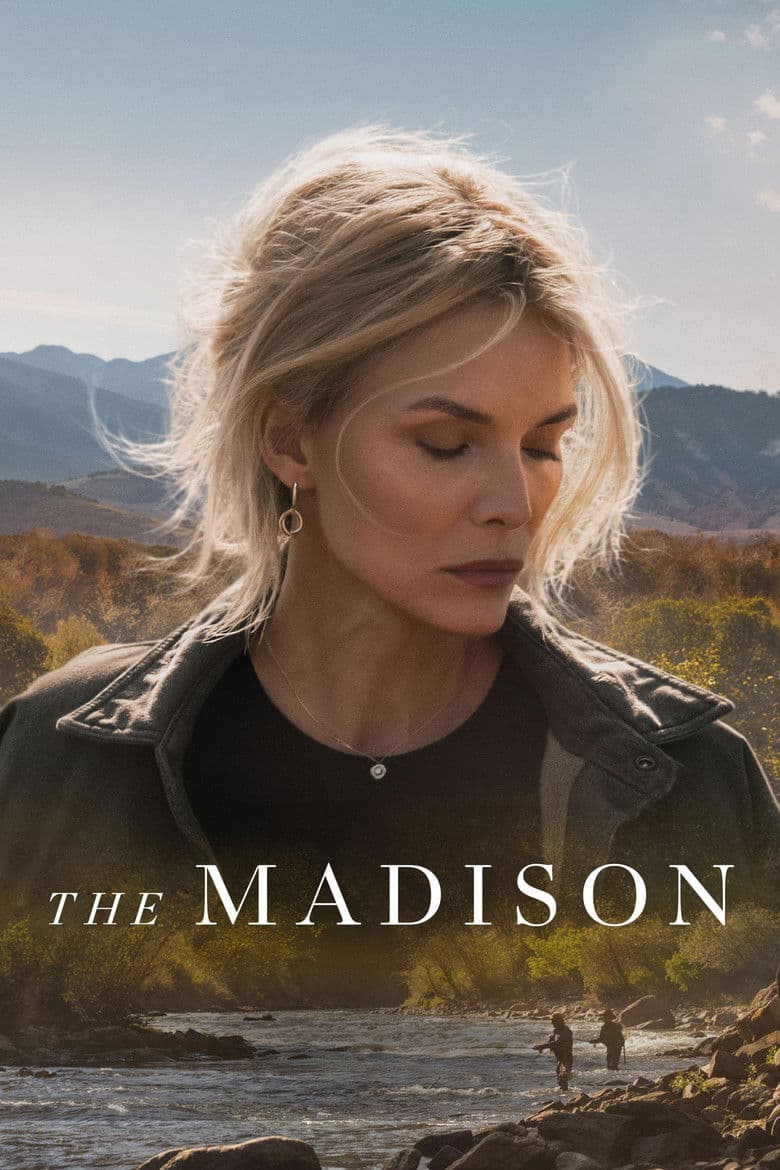
The Clyburns uproot their comfortable New York City lives to the wild, untamed beauty of Montana's Madison River Valley on a search for connection.
