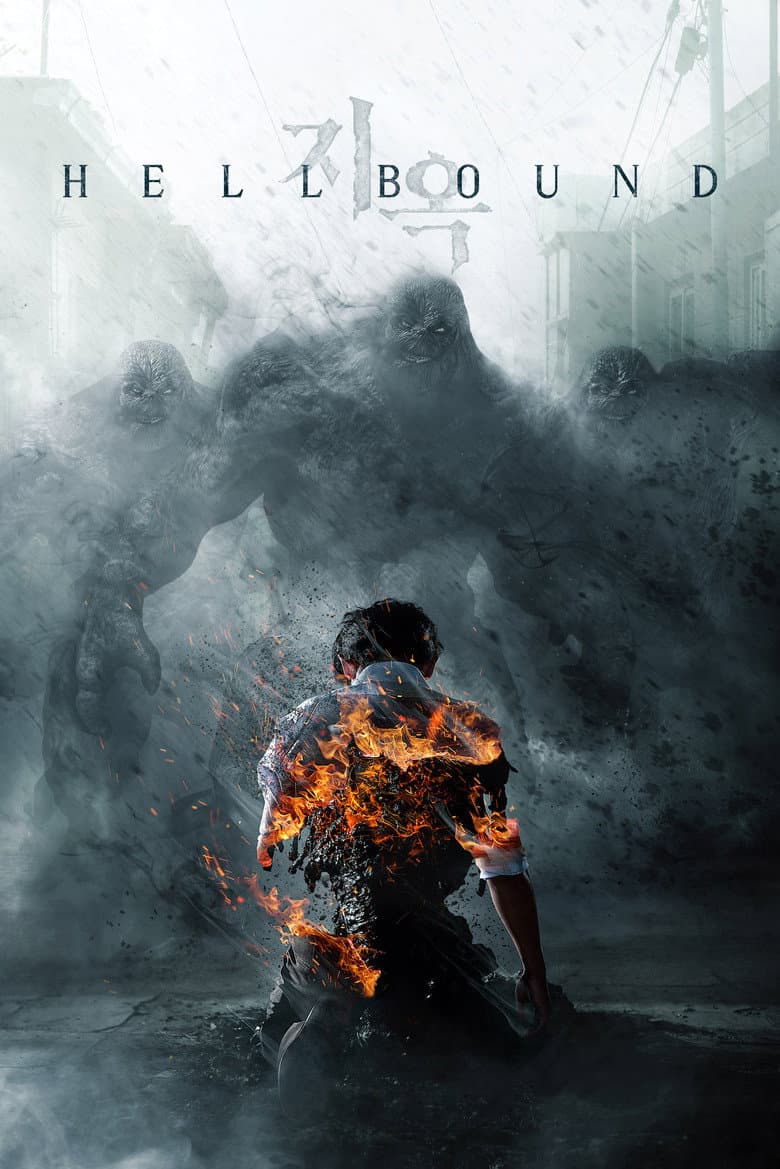
Started November 19, 2021 · Canceled · Based on 2 seasons, 12 episodes through October 25, 2024 · TV-MA · Korean
Hellbound follows Min Hye-jin, a lawyer who protects people marked for death in a modern South Korea. Strange angels announce when a person will die, and three monsters then beat and burn that person in a public “demonstration.” The New Truth Society calls each victim a sinner, while the violent Arrowhead group turns the deaths into online shows and attacks anyone who disagrees. Season 2 adds a government plan, a growing struggle between the cults, and the return of two dead people. The tone is bleak, violent, and full of mystery.
The show's main social message attacks religious authority, public moral judgment, and groups that use fear to control people. Min Hye-jin leads rescues and fights to protect the condemned, while Park Jung-ja and Lee Su-gyeong drive major parts of the second season. The story treats human care and personal choice as better than forced belief, especially when a baby is condemned despite having done nothing wrong. It does not center race, queer identity, or a diversity campaign, and its politics stay tied to religion, media, government power, and free will.
Community feedback
Was our 36% Woke rating accurate?
Breakdown
These are the editorial factors and ratings behind our score for Hellbound.
Woke representation / casting
Not present. The main cast is Korean in a modern South Korean setting, and the women’s jobs and roles fit the story world. No diversity-first casting or identity statement appears in the show.
0%
Woke political dialogue
The characters repeatedly argue about sin, free will, and whether human law can judge people better than God. Season 1 names structural inequality and hard childhoods while debating personal blame. Season 2 has characters say that people must make their own order and meaning, but the dialogue does not push race, gender, DEI, or a party program.
22%
Identity-driven story themes
The series repeatedly treats compassion for condemned people as better than fear-based moral control. The baby’s decree makes the New Truth’s sin theory look cruel, and Hye-jin keeps protecting people whom other groups treat as symbols. Season 2 also says human care and personal choice matter more than a powerful group’s story, but race, gender, and queer identity do not drive the plot.
24%
Western institutional / cultural critique
The New Truth turns unexplained deaths into a religion that brands victims as sinners. The Arrowhead uses livestreams, public shame, and mob violence to punish anyone who resists its message. Season 2 adds a government official who tries to balance rival groups and use their symbols to control society. The show warns against religious authority, media crowds, and state power, but it does not clearly frame that warning as a modern identity-politics campaign.
31%
Woke character or canon changes
Not relevant. The adaptation changes plot events, including resurrection details, but no race, gender, sexuality, or identity-related character change was found.
0%
Anti-woke backlash and complaints
The supplied X research pass found one small Christian account that called the show a woke Netflix failure. A few other small accounts praised it as a Korean show without woke politics, and another listed it while arguing against a Netflix boycott. No major review campaign, boycott, or news controversy about woke content was found.
12%
Creator track record context
Yeon Sang-ho has a repeated record of stories about class, social fear, religious authority, and broken institutions. Choi Gyu-seok often writes about labor rights, inequality, and misuse of power. The producers mainly support serious Korean genre projects, but the cached context shows no strong record of identity activism or partisan campaigning. This adds a moderate social-critique signal without showing a dominant identity-driven profile.
42%
Production
TV Show · 2021
A single mother enters a world of twisted mind games when she begins an affair with her psychiatrist boss while secretly befriending his mysterious wife.
TV Show · 2021
Interconnected phone conversations chronicle the mysterious story of a group of strangers whose lives are thrown into disarray in the lead-up to an apocalyptic event.
TV Show · 2017
A missing child sets four families on a frantic hunt for answers as they unearth a mind-bending mystery that spans three generations.
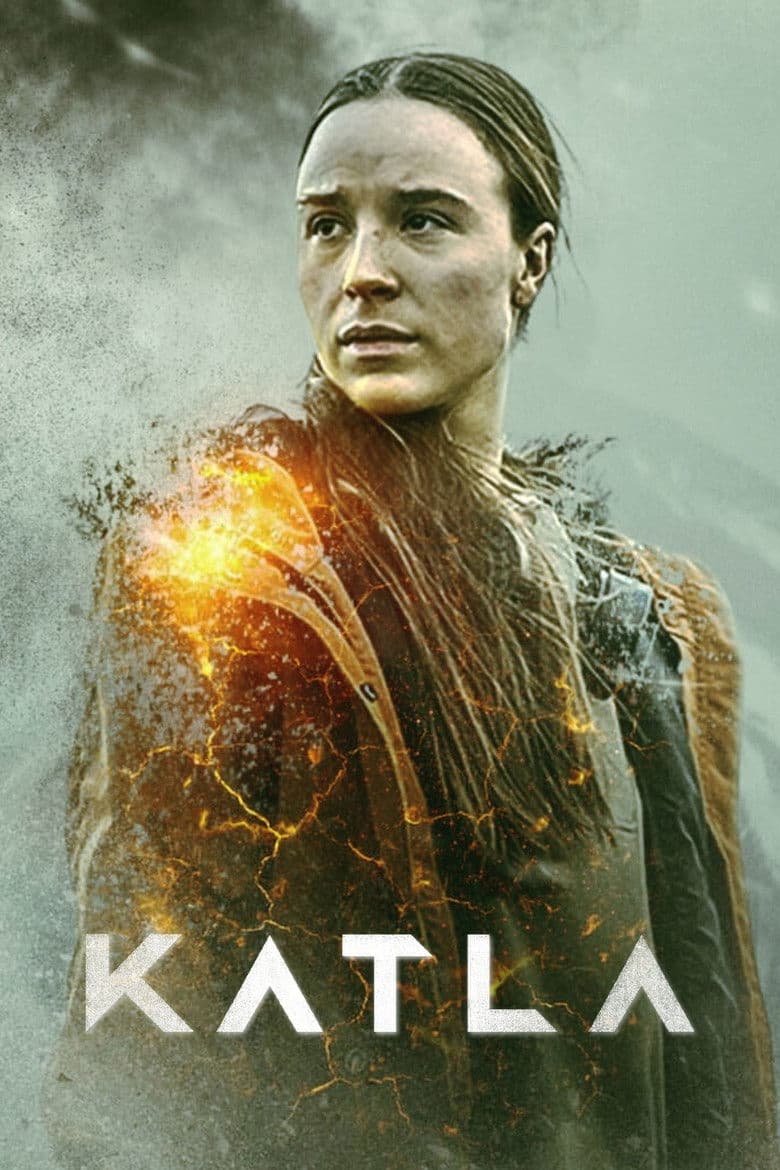
TV Show · 2021
A year after a subglacial volcano erupts, mysterious elements from prehistoric times emerge from the melting ice, bringing unforeseen consequences.
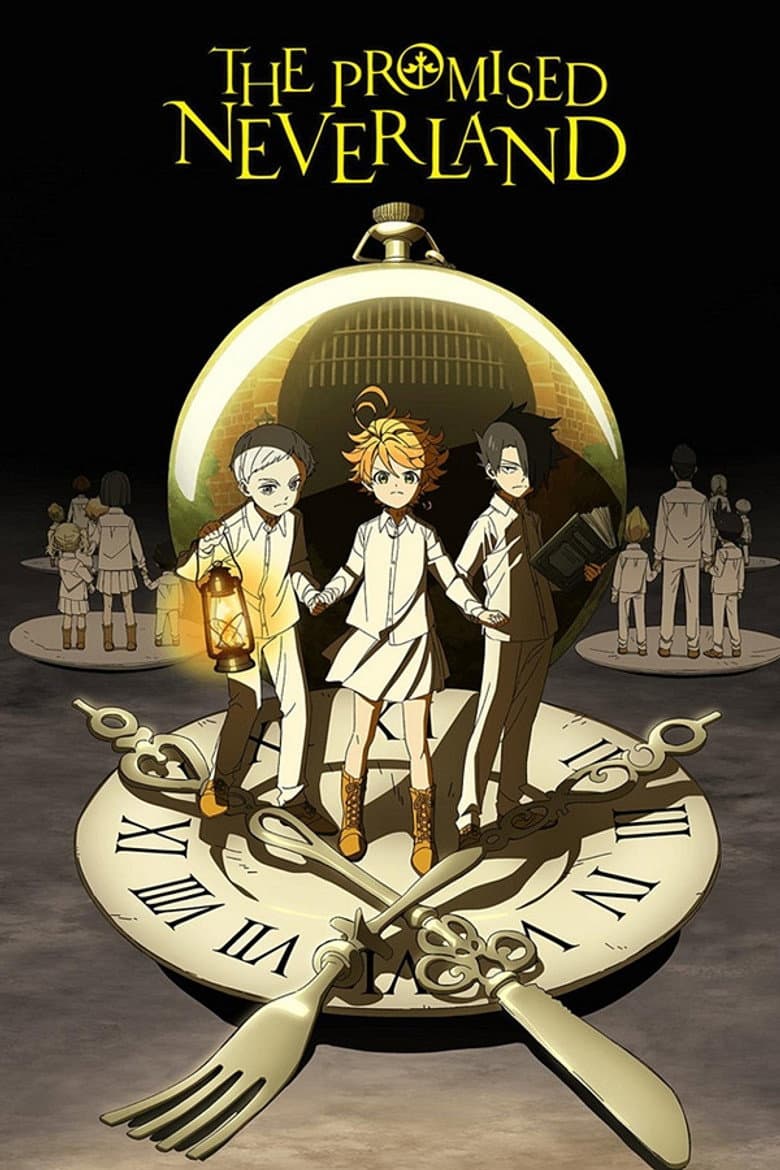
TV Show · 2019
Emma, Norman and Ray are the brightest kids at the Grace Field House orphanage. And under the care of the woman they refer to as “Mom,” all the kids have enjoyed a comfortable…
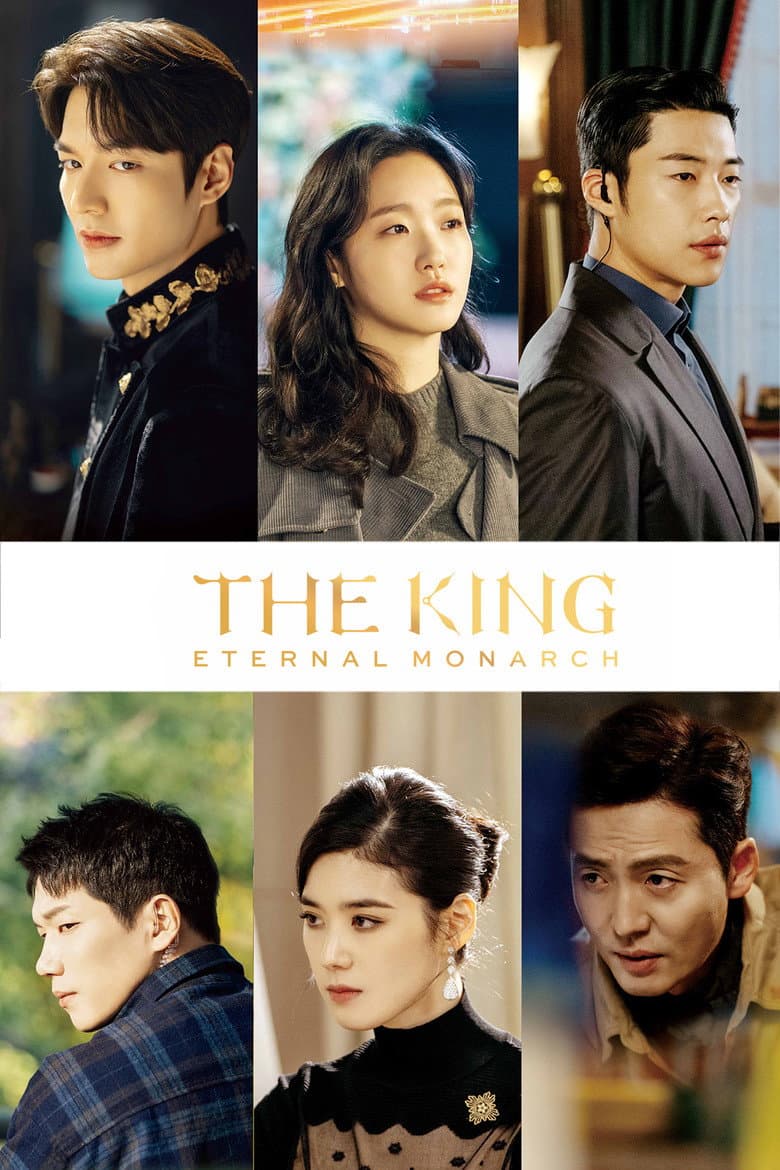
TV Show · 2020
Korean emperor Lee Gon tries to close the doors to a parallel world which was opened by demons; a detective tries to protect the people and the one she loves.
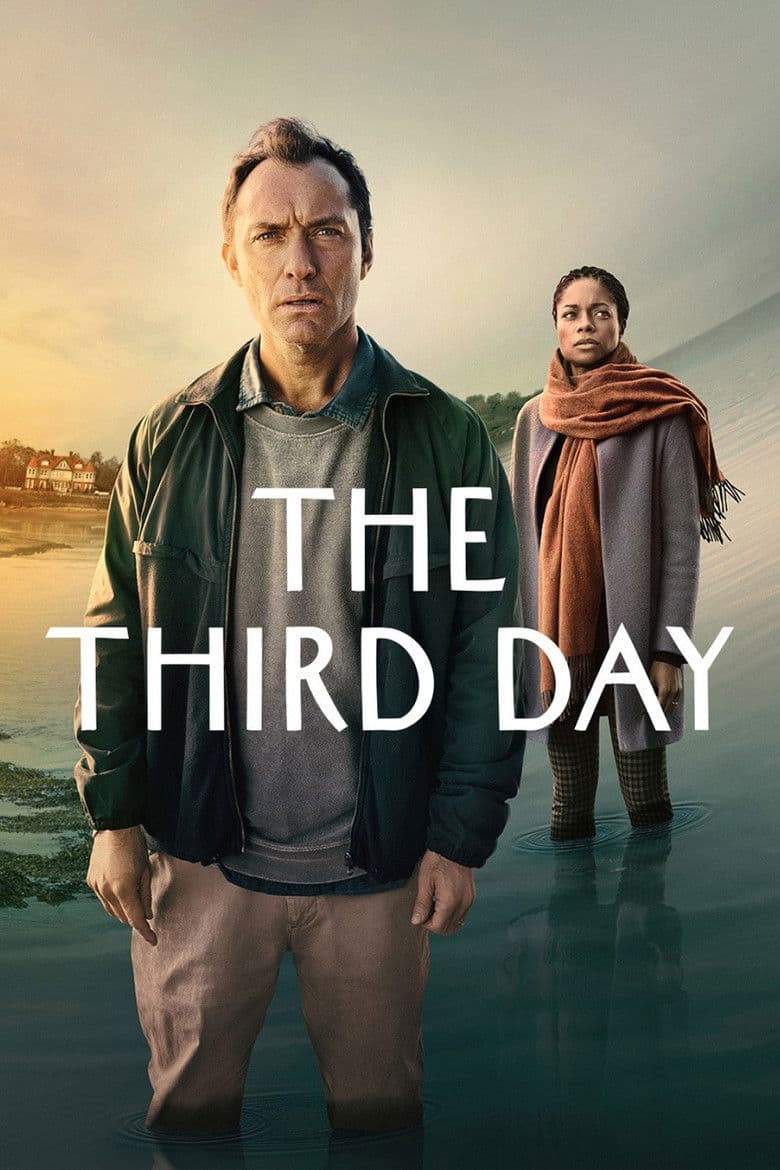
TV Show · 2020
A unique story told over two distinct halves, "Summer" follows Sam, a man drawn to a mysterious island off the British coast where he encounters a group of islanders set on…
TV Show · 2022
An archivist takes a job restoring damaged videotapes and gets pulled into the vortex of a mystery involving the missing director and a demonic cult.
