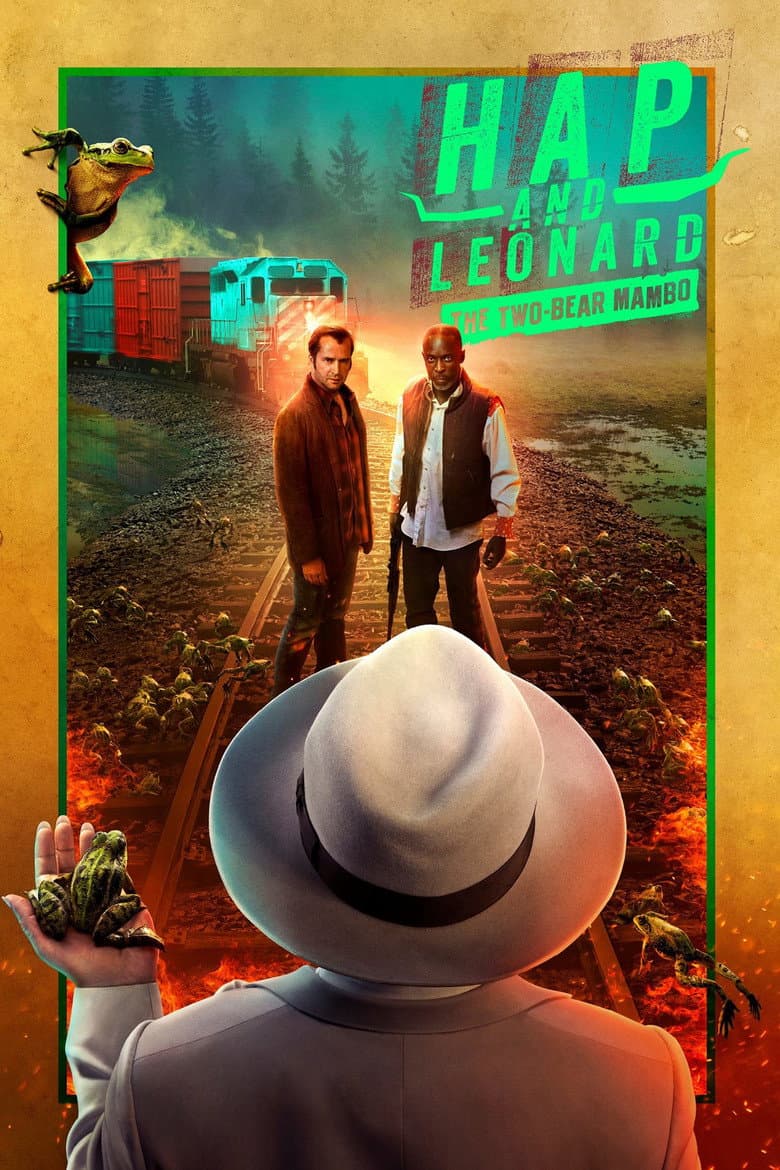
Started March 2, 2016 · Canceled · Based on 3 seasons, 18 episodes through April 11, 2018 · TV-MA · 43 min
Hap Collins and Leonard Pine are best friends who live on hard times in late 1980s East Texas. Hap is a white farm worker who went to prison rather than fight in Vietnam. Leonard is a black gay Vietnam veteran with a sharp temper and deep loyalty to his friends. Each six-part season sends them into a violent case about stolen money, missing children, or a missing lawyer.
Their friendship is the heart of the show, even when they argue about politics and violence. Leonard faces racist and anti-gay abuse, and the second season shows police failing black children. The third season makes a Klan-run town the main danger as the pair search for Florida Grange. Hap's old anti-war beliefs and the former activists in season one add political talk, but the cases and friendship drive most episodes.
Community feedback
Was our 52% Woke rating accurate?
Breakdown
These are the editorial factors and ratings behind our score for Hap and Leonard.
Woke representation / casting
Leonard Pine is a Black, openly gay Vietnam veteran and one of the two main heroes. The series repeatedly shows people reacting to his race and sexuality. Florida Grange is a black woman lawyer whose disappearance starts the third season case. The original books established these characters, and the show did not market its cast as a diversity campaign.
35%
Woke political dialogue
Hap's prison past comes from refusing the Vietnam War, and former left-wing activists drive the first mystery. Leonard holds Republican views that clash with Hap's liberal past. Seasons two and three use direct talk about race, police failure, and the Klan. The crime plots and the friendship remain the main focus.
35%
Identity-driven story themes
Leonard's life as a gay black man shapes several threats and personal scenes. Season two makes racism and the failure to protect missing black boys part of the main case. Season three makes Klan violence and Leonard's fear for his place in America central to the case. The story still spends much of its time on friendship, danger, and solving crimes.
54%
Western institutional / cultural critique
Season two shows a corrupt sheriff, judge, and police force failing black children. Season three shows local officials tied to or unable to stop the Klan in Grovetown. The story uses these events to question safety and fairness in America. The show keeps this criticism inside a late 1980s crime story.
42%
Woke character or canon changes
Not relevant. The series follows the basic characters and identity details from Joe R. Lansdale's novels. No identity-driven change to established canon is clear.
0%
Anti-woke backlash and complaints
A few audience reviews called season three preachy and said it pushed too many social messages. Those reviews objected to blunt scenes about bigotry and racism. No broad anti-woke backlash or major right-leaning controversy was found.
12%
Creator track record context
Jim Mickle's cached context describes genre work with no strong activist record. Nick Damici's cached context shows no known identity-driven focus. E.L. Katz's cached context is also centered on genre craft rather than politics. The core creator context gives mild support rather than a strong signal.
19%
Production
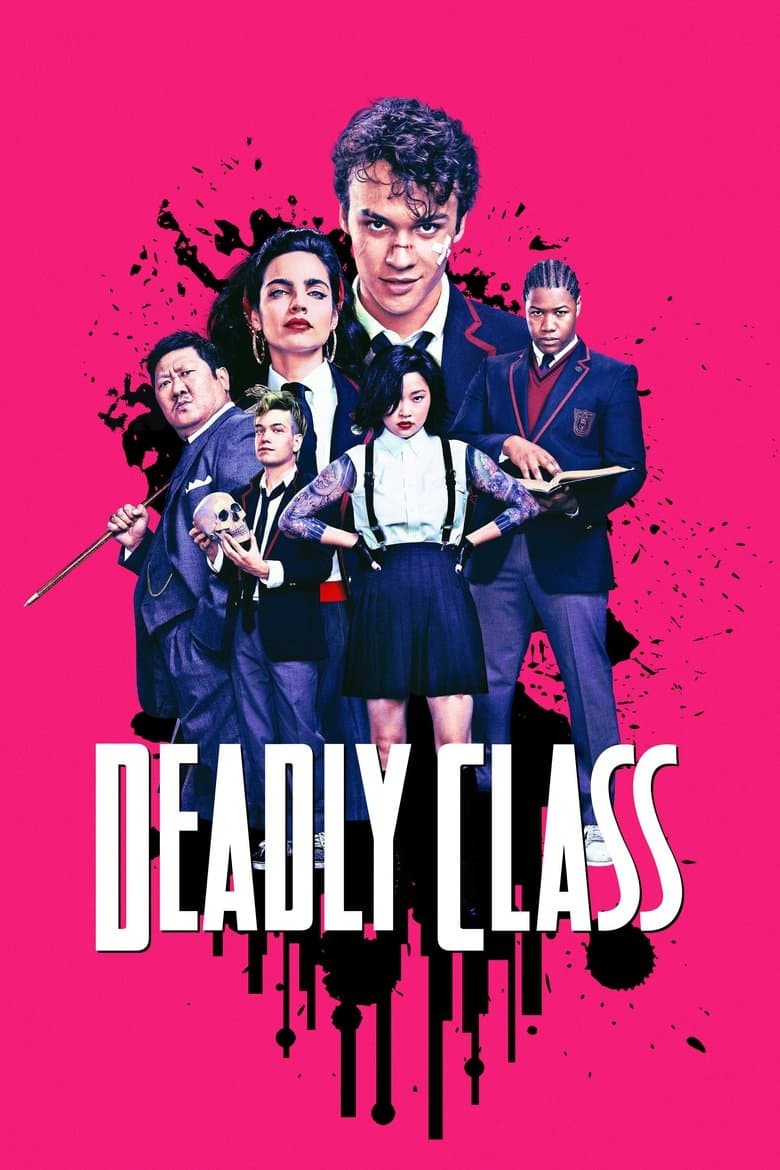
TV Show · 2019
Follow a disillusioned teen recruited into a storied high school for assassins. Maintaining his moral code while surviving a ruthless curriculum, vicious social cliques, and his…
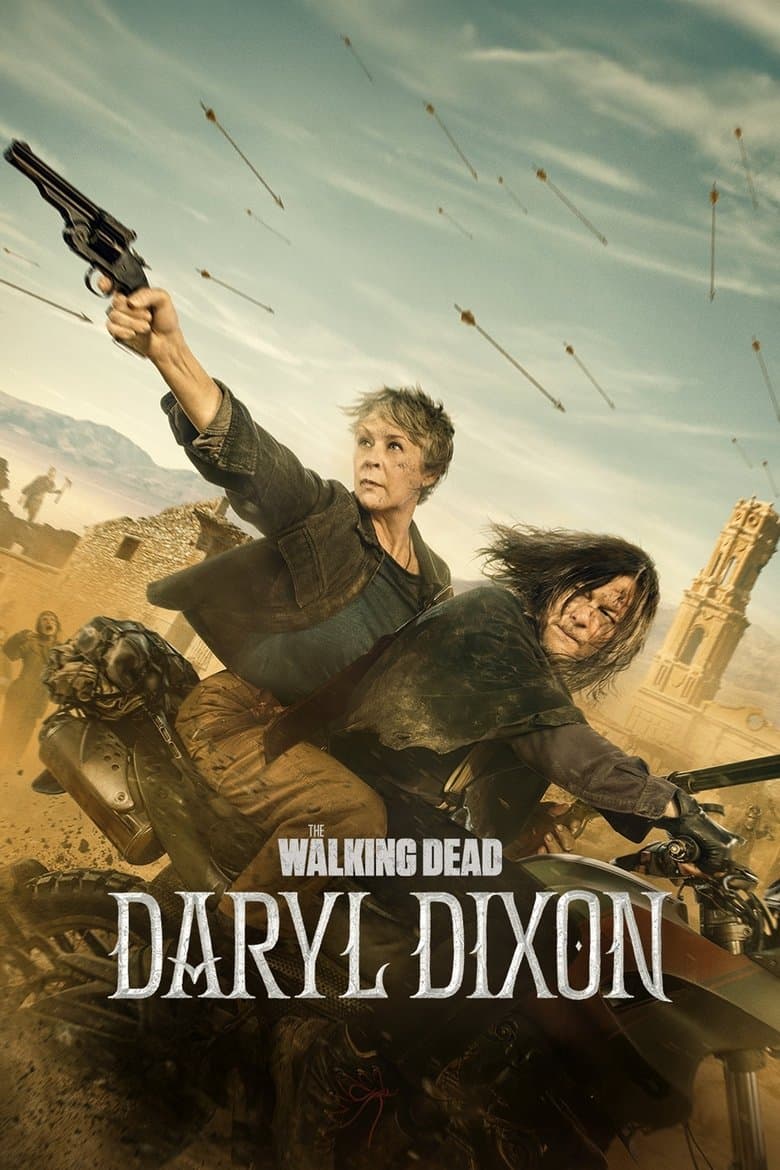
TV Show · 2023
After washing ashore in France, Daryl struggles to piece together how he got there and why, as he navigates a fractured, walker-infested landscape to find his way home.
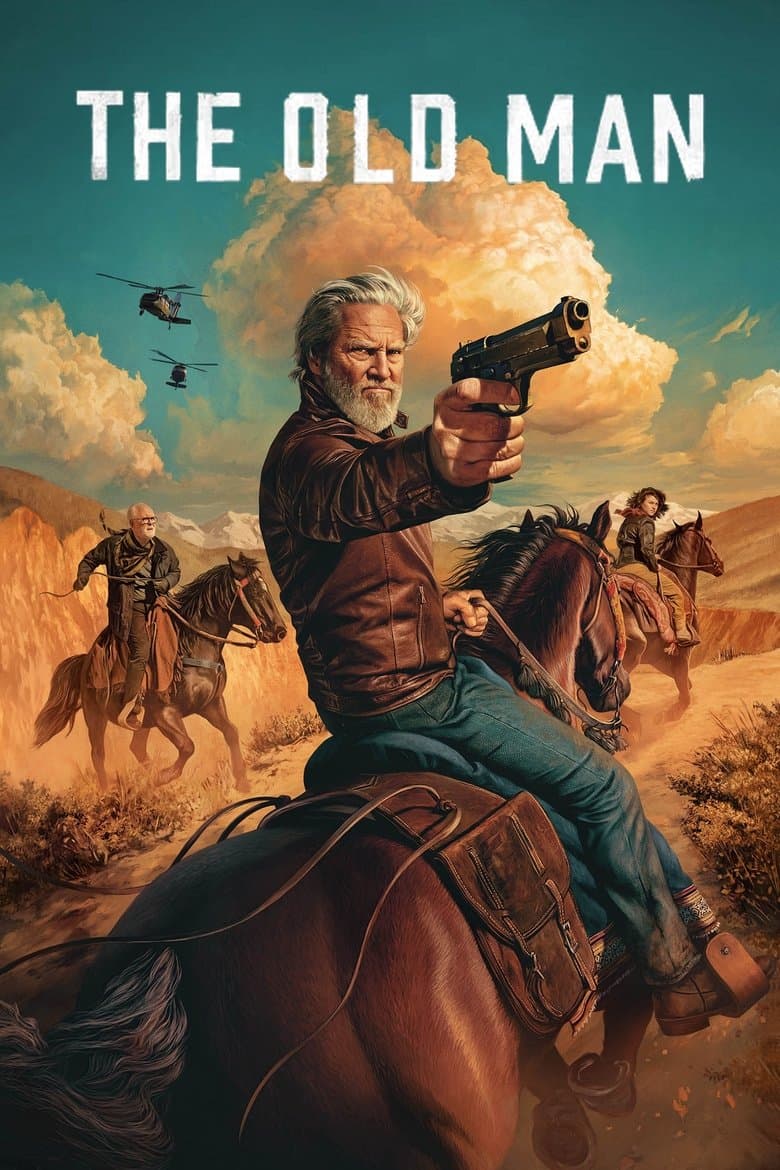
TV Show · 2022
Dan Chase absconded from the CIA decades ago and now lives off the grid. When an assassin arrives and tries to take Chase out, the old operative learns that to ensure his future…
TV Show · 2022
With the aid of unexpected friends, a gifted but introverted student confronts bullies and violent foes — unaware of how dangerous his world will become.
TV Show · 2023
Faced with ruthless foes with a violent thirst, two young boxers band together — risking life and limb to bring justice and protect their loved ones.
TV Show · 2022
Navy SEAL Commander James Reece turns to vengeance as he investigates the mysterious forces behind the murder of his entire platoon.
TV Show · 2016
The story of Mac Conway, a Marine who returns home to Memphis from Vietnam in 1972 and finds himself shunned by those he loves and demonized by the public.
TV Show · 2016
An anthology series which centers on different characters being targeted by crazed serial killer Mick Taylor in the Australian outback.
