Started October 16, 2020 · Ended · Based on 1 season, 9 episodes through October 16, 2020 · TV-MA · 53 min
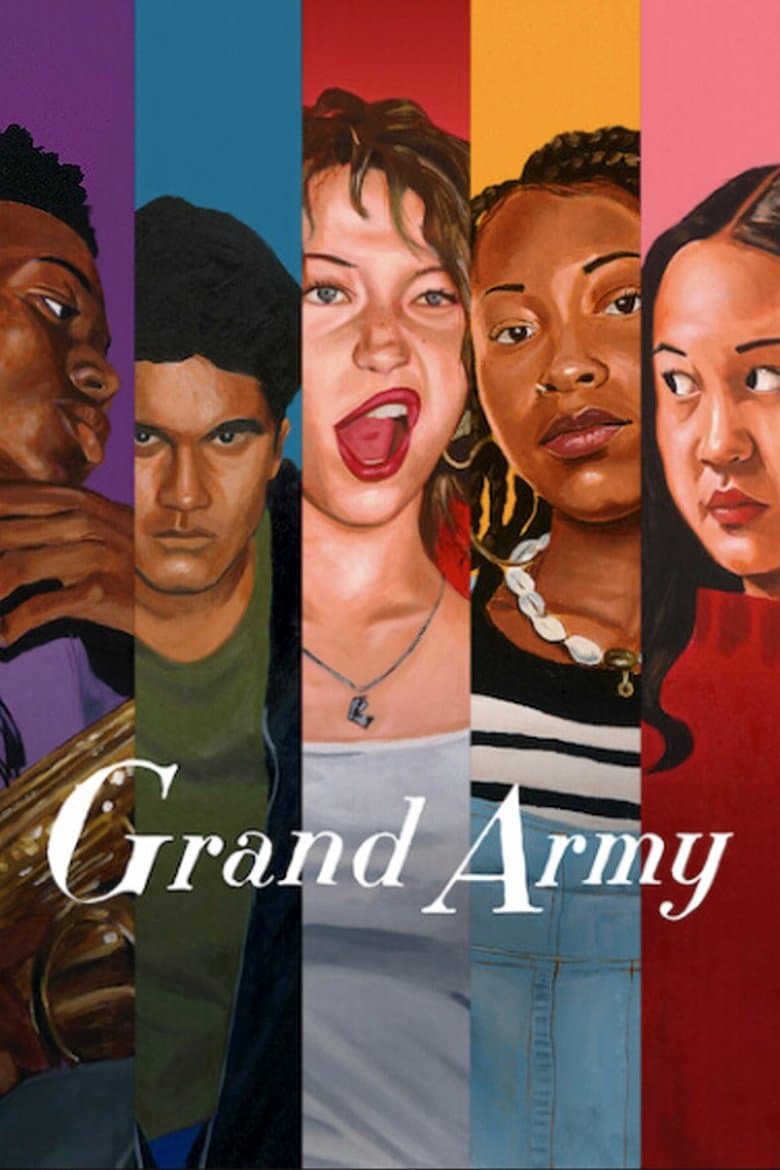
Grand Army follows five students at a large public high school in Brooklyn in 2020. Joey Del Marco is a bold dancer who faces the aftermath of a sexual assault by boys she knows. Dominique Pierre works, plays basketball, and studies while her Haitian family struggles with money. Jayson Jackson, Sid Pakam, and Leila Kwan Zimmer face school punishment, family pressure, racism, sexuality, and the need to belong as their lives cross through a bombing lockdown, a party, and daily fights to be seen. The tone is tense, sad, angry, and sometimes hopeful.
The show makes modern social issues part of nearly every main story, and its characters often argue about what fairness should mean. Joey fights school dress rules and slut-shaming, and she says that white male writers do not speak for everyone. Jayson and Owen challenge unequal school discipline after a prank, while Dom joins a black Student Union protest and speaks about Black mental health. Sid hides his sexuality under pressure from a masculine swim team and a traditional family, then begins a relationship with a boy. Leila's plot explores adoption, Chinese identity, social pressure, and a dangerous need for attention, so the season often presents identity and power as its main subjects.
Community feedback
Was our 83% Woke rating accurate?
Breakdown
These are the editorial factors and ratings behind our score for Grand Army.
Woke representation / casting
The five leads present a very varied group: a white girl, two black students, an Indian American boy, and a Chinese adoptee raised by Jewish parents. Netflix and cast coverage present this mix as a picture of diversity, and the main plots make race, culture, class, and sexuality visible. Brooklyn's large public school makes the mix believable, and each background is tied to the story. The casting therefore shows a clear identity focus but not a strong story-world mismatch.
35%
Woke political dialogue
Joey argues against school dress rules and slut-shaming. Joey also says that white male writers do not speak for everyone. Jayson and John challenge the school's unequal punishment as a racial problem. Dom links Black mental health care to the needs of black communities. These points return across the season and end in a black Student Union sit-in and a public protest.
62%
Identity-driven story themes
Joey's main arc centers on female sexual agency, rape culture, victim blaming, and recovery after assault. Sid's main arc centers on hiding his sexuality while facing pressure about masculinity, family, and race. Dom's story ties poverty, black identity, family duty, and career goals together. Leila's story ties adoption, Chinese identity, belonging, sexual pressure, and online attention to a darker path. These identity-driven themes fill most episodes and shape the main character arcs.
68%
Western institutional / cultural critique
The school punishes Jayson and Owen under a zero-tolerance system that the show presents as unequal for black students. Jayson and John challenge the school through student organizing and the black Student Union. Joey's friends show male entitlement through sexual pressure, racist jokes, and an assault that the school and police fail to resolve. Joey's father pressures her clothing choices, and Dom's family expects her to carry adult financial duties. The season treats these systems as problems that students must resist.
58%
Woke character or canon changes
Grand Army expands Cappiello's play Slut, which focused mainly on Joey and the aftermath of her rape. The TV version adds four central students whose stories focus on race, poverty, homophobia, immigration, and class. This is a notable identity-focused expansion of the source material. The source is a small stage work, so this change is important but limited to the adaptation.
25%
Anti-woke backlash and complaints
A few small X accounts called the show a woke version of Euphoria or said it pushed one agenda after another. The reported posts had little engagement and did not grow into a major campaign. No large right-leaning outlet, boycott, review-bombing effort, or coordinated anti-woke protest appeared in the reviewed coverage.
12%
Creator track record context
Katie Cappiello has a strong feminist and activist record. Her theater and youth work addresses sexism, sexual violence, slut-shaming, trafficking, consent, and survivor stories. Those subjects closely match Grand Army's rape, feminism, and identity storylines. The other producers have mostly mild or neutral public records, so Cappiello drives most of this factor.
74%
Production
TV Show · 2019
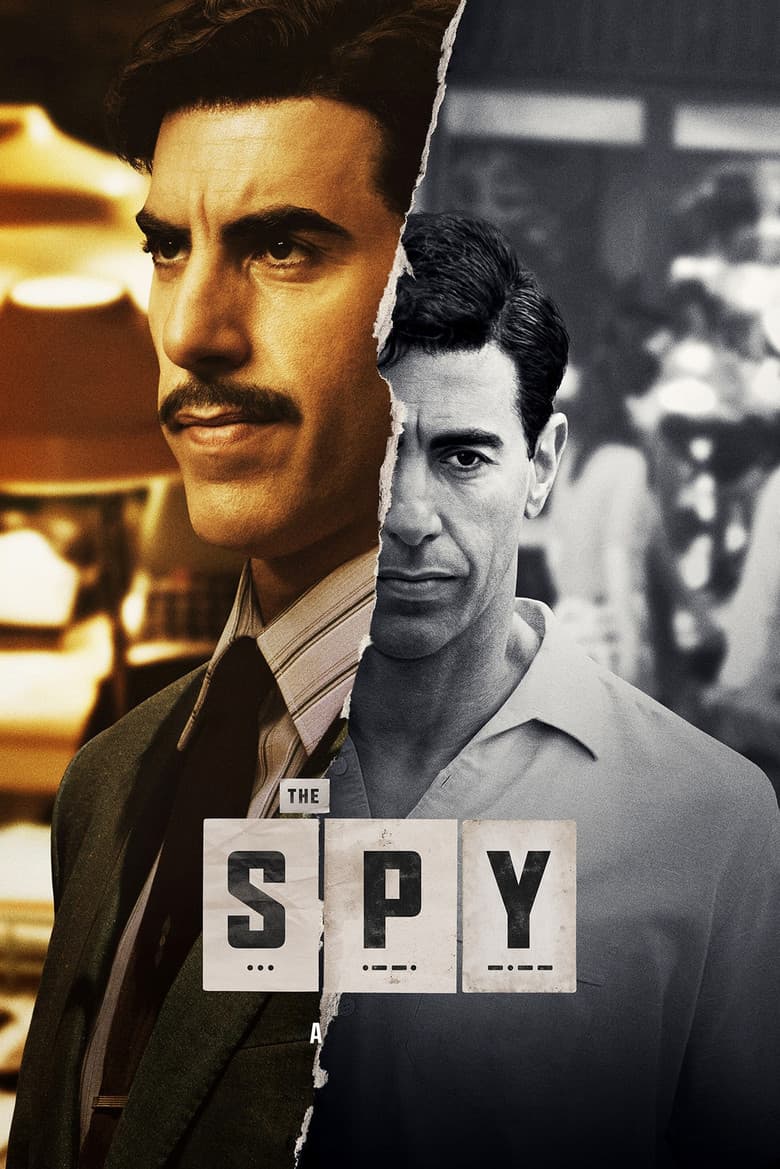
In the 1960s, Israeli clerk-turned-secret agent Eli Cohen goes deep undercover inside Syria on a perilous, years-long mission to spy for Mossad.
TV Show · 2019
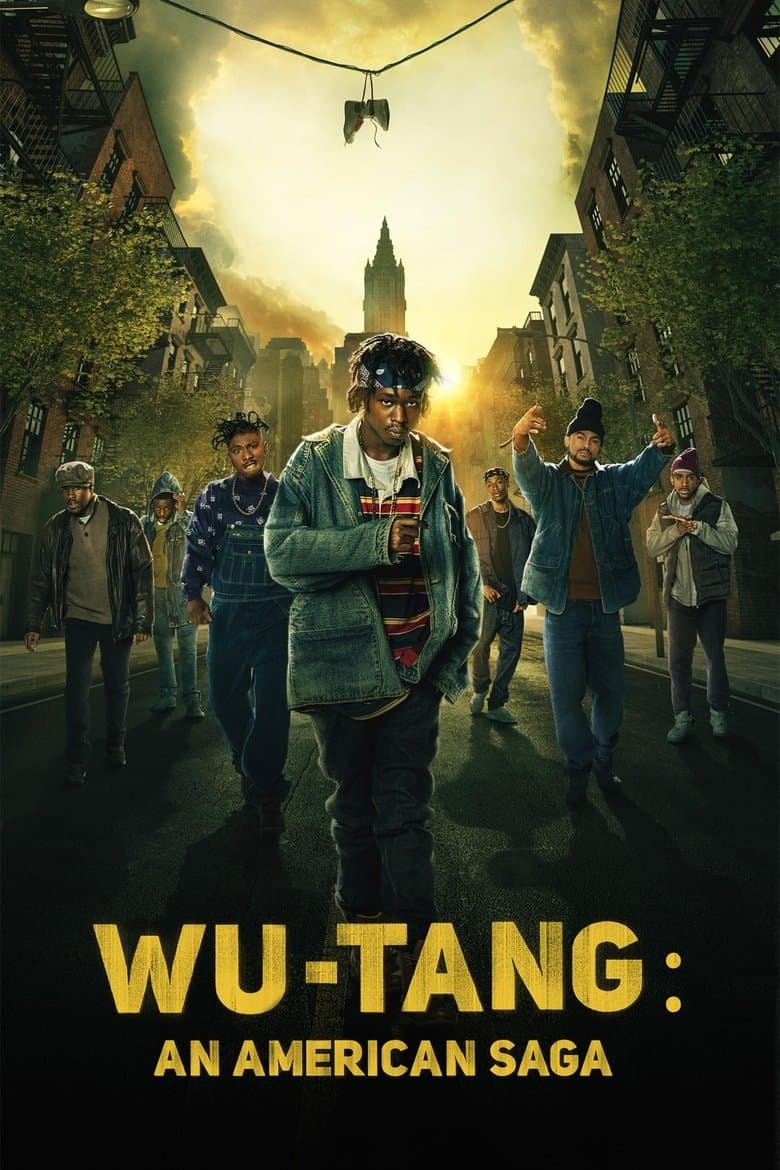
In the early 1990s in New York, during the height of the crack cocaine epidemic, a visionary musician named Bobby Diggs aka The RZA begins to form a super group of a dozen young…
TV Show · 2020
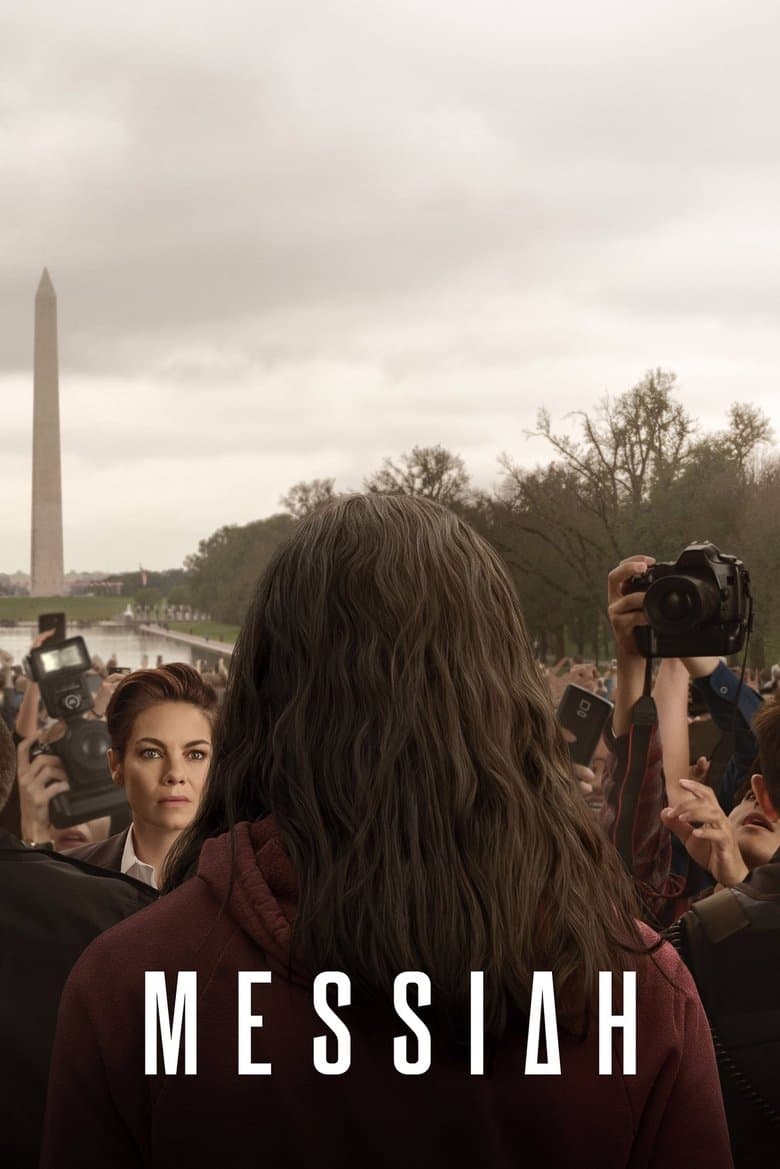
A wary CIA officer investigates a charismatic man who sparks a spiritual movement and stirs political unrest. Who exactly is he? And what does he want?
TV Show · 2024
The true story of one Jewish family separated at the start of World War II, determined to survive—and to reunite.
TV Show · 2021
Follow the Dutton family as they embark on a journey west through the Great Plains toward the last bastion of untamed America.
TV Show · 2019
The true story of one of the worst man-made catastrophes in history: the catastrophic nuclear accident at Chernobyl.
TV Show · 2026
Rip Wheeler and Beth Dutton gamble everything on a new life in South Texas, but the promise of building a future far from the ghosts of Yellowstone quickly collides with brutal…
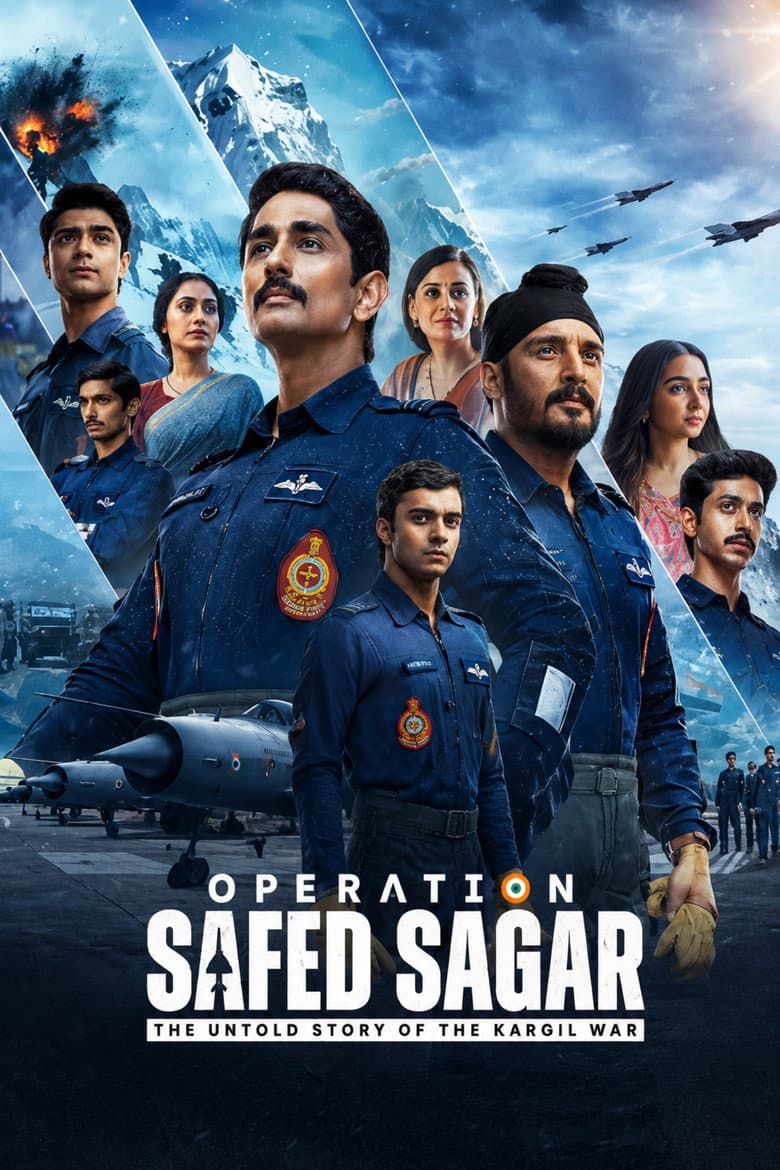
TV Show · 2026
As the Kargil War erupts between India and Pakistan, the Golden Arrows squadron of the Air Force takes flight on a dangerous mission behind enemy lines.
