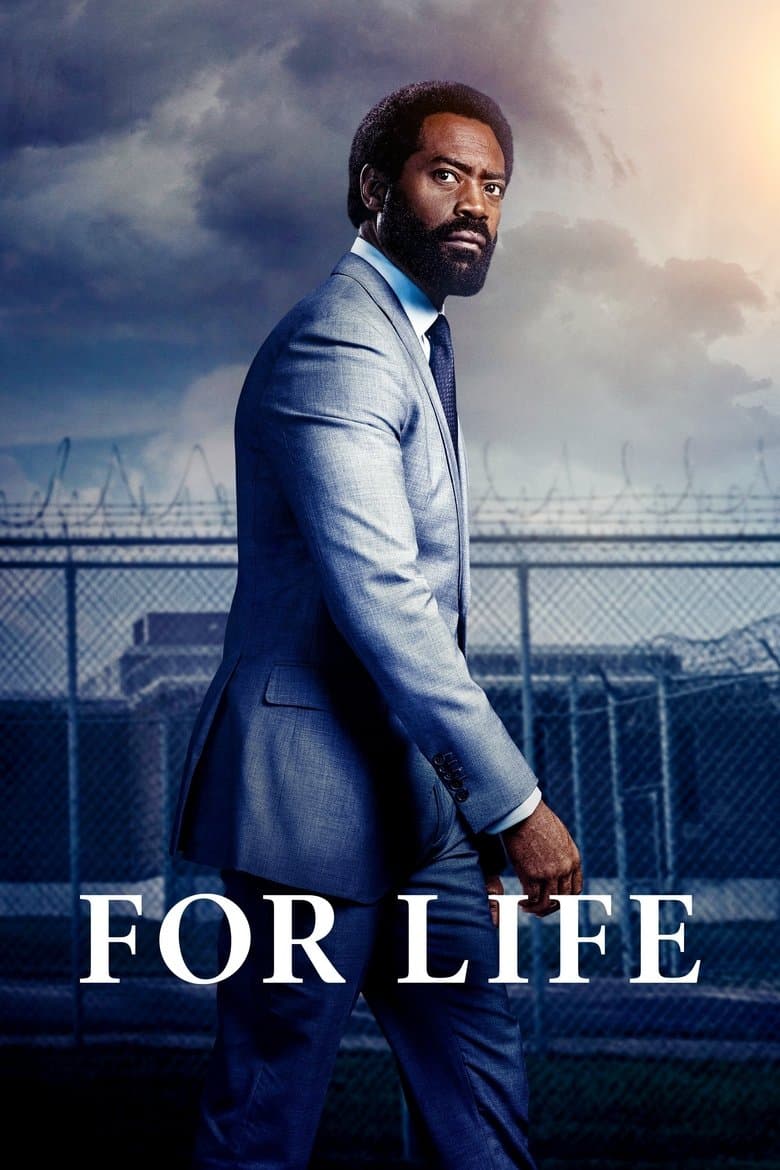
Started February 11, 2020 · Canceled · Based on 2 seasons, 23 episodes through February 24, 2021 · TV-14 · 43 min
For Life follows Aaron Wallace, a black club owner who goes to prison for a crime he did not commit. He studies law behind bars and helps other prisoners fight their cases. He also works to clear his own name and return to his wife and children. The show mixes courtroom drama, prison stories, family problems, and serious social issues.
The show gives strong attention to race and unfair treatment in the legal system. Season two adds stories about Black Lives Matter, police shootings, deportation, COVID-19, and police corruption. Several major characters are black, and the show includes a gay male prisoner and a lesbian prison warden with a wife. These ideas matter more in season two, when current events become a main part of the story.
Community feedback
Was our 83% Woke rating accurate?
Breakdown
These are the editorial factors and ratings behind our score for For Life.
Woke representation / casting
The show places a black man at the center of a major legal and prison drama. The cast also gives important roles to black lawyers, prisoners, family members, and a black female prison warden. The show includes a gay male prisoner and a lesbian warden with a wife. The setting supports much of this cast, but the repeated focus on black identity and minority-led justice stories makes representation clearly visible.
38%
Woke political dialogue
The characters directly discuss Black Lives Matter, police brutality, racial injustice, and the George Floyd protests. Aaron tells a wounded black man that “we exist” after the man asks why some people want to destroy them. The show uses words about genocide and systemic discrimination. Season two makes these political ideas a major part of the dialogue.
72%
Identity-driven story themes
The story presents racial identity as central to how black characters experience police and courts. Season two follows an unarmed black man who is shot by police and later makes Aaron prosecute the officer. The show also links race to prison abuse, deportation, and unfair treatment. The gay and lesbian characters add a smaller but confirmed LGBTQ+ theme.
68%
Western institutional / cultural critique
The show presents prisons, prosecutors, police, and courts as systems that often harm poor and minority people. Season two adds claims of police cover-ups and deep racial unfairness. The story asks viewers to distrust parts of the justice system and support reform. The criticism is aimed at modern American institutions, not just one bad person.
70%
Woke character or canon changes
Not present in this title.
0%
Anti-woke backlash and complaints
Some viewers said season two replaced the legal story with political speeches about George Floyd, COVID-19, and racial conflict. NewsBusters called the police-shooting story BLM propaganda and accused the show of changing the Jacob Blake case to fit a message. Rotten Tomatoes viewers also said the show became too political. The complaints were noticeable but came from a limited group.
58%
Creator track record context
Hank Steinberg has no strong activist record in the cached research. The writing team has mostly low scores, with mild links to criminal-justice reform and black history. Darnell Martin and George Tillman Jr. have stronger links to black representation and racial themes. The wider creator record supports a moderate score rather than a high one.
27%
Production
TV Show · 2019
Erica Shepherd is a brilliant former CIA operative, now known as the most notorious traitor in American history serving life in a Supermax prison.
TV Show · 2019
Loosely based on infamous crime boss Bumpy Johnson, who in the early 1960s returned from ten years in prison to find the neighborhood he once ruled in shambles.
TV Show · 2020
Picking up just days after the “Power” finale, this sequel series follows Tariq navigating his new life, in which his desire to shed his father’s legacy comes up against the…
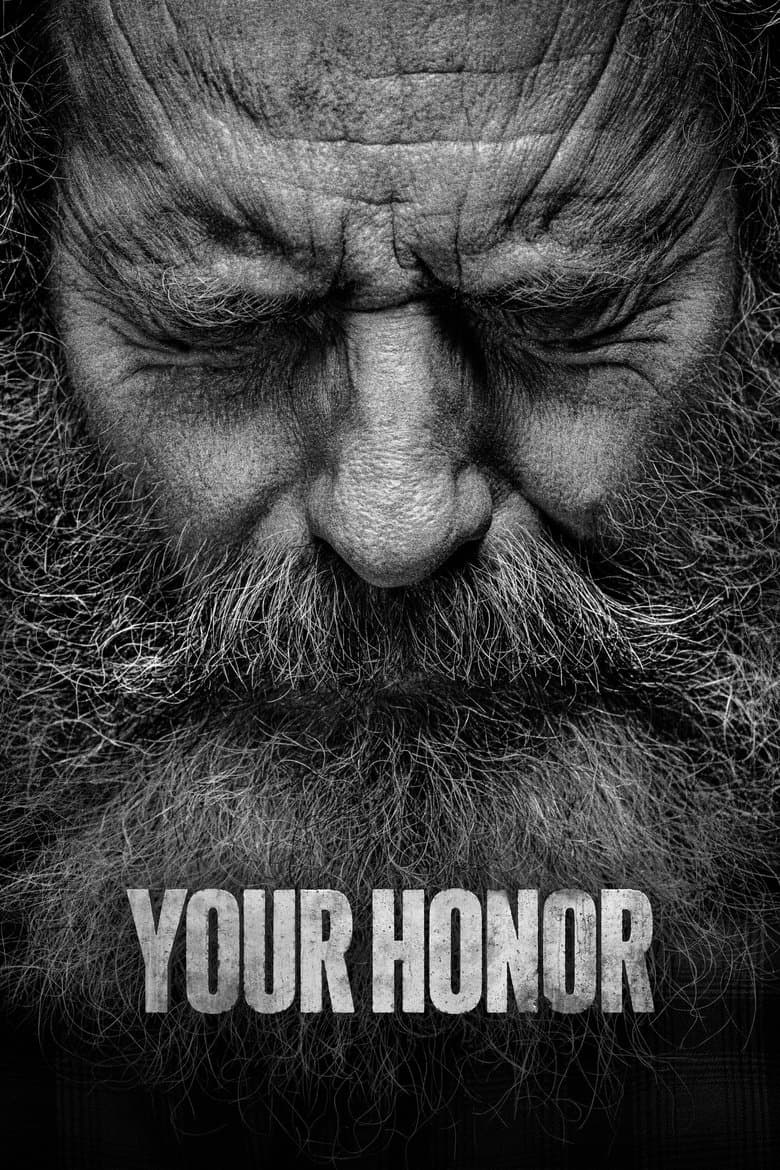
TV Show · 2020
New Orleans judge Michael Desiato is forced to confront his own deepest convictions when his son is involved in a hit and run that embroils an organized crime family.
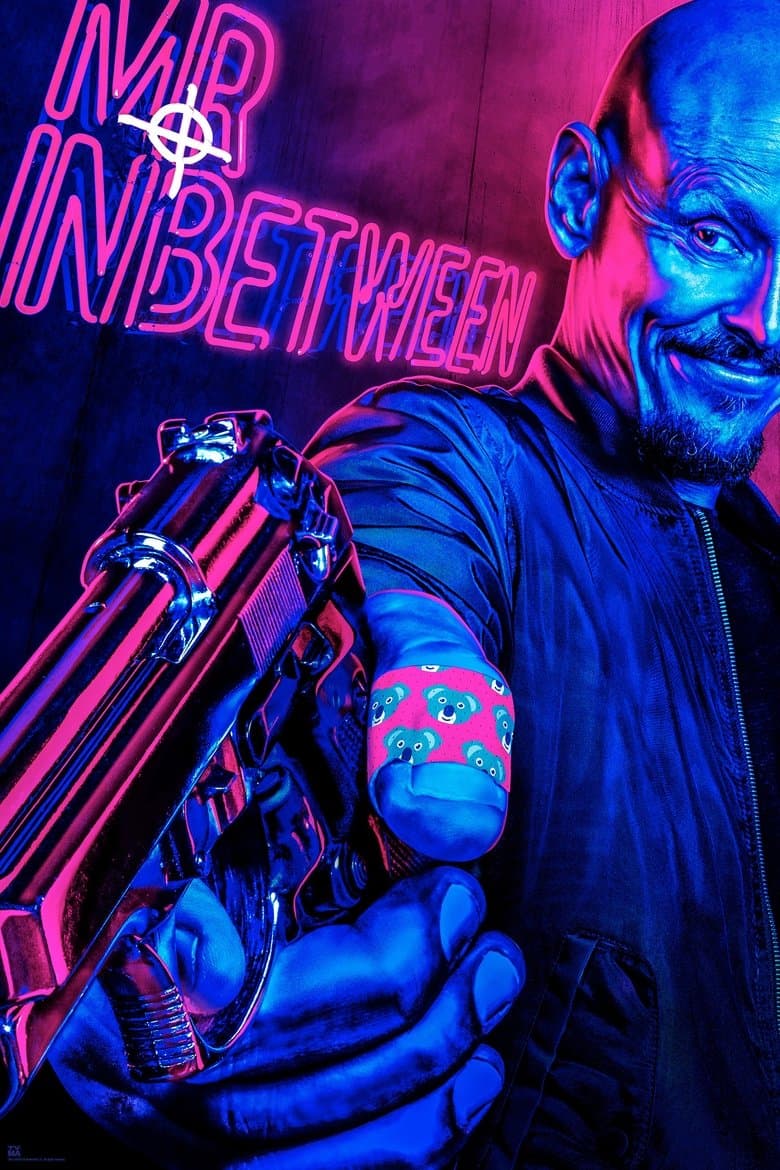
TV Show · 2018
Ray Shoesmith is a father, ex-husband, boyfriend and best friend: tough roles to juggle in the modern age. Even harder when you’re a criminal for hire.
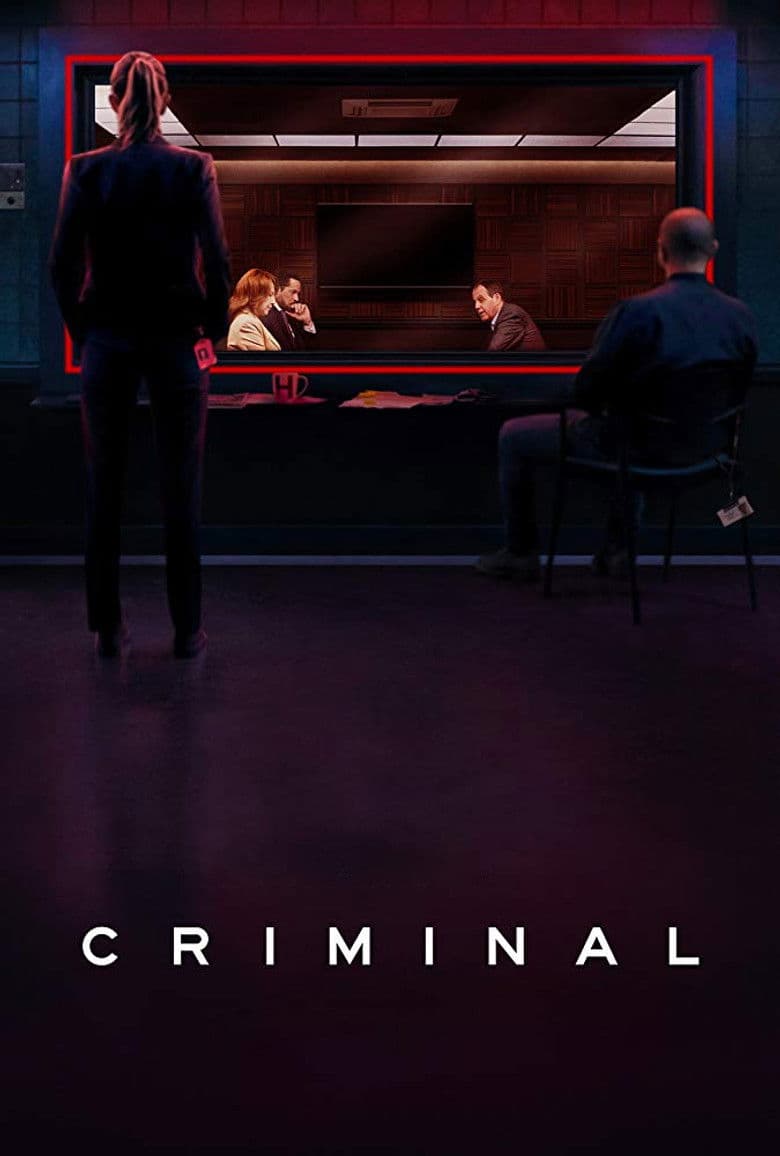
TV Show · 2019
Within the walls of an interrogation room, London investigators question suspects accused of grievous crimes until the truth comes to light.
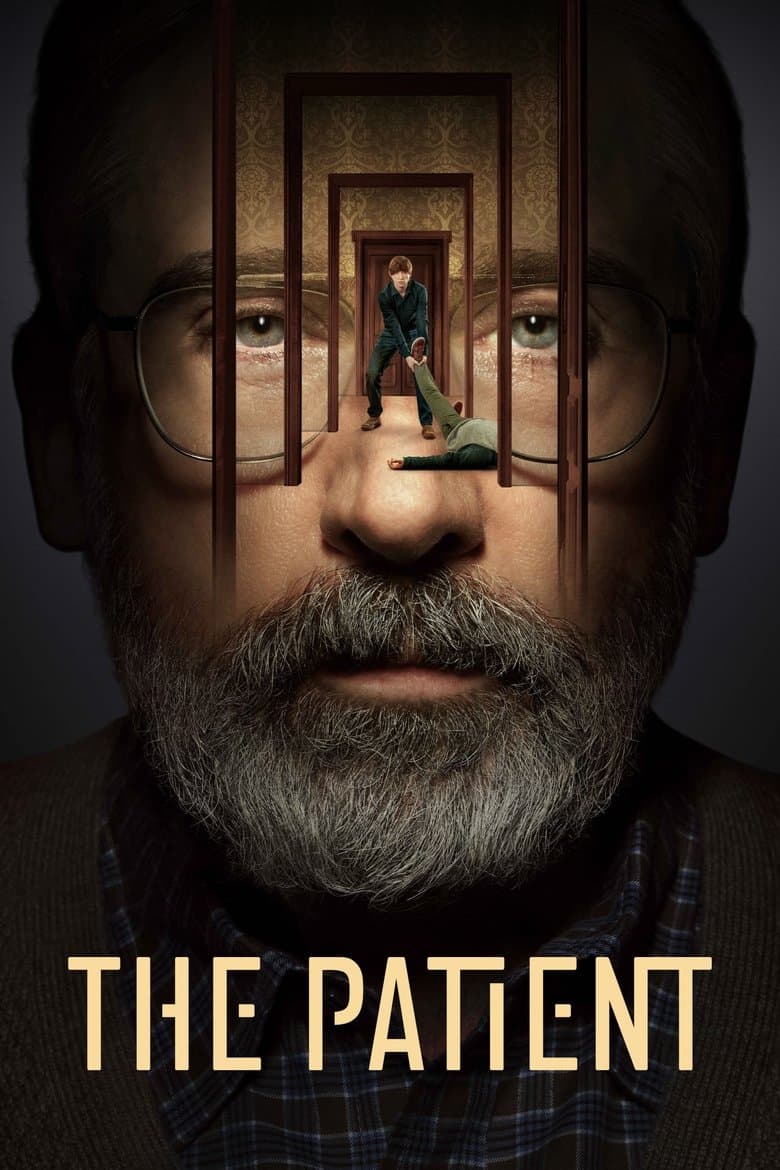
TV Show · 2022
A psychotherapist finds himself held prisoner by a serial killer with an unusual request: curb his homicidal urges.
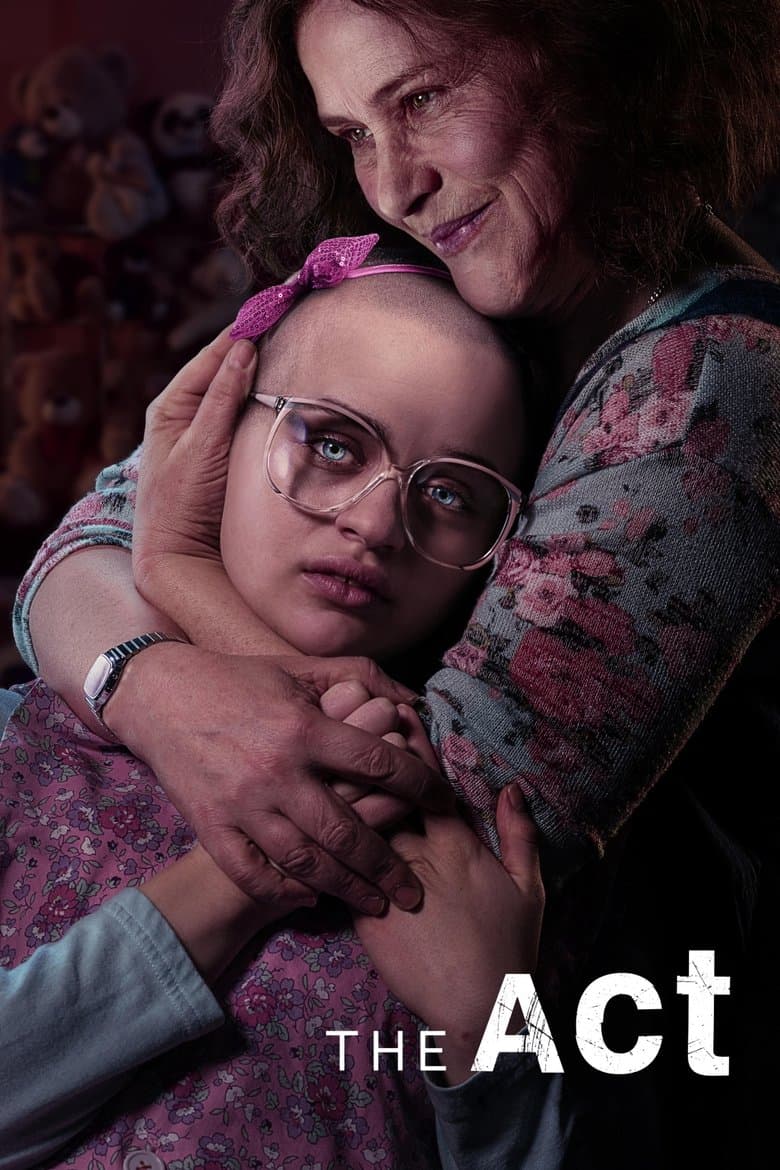
TV Show · 2019
Gypsy Blanchard struggles to deal with the toxic relationship with her overprotective mother, but her attempts to free herself lead to murder.
