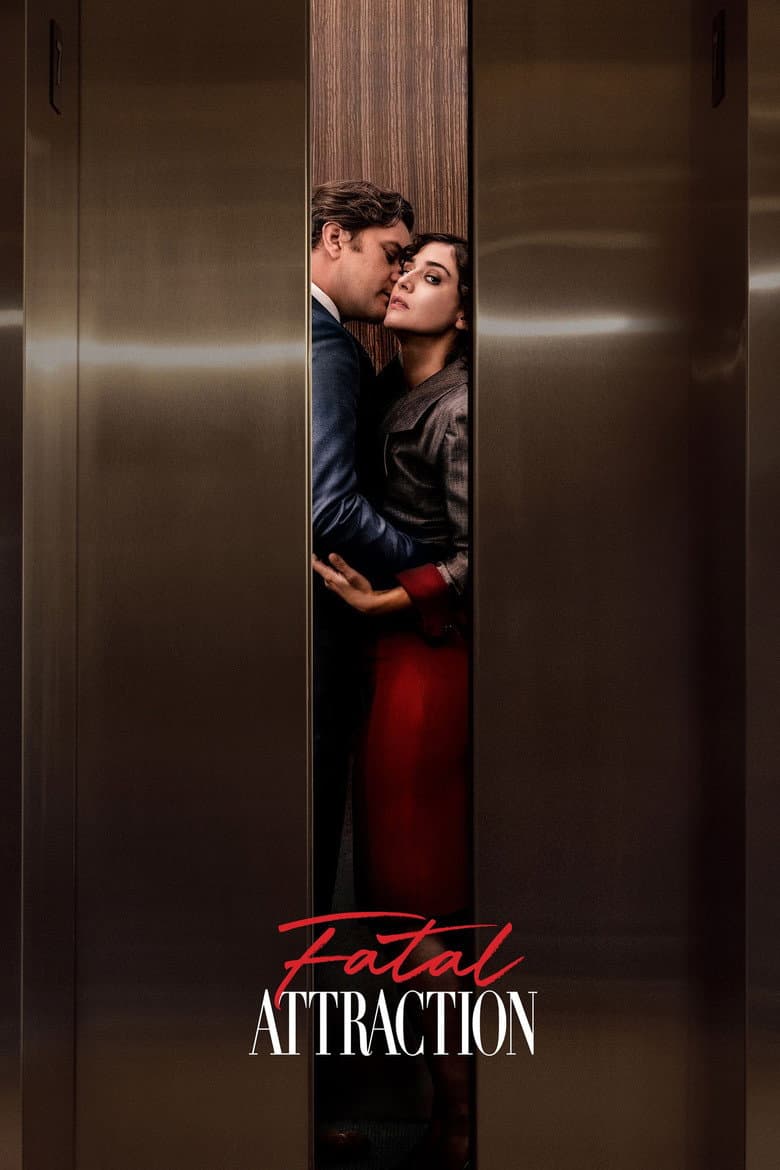
Started April 30, 2023 · Canceled · Based on 1 season, 8 episodes through May 28, 2023 · TV-MA
Fatal Attraction follows Dan Gallagher, a successful Los Angeles prosecutor whose marriage and career look safe until he has an affair with Alex Forrest, a new worker in his office. When Dan tries to end the affair, Alex turns against him and his family. The story moves between 2008, when the affair begins, and 2023, when Dan leaves prison after serving 15 years for Alex’s murder. The tone mixes a tense relationship thriller with a murder mystery and family drama. The show gives Alex, Beth, and their daughter Ellen more space than the 1987 film. It links Alex’s stalking and violence to childhood abuse, therapy, and mental illness. It presents Dan as a privileged man who uses his work power, lies to protect himself, and faces the long cost of his choices. Beth runs her own business, and Ellen studies psychology before the finale suggests that Alex’s advice has shaped Ellen’s own obsessive behavior.
Community feedback
Was our 64% Woke rating accurate?
Breakdown
These are the editorial factors and ratings behind our score for Fatal Attraction.
Woke representation / casting
The show places black actors in several visible legal and police jobs within a mostly white lead story. Toks Olagundoye plays Conchita Lewis, a black woman who leads Victim Services, and Reno Wilson plays Detective Earl Booker. The modern Los Angeles setting makes these choices plausible, but the repeated pattern in important authority roles gives a mild representation signal.
20%
Woke political dialogue
The courtroom prosecution calls Dan an entitled man whose influential judge father opened doors for him. The case says men of privilege use their power to have affairs with women who work for them. Other scenes show a workplace complaint against Dan and the legal cost of his lies. The language is clearest in the trial rather than spread through every episode.
32%
Identity-driven story themes
The season repeatedly asks viewers to see Alex as more than a monster. It connects her stalking and violence to childhood abuse, abandonment, therapy, and mental illness. The show gives Beth her own business and gives Ellen a therapy and psychology story about the damage caused by her parents. The message is mixed because Alex still hurts people, Arthur kills her, and the finale turns Ellen’s trauma into another stalking setup.
55%
Western institutional / cultural critique
The show presents Dan as a well-connected prosecutor whose judge father helped him enter the job. The trial describes him as entitled and privileged, and the story focuses on the power gap between a senior prosecutor and a Victim Services worker. His career helps him escape an early drunk-driving problem, while his affair and lies later destroy his life. The critique stays tied to this family and office.
48%
Woke character or canon changes
The 1987 film mostly followed Dan and treated Alex as the threat. The series adds Alex’s family history, her work in Victim Services, Beth’s business, and Ellen’s adult life. It retells key events from Alex’s, Beth’s, and Ellen’s viewpoints and makes Dan face prison and a long effort to clear his name. These changes make female experience, mental health, and male privilege central to the remake.
45%
Anti-woke backlash and complaints
The Daily Mail billed the remake as a “woke” makeover and questioned whether the famous bunny-boiler scene would be removed. Hollywood Elsewhere also described it as a woke #MeToo story, while small X accounts repeated similar complaints. Tiny accounts also copied Joshua Jackson’s “white man freakout” comments about privilege. No boycott, review-bombing, or large campaign appeared, so the anti-woke backlash stayed fringe.
24%
Creator track record context
The key creative people have mostly low woke scores, from 0 to 35. Pete Chatmon is highest at 35 because of diversity directing programs and work with Black casts. Alexandra Cunningham is 22, while the other directors, writers, and producers are mostly 0 to 22. Title interviews show a clear interest in female viewpoints, therapy, mental health, and privilege, but the wider records do not show strong activism.
20%
Production
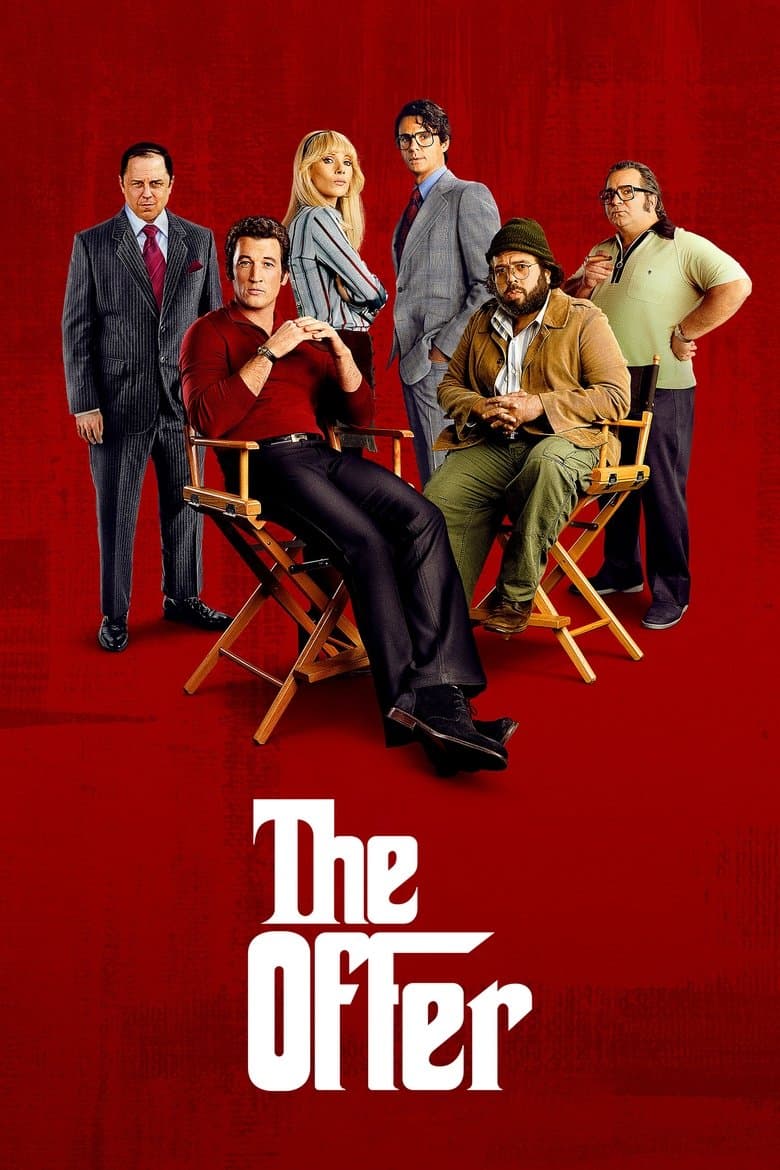
TV Show · 2022
Oscar-winning producer Al Ruddy’s never before revealed experiences of making the iconic 1972 film The Godfather that Francis Ford Coppola directed and adapted with Mario Puzo.

TV Show · 2022
This sweeping saga chronicles the hopes and dreams of a Korean immigrant family across four generations as they leave their homeland in an indomitable quest to survive and thrive.
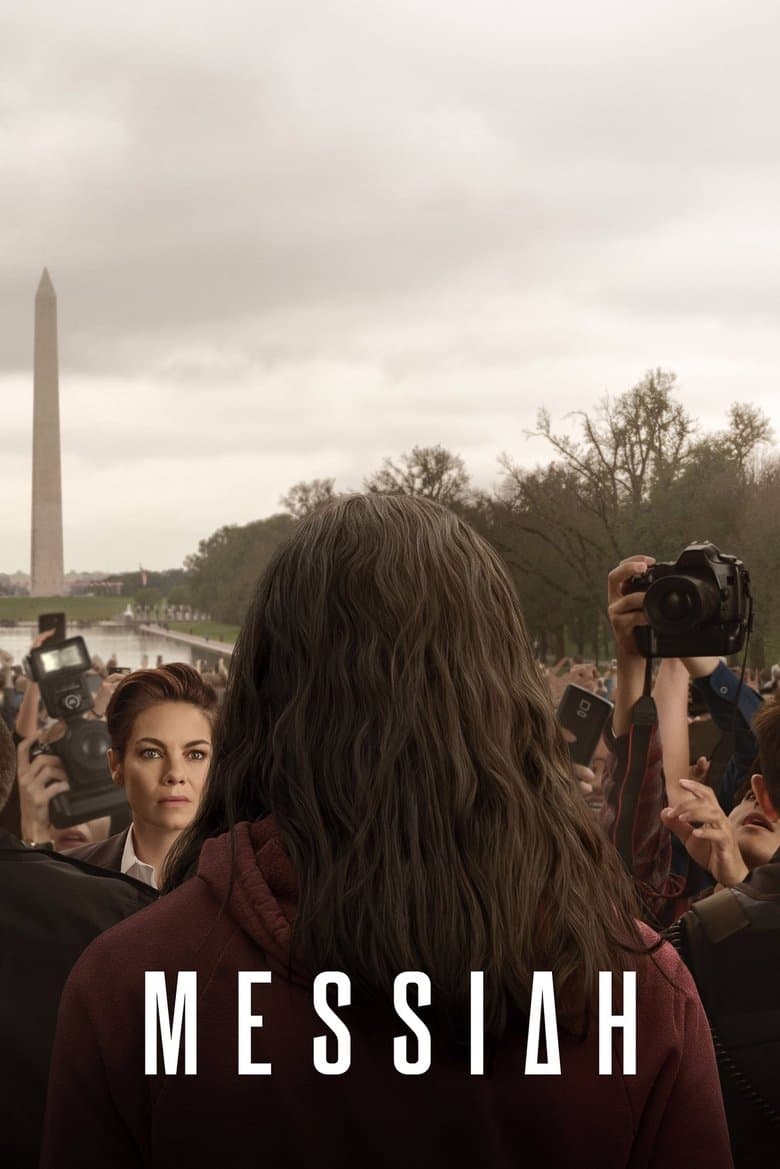
TV Show · 2020
A wary CIA officer investigates a charismatic man who sparks a spiritual movement and stirs political unrest. Who exactly is he? And what does he want?
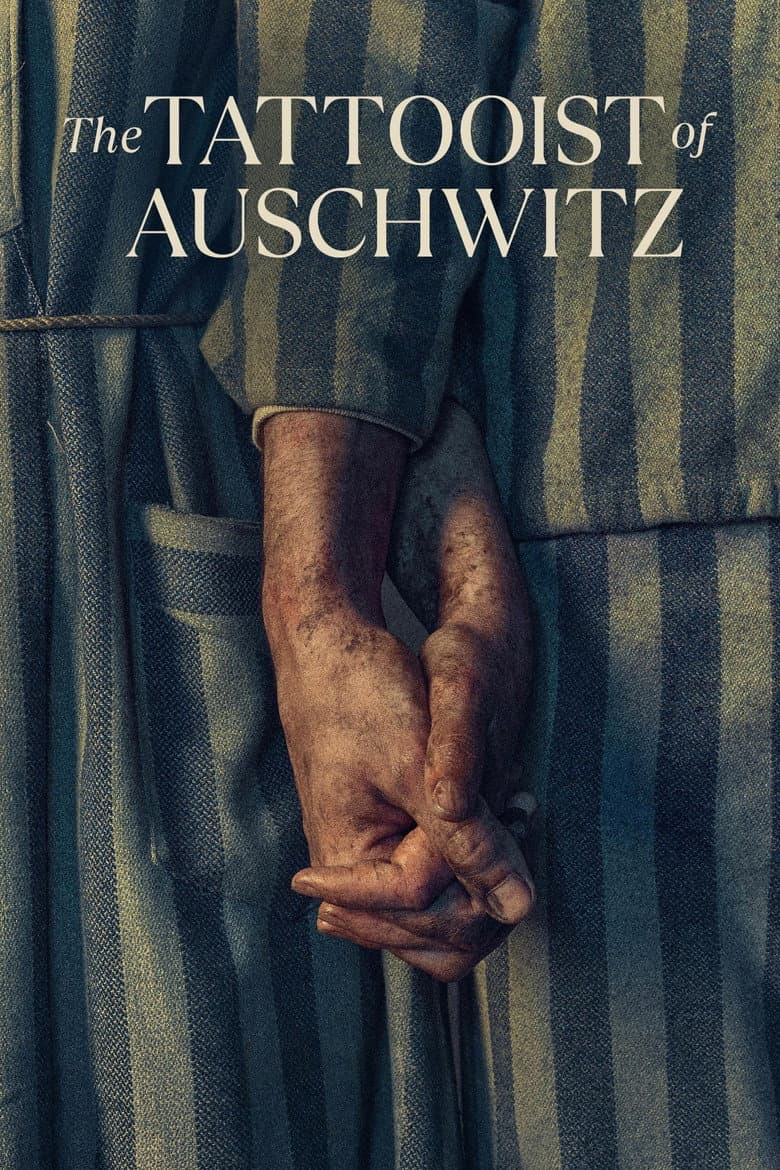
TV Show · 2024
The powerful real-life story of Lali Sokolov, a Jewish prisoner who was tasked with tattooing ID numbers on prisoners' arms in the Auschwitz-Birkenau concentration camp during…
TV Show · 2024
The true story of one Jewish family separated at the start of World War II, determined to survive—and to reunite.

TV Show · 2026
The Clyburns uproot their comfortable New York City lives to the wild, untamed beauty of Montana's Madison River Valley on a search for connection.

TV Show · 2025
Tells the story of the ascent of the biblical figure, David, who becomes the most celebrated king of Israel. The series follows the once-mighty King Saul as he falls victim to his…
TV Show · 2021
Follow the Dutton family as they embark on a journey west through the Great Plains toward the last bastion of untamed America.
