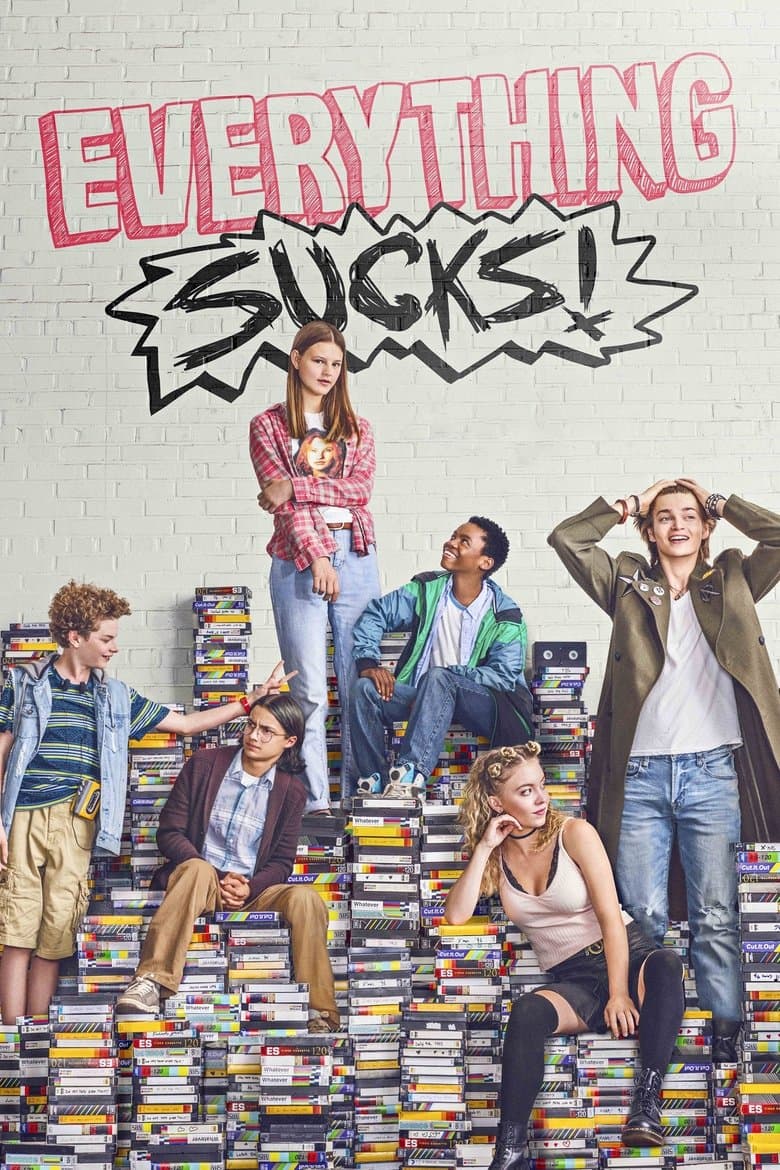
Started February 16, 2018 · Canceled · Based on 1 season, 10 episodes through February 16, 2018 · TV-14
Everything Sucks! follows Luke O’Neil and Kate Messner during the 1996 school year in Boring, Oregon. Luke joins the A/V Club with McQuaid and Tyler, while Emaline and Oliver take part in the Drama Club. The two groups make a cheap science fiction movie after school rivalries bring them together. Luke pursues Kate while Kate tries to understand her feelings. The adults deal with broken families and new romance as the students face awkward jokes, sadness, and strong 1990s nostalgia.
Kate’s attraction to Emaline and her coming out are the clearest woke elements in the season. Kate’s lesbian identity becomes a major emotional story, and the season ends with Kate and Emaline kissing after Kate begins accepting herself. The show also centers a black boy and a queer girl, while Luke’s Black mother dates Kate’s white father. Some scenes question Luke’s pushy pursuit of Kate and the idea that boys must always act tough. The season has no repeated political speeches, activist campaign, or broad attack on churches or capitalism.
Community feedback
Was our 62% Woke rating accurate?
Breakdown
These are the editorial factors and ratings behind our score for Everything Sucks!.
Woke representation / casting
The show centers Luke, a black freshman, and his Black mother, Sherry, in a small Oregon town set in 1996. The creators said they wanted Luke to be a person of color because they did not see enough such characters on screen. The adults also include Sherry’s mixed-race romance with Kate’s white father. Most students are white, and race is not a main conflict, so the identity signal is clear but not dominant.
40%
Woke political dialogue
Not present. The students discuss dating, family, sex, and sexuality, but they do not give repeated political or activist speeches.
0%
Identity-driven story themes
Kate spends much of the season questioning whether she likes boys or girls. Her attraction to Emaline becomes a continuing story across the school, the Tori Amos concert, and the homemade movie. The finale ends with Kate and Emaline kissing, while Kate keeps deciding when to tell her father. The show also connects the story to acceptance and the need for boys to show feelings, making identity and sexuality a major part of the season.
76%
Western institutional / cultural critique
Luke makes a public and pushy move to win Kate. Later scenes give more weight to Kate’s choice and agency. The show also lets Luke admit fear and sadness instead of making him act tough all the time. The story does not broadly attack men, parents, churches, capitalism, or other Western institutions.
24%
Woke character or canon changes
Not relevant. The show is an original story, so it does not change an existing character, canon, or real historical figure.
0%
Anti-woke backlash and complaints
A small X account said it canceled Netflix because the show “pushed gay kids.” The post had about one like, and no large anti-woke pile-on, review-bombing, boycott, or right-wing campaign appeared. Most public talk praised the lesbian storyline or mourned the show’s cancellation. The complaint is therefore fringe rather than a major controversy.
12%
Creator track record context
Michael Mohan has a recorded score of 37/100, while Ben York Jones is 0/100. Director Ry Russo-Young has 69/100 because of her LGBTQ family history and documentary work about LGBTQ family rights. Writer Sean Cummings has 39/100 for queer-inclusive television work, while the other listed creators are low or near zero. This gives the show moderate supporting context, but the creator record is mixed rather than uniformly activist.
40%
Production
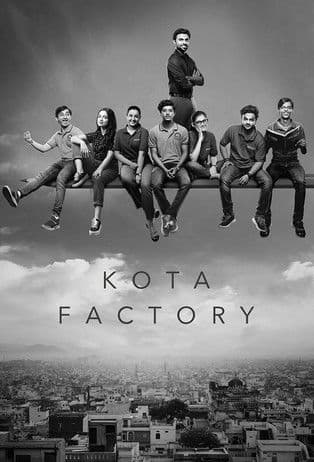
TV Show · 2019
In a city of coaching centers known to train India’s finest collegiate minds, an earnest but unexceptional student and his friends navigate campus life.

TV Show · 2022
In disguise as her friend, Ha-ri shows up to a blind date to scare him away. But plans go awry when he turns out to be her CEO — and makes a proposal.
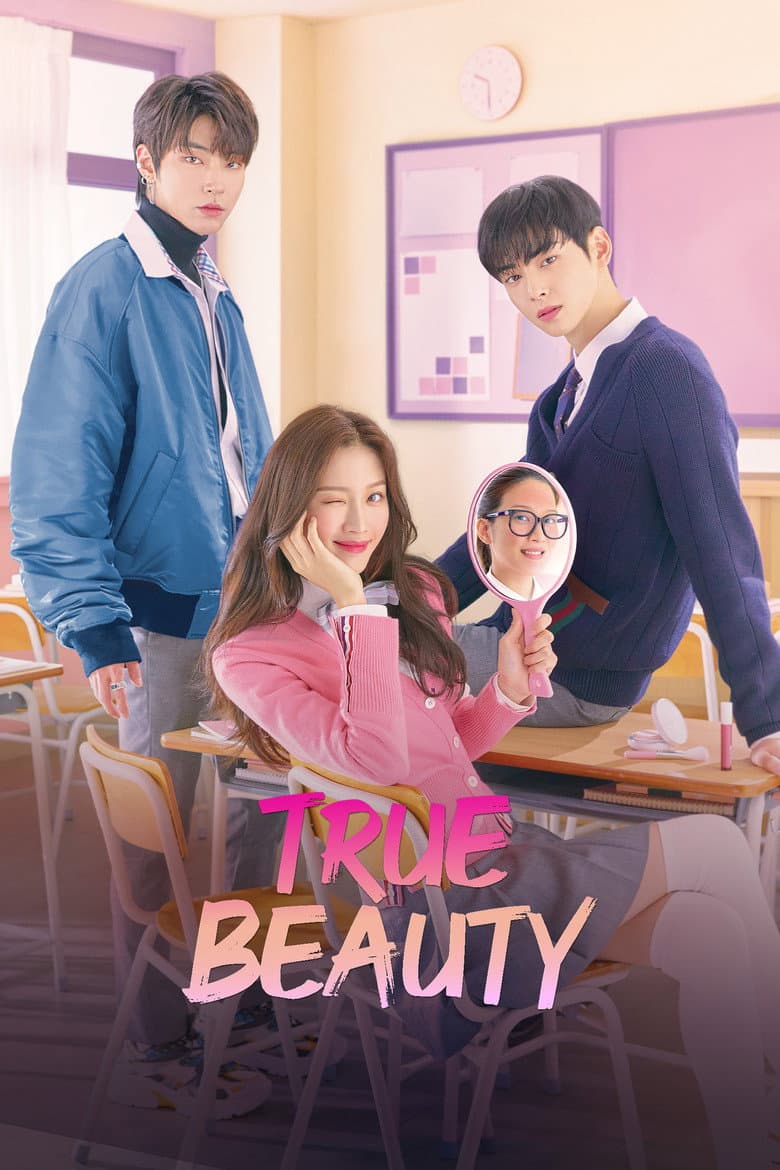
TV Show · 2020
After being bullied and discriminated because of her ugly looks, a high school girl transforms herself into a gorgeous "goddess" and quickly rises to fame after mastering the art…
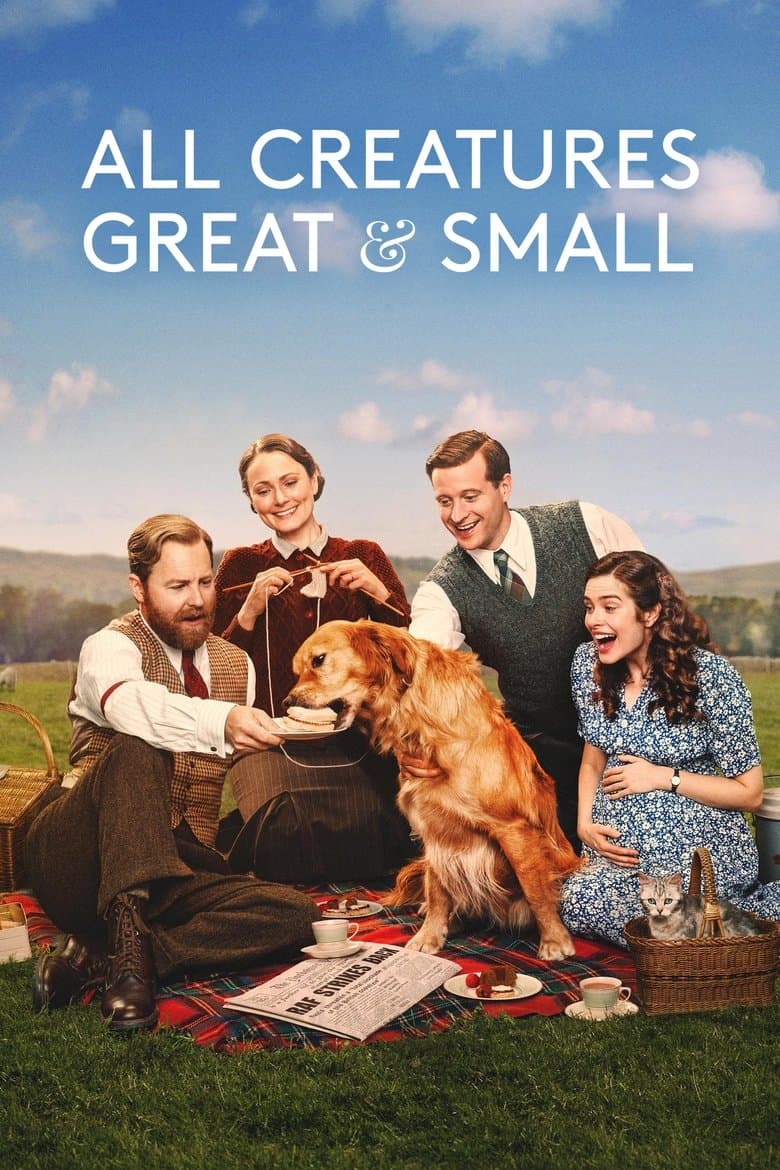
TV Show · 2020
The heartwarming and humorous adventures of a young country vet in the Yorkshire Dales in the 1930s. A remake of the 1978 series.
TV Show · 2018
When his secretary unexpectedly quits, an arrogant executive will do anything to bring her back.
TV Show · 2016
In his funky California beach enclave, Chip's the go-to guy for personal insights. But he isn't quite as enlightened when it comes to his own baggage.

TV Show · 2016
After being pulled into the webtoon world created by her father, a surgical resident gets entangled in a murder mystery involving the story's hero.

TV Show · 2016
Rebellious Mickey and good-natured Gus navigate the thrills and agonies of modern relationships.
