
Started September 26, 2024 · Canceled · Based on 1 season, 18 episodes through May 15, 2025 · TV-14
Doctor Odyssey follows Max Bankman, a skilled doctor who joins the medical team on a luxury cruise ship. He works with Avery Morgan and Tristan Silva while Captain Massey runs the ship and tries to keep every guest safe. Each week brings a new themed cruise and a strange medical emergency, from infections and overdoses to shark bites and a tsunami. The show uses bright sets, big emotions, romance, and wild humor, so it feels more like a shiny soap opera than a serious hospital drama. The main social message comes from the team's shifting love life. Max, Avery, and Tristan move from a love triangle to a sexual relationship involving all three, and Avery's pregnancy scare keeps that conflict going for much of the season. A Gay Week episode features a gay throuple, while later episodes defend polyamory, sexual freedom, and a woman's right to choose her path. The finale pairs Avery with Max, but the season repeatedly presents relationships outside the usual couple as possible and worth respecting.
Community feedback
Was our 76% Woke rating accurate?
Breakdown
These are the editorial factors and ratings behind our score for Doctor Odyssey.
Woke representation / casting
The main team includes an Asian-American woman, a Latino-Welsh man, and two white men. The woman is a nurse practitioner and one of the team's strongest medical workers. The show presents the cruise as a modern international workplace, so the mix does not look out of place. The pattern gives representation a visible place in important roles, but it is not a dominant or clearly engineered design.
27%
Woke political dialogue
The show uses direct lines about new sexual freedom, changing pronouns, and acceptance of polyamory. Captain Massey says that different kinds of love should be celebrated and asks whether one person can meet every need. Episode 16 contrasts trad wives with a sex-positive group and calls the traditional role unmodern. The finale tells Avery to choose herself, so this message appears in several important episodes without taking over every episode.
53%
Identity-driven story themes
The main trio's relationship starts as a love triangle and becomes a three-person sexual relationship. The show then adds a Gay Week cruise, a gay throuple, open talk about polyamory, and a sex-positive group. Avery's choices about sex, pregnancy, medical school, and love drive much of the season. The finale chooses an exclusive couple, but the season repeatedly treats nontraditional relationships as valid and worth respecting.
68%
Western institutional / cultural critique
Episode 3 mocks the plastic surgery industry for exploiting people who pay for its services. Episode 6 calls traditional wedding rituals old and says they are driven by money and social-media likes. Episode 16 places trad wives beside sex-positive women and treats female choice and sexual freedom as the more modern view. The conflicts end with calls for acceptance and common ground, so the critique is clear but limited to a few story lines.
41%
Woke character or canon changes
Not relevant. The series is an original story, and no established character, canon, or historical figure is race-, gender-, or sexuality-swapped.
0%
Anti-woke backlash and complaints
A few X viewers called the show woke over the throuple plot and a gender-neutral baby onesie gag. One small X account also grouped it with other ABC dramas and complained about woke story lines. A user review said the show went full woke at Episode 7, and a small forum comment made a similar complaint about diversity. No major outlet, large account, boycott, review-bombing effort, or campaign carried the claim. A few right-leaning viewers praised the show as one of Murphy's least woke projects, which is approval rather than backlash.
22%
Creator track record context
Ryan Murphy has a strong history of shows built around LGBTQ characters, identity, and representation. Murphy also created a diversity program for women, minority, and LGBTQ directors on his productions, including this series. Paris Barclay's inclusion work adds another clear representation signal, while the other credited creators have milder or mixed records. The show's open relationship and acceptance themes fit that background, so the track record is strong even though the series is lighter than Murphy's most activist work.
76%
Production
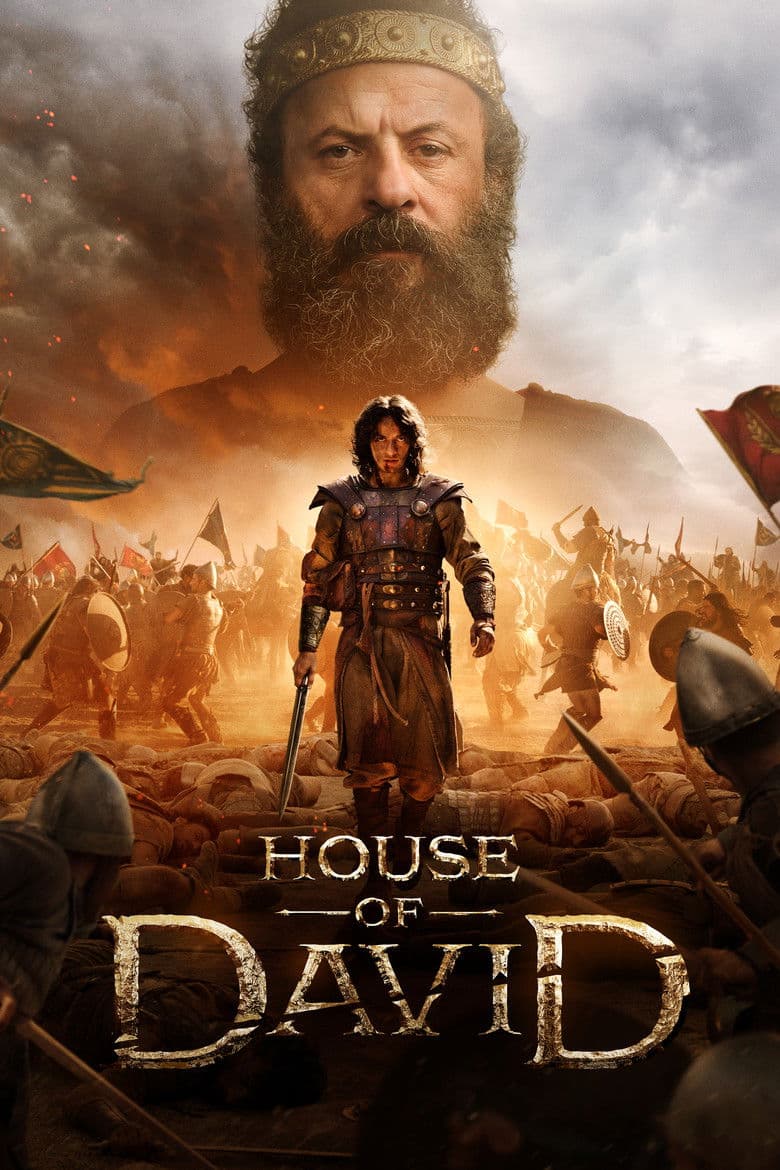
TV Show · 2025
Tells the story of the ascent of the biblical figure, David, who becomes the most celebrated king of Israel. The series follows the once-mighty King Saul as he falls victim to his…

TV Show · 2022
This sweeping saga chronicles the hopes and dreams of a Korean immigrant family across four generations as they leave their homeland in an indomitable quest to survive and thrive.
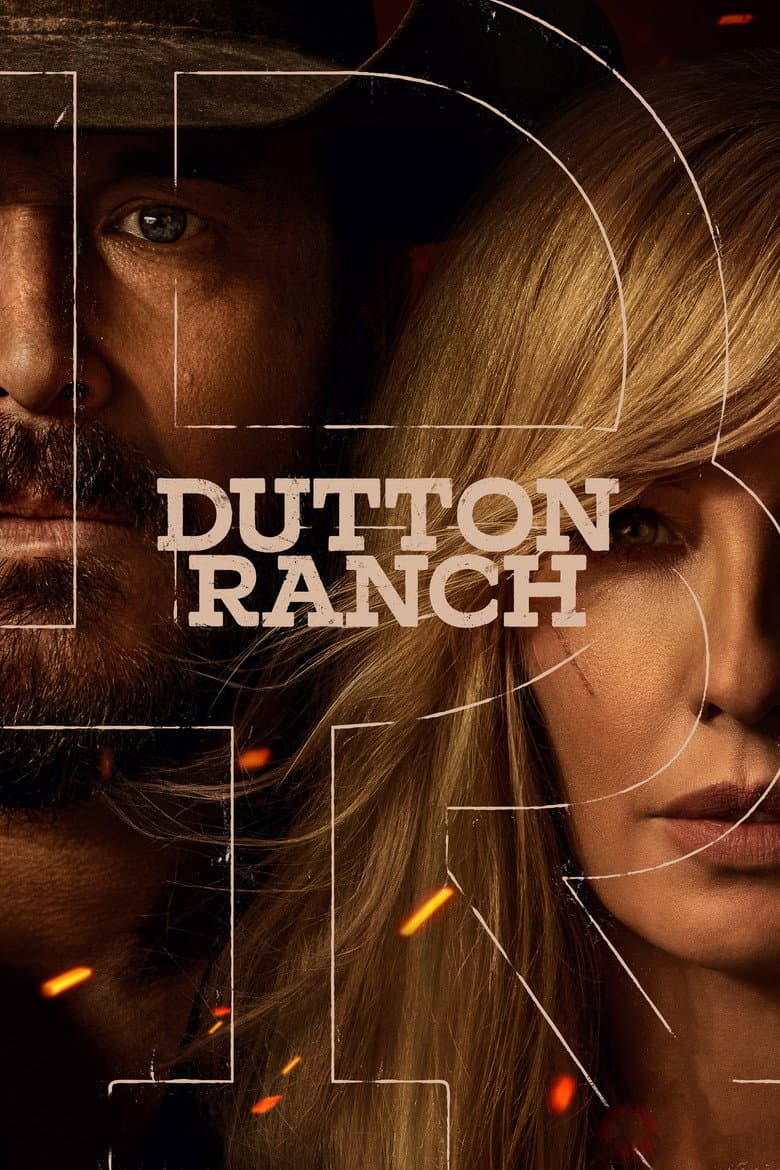
TV Show · 2026
Rip Wheeler and Beth Dutton gamble everything on a new life in South Texas, but the promise of building a future far from the ghosts of Yellowstone quickly collides with brutal…
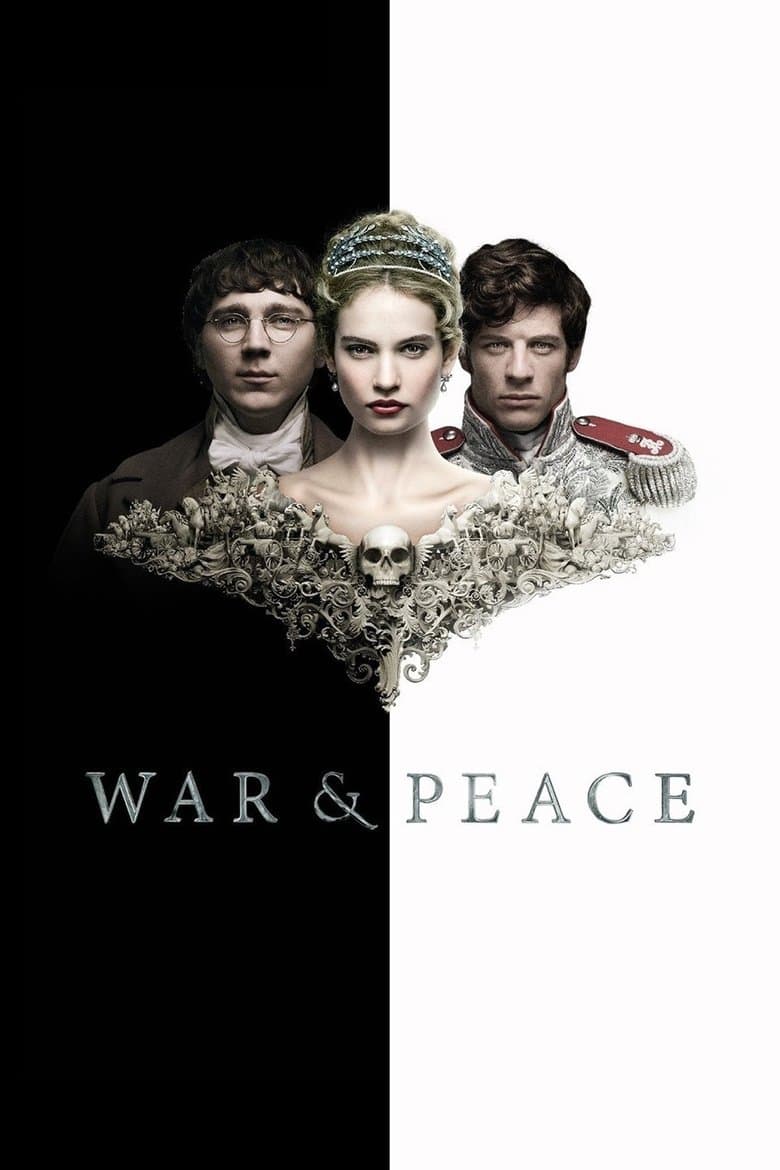
TV Show · 2016
The love story of young Countess Natasha Rostova and Count Pierre Bezukhov is interwoven with the Great Patriotic War of 1812 against Napoleon's invading army.
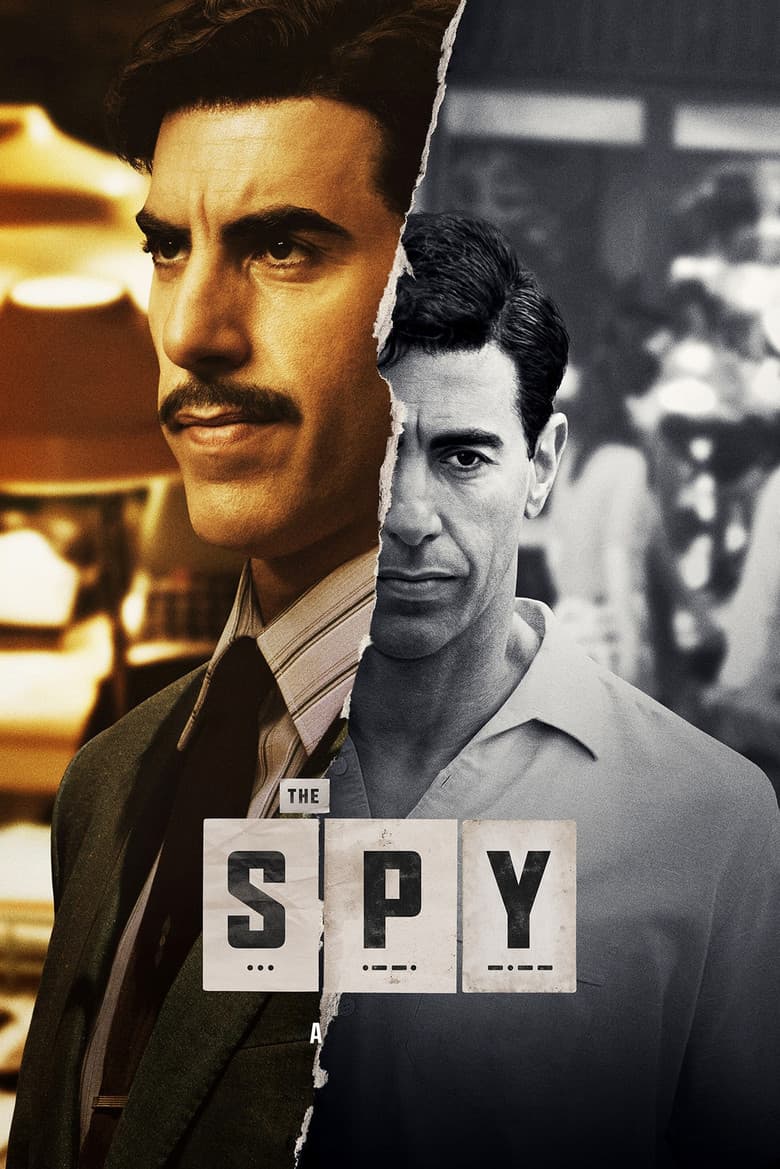
TV Show · 2019
In the 1960s, Israeli clerk-turned-secret agent Eli Cohen goes deep undercover inside Syria on a perilous, years-long mission to spy for Mossad.
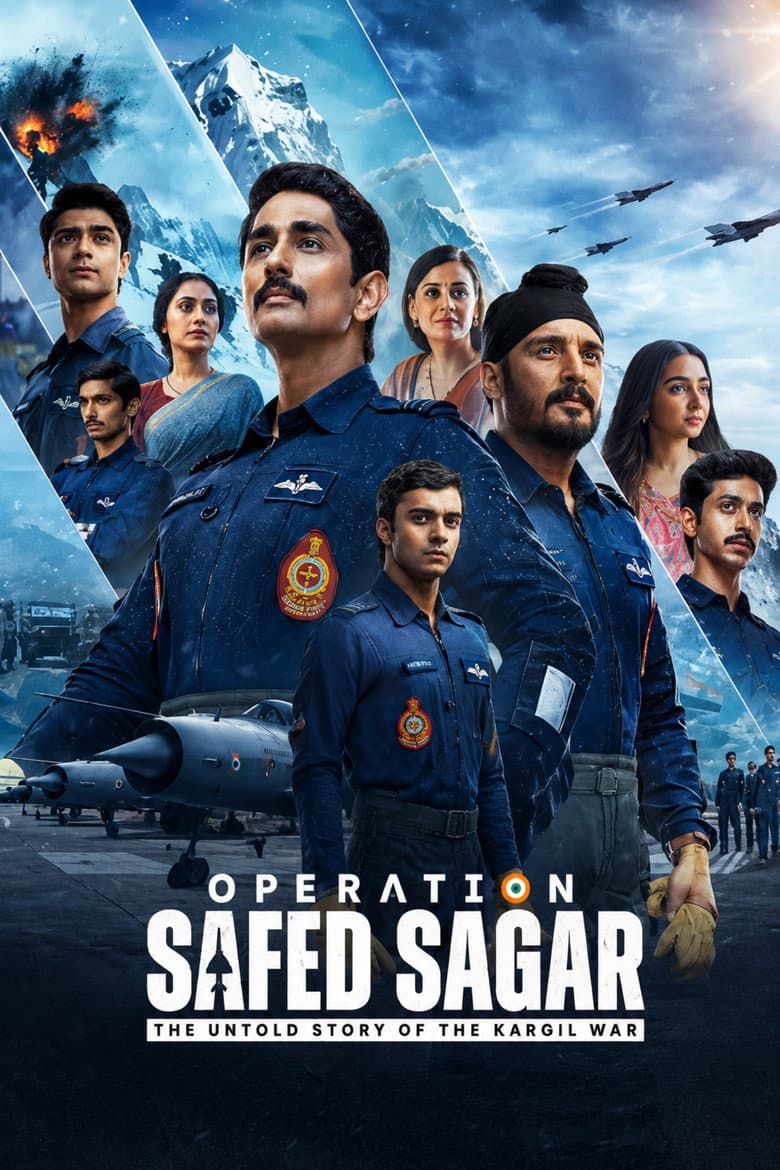
TV Show · 2026
As the Kargil War erupts between India and Pakistan, the Golden Arrows squadron of the Air Force takes flight on a dangerous mission behind enemy lines.
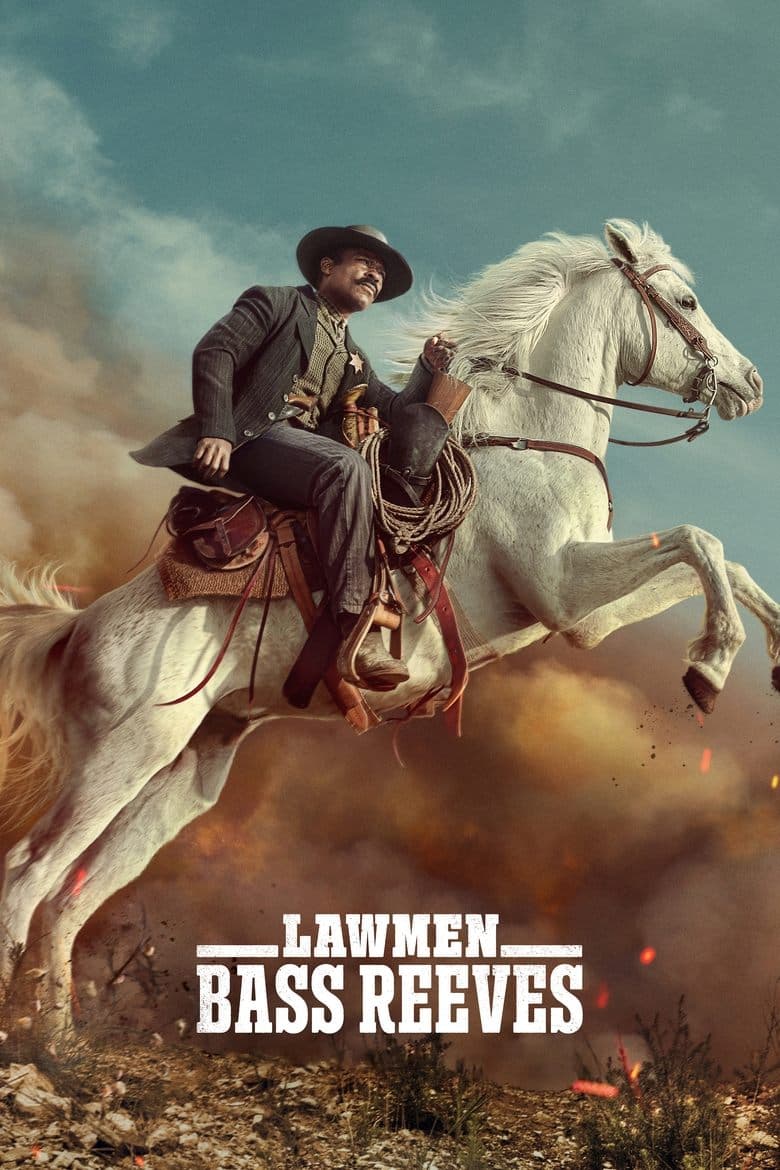
TV Show · 2023
The story of Bass Reeves, the legendary lawman of the wild West, is brought to life. Reeves worked in the post-Reconstruction era as a federal peace officer in the Indian…
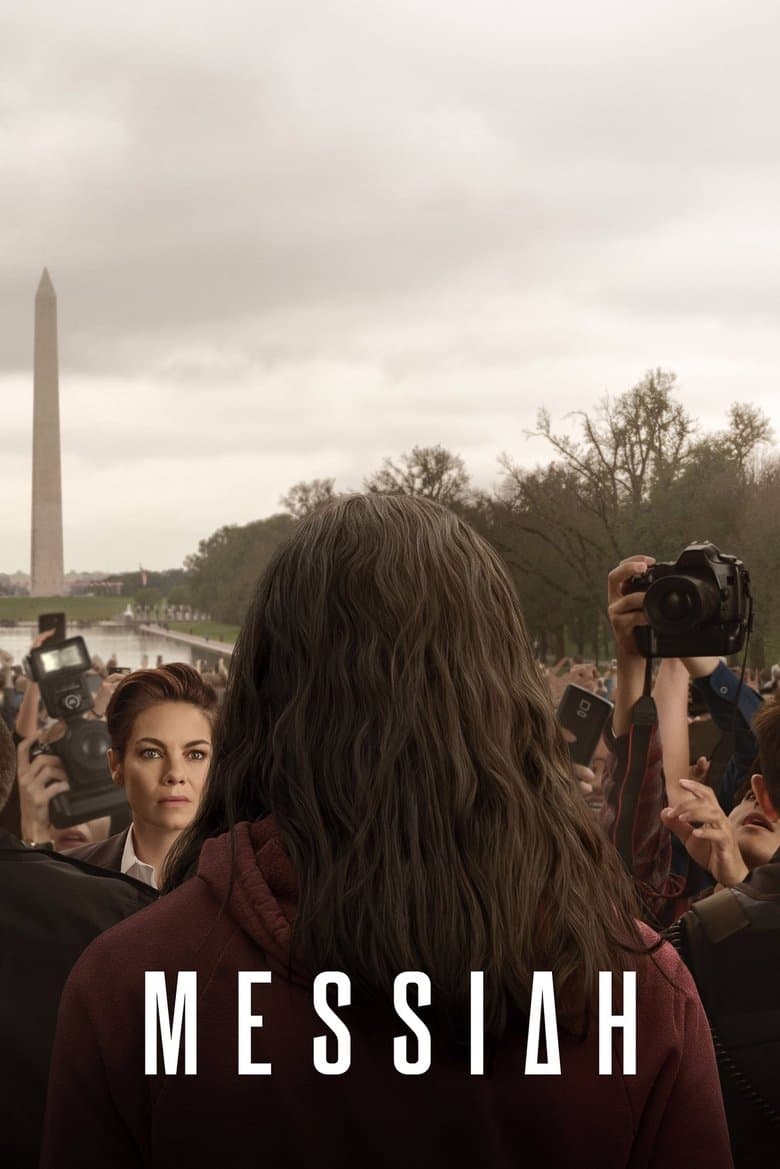
TV Show · 2020
A wary CIA officer investigates a charismatic man who sparks a spiritual movement and stirs political unrest. Who exactly is he? And what does he want?
