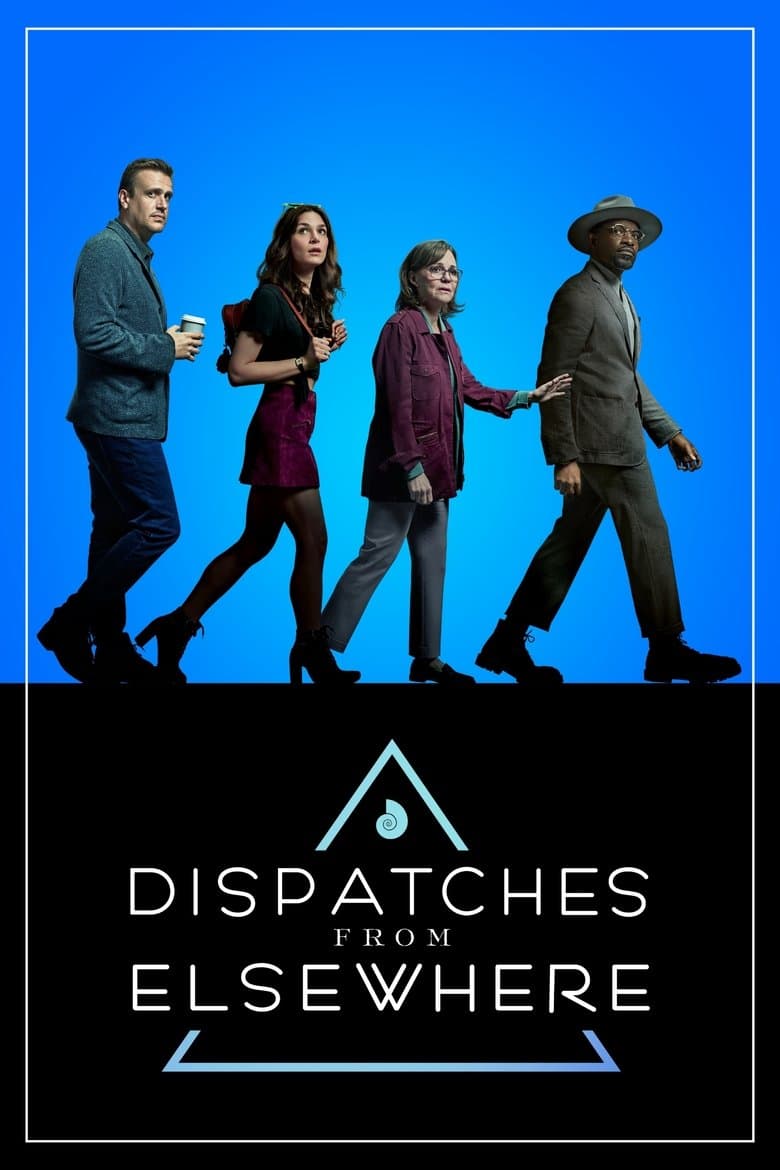
Started March 1, 2020 · Ended · Based on 1 season, 10 episodes through April 27, 2020 · TV-14 · 52 min
Peter is a lonely data worker in Philadelphia who feels almost nothing in his daily life. A strange set of signs pulls him into a citywide puzzle with Simone, Fredwynn, and Janice. The group hunts for a missing artist named Clara while two rival groups fight over her. The show mixes warm comedy, mystery, strange images, and sad moments as the players search for meaning.
Simone is a trans woman and one of the four main leads. Her fear of being judged or attacked shapes her love story with Peter, and the season shows a Pride march, public stares, and direct talk about violence against trans people. Fredwynn is a rich black data expert who often solves the hardest clues, while Janice grows beyond the roles of wife and mother. The story also uses protest words, doubts about big data firms, and a clash between art and business, but friendship and personal change remain its main focus.
Community feedback
Was our 54% Woke rating accurate?
Breakdown
These are the editorial factors and ratings behind our score for Dispatches from Elsewhere.
Woke representation / casting
The four-lead group looks built to show different kinds of people. Simone is a trans woman and a main romantic lead. Fredwynn is a Black, very rich data expert who is often the smartest person in the room. Janice gives an older woman equal weight, and the show places this mix at the center of all ten episodes.
45%
Woke political dialogue
Episode 2 opens at a Pride march with chants that black trans lives matter, trans women must be protected, and people have a right to resist. The episode also talks about fighting “The Man,” anti-capitalist greed, Occupy, and protest. A later episode says Janice once fought for equal rights and protested police violence. These lines recur but do not control most of the mystery.
38%
Identity-driven story themes
Simone’s life as a trans woman is a major part of her arc. The show links her loneliness to a Pride march and to the stares and danger she expects as a trans woman. Her romance with Peter breaks down because he does not understand that danger. Her growth and romance return across the season, though the main mystery still centers on the game and human connection.
50%
Western institutional / cultural critique
The mystery repeatedly pits a rich institute and a giant company against a group that praises freedom, beauty, resistance, and life beyond commerce. Peter quits his dull corporate job, and Fredwynn fears data firms are shaping behavior. Lee later sees selling Clara’s creative work for business success as a deep betrayal. The show reveals both game factions were staged, so its final message centers more on people and art.
41%
Woke character or canon changes
Not relevant. The show uses mostly original fictional characters and only borrows the game idea from The Institute.
0%
Anti-woke backlash and complaints
One obscure anti-trans webpage named the show as an example of unwanted trans casting and said its writer stopped watching. No larger anti-woke campaign or news fight was found. Most complaints focused on the strange plot and final episode instead.
8%
Creator track record context
Jason Segel’s cached score is 28 and shows mild liberal politics without a strong activist pattern. Patti Harrison and Jordan Harrison each score 75, and Qui Nguyen scores 56. Producer Sheila Callaghan scores 70 for feminist action in theater. Most other writers, directors, and producers score from 0 to 45, so the team record is mixed and usually mild.
31%
Production
TV Show · 2022
A dying man's enigmatic last words send vicar's son, Bobby Jones, and his socialite friend, Lady Frankie Derwent, on a crime-solving adventure.
TV Show · 2021
Facing an existential threat that could bring down the Crime Lab, a brilliant team of forensic investigators must welcome back old friends and deploy new techniques to preserve…
TV Show · 2020
Hiding a twisted past, a man maintains his facade as the perfect husband to his detective wife — until she begins investigating a series of murders.
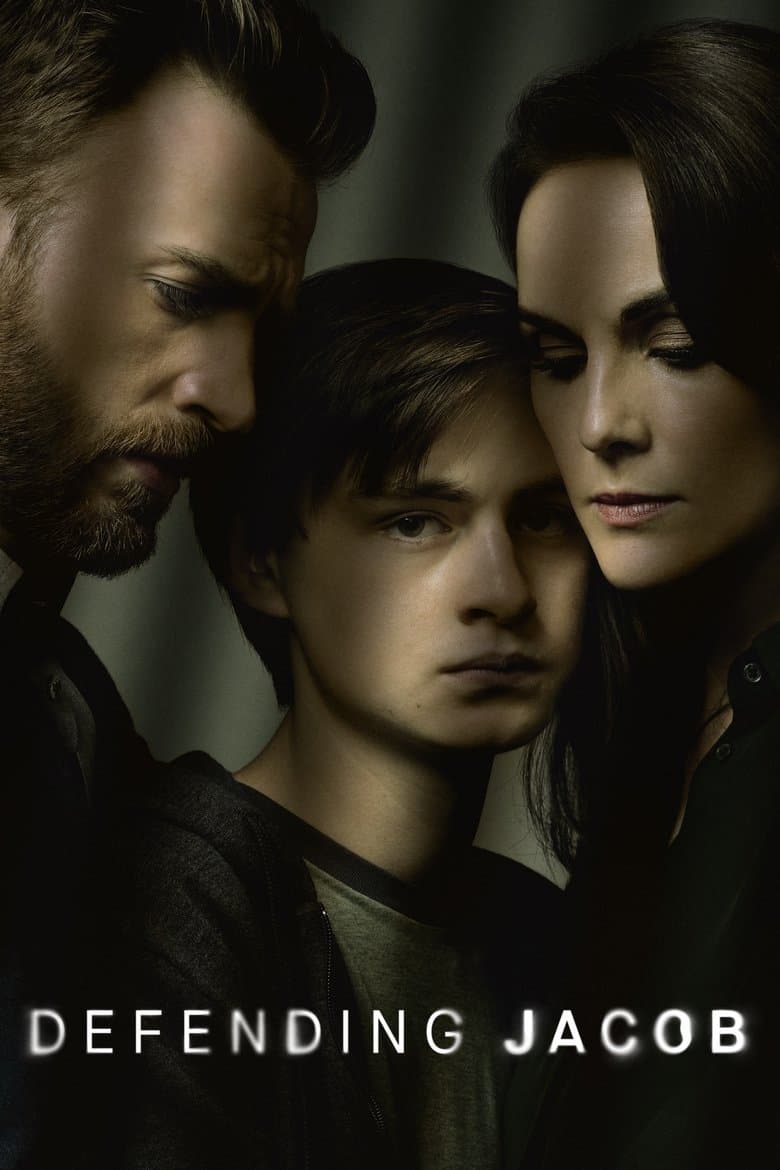
TV Show · 2020
A family's lives are irreparably disrupted when the 14-year-old son is accused of murdering a fellow classmate.
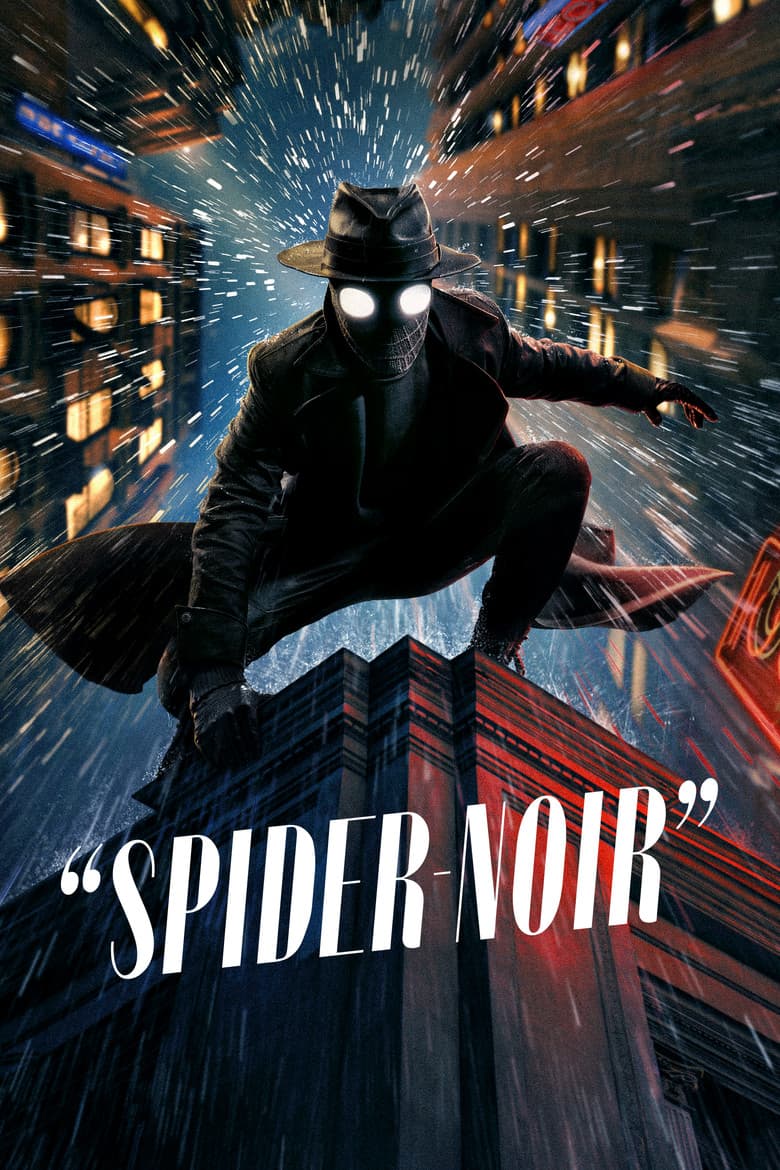
TV Show · 2026
Ben Reilly, an aging and down on his luck private investigator in 1930s New York, is forced to grapple with his past life as the city's one and only superhero.
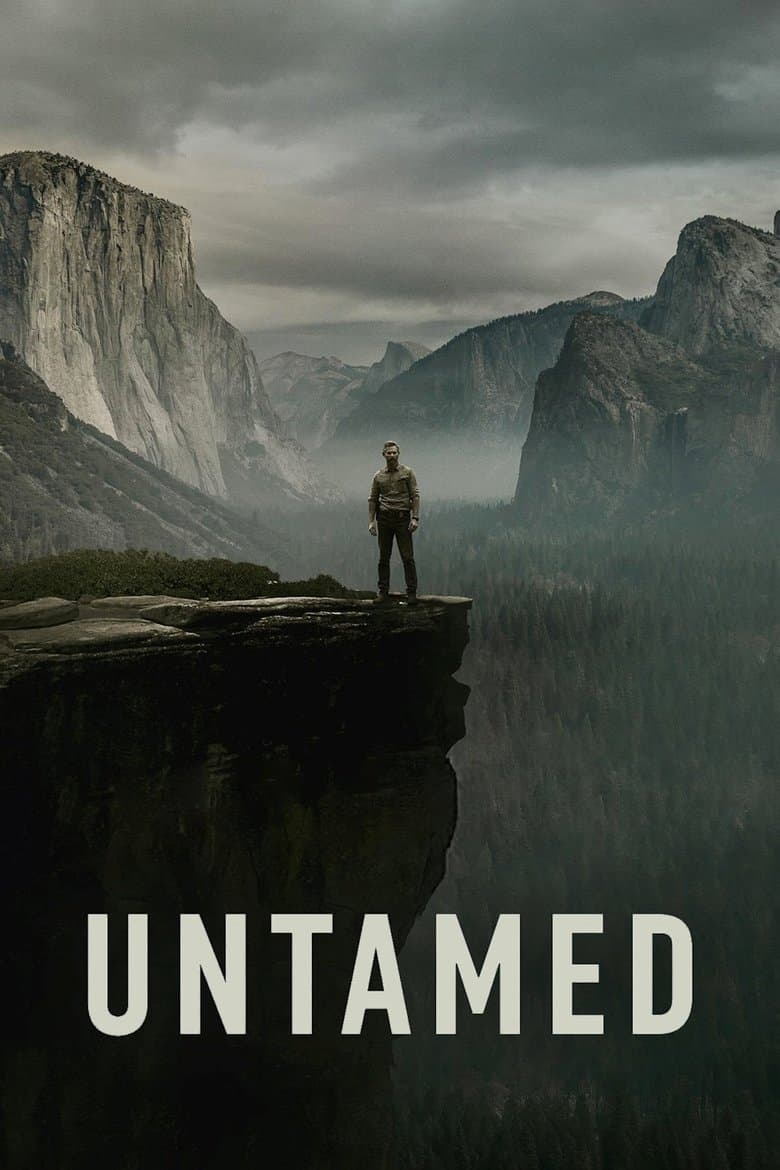
TV Show · 2025
In the vast expanse of Yosemite National Park, a woman's death draws a federal agent into lawless terrain — where nature obeys no rules but its own.
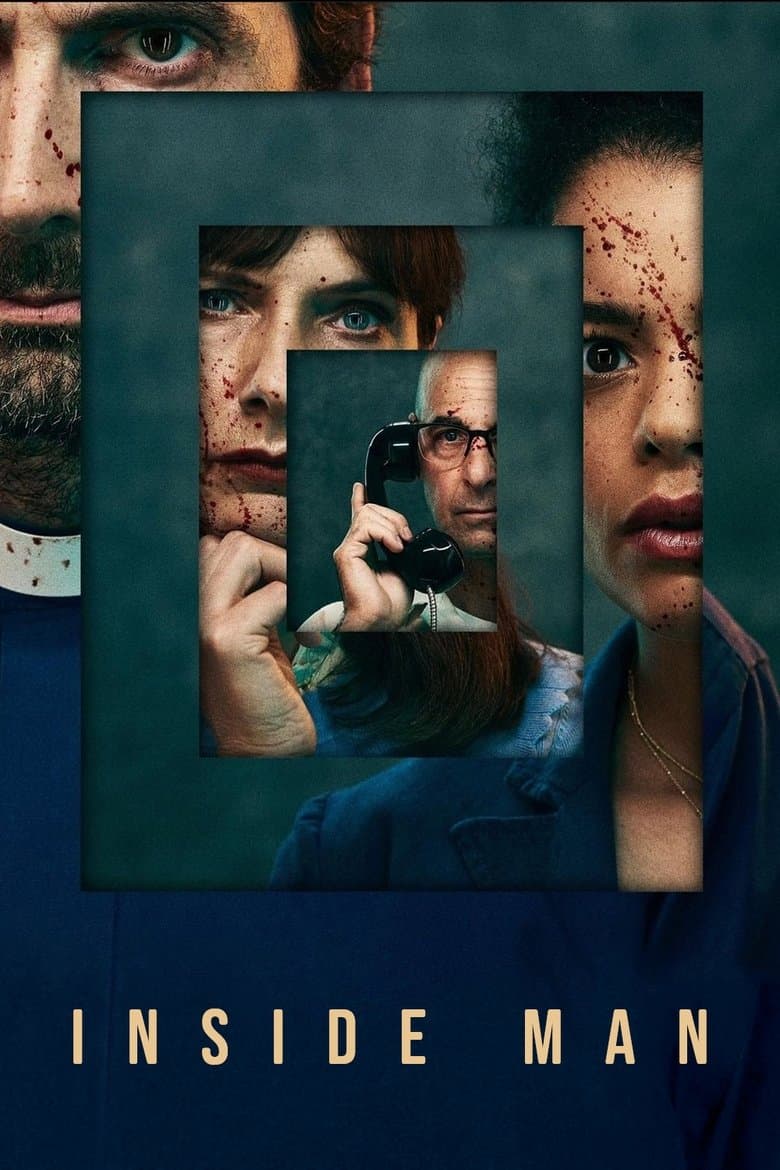
TV Show · 2022
A prisoner on death row in the US, a vicar in a quiet English town, and a maths teacher trapped in a cellar cross paths in the most unexpected way.
TV Show · 2017
This anthology series brings to life Aaron Mahnke's titular podcast and uncovers the real-life events that spawn our darkest nightmares.
