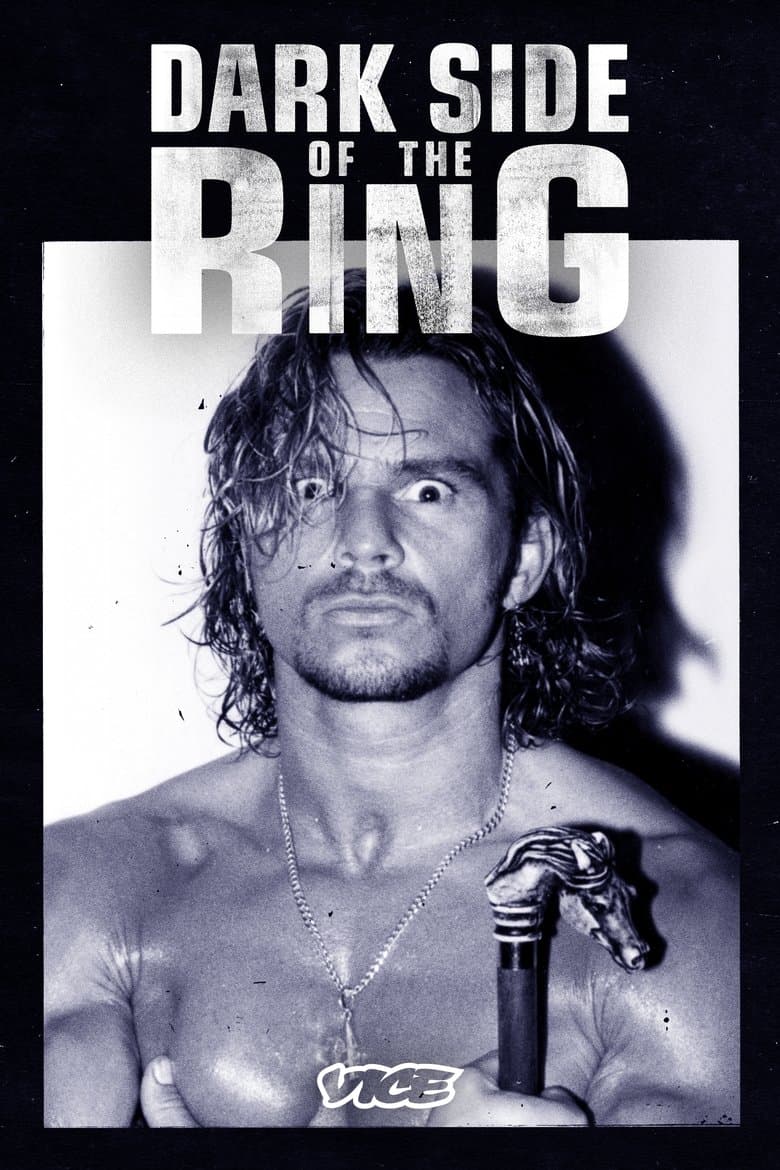
Started April 10, 2019 · Returning Series · Based on 7 seasons, 68 episodes through August 4, 2026 · TV-MA · 44 min
Dark Side of the Ring follows real wrestlers, promoters, and families connected to professional wrestling. Each episode looks at the gap between a wrestler's public character and private life. The stories move through arenas, locker rooms, homes, hospitals, courts, and old wrestling footage as people face injury, addiction, crime, abuse, death, and broken careers. The tone is serious, grim, and sometimes shocking, but it also gives room for family memories and moments of humor.
Identity themes appear in a limited but repeated group of episodes. The Chris Kanyon story focuses on a gay wrestler hiding his sexuality in a macho locker room and discusses negative gay stereotypes. Other episodes discuss allegations of women's exploitation and barriers, Luna Vachon's support for women's wrestling, Tony Atlas's experience with racism, and Muhammad Hassan's Arab-American character after 9/11. The show presents these issues as part of the stories, but most episodes center on addiction, violence, crime, injury, family loss, and business failure rather than current political campaigns.
Community feedback
Was our 33% Woke rating accurate?
Breakdown
These are the editorial factors and ratings behind our score for Dark Side of the Ring.
Woke representation / casting
Not present. The show follows real wrestlers, relatives, promoters, and witnesses tied to each case. It does not build a standing cast around identity labels. The people on screen are chosen because they belong to the history being told.
0%
Woke political dialogue
Several episodes use direct lines about racism, sexism, homophobia, and the treatment of women in wrestling. The Chris Kanyon episode talks about macho locker-room culture and negative gay stereotypes. The Tony Atlas and Muhammad Hassan episodes discuss racism and the Arab-American character created after 9/11. Most episodes instead focus on crime, addiction, injuries, family loss, and wrestling business fights.
31%
Identity-driven story themes
The show gives clear space to identity-based stories in several seasons. The Chris Kanyon story centers on a gay wrestler hiding his sexuality in a macho locker room. Other episodes cover allegations of women's exploitation and barriers, Luna Vachon's support for women's wrestling, Tony Atlas's experience with racism, and Muhammad Hassan's Arab-American role after 9/11. Most episodes still center on addiction, violence, crime, injury, family loss, and business failure, so identity themes recur without defining the whole series.
40%
Western institutional / cultural critique
Many episodes criticize the wrestling system for rewarding macho behavior, exploiting performers, hiding abuse, and putting business before safety. The Kanyon story directly links locker-room culture to gay stereotypes. The Fabulous Moolah, Tony Atlas, Muhammad Hassan, and Plane Ride stories also show harm tied to sexual exploitation, racism, or unchecked power. The series usually presents these problems as wrestling history rather than a broad attack on Western society.
33%
Woke character or canon changes
Not relevant. The show retells real wrestling histories and does not change a known character's race, sex, sexuality, or role. It uses real people and archival material rather than recasting established characters.
0%
Anti-woke backlash and complaints
Not present. Searches found no clear anti-woke complaint about the show. Public criticism focused on disputed editing, omitted facts, and the Plane Ride From Hell episode, not on DEI, identity politics, or activist messaging.
0%
Creator track record context
Not present. The key creators are mainly known for wrestling, genre film, comedy, and factual work. No clear recurring activist, DEI, or identity-driven public persona is documented.
0%
Production
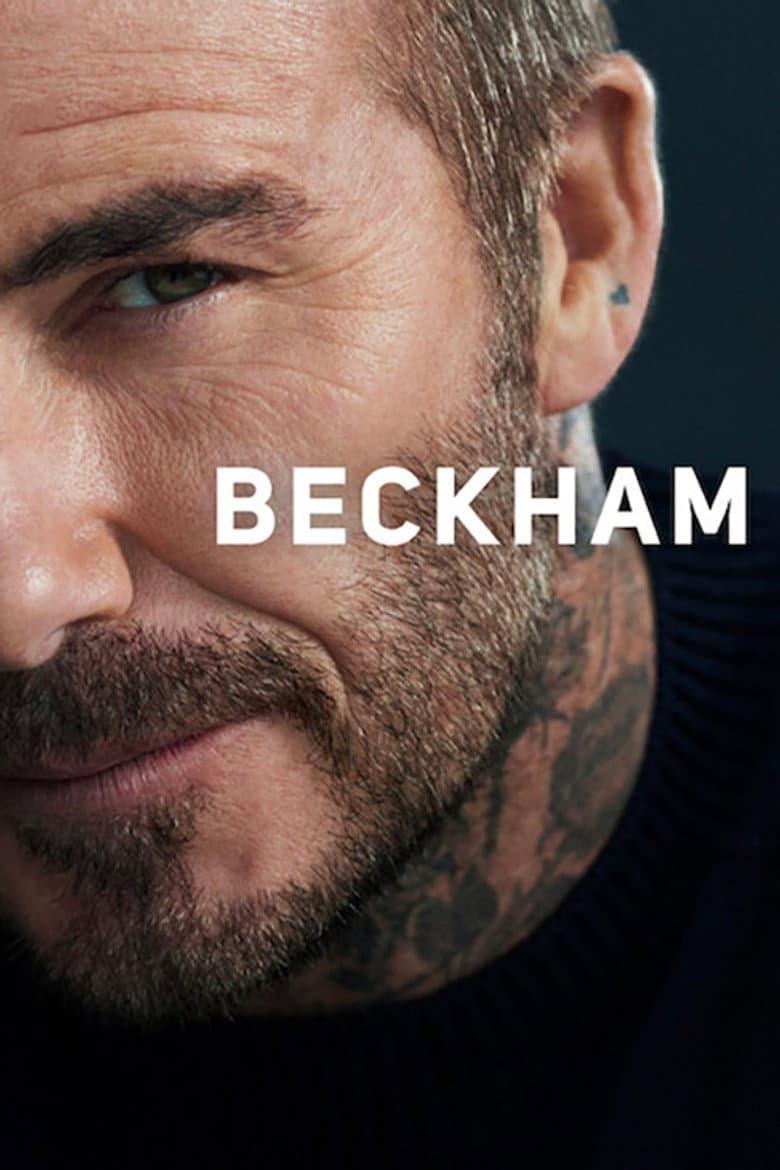
TV Show · 2023
With never-before-seen footage, this docuseries follows David Beckham's meteoric rise from humble beginnings to global football stardom.
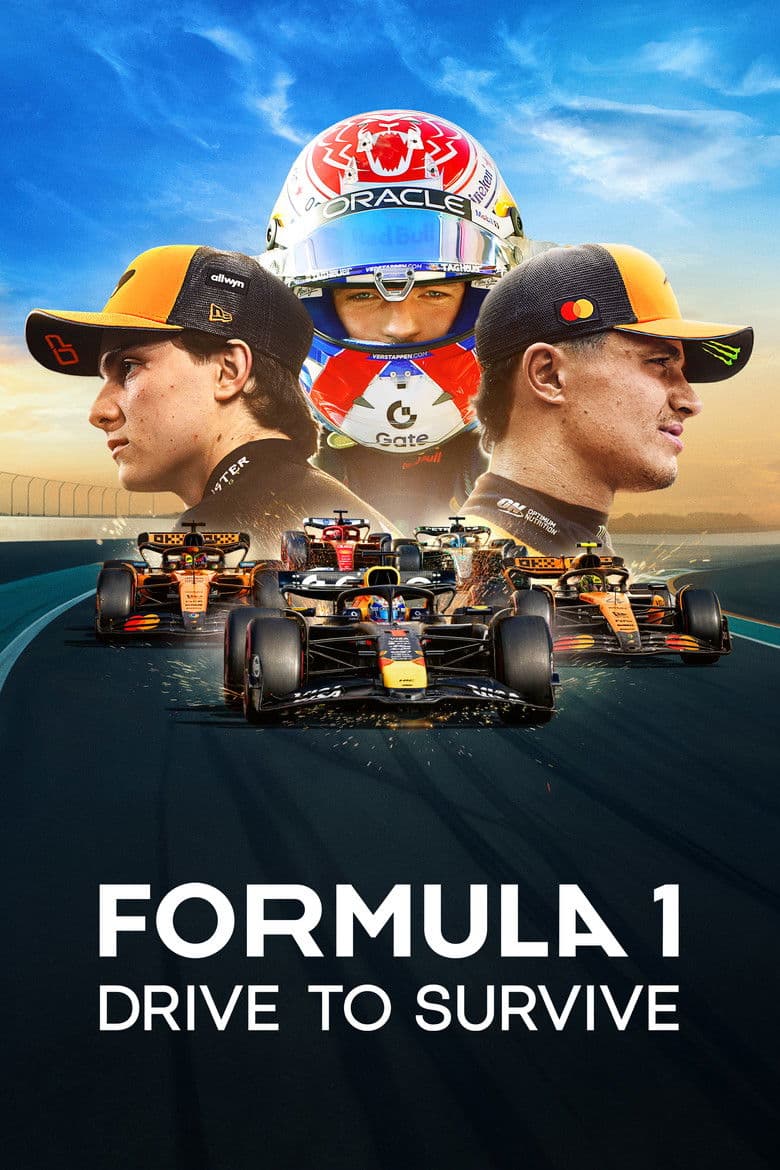
TV Show · 2019
Drivers, managers and team owners live life in the fast lane — both on and off the track — during each cutthroat season of Formula 1 racing.
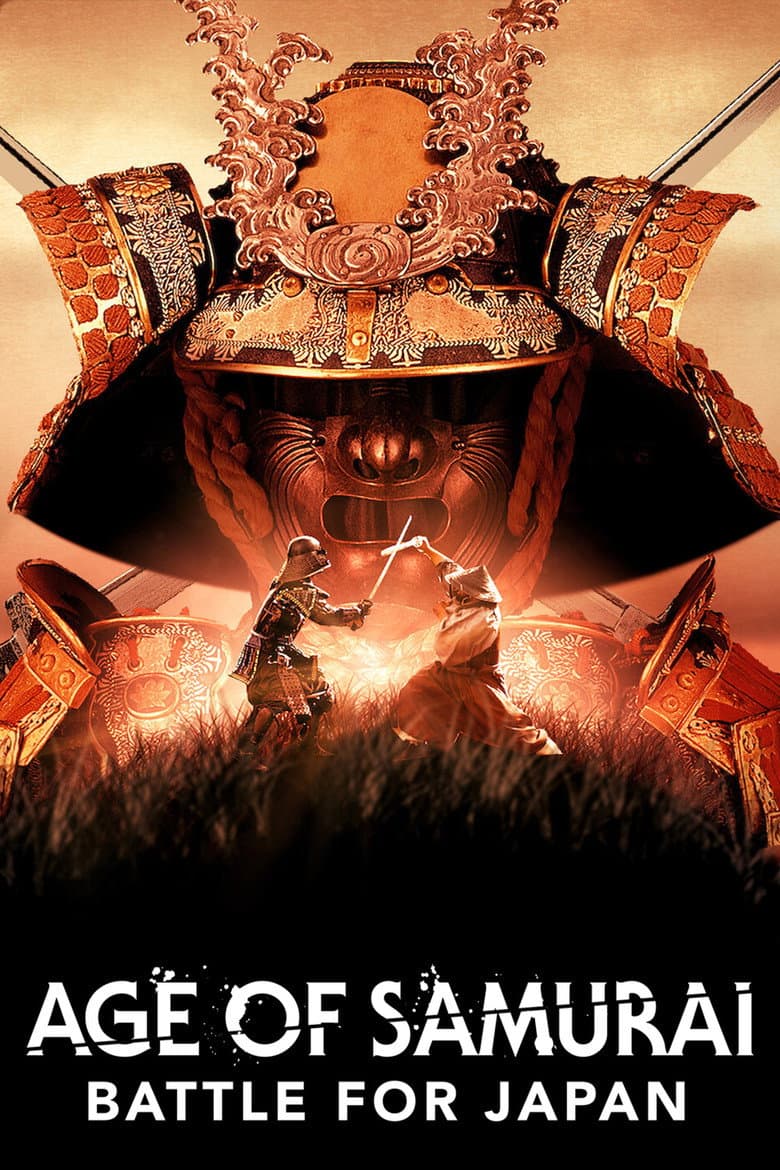
TV Show · 2021
Dynamic reenactments and expert commentaries bring to life the tumultuous history and power struggles of a warring 16th-century feudal Japan.
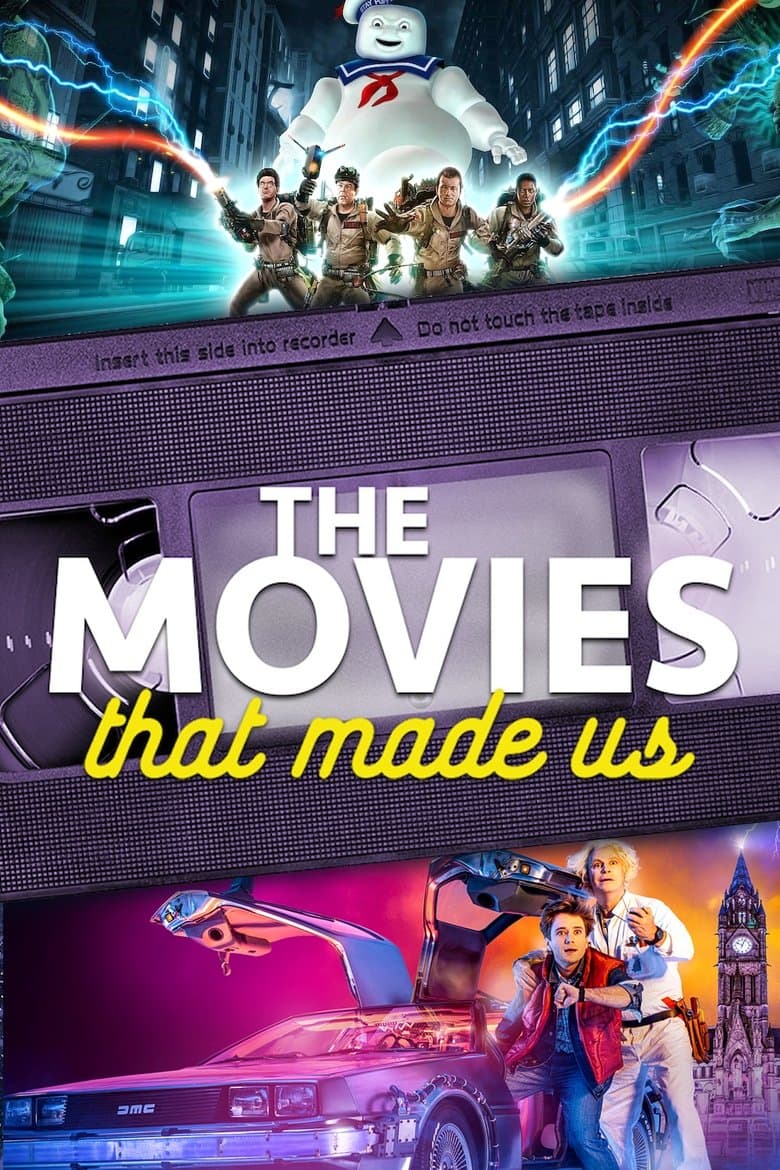
TV Show · 2019
These blockbusters brought us together and gave us the time of our lives. Meet the actors, directors and industry insiders who made them happen.
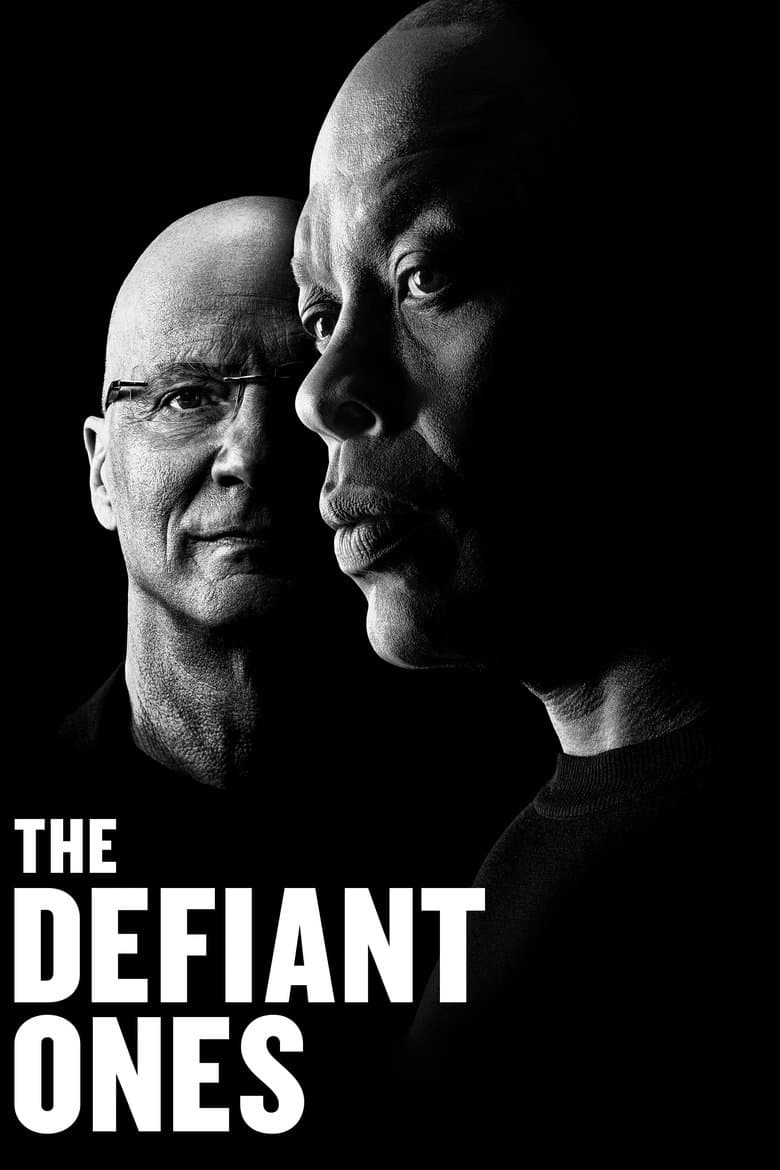
TV Show · 2017
A four-part documentary series that tells the stories of Jimmy Iovine and Dr. Dre -- one the son of a Brooklyn longshoreman, the other straight out of Compton - -- and their…
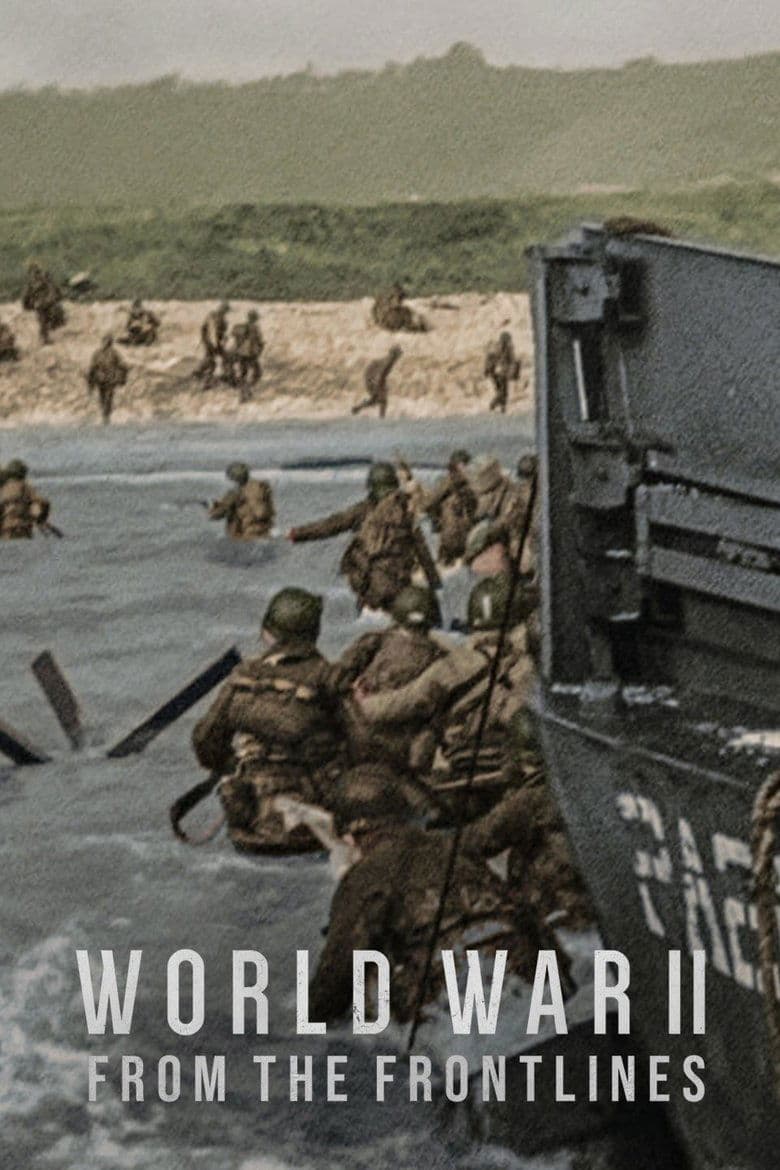
TV Show · 2023
Through vividly enhanced archival footage and voices from all sides of the conflict, this docuseries brings WWII to life like never before.
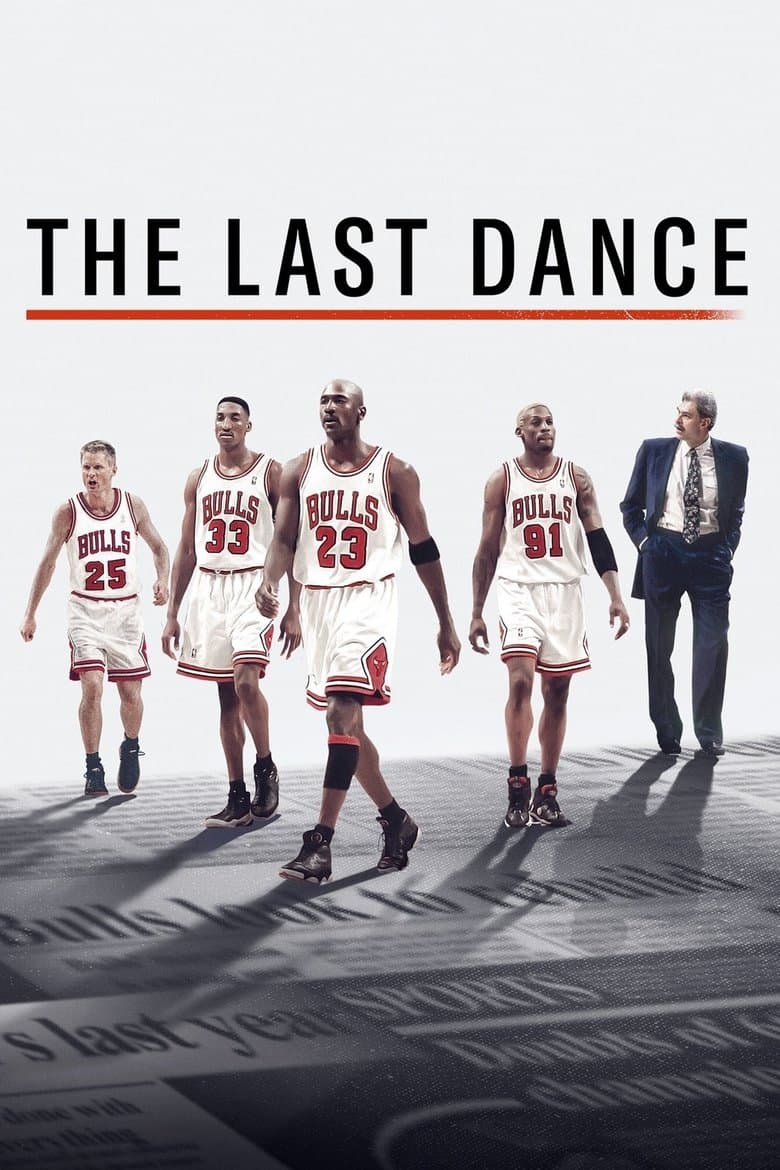
TV Show · 2020
A 10-part documentary chronicling the untold story of Michael Jordan and the Chicago Bulls dynasty with rare, never-before-seen footage and sound from the 1997-98 championship…
TV Show · 2021
The three-part documentary series, compiled from over 60 hours of unseen footage, captures the warmth, camaraderie, and creative genius that defined the legacy of music's most…
