
Started March 2, 2023 · Ended · Based on 1 season, 10 episodes through March 23, 2023 · TV-MA
Daisy Jones is a gifted singer who wants a life on her own terms. Billy Dunne leads a rising rock band while fighting alcohol addiction and trying to protect his marriage to Camila. The story moves from 1960s Los Angeles to the band’s 1970s tours and is told through later interviews about the group’s final concert. The tone mixes loud music, romance, drugs, jealousy, and sadness as fame pulls the band members apart.
The show gives clear weight to women’s choices and to the barriers women face in the music business. Daisy refuses to be treated as a muse, Karen rejects the expected path of marriage and children, and Camila helps other women while dealing with Billy’s betrayal. Simone’s story adds a major identity-driven thread because she is a black singer who falls in love with Bernie and hides the relationship while building a disco career. The main plot still centers on music, addiction, marriage, friendship, and fame, so the woke material is important but not the whole show.
Community feedback
Was our 66% Woke rating accurate?
Breakdown
These are the editorial factors and ratings behind our score for Daisy Jones & the Six.
Woke representation / casting
The show gives major supporting roles to black women Simone and Bernie, and Camila is a Latina lead character. The central band remains mostly white. The Los Angeles and New York settings make this mix believable, so it is not a strong story-world mismatch. The creators also deliberately expanded Simone as a queer black woman, which makes representation visible.
22%
Woke political dialogue
Simone talks about the danger of being open about Bernie, and the record company wants her to hide her sexuality. Daisy and Karen also push back against men who want to control their work or appearance. These scenes make sexism, racism, and homophobia clear. The show has little party politics or modern political slogans.
32%
Identity-driven story themes
Simone’s story is the clearest identity-driven part of the show. She is a black singer in the 1970s who falls in love with Bernie and fears that public knowledge of the relationship will hurt her career. Episode 7 gives their queer club world a long, focused story. Later episodes show Simone weighing love, safety, and success. The main band story still centers on music, addiction, marriage, friendship, and fame.
54%
Western institutional / cultural critique
The show repeatedly presents the music business as a male system that tries to control women. Daisy resists being treated as a decoration, and Karen rejects the expected path of marriage and children. The story criticizes Graham when he assumes Karen’s pregnancy should end her career, and it treats her abortion as her choice. The show also links Simone’s career problems to racism and homophobia. The critique stays inside the 1970s music world.
46%
Woke character or canon changes
The series makes Simone explicitly queer and gives her a female partner, Bernie, even though the novel leaves her sexuality undefined and does not give her this romance. The series also turns Simone from a smaller friend role into a separate music story with a full episode. Those changes add a clear identity-driven storyline to the adaptation. The changes to Camila and the band lineup are ordinary story changes rather than identity changes.
45%
Anti-woke backlash and complaints
Not present. No reliable anti-woke complaint tied to the show was found in news coverage or public reaction. The supplied X search also found no measurable anti-woke reaction.
0%
Creator track record context
Will Graham has a strong record of queer representation. Taylor Jenkins Reid publicly identifies as bisexual and often writes LGBTQ+ stories and women who seek control over their lives. Judalina Neira and Stacy Traub have representation-focused work, while Michael H. Weber and Scott Neustadter have no similar public record. This is a mixed but clearly relevant team history.
55%
Production
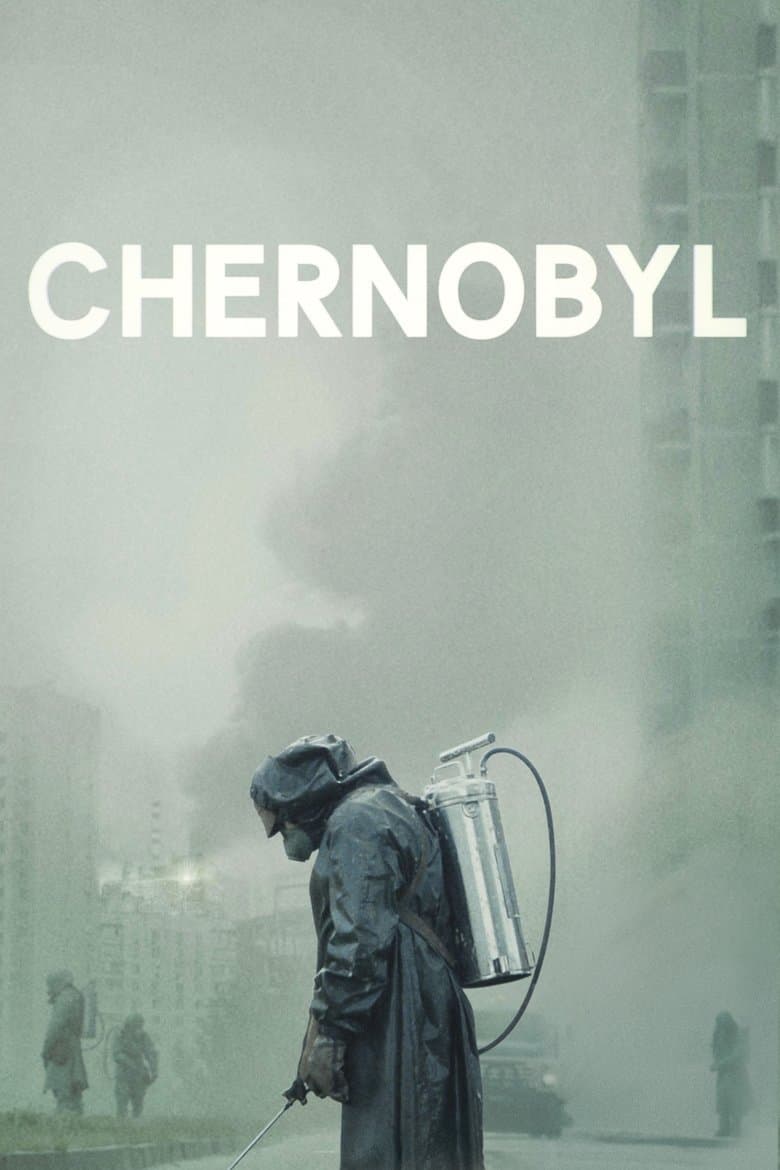
TV Show · 2019
The true story of one of the worst man-made catastrophes in history: the catastrophic nuclear accident at Chernobyl.
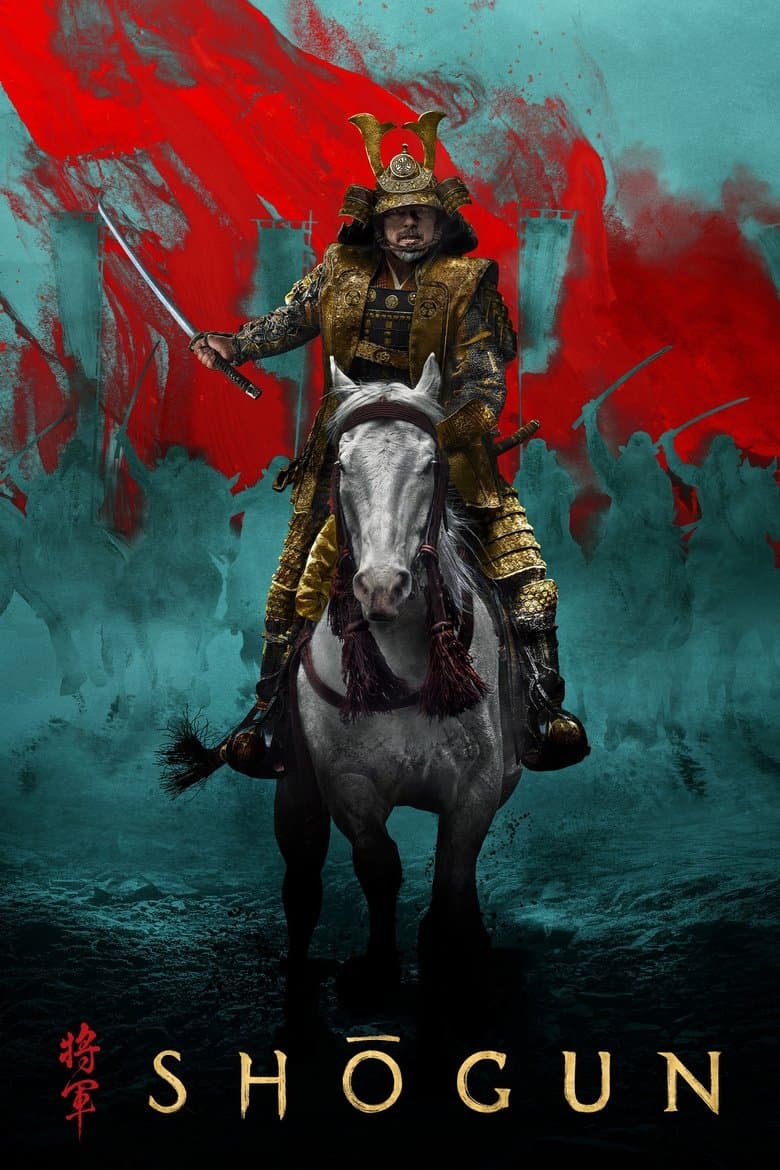
TV Show · 2024
In Japan in the year 1600, at the dawn of a century-defining civil war, Lord Yoshii Toranaga is fighting for his life as his enemies on the Council of Regents unite against him…

TV Show · 2022
This sweeping saga chronicles the hopes and dreams of a Korean immigrant family across four generations as they leave their homeland in an indomitable quest to survive and thrive.
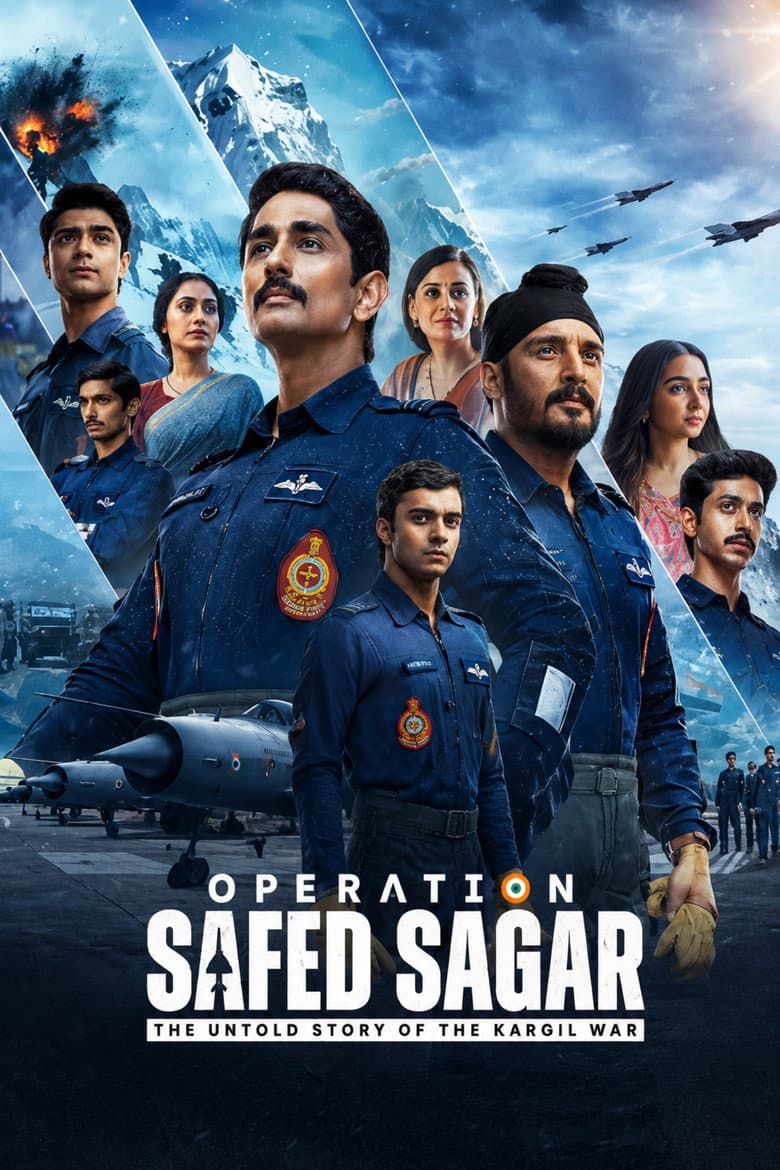
TV Show · 2026
As the Kargil War erupts between India and Pakistan, the Golden Arrows squadron of the Air Force takes flight on a dangerous mission behind enemy lines.
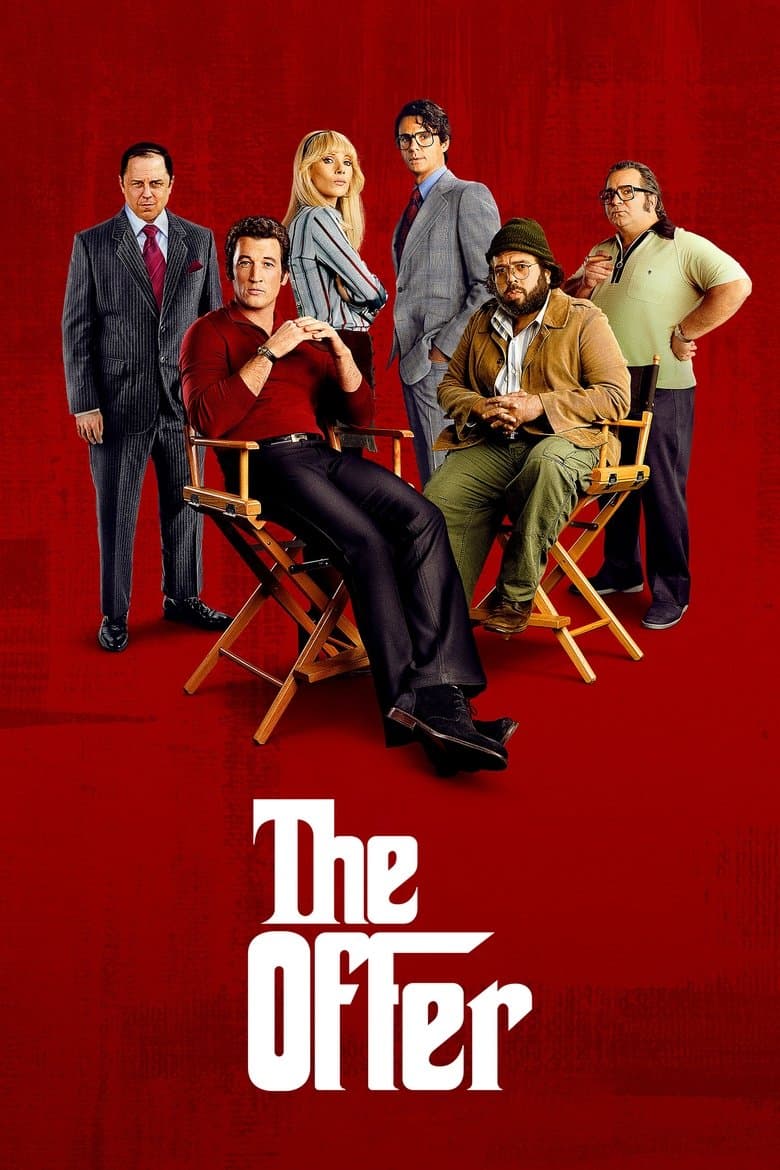
TV Show · 2022
Oscar-winning producer Al Ruddy’s never before revealed experiences of making the iconic 1972 film The Godfather that Francis Ford Coppola directed and adapted with Mario Puzo.
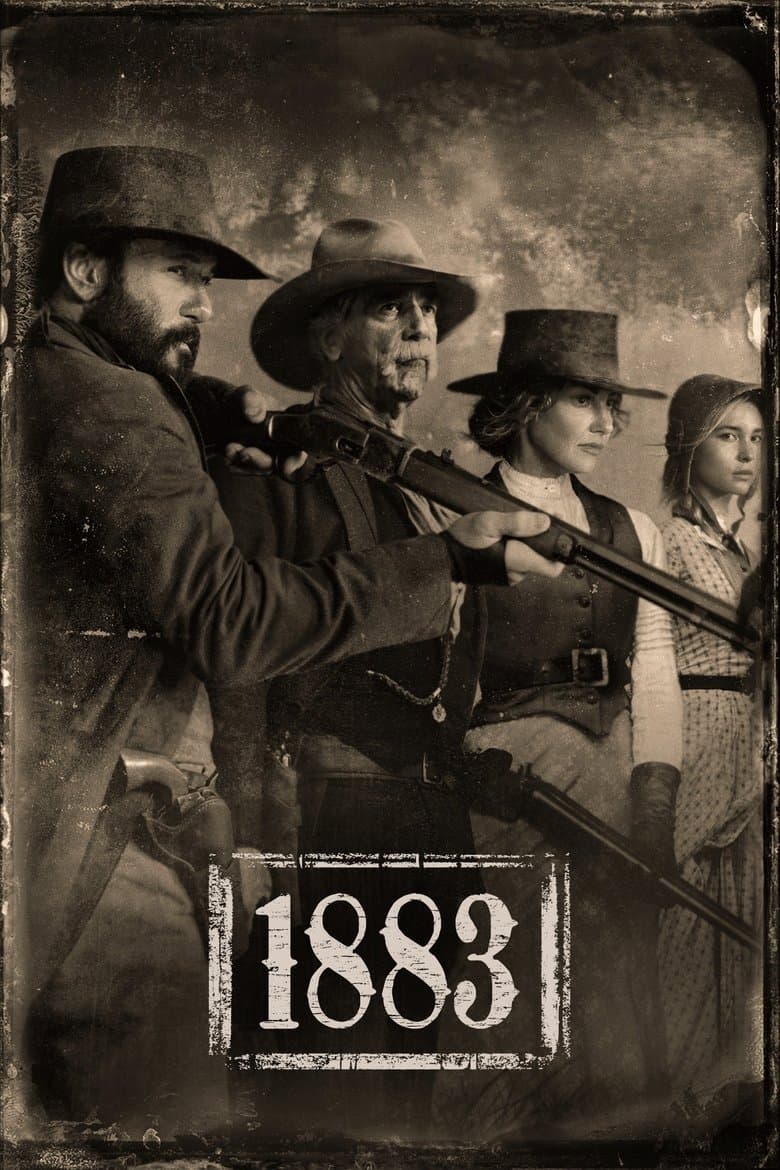
TV Show · 2021
Follow the Dutton family as they embark on a journey west through the Great Plains toward the last bastion of untamed America.
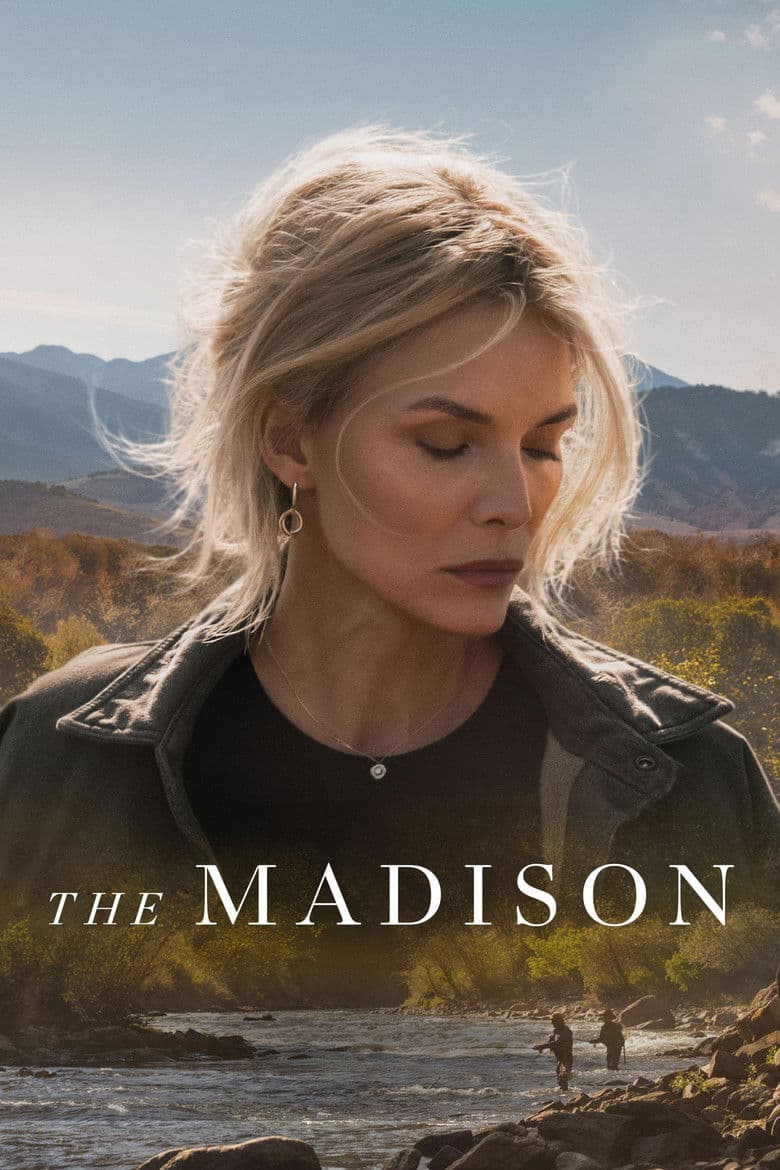
TV Show · 2026
The Clyburns uproot their comfortable New York City lives to the wild, untamed beauty of Montana's Madison River Valley on a search for connection.

TV Show · 2024
Fascinated by cars since childhood, Brazilian racer Ayrton Senna became a sports legend — until tragedy struck, changing Formula 1 forever.
