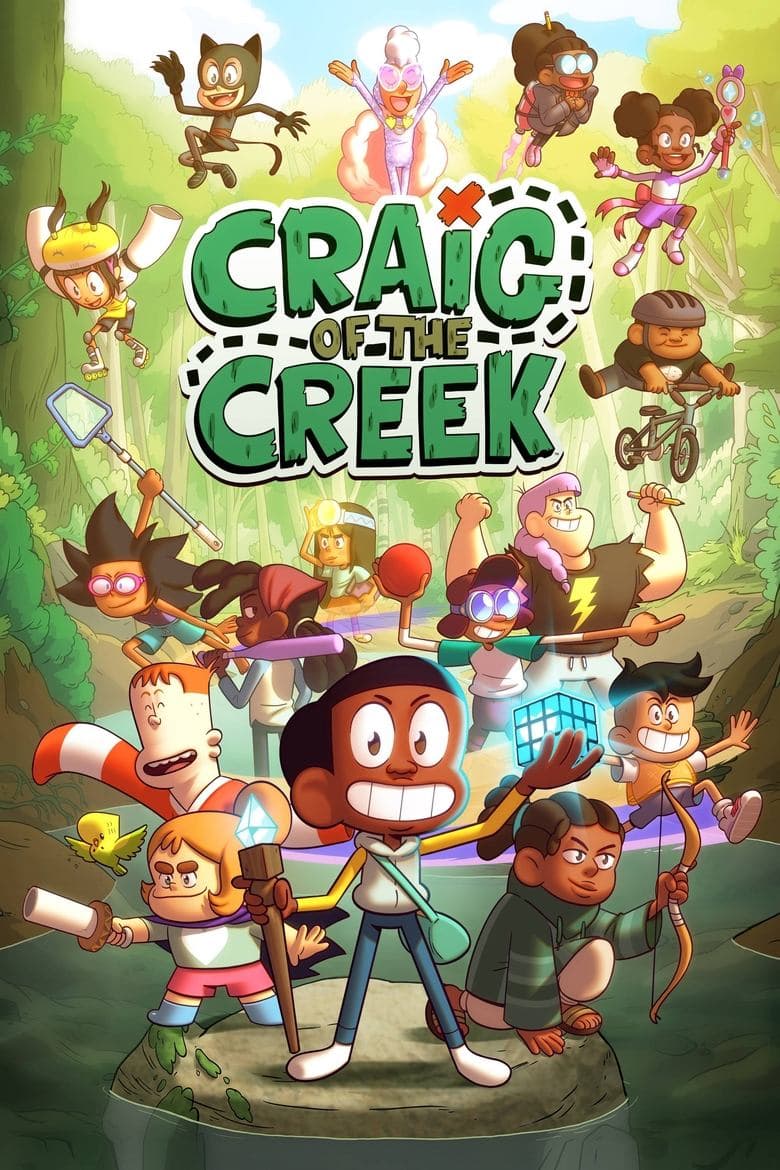
Started March 30, 2018 · Ended · Based on 6 seasons, 172 episodes through January 25, 2025 · TV-Y7 · 11 min
Craig Williams is a smart black boy who loves maps, games, and exploring. He spends his days with Kelsey, a brave girl with a purple cape, and JP, a kind and unusual friend. The three children treat a nearby creek in suburban Maryland as a huge world ruled by kids, clubs, forts, and made-up quests. Their adventures mix jokes, small dangers, family problems, and lessons about friendship, courage, and growing up.
The show places a black family at its center and gives the creek a wide mix of races, cultures, abilities, and family lives. Several stories present same-sex couples, including Kelsey and Stacks, Tabitha and Courtney, and older characters such as Laura and Kat. Angel José is a child who does not identify as a boy or girl and uses they and them pronouns, while Jackie is a black deaf child who uses black American Sign Language. These choices make acceptance, self-discovery, and the value of seeing different kinds of people recurring parts of the show, even though most episodes focus on play and adventure.
Community feedback
Was our 61% Woke rating accurate?
Breakdown
These are the editorial factors and ratings behind our score for Craig of the Creek.
Woke representation / casting
The series puts a black boy and his black family at the center. The Creek repeatedly gives visible roles to children and families with different races, cultures, abilities, and sexual identities. Girls such as Kelsey, Wildernessa, and the Sewer Queen often lead quests or win physical contests. The creators said they built the world with diverse voices and sought representation. The modern Maryland setting makes the mix believable, but the repeated pattern is still a clear public part of the show’s design.
64%
Woke political dialogue
Craig’s grandmother is shown as a civil rights activist in family stories. A family episode has her talk about her past in the civil rights movement. The show also uses direct talk about black American Sign Language and a deaf child’s way of joining the group. These are clear social-justice and identity references, but they appear in a small number of episodes. The series does not build its main plot around elections, parties, or current activist campaigns.
18%
Identity-driven story themes
Craig’s black family life is treated as an important part of the show’s world. The series repeatedly presents different races, cultures, family lives, disability, and same-sex relationships as positive parts of the Creek community. Kelsey develops and confirms love for Stacks, while Tabitha and Courtney, Laura and Kat, and Secret Keeper and George are also shown as couples. Angel José uses they and them pronouns, and Jackie’s deaf identity shapes stories about communication. These themes recur across the run, but most plots still center on games, friendship, and adventure.
49%
Western institutional / cultural critique
Not present. The Creek lets children make their own games and rules, but the show presents this as make-believe and freedom. Adults and family are usually shown as caring, not as evil institutions. The series does not make a modern attack on Christianity, men, marriage, capitalism, or ordinary family life.
0%
Woke character or canon changes
Not relevant. The show is an original story rather than an adaptation of an established character, canon, or historical event. It does not use identity changes to remake older material.
0%
Anti-woke backlash and complaints
Several tiny X accounts called the show forced WOKE content, woke trash, or a woke cast. One post warned parents, and another flagged nonbinary characters, same-sex relationships, and pronoun talk. The available reaction was small, anonymous, and low reach. No large boycott, review-bomb, or organized right-leaning campaign was found.
12%
Creator track record context
Matt Burnett and Ben Levin have a clear record of saying that broad representation shaped this show. Jeff Trammell has publicly stressed the value of black representation, while several writers have public work about multicultural, Black, or queer stories. Other listed writers and producers have little public political record. The overall context is strongly representation-aware, but it is not a single creator’s full-time activist project.
60%
Production
TV Show · 2016
After uncovering a mysterious amulet, an average teen assumes an unlikely destiny and sets out to save two worlds.
TV Show · 2018
The Boss Baby brings his big brother Tim to the office to teach him the art of business in this animated series sprung from the hit film.
TV Show · 2022
When an explosive battle with Dr. Eggman shatters the universe, Sonic races through parallel dimensions to reconnect with his friends and save the world.
TV Show · 2022
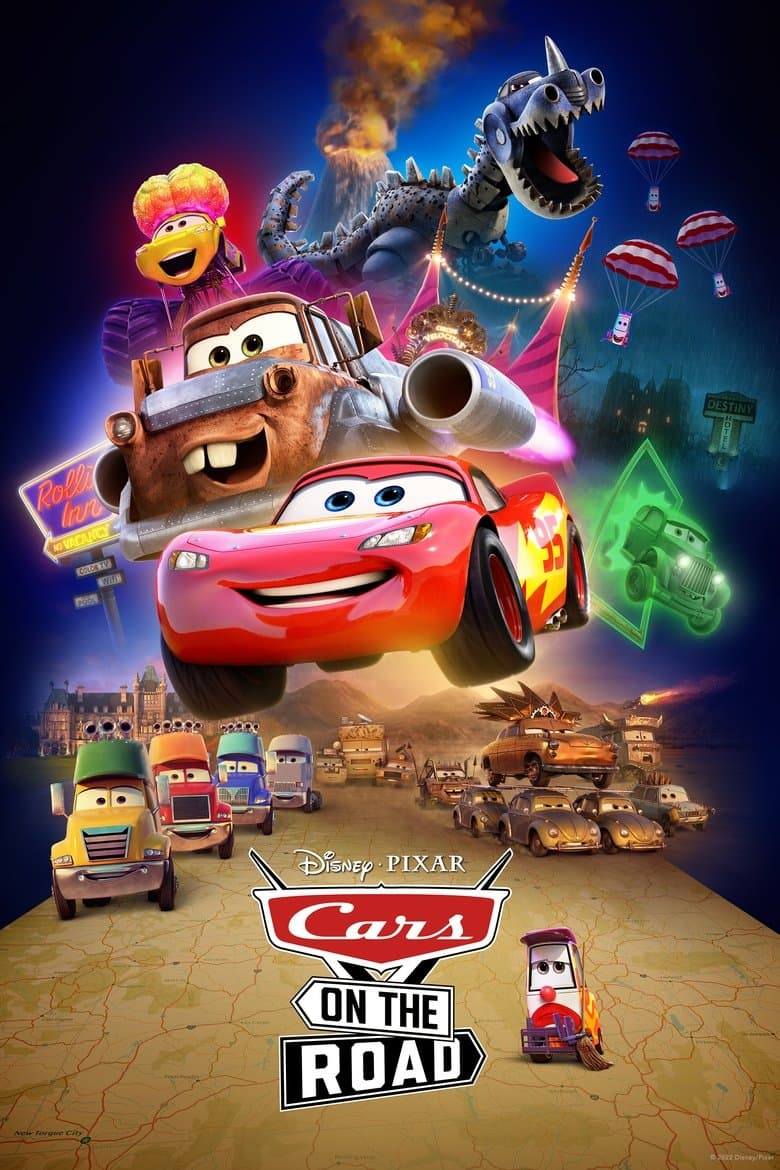
Lightning McQueen and his best friend Mater head east from Radiator Springs on a cross-country road trip to meet up with Mater’s sister.
TV Show · 2022
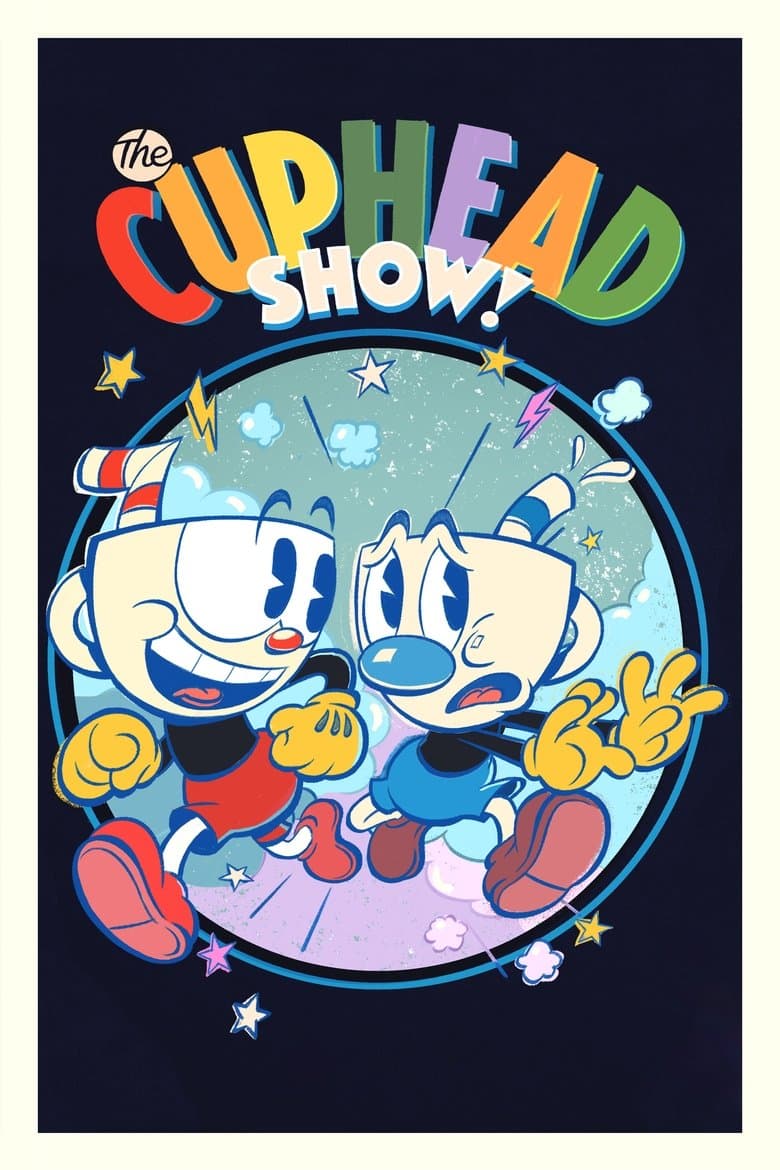
Follow the misadventures of the impulsive Cuphead and his cautious but persuadable brother Mugman in this animated series based on the hit video game.
TV Show · 2019
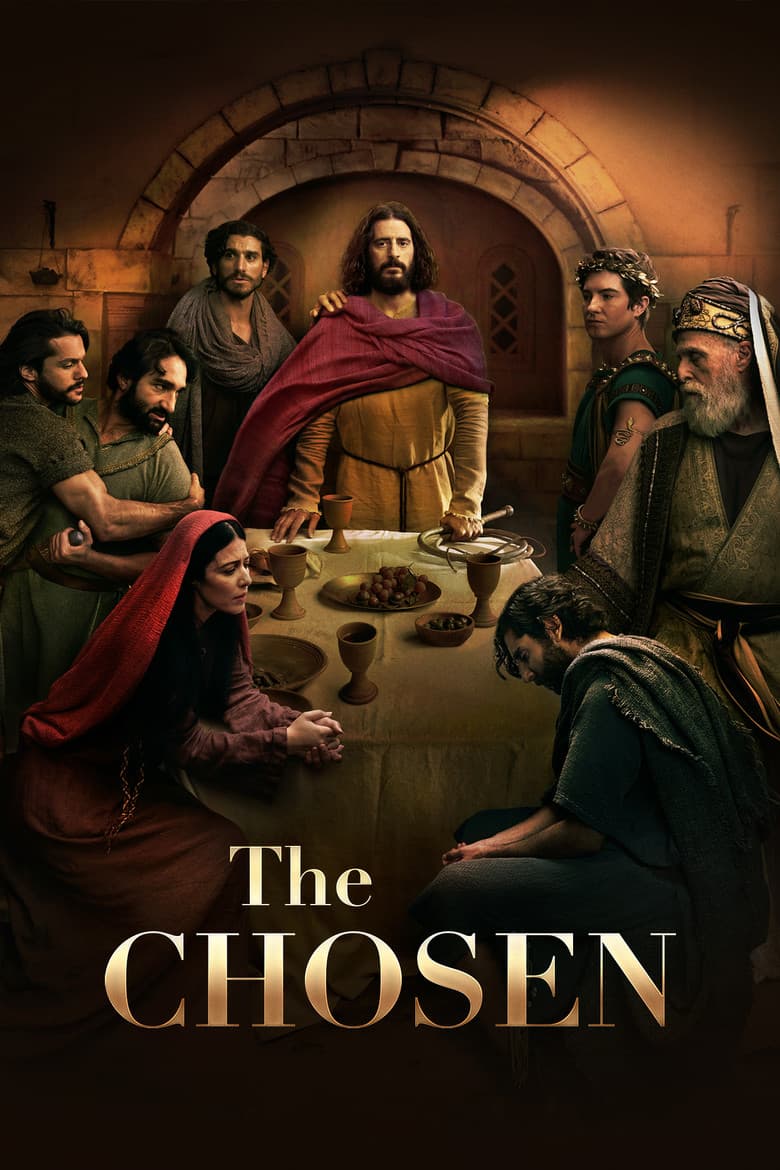
The life of Christ through the eyes of those who encountered him.
TV Show · 2018
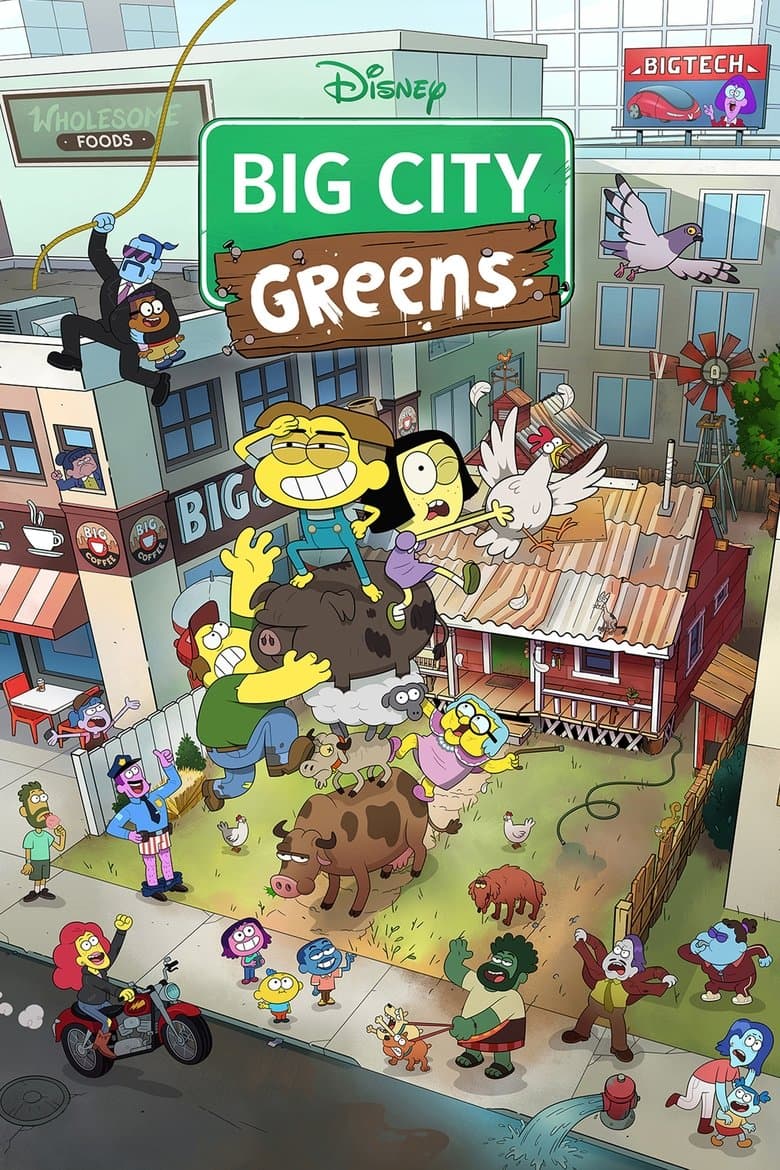
The offbeat adventures of 10-year-old Cricket Green, a mischievous and optimistic country boy who moves to the big city with his wildly out of place family – older sister Tilly…
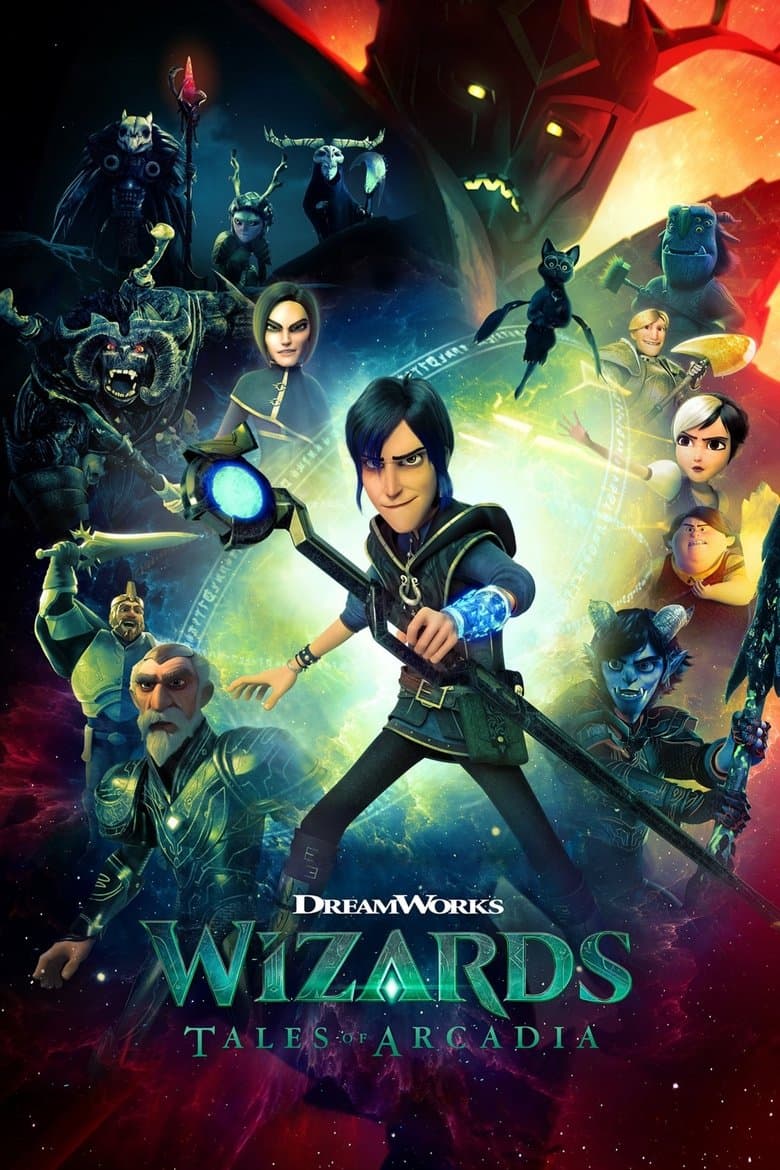
TV Show · 2020
Merlin’s apprentice joins Arcadia’s heroes on a time-bending adventure in Camelot, where conflict is brewing between the human, troll and magical worlds.
