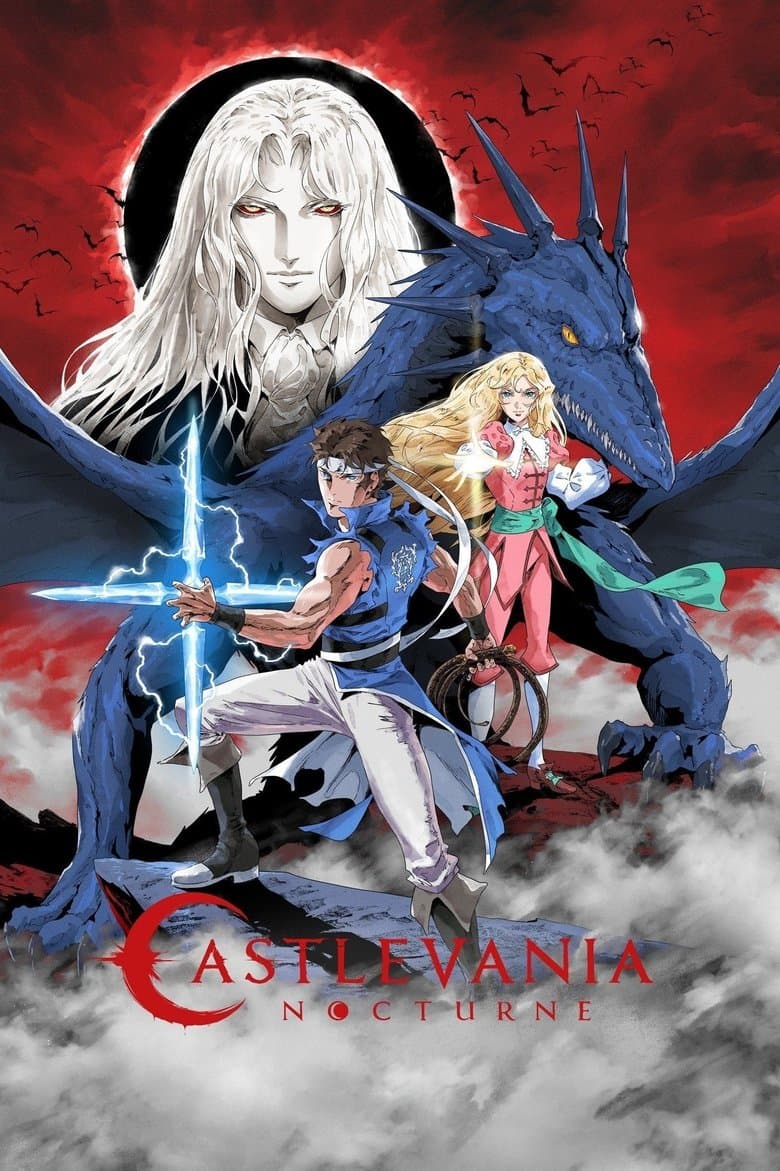
Started September 28, 2023 · Canceled · Based on 2 seasons, 16 episodes through January 16, 2025 · TV-MA
Richter Belmont is a young vampire hunter who carries his family’s name and weapon. He fights Erzsebet Báthory, a vampire queen who wants to use the power of the Egyptian goddess Sekhmet. The story moves through France during the French Revolution and also shows Haiti, slavery, and church power. The tone is violent, gothic, and serious, with strong magic and horror.
The show gives major story roles to Black revolutionary Annette, young revolutionary Maria, and queer vampire Olrox. Annette’s history as an escaped slave shapes the plot, while her magic and ideas help save the group. The show presents slavery, colonial rule, aristocracy, and church power as linked forms of oppression. Season 2 makes Olrox and Mizrak’s love story more visible and adds more focus on trauma, freedom, and personal choice.
Community feedback
Was our 89% Woke rating accurate?
Breakdown
These are the editorial factors and ratings behind our score for Castlevania: Nocturne.
Woke representation / casting
The show places black characters in major heroic roles, especially Annette as a powerful Haitian revolutionary. Maria is a young female leader who organizes resistance fighters. Olrox is an Indigenous vampire, and the main cast also includes a visible queer relationship. The cast fits parts of the setting, but the repeated focus on identity groups goes beyond simple background diversity.
48%
Woke political dialogue
Annette speaks directly about slavery, freedom, and the limits of European revolution. Maria and other rebels use language about equality and liberation. The Abbot defends church power while working with vampires, which gives several scenes a clear political message. The dialogue is noticeable but remains part of the historical fantasy story.
42%
Identity-driven story themes
Annette’s black identity and history as an escaped slave drive much of the main plot. The story connects slavery, colonial rule, and racial violence to the vampire threat. Season 2 adds a clear love story between Olrox and Mizrak, including conflict between their love and Mizrak’s religious life. These themes are central and easy for viewers to notice.
72%
Western institutional / cultural critique
The show presents aristocrats and church leaders as partners in oppression. The Abbot uses religion to protect power and creates monsters for the ruling class. The story treats revolution and resistance as needed answers to these institutions. The criticism is framed through the period setting but uses strong modern activist-style language about systems of power.
58%
Woke character or canon changes
The show changes Annette from her game version into a Black Haitian former slave and revolutionary. It gives her Vodou powers and makes her a major hero. The show also adds Olrox’s romantic relationship with Mizrak and changes parts of Olrox’s identity and history. These are major identity-focused changes to established Castlevania material.
65%
Anti-woke backlash and complaints
Viewers accused the show of race-swapping Annette and pushing racial politics into Castlevania. Some called it “Wokevania” and complained about speeches on slavery, church power, and equality. Other complaints focused on female characters taking major heroic roles and Richter seeming emotionally weak. The backlash was real but scattered across fan forums and social media.
55%
Creator track record context
Several key creators have clear links to identity-focused work or diversity advocacy. Testament and Zodwa Nyoni often write about black identity, politics, migration, or queer life. Sam Deats has discussed right-wing backlash against diversity. Brad Graeber supports representation and gender parity in animation.
48%
Production
TV Show · 2025
A Happy alien, Takopi, lands on Earth with one mission: to spread happiness! When he meets Shizuka, a lonely fourth grader, he vows to bring back her smile using his magical Happy…
TV Show · 2019
Emma, Norman and Ray are the brightest kids at the Grace Field House orphanage. And under the care of the woman they refer to as “Mom,” all the kids have enjoyed a comfortable…
TV Show · 2018
The war is over, and Violet Evergarden needs a job. Scarred and emotionless, she takes a job as a letter writer to understand herself and her past.
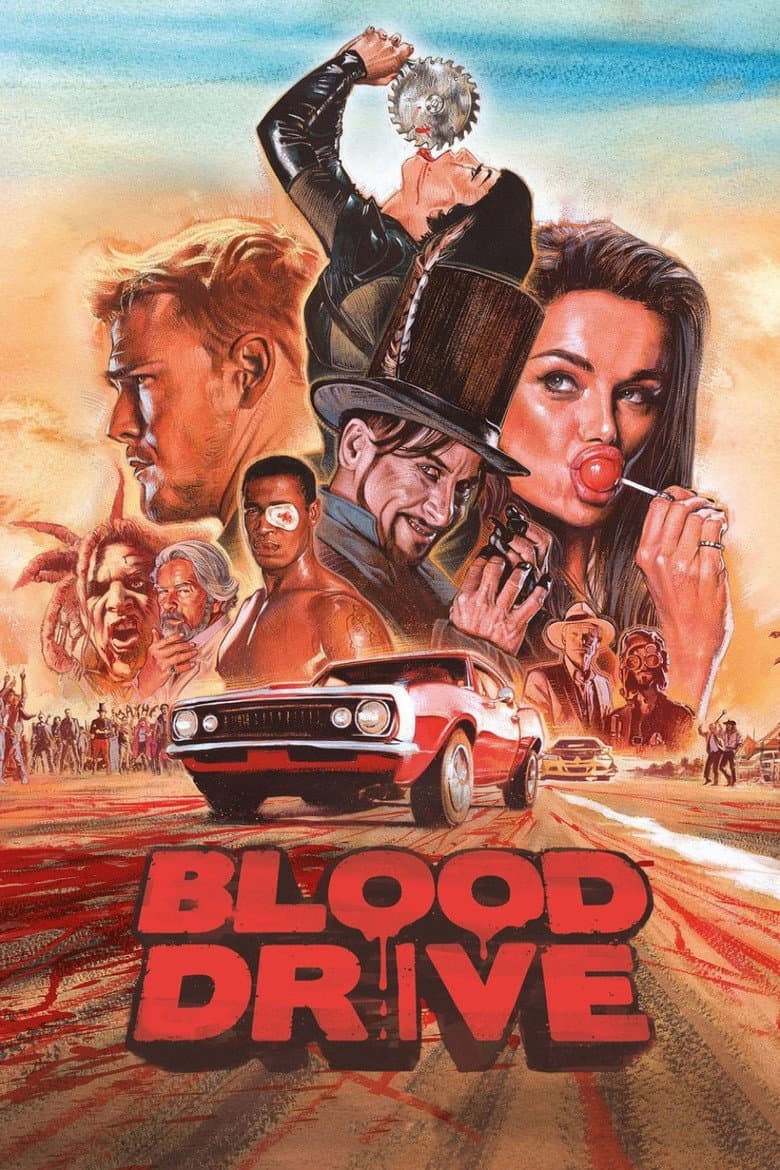
TV Show · 2017
Set in a near-dystopian future, a former cop is forced to take part in a death race where the cars run on human blood. You lose a leg and you lose your head.
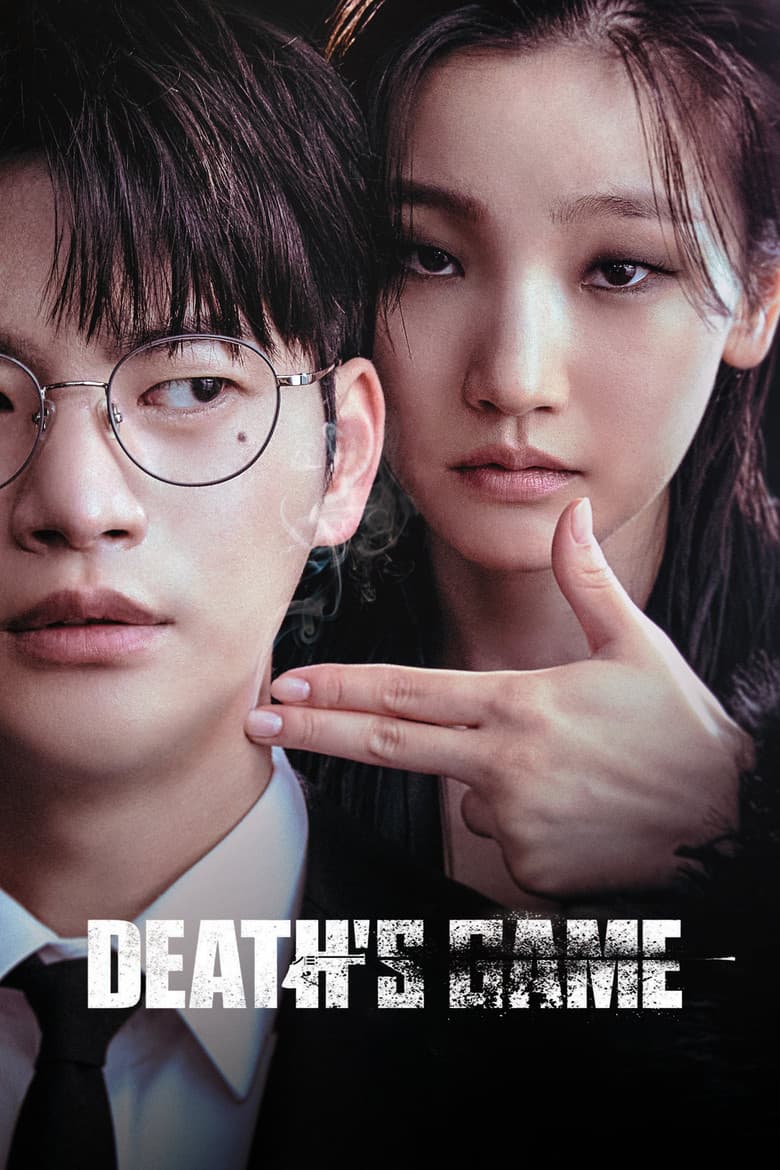
TV Show · 2023
At the brink of going to hell, Yee-jae must cycle through twelve separate lives and twelve separate deaths in this reincarnation drama.
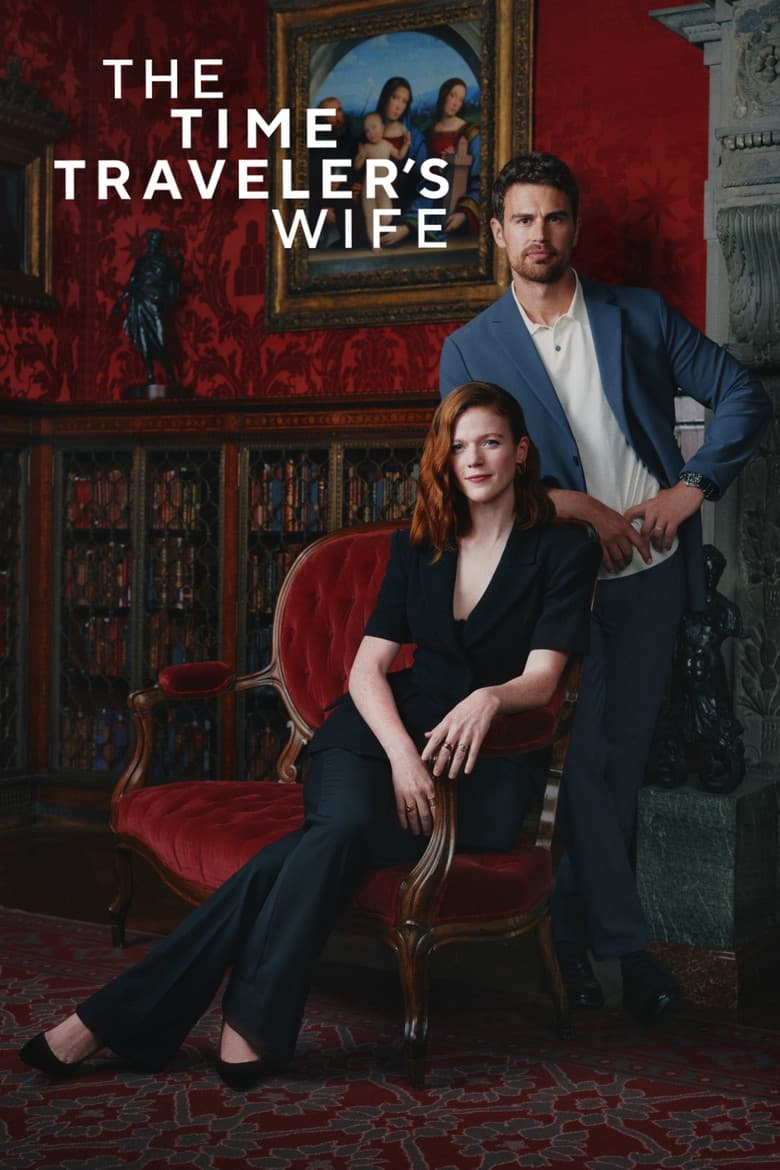
TV Show · 2022
The intricate and magical love story of Clare and Henry, and a marriage with a problem… time travel.
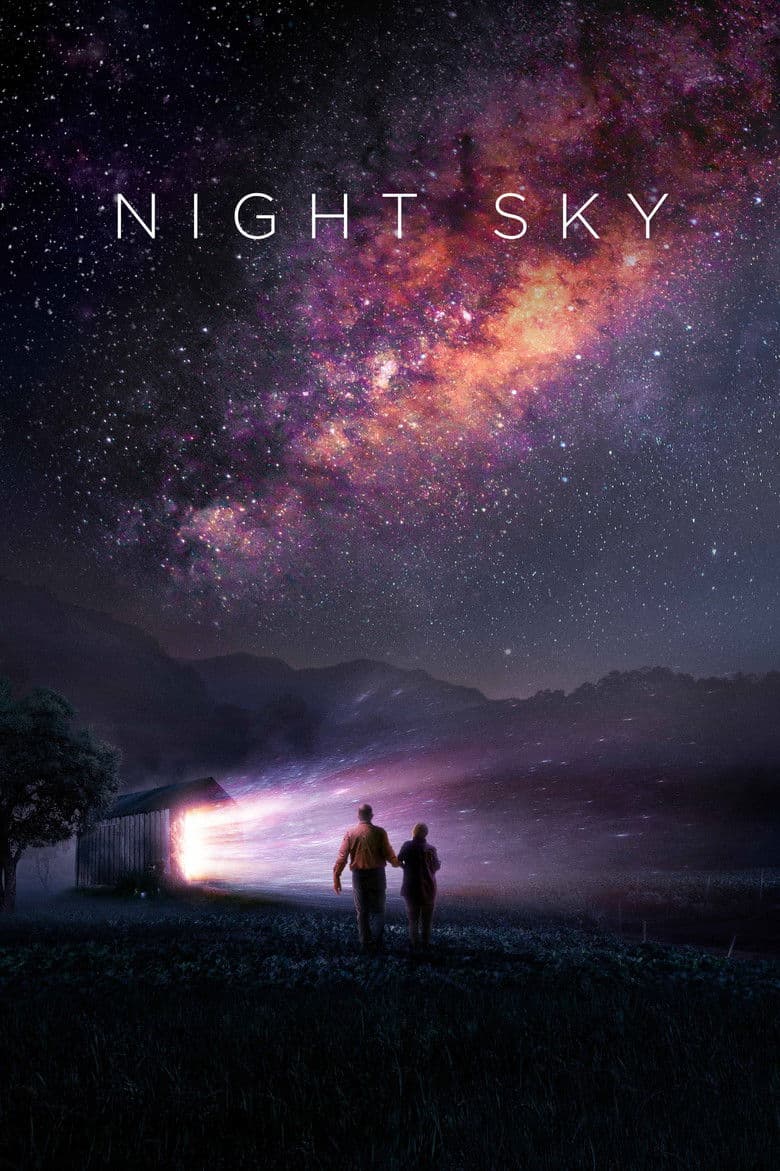
TV Show · 2022
Irene and Franklin York, a retired couple, have a secret: a Chamber buried in their backyard that miraculously leads to a strange, deserted planet.
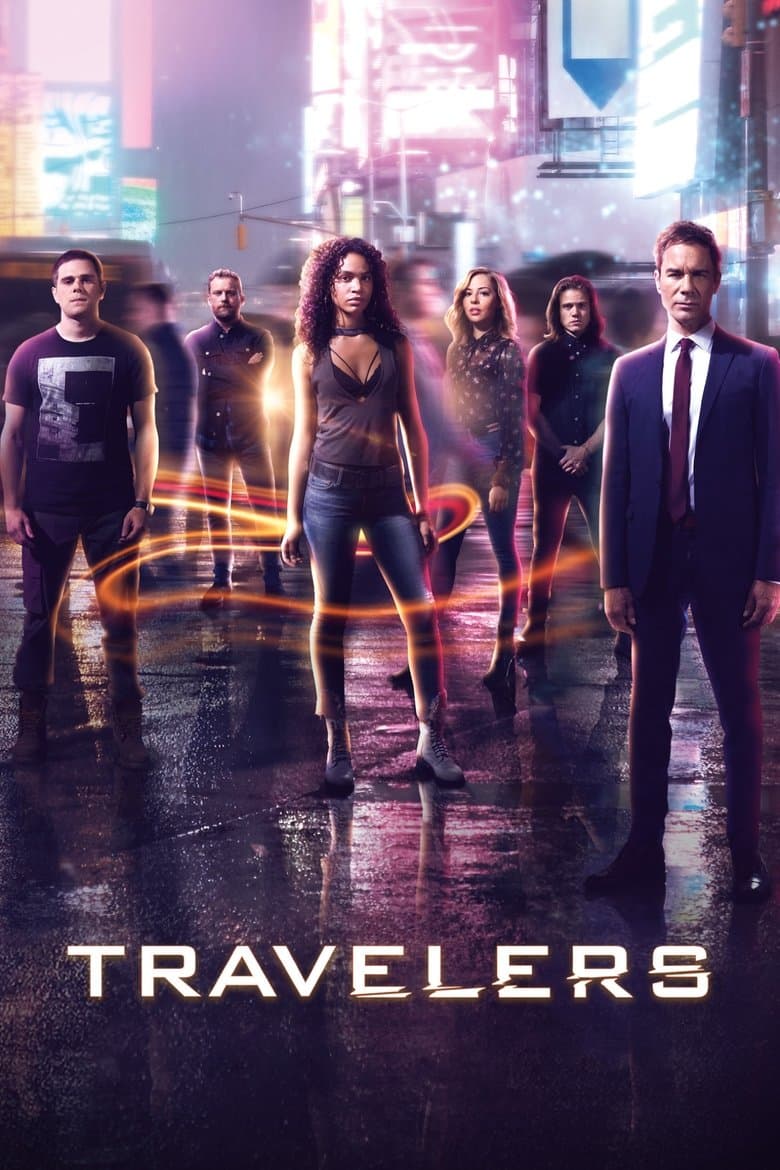
TV Show · 2016
Hundreds of years from now, the last surviving humans discover the means of sending consciousness back through time, directly into people in the 21st century.
